Peloponnese Food Tours: A Journey Through History, Culture, and Natural Beauty
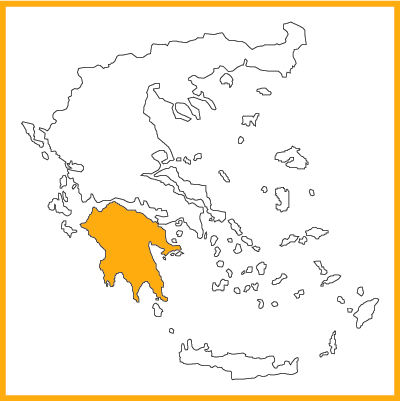
One of Greece’s most fascinating regions, combining ancient history, breathtaking landscapes, vibrant cities, and authentic Greek culture. Located in southern Greece, the Peloponnese is connected to the mainland by the famous Corinth Canal and the spectacular Rio–Antirrio Bridge, making it one of the country’s most accessible and rewarding destinations.
Opened to sea traffic in 1893, the Corinth Canal remains an engineering landmark, with thousands of ships crossing annually between the Ionian and Aegean seas. Since 2004, the impressive Rio–Antirrio Bridge has further strengthened the connection between the Peloponnese and central Greece, offering visitors easy access to the peninsula’s historic sites and coastal beauty.
Ancient History through Peloponnese Food Tours
The region played a central role in the development of ancient Greek civilisation. Some of Greece’s most important archaeological sites and ancient cities are located here, including Mycenae, Olympia, Sparta, Corinth, Argos, and Pylos.
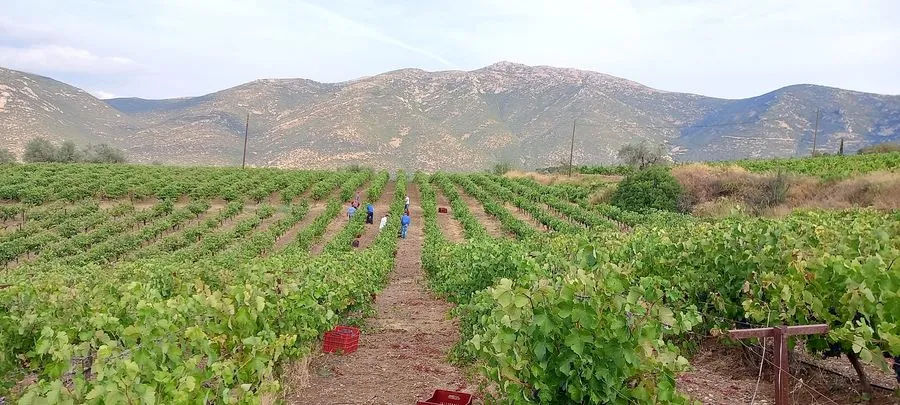
These legendary places shaped the political, military, and cultural identity of ancient Greece and continue to attract visitors from around the world. The region of Nemea is closely linked to Greek mythology through the story of the Nemean Lion and the Labours of Hercules, and is today internationally recognised for its exceptional wines and vineyards.
Byzantine Heritage and Medieval Castles
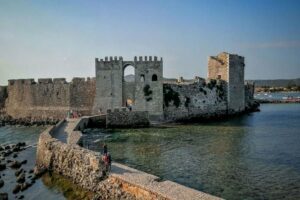
During the Byzantine era, the Peloponnese flourished as a centre of culture, trade, and architecture. Historic destinations such as Mystras, Mani, Monemvasia, and Nafplion preserve medieval castles, stone towers, Byzantine churches, and picturesque old towns, offering visitors a unique glimpse into Greece’s rich past.
The Peloponnese and Modern Greece
The Peloponnese was also at the heart of the Greek War of Independence. After centuries of Roman, Byzantine, and Ottoman rule, the Greek Revolution began here in 1821. Following the Battle of Navarino, now known as Pylos, in 1828, the last Ottoman forces left the region, and the modern Greek state was established. Nafplion became the first capital of modern Greece, symbolising freedom and national rebirth.
Why Visit the Peloponnese?
The Peloponnese offers a unique travel experience where ancient ruins, UNESCO World Heritage Sites, medieval castles, crystal-clear beaches, mountain villages, and world-class gastronomy coexist in one destination. Whether visitors are interested in Peloponnese food tours, archaeology, wine tourism, outdoor adventures, or relaxing holidays by the sea, the Peloponnese offers unforgettable experiences year-round. Peloponnese Food Tours offer the opportunity to taste local food and meet producers while exploring.
From the legendary kingdoms of ancient Greece to its lively modern cities and traditional villages, the Peloponnese remains a destination that captures the true spirit of Greece. Discover the Flavours of the Peloponnese with Peloponnese food tours.
To travel through it is to step into the very heart of Greek mythology and culinary heritage. This sun-drenched peninsula—home of ancient Sparta, the Olympic Games, and King Agamemnon—is not just a destination of ruins and legends. It is a living, breathing region where Greek cuisine, tradition, and philoxenia (hospitality) come to life at every table.
Beyond its marble temples and mythic landscapes, it invites travellers to taste its soul through food and wine. Each dish tells a story of land, sea, and people—authentic, seasonal, and lovingly crafted.
The Holy Trinity of Peloponnesian Cuisine: Olive Oil, Wine & Mediterranean Bounty
Liquid Gold: The Olive Oil
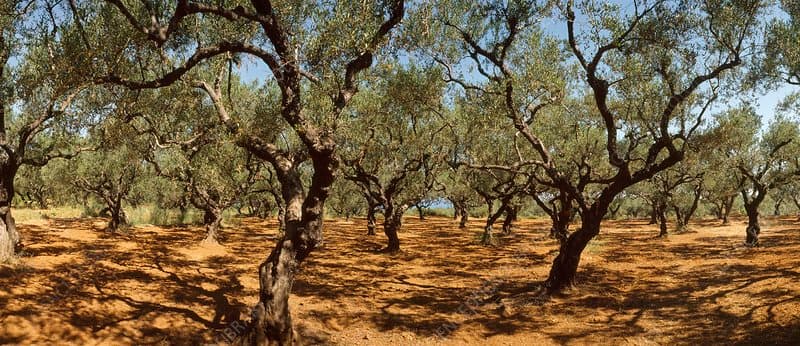
The story of Peloponnesian gastronomy begins, as every Greek culinary story does, with olive oil — Greece’s legendary “liquid gold.” Nowhere does this ancient tradition shine more brightly than in the Peloponnese, the southern peninsula of mainland Greece, where olive trees carpet hillsides, valleys, and coastal plains. For millennia, families have tended their groves with devotion, producing extra-virgin olive oil of exceptional purity and flavour. Through Peloponnese Food Tours, discover the regions that contribute their own distinctive taste, shaped by the land, the sea, and the climate.
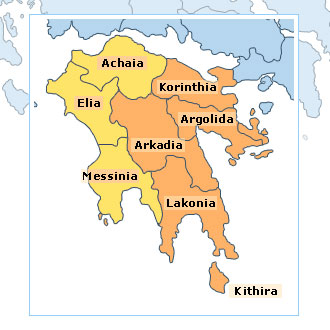
- Messenia: Located in the southwestern Peloponnese, Messenia is a land of rolling olive groves, golden beaches, and ancient cities such as Kalamata—home to the world-famous olive variety of the same name. The region’s oils are fruity and balanced, with notes of fresh grass and artichoke, perfectly capturing the landscape’s gentle character.
- Laconia: Stretching across the southeast, Laconia is dominated by the imposing Taygetus Mountains and the historic city of Sparta. Its rugged terrain and dry winds produce bold, peppery oils with remarkable depth and antioxidant richness — flavours that mirror the strength and simplicity of Spartan tradition.
- Argolis: The Northeast Peloponnese unfolds across fertile plains, with the blue sea and ancient wonders like Nafplio, Mycenae, and Epidaurus. Here, olive groves thrive under the soft coastal light, yielding light, aromatic oils with delicate notes of almond and green tomato — ideal for seafood and summer salads.
- Arkadia: At the heart of the Peloponnese lies the mountainous region of Arcadia, long celebrated in Greek mythology as a land of rustic purity and natural harmony. From its high plateaus come rare, early-harvest oils — vivid, intense, and fragrant — treasured for their freshness and authenticity.
- Ilia: Located in the western Peloponnese, Ilia combines ancient heritage with fertile plains and coastal landscapes. Its extra virgin olive oils are smooth and aromatic, with delicate fruity notes, fresh herbs, and a balanced finish, expressing the richness of its soils and centuries-old olive-growing tradition.
- Achaia: Stretching along the northern coast of the Peloponnese, Achaia is a region of mountains, valleys, and seaside landscapes. Its extra-virgin olive oils are elegant and fresh, with herbal aromas, balanced fruitiness, and a gentle, peppery finish that reflects the diversity of its land and cuisine.
- Corinthia: At the gateway to the Peloponnese, Corinthia blends mountains, seas, fertile valleys, and ancient agricultural traditions. Its extra virgin olive oils are fresh and fruity, with delicate herbal notes and a pleasant peppery finish that captures the region’s vibrant Mediterranean identity.
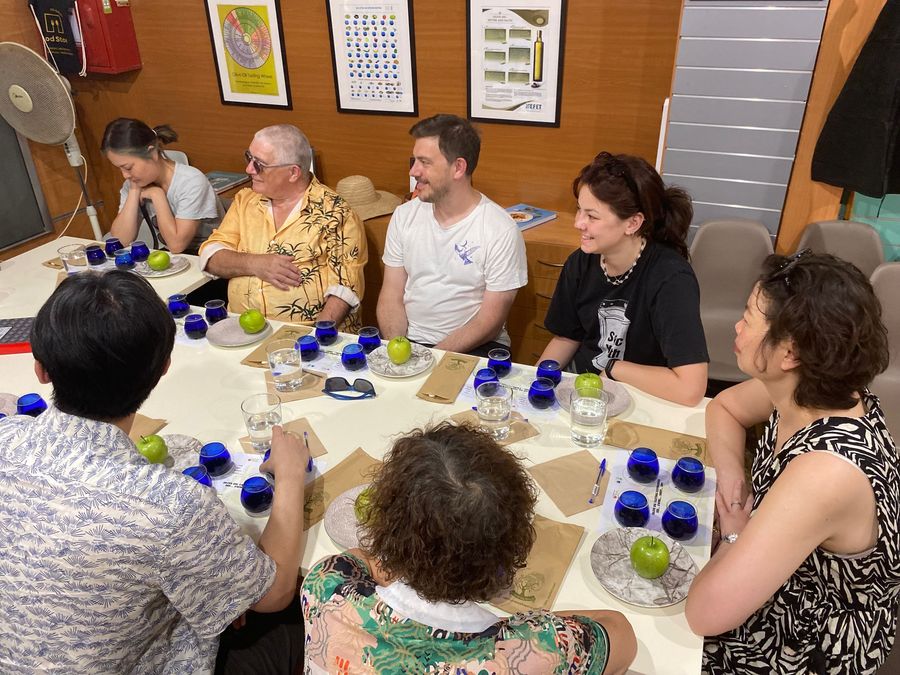
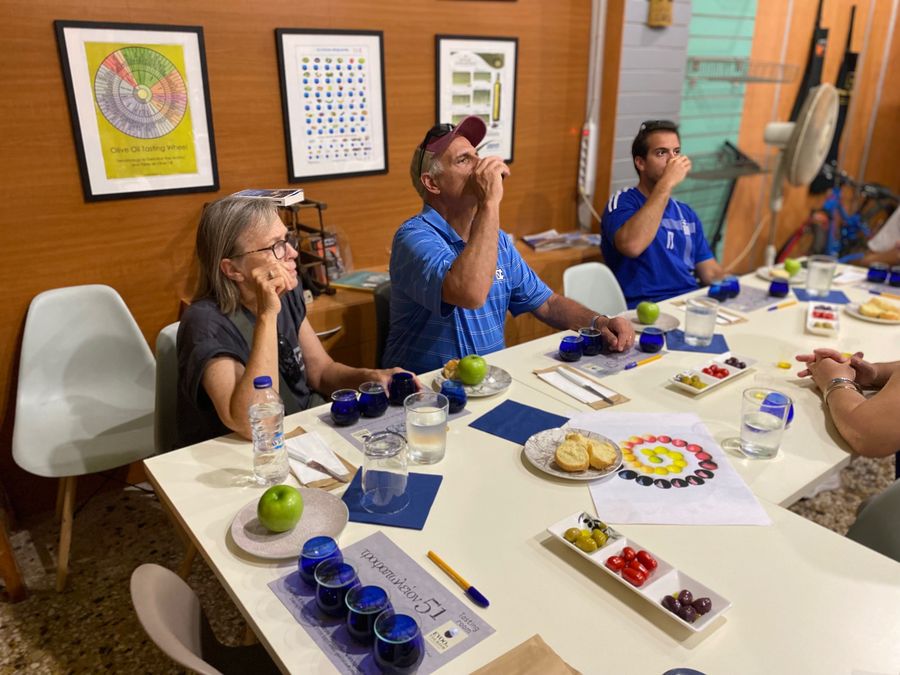
Together, these regions form the soul of Peloponnesian gastronomy, which you can discover through our Peloponnese Food Tours. Their olive oils are more than ingredients — they are a living link to Greece’s history, its landscapes, and the timeless art of sharing food made with love and the light of the Mediterranean sun.
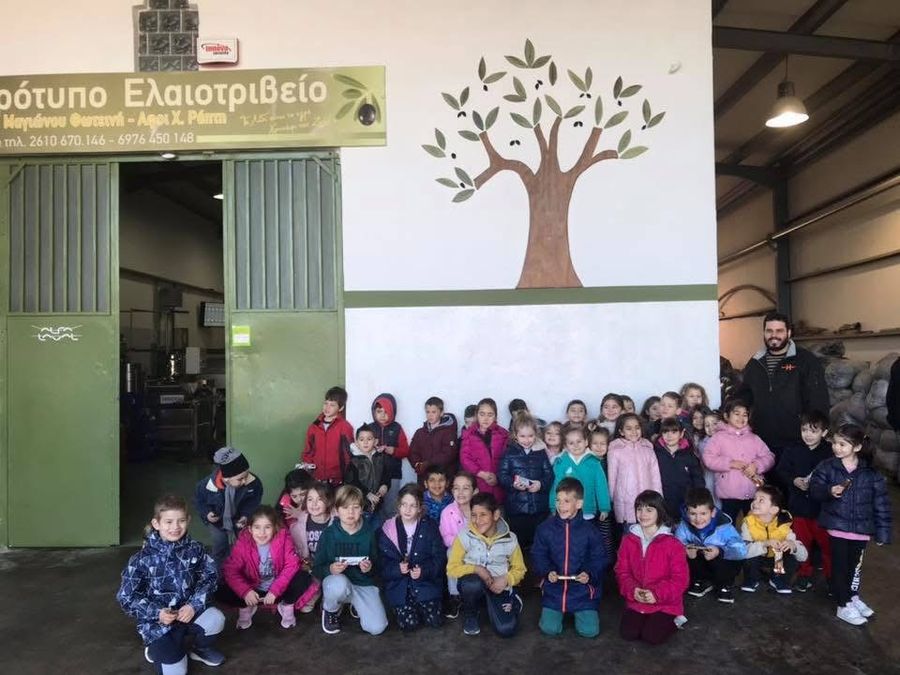
Visiting an olive oil mill during harvest season (October–January) offers a sensory experience, featuring freshly pressed oil, vibrant aromas, and the ancient ritual of the olive harvest.
Vineyards of Myth: Peloponnesian Wines
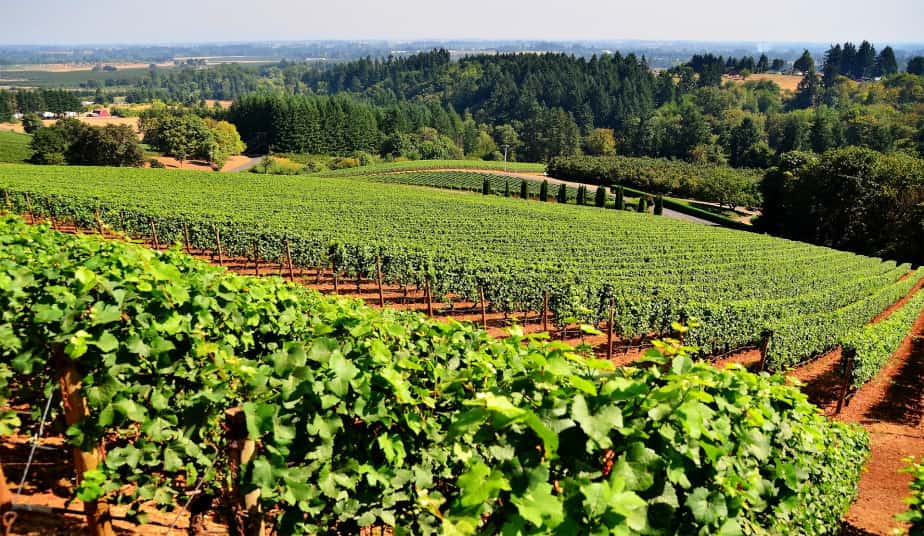
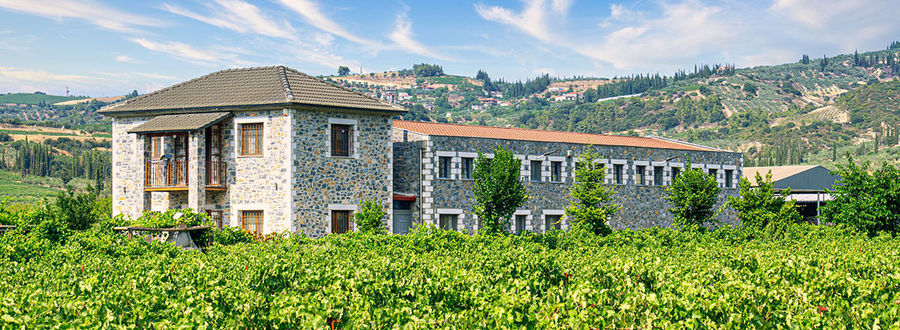
The Peloponnese, a sun-drenched land where mountains meet the sea, is Greece’s largest and most diverse wine region — a mosaic of ancient vineyards and bold modern craftsmanship. Across its hills and valleys, winemakers draw on centuries of tradition and the peninsula’s varied terroirs to create wines of elegance, intensity, and unmistakable character. Several areas hold the coveted PDO (Protected Designation of Origin) status, ensuring authenticity and preserving the legacy of Greece’s great native varieties.
· Nemea (PDO Nemea – Agiorgitiko): In the gentle hills of northeastern Peloponnese, Nemea is the homeland of Agiorgitiko, one of Greece’s most celebrated red grapes. Its wines — known poetically as “the Blood of Hercules” — are deep, velvety, and full-bodied, balancing ripe red fruit with spice and soft tannins. The PDO Nemea appellation is the beating heart of Greek red wine culture.
· Mantinia (PDO Mantinia – Moschofilero): High on the Arcadian plateau, cool breezes and altitude give rise to Moschofilero, a pink-skinned grape producing crisp, aromatic whites alive with notes of rose petals, citrus, and fresh herbs. The PDO Mantinia wines embody the elegance of the mountains and the freshness of the Mediterranean.
· Patras & Achaia (PDO Patras, PDO Mavrodaphne of Patras, PDO Muscat of Patras): Along the northern coast, the region’s vineyards overlook the Gulf of Corinth. Here, diverse microclimates nurture both red and white varieties. Mavrodaphne, a local treasure, yields rich, sweet dessert wines layered with dried fruit and spice, while Roditis produces vibrant, citrus-driven whites under the PDO Patras designation. Muscat of Patras adds another note of distinction with its perfumed sweetness.
· Monemvasia & Laconia (PDO Monemvasia-Malvasia): In the southeastern Peloponnese, near the medieval fortress town of Monemvasia, vintners are reviving ancient grape varieties once prized across Europe. The PDO Monemvasia-Malvasia wines, inspired by the legendary sweet wines exported during the Byzantine era, are complex and amber-hued, combining tradition with a renewed artisanal spirit.
Together, these PDO regions form the soul of Peloponnesian winemaking — a living link between myth and modern mastery. Each glass tells a story of land and legend, sun and soil, capturing Greece’s timeless beauty in every drop.
The Artisans of Flavour: Honey, Spirits & Cured Delicacies
Greek Honey
The region’s beekeepers produce some of Greece’s finest honeys, thanks to its wild thyme, fir forests, and heather-covered slopes.
- Thyme Honey (Mani): Aromatic, amber, and herbal.
- Fir Honey (Arcadia): Rare, mineral-rich, and less sweet.
- Heather Honey: Thick, tangy, and full-bodied.
The Spirit of the Land:
Distillation is a proud local tradition across the region—a ritual born of the land’s agricultural bounty and the Greek spirit of hospitality. What began centuries ago as a way to use leftover grape pomace from winemaking has evolved into an art form, producing distinctive spirits and liqueurs that reflect both local craftsmanship and cultural identity.
- Tsipouro: A grape-based spirit distilled from the skins, seeds, and stems left after pressing the wine grapes. Depending on the region, tsipouro may be pure or flavoured with anise, giving it a subtle liquorice aroma reminiscent of ouzo. Traditionally made in small copper stills, it is often shared among friends and family, symbolising warmth, togetherness, and celebration. In mountain villages and seaside tavernas alike, tsipouro accompanies meze — small plates of olives, cheese, and cured fish — inviting long conversations and laughter.
- Tentoura (Patras): Originating in the port city of Patras, Tentoura is one of Greece’s oldest and most beloved herbal liqueurs. Its deep amber colour and aromatic blend of cinnamon, cloves, nutmeg, and citrus peel create a rich, spiced sweetness. Traditionally served as a digestif after meals or added to coffee for a warming twist, Tentoura has been a local favourite since the Venetian era, when spice trading flourished through the port. Today, it remains a symbol of Patras’ cosmopolitan heritage and its refined culinary tradition.
Together, tsipouro and tentoura embody the essence of Peloponnesian hospitality — bold yet refined, rooted in tradition yet endlessly inviting. Each sip tells a story of craftsmanship, celebration, and the enduring pleasure of sharing something made with care.
Traditional Deli Products: Peloponnese food tours
Preservation is an art form in the region:
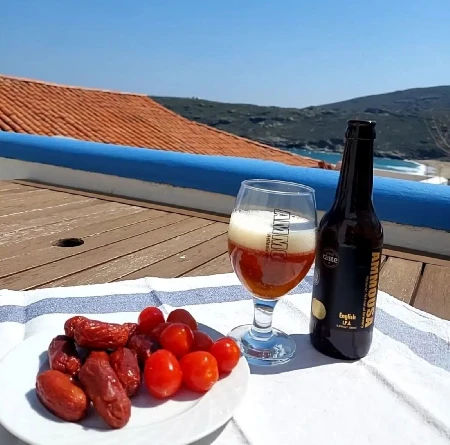
- Syglino (Mani) – Smoked pork with orange and spices.
- Louza – Air-dried pork loin, a Greek charcuterie classic.
- Spoon Sweets – Homemade fruit preserves, a symbol of hospitality.
- Pickled Caper Leaves & Kritamo – Bright, tangy touches to seafood or salads.
Regional Gastronomic Highlights: Peloponnese food tours
1. Messenia – Olive Groves and Sweet Traditions
- Kalamata Olives: World-renowned for their rich flavour.
- Lalagia: Fried dough ribbons drizzled with honey.
- Sykotaria: Figs stuffed with nuts and spices.
2. Laconia – The Spirit of Mani and Sparta
- Singlino and Maniotiki Pikantiki Salad.
- Laconian Olive Oil: Peppery, powerful, unforgettable.
- Regali Soup: A rustic dish of lamb, greens, and tradition.
3. Arkadia – Mountain Cuisine and Hearth Cooking
- Tsakonian Eggplant (PDO): Sweet and delicate.
- Hortopita and Triftopita: Savoury pies made with wild greens and cheese.
- Grilled Lamb & Goat: Seasoned with oregano and lemon.
4. Elia – Fertile Lands and Coastal Flavours
Known for its rich agricultural heritage and long coastline, Elia offers a cuisine that celebrates fresh ingredients and traditional recipes.
- Andravida Watermelon: Sweet, juicy, and famous throughout Greece.
- Fresh Seafood: Grilled fish, octopus, and shellfish from the Ionian coast.
- Hilopites with Local Cheese: Handmade pasta served with rich regional dairy products.
- Olympian Honey: Aromatic honey produced in the countryside surrounding Ancient Olympia.
5. Achaia – Vineyards, Citrus Groves, and Historic Wines
Achaia combines mountainous landscapes, fertile plains, and one of Greece’s oldest winemaking traditions.
- Mavrodaphne Wine (PDO): The region’s iconic sweet red wine with rich aromas of dried fruit and spice.
- Tentoura: A traditional liqueur flavoured with cinnamon, cloves, and citrus.
- Patras Raisins: A historic export product that has shaped the local economy for centuries.
- Citrus-Based Desserts: Orange and lemon sweets that reflect the region’s abundant orchards.
6. Corinthia – Vineyards, Mountains, and Gourmet Heritage
From the vineyards of Nemea to the slopes of Mount Ziria, Corinthia offers a diverse culinary landscape rooted in both agriculture and wine culture.
- Agiorgitiko Wine (PDO Nemea): One of Greece’s most celebrated red wines, known for its elegance and versatility.
- Corinthian Currants (PDO): Small, intensely sweet dried grapes that have been prized since antiquity.
- Stymphalia Beans (PGI): High-quality legumes cultivated around Lake Stymphalia.
- Traditional Pork Dishes: Slow-cooked meats paired with local wine and seasonal herbs.
The Soul of the Table: Dining Culture in the Peloponnese
Dining in the Peloponnese is more than a meal—it is an expression of hospitality, family, and community. Long lunches under olive trees, shared meze by the sea, village festivals, and seasonal celebrations all reflect a culture where food brings people together. Whether enjoying mountain specialities in Arkadia, seafood in Elia, sweet wines in Achaia, or vineyard cuisine in Corinthia, visitors discover a region where every table tells a story of tradition, generosity, and a deep connection to the land. Dining here is about connection, community, and joy.
- Tavernas serve seasonal dishes; owners often share homemade tsipouro on the house.
- Meze culture encourages sharing small plates—tzatziki, melitzanosalata, kolokythokeftedes—and lingering over conversation.
- Panigiria festivals transform village squares into open-air feasts with music, dancing, and endless grilled lamb.
A Feast for the Senses and the Soul: Peloponnese food tours
This is more than a destination—it’s an edible journey through Greek heritage, where olive oil, wine, honey, and hospitality converge into an unforgettable experience. From its mountain villages to seaside tavernas, every flavour tells a story.
Savour the region where food is not just nourishment, but memory, love, and celebration.
Kali Orexi! (Bon Appétit!)