Mycenaean civilisation flourished in the Peloponnese during the Bronze Age, specifically from 1600 to 1100 BCE. Its centre was the city of Mycenae, which was suddenly destroyed in 1100 BCE. The king of Mycenae, Agamemnon, was the general who led Greek forces during the Trojan War.
The Mycenaean civilisation was one of the earliest and most influential civilisations of ancient Greece, flourishing during the Late Bronze Age between approximately 1600 and 1100 BCE. Named after the powerful city of Mycenae, this civilisation represents the first advanced Greek-speaking society and played a key role in shaping later Greek culture, mythology, and political organisation. Archaeological discoveries, including royal tombs, fortified palaces, and rich artefacts, reveal a highly developed society known for its military strength, economic activity, and artistic achievements.
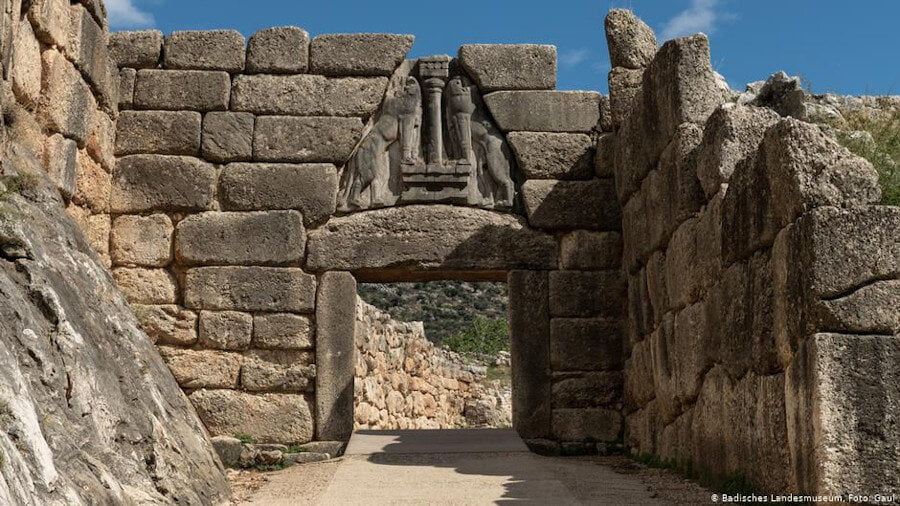
The Mycenaean civilisation was organised into independent palace-centred kingdoms across mainland Greece. Major centres included Tiryns, Pylos, and Thebes. Each palace functioned as an administrative hub controlling agriculture, trade, religion, and local governance. These cities were protected by massive stone fortifications known as Cyclopean walls, reflecting the importance of defence and warfare in Mycenaean society. The ruler, called the wanax, governed a strictly hierarchical community composed of warriors, officials, craftsmen, farmers, and labourers.
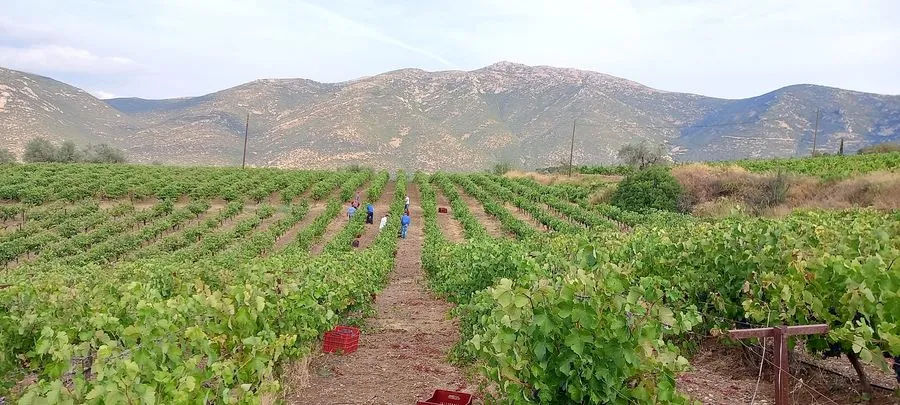
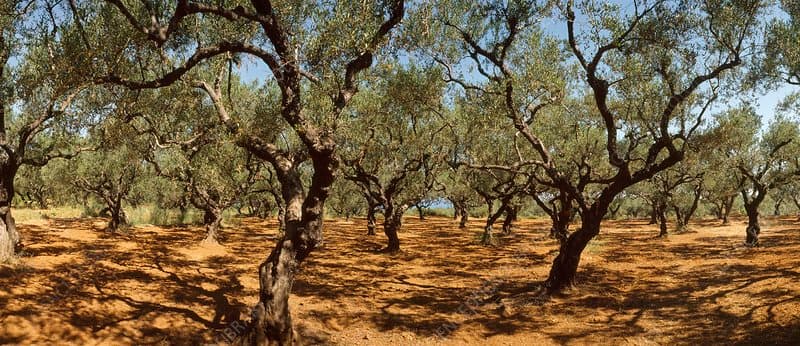
Economically, the Mycenaeans relied on agriculture, craftsmanship, and extensive Mediterranean trade networks. They exported olive oil, wine, pottery, and textiles while importing metals, ivory, and luxury goods from Egypt and the Near East. Their advanced craftsmanship is evident in gold jewellery, finely painted pottery, weapons, and ceremonial objects discovered in royal graves. These findings demonstrate both wealth and strong international connections, making the Mycenaean civilisation a major Bronze Age trading power.
A significant achievement of the Mycenaeans was their writing system, Linear B, an early form of the Greek language. Deciphered in 1952 by Michael Ventris, Linear B tablets mainly recorded economic transactions, inventories, and administrative data. This discovery confirmed that the Mycenaeans were the earliest known Greek speakers and provided valuable insight into palace administration and daily economic life.
Religion played a central role in Mycenaean culture, and many gods later worshipped in classical Greece, including Zeus and Poseidon, appear in Linear B records. Religious ceremonies were closely linked to palace authority, reinforcing both political power and social unity. The civilisation is also strongly connected with Greek mythology and heroic tradition. Epic poems such as the Iliad and the Odyssey preserve memories of a heroic age that likely reflects Mycenaean rulers and conflicts, including traditions associated with the Trojan War.
Around 1200 BCE, the Mycenaean civilisation declined as part of the wider Late Bronze Age collapse. Palace destruction, reduced trade, and population decline marked the end of this era, possibly caused by invasions, internal unrest, or natural disasters. Despite its fall, the Mycenaean civilisation left a lasting legacy by influencing the Greek language, mythology, political structures, and artistic traditions. Today, it is recognised as a foundational culture that helped shape ancient Greek civilisation and the broader development of Western history.