Geography and Regional Identity
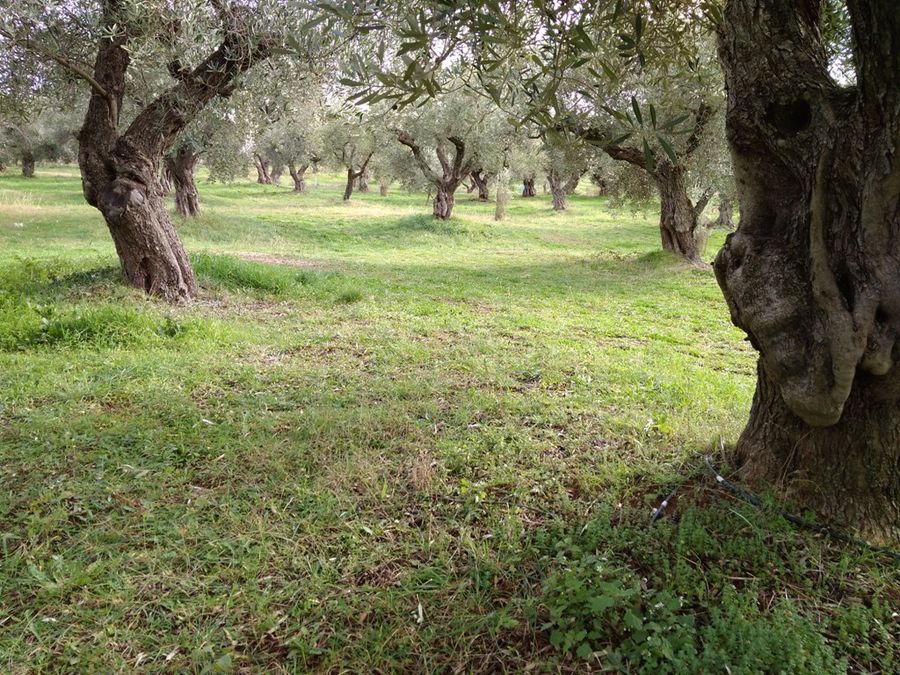
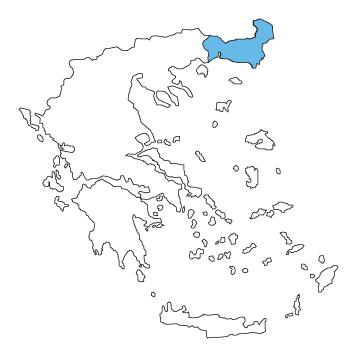
Located in the northeastern region of Greece, a land where Europe and Asia have met over centuries of history, trade, migration, and cultural exchange. Defined by fertile plains, mountain landscapes, rivers, forests, and the Aegean coastline, this part of Greece possesses one of the richest multicultural identities in the country.
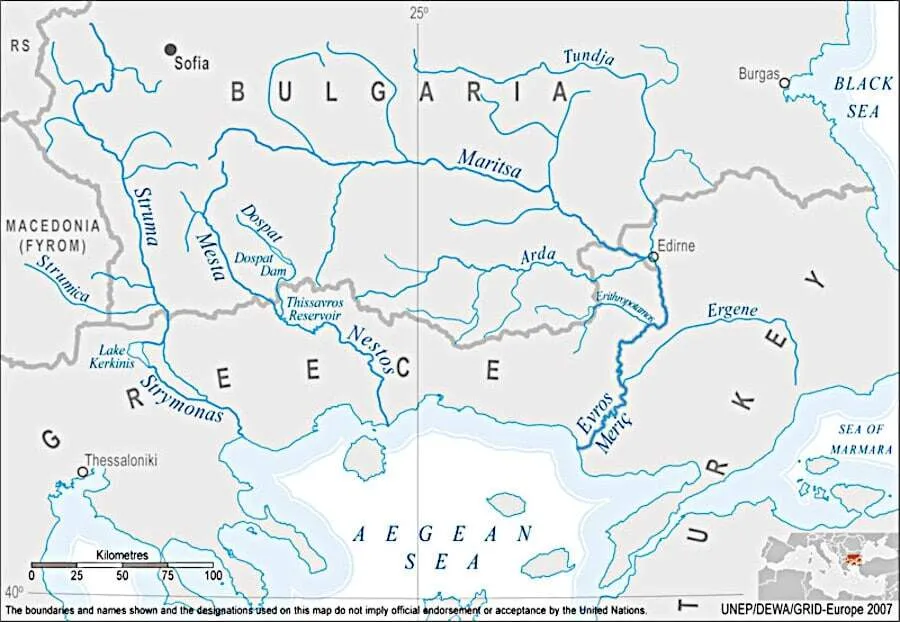
The region is bordered by the Nestos River to the west, the Evros River to the east, the Aegean Sea to the south, and the Rodopi mountain range and Bulgaria to the north. It includes important cities such as Alexandroupoli, Komotini, Xanthi and Kavala, as well as historic towns such as Philippi and Soufli. The islands of Thasos and Samothrace further enrich the region’s cultural and natural diversity.
Ancient and Byzantine period
Historically, it has been inhabited since prehistoric times and was home to ancient tribes before becoming part of the Macedonian kingdom under Philip II in the 4th century BCE. It later came under Roman rule and gained strategic importance during the Byzantine era due to its proximity to Constantinople, the capital of the Eastern Roman Empire.
Ottoman Rule and Multicultural Society
The Ottoman conquest of the region began in the 14th century, transforming the region into a multicultural society where Greeks, Muslims, Armenians, Jews, and other communities coexisted for centuries. During this period, parts of the local population converted to Islam, contributing to the region’s complex demographic character.
Population Exchange and Demographic Transformation
A major turning point came in the early 20th century. Following the Treaty of Sèvres in 1920, Greece temporarily received Western and Eastern Thrace. However, after the Asia Minor Catastrophe of 1922 and the Treaty of Lausanne in 1923, Eastern Thrace became part of modern Turkey, while Western Thrace remained within Greece.
The compulsory population exchange between Greece and Turkey profoundly reshaped the region’s demographic and cultural landscape. Greek refugees from the Eastern side and Asia Minor settled throughout Greek Thrace, bringing new culinary traditions, music, craftsmanship, and customs that blended with existing local traditions. At the same time, a significant Muslim minority remained on the western side, contributing to the multicultural identity that continues to define the region today.
Gastronomy and Local Traditions
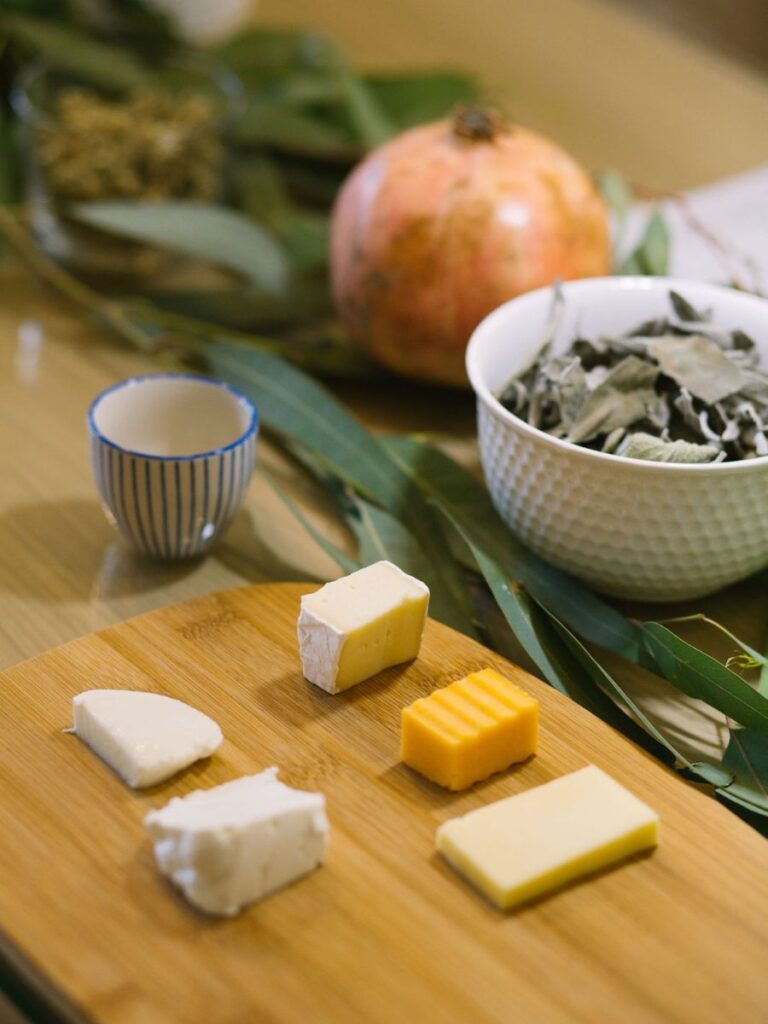
Local cuisine reflects this cultural diversity through rich flavours, spices, grilled meats, pies, dairy products, seafood, sweets, and recipes influenced by Balkan, Anatolian, and local Greek traditions. Agriculture, livestock farming, silk production in Soufli, fishing, and viticulture continue to shape the region’s economy and gastronomy.
Today
Today, the region remains one of Greece’s most distinctive regions, combining multicultural heritage, natural beauty, strong traditions, and a strategic position between continents and cultures