Experience the Real Athens West Beyond the Tourist Trail
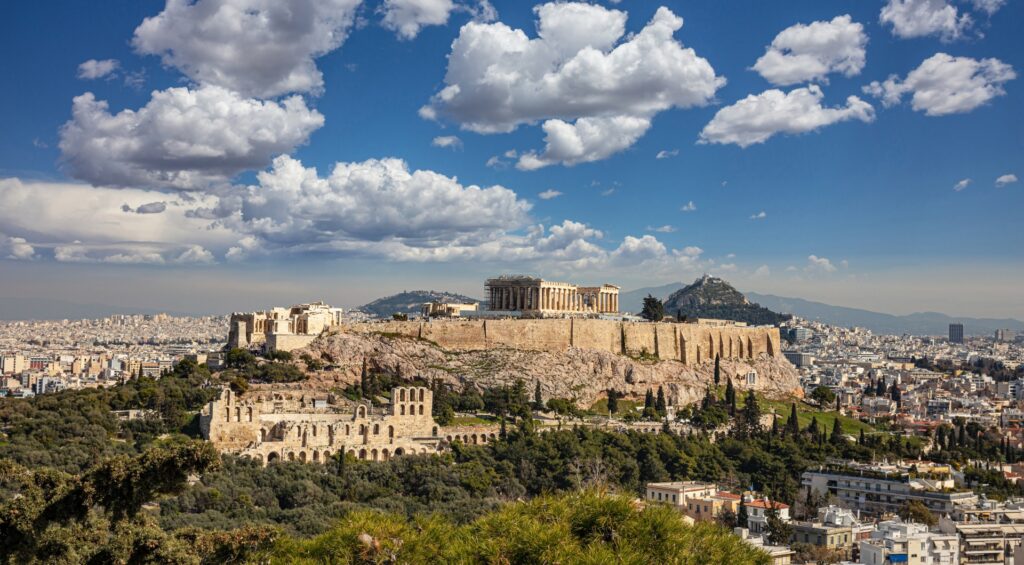
Athens West welcomes relatively few of the millions of visitors who come to the city to admire the Acropolis and its world-famous archaeological monuments, even though it’s one of the region’s most authentic and historically rich areas. Comprising municipalities such as Peristeri, Aigaleo, Chaidari, Ilion, Petroupoli, Agia Varvara, Agioi Anargyroi-Kamatero, and neighbouring districts, West Athens offers a genuine glimpse into everyday life in the Greek capital.
Unlike the historic centre, where tourism dominates, Athens West is where Athenians live, work, dine, and socialise. Bustling neighbourhood squares, lively cafés, traditional bakeries, open-air markets, family-run tavernas, and local cultural venues create a welcoming atmosphere that reflects the city’s modern character while preserving its deep historical roots.
Its excellent Metro and road connections make Athens West easily accessible, allowing visitors to explore an often-overlooked side of Athens that combines Byzantine monuments, green spaces, local gastronomy, and centuries of history.
A Landscape Steeped in Ancient History
The western plain of Athens has been inhabited since prehistoric times and played an important role in the development of ancient Attica. One of its most significant landmarks is the Sacred Way (Iera Odos), the ancient road linking Athens with the sacred sanctuary of Eleusis.
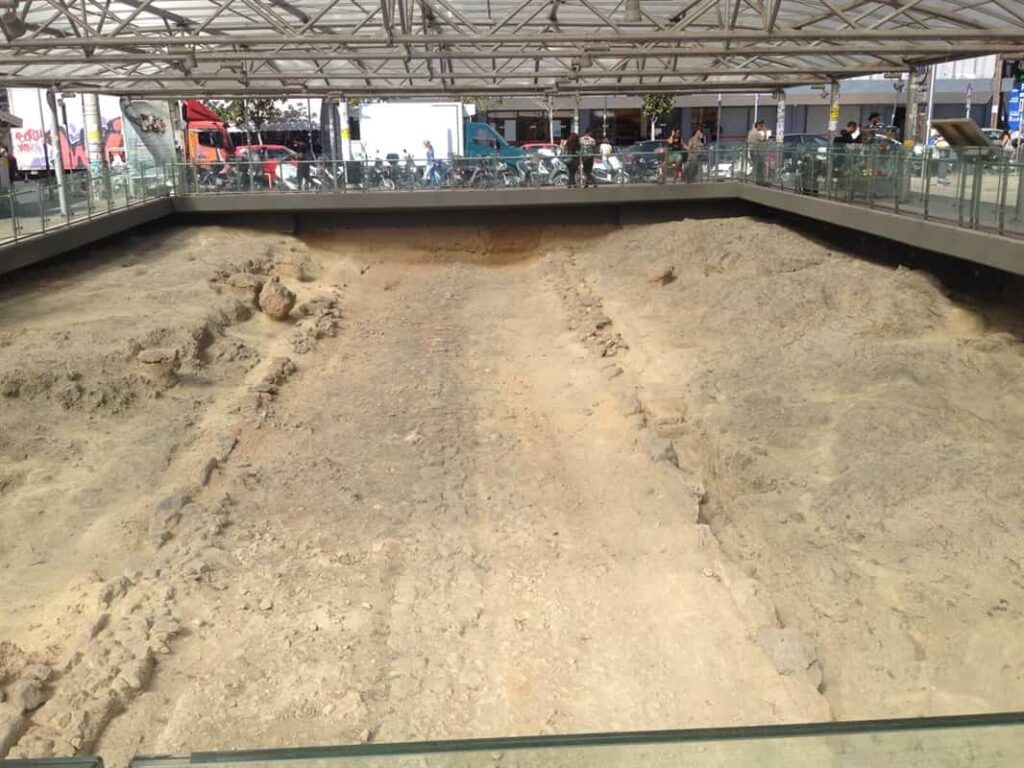
Every year, thousands of initiates walked this route to participate in the Eleusinian Mysteries, one of the most important religious ceremonies of the ancient Greek world dedicated to Demeter, the goddess of agriculture, and her daughter Persephone. The procession symbolised the cycle of life, death, and rebirth and attracted participants from across the Mediterranean for almost two thousand years.
Today, traces of the Sacred Way survive in several locations, offering a tangible connection between modern Athens and one of antiquity’s most important pilgrimage routes.
The surrounding countryside was once covered with olive groves, vineyards, grain fields, and small farming communities that supplied food to ancient Athens. Although urbanisation has transformed the landscape, agriculture shaped the region for centuries and laid the foundations for many of its culinary traditions.
From Byzantine Villages to Modern Athens
Following antiquity, the area remained largely rural throughout the Byzantine and Ottoman periods. Small villages, monasteries, churches, and estates dotted the fertile plain west of Athens.
The greatest transformation came during the twentieth century. After the population exchange between Greece and Turkey in 1922, thousands of Greek refugees from Asia Minor, Pontus, and Eastern Thrace settled in West Athens. Entire new neighbourhoods developed to accommodate these communities, many of whom arrived with little more than their skills, traditions, and family recipes.
Their influence remains deeply woven into the region’s cultural identity. Music, craftsmanship, entrepreneurship, and especially gastronomy were enriched by recipes that combined the flavours of Asia Minor with local Attic ingredients, creating the culinary landscape that still characterises many neighbourhoods today.
The Monastery of Daphni: A UNESCO World Heritage Site
The region’s greatest historical monument is undoubtedly the Monastery of Daphni, one of Greece’s finest examples of Middle Byzantine architecture and a UNESCO World Heritage Site.
Built during the 11th century on the site of an ancient sanctuary dedicated to Apollo, the monastery symbolises the transition from the classical world to Christian Byzantium. Its magnificent golden mosaics, particularly the celebrated image of Christ Pantocrator in the central dome, are regarded among the masterpieces of Byzantine art.
The monastery also preserves remarkable marble decoration, elegant architecture, and peaceful courtyards that offer visitors extraordinary insight into medieval Greece.
Agricultural Heritage and Local Products
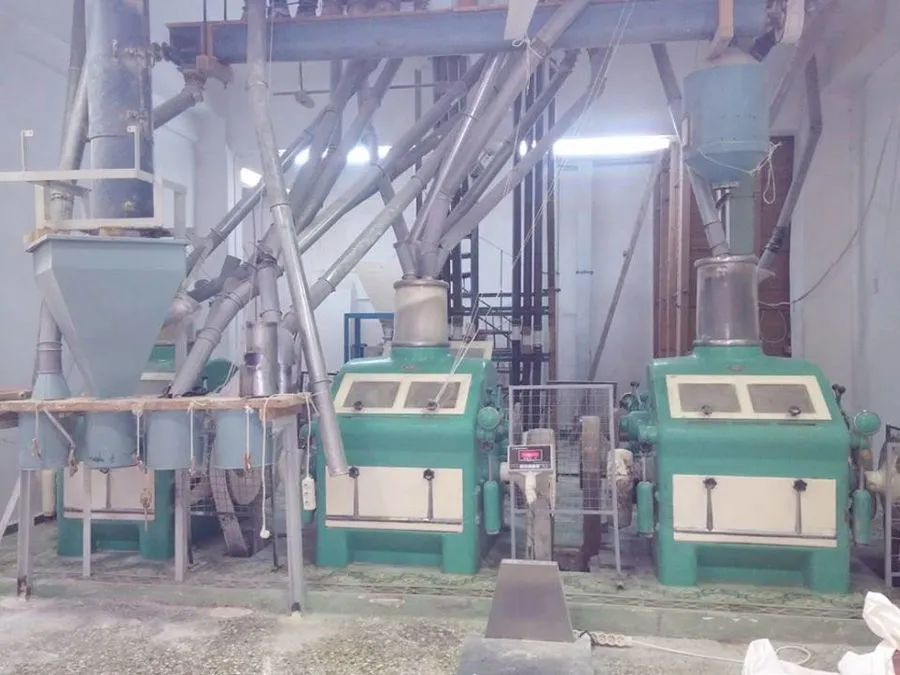
Although Athens West is today a densely populated urban area, its culinary identity remains closely connected to the agricultural landscapes of neighbouring Western Attica and the Thriasian Plain. For centuries, these fertile lands supplied Athens with fresh produce, olive oil, wine, cereals, and livestock, helping sustain the city’s growing population.
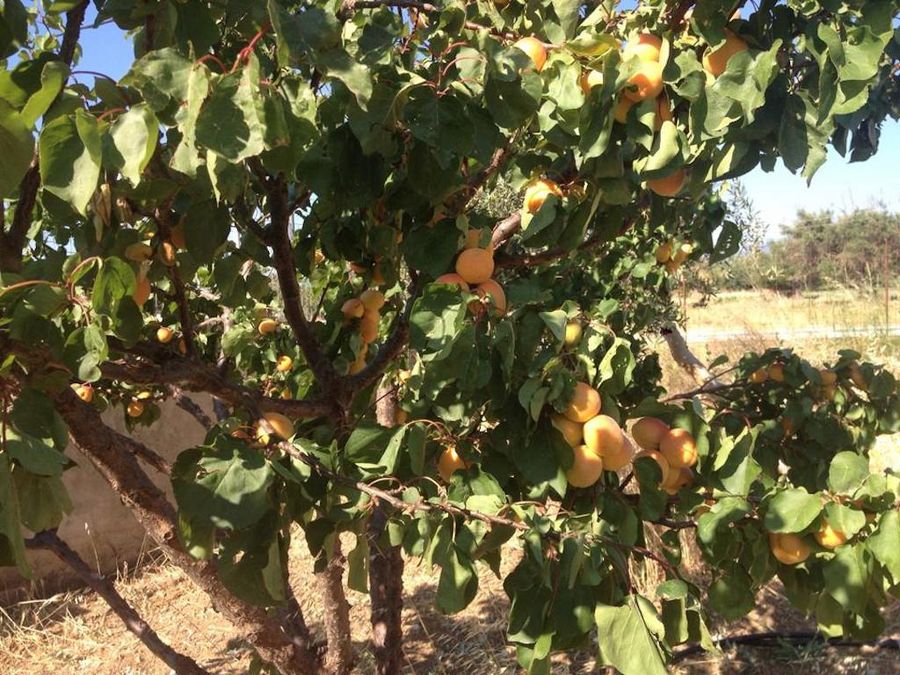
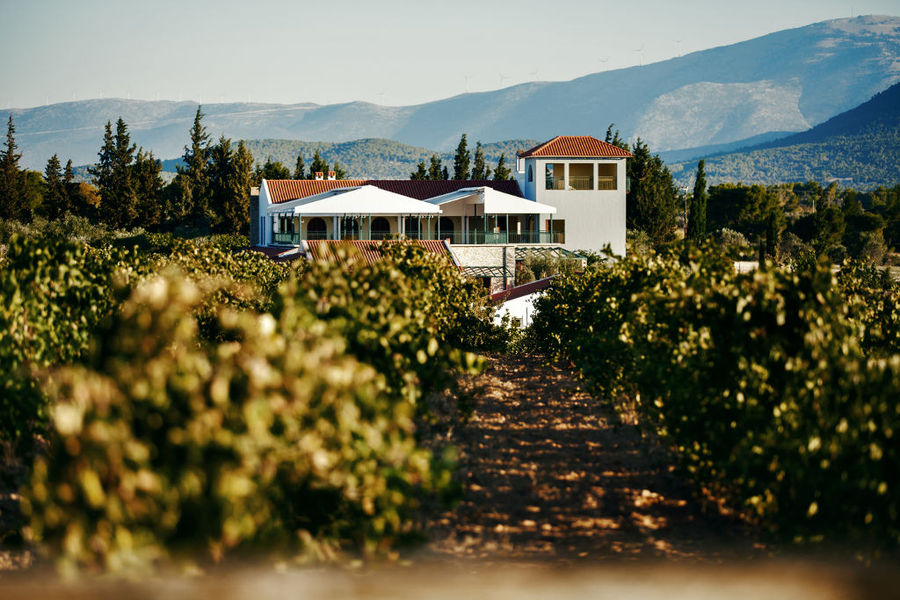
The wider region still produces high-quality extra virgin olive oil, table olives, grapes, figs, almonds, pistachios, citrus fruits, pomegranates, and seasonal vegetables. Vineyards around Megara and the western Attica countryside cultivate indigenous Greek grape varieties, while small family farms maintain traditional methods of producing honey, herbs, dairy products, and artisanal cheeses.
Sheep and goat farming also play an important role in the local economy, supplying fresh milk for feta and other traditional cheeses, as well as meat used in many classic Greek dishes. Seasonal wild greens, aromatic herbs such as oregano, thyme, sage, and rosemary, together with legumes and locally grown vegetables, continue to define the flavours of regional cuisine.
The close relationship between the urban communities of West Athens and the surrounding agricultural countryside remains evident today in neighbourhood farmers’ markets (laiki agora), where producers from Western Attica sell freshly harvested fruit, vegetables, olive oil, honey, cheeses, herbs, and other regional products directly to consumers. This enduring farm-to-table tradition remains an important part of everyday life and preserves the strong connection between Athens and the fertile landscapes that surround it.
The Flavours of Athens West
Athens West is one of the capital’s most rewarding destinations for food lovers seeking authentic Greek cuisine.
Unlike the tourist-oriented restaurants of central Athens, the area’s tavernas primarily cater to local residents. Family-run establishments continue to prepare recipes handed down through generations.
The influence of the Asia Minor refugees is particularly evident. Dishes such as soutzoukakia, aromatic kebabs, slow-cooked lamb, stuffed vegetables, chickpeas, giant beans, handmade pies, and richly flavoured casseroles remain local favourites. Traditional meze pair well with ouzo or tsipouro, while grilled meats, fresh salads, and seasonal vegetables feature prominently on every menu.
Neighbourhood bakeries produce exceptional breads, sesame koulouri, spinach pies, cheese pies, and syrup-soaked desserts including baklava, kataifi, galaktoboureko, and revani. Many pastry shops continue recipes introduced by refugee families nearly a century ago.
Markets and Everyday Food Culture
One of the best ways to experience West Athens is to visit its weekly laiki agora (farmers’ market). These open-air markets are held throughout the region and remain an essential part of daily life.
Local farmers bring fresh fruits and vegetables, olives, herbs, honey, cheeses, olive oil, seafood, legumes, and seasonal products directly to consumers. Visitors can discover regional specialities from every corner of Greece while observing the vibrant social traditions that continue to define Greek neighbourhood life.
Traditional delicatessens, butcher shops, fishmongers, coffee roasters, and small family grocery stores further reinforce the area’s authentic culinary character.
A Gateway to Western Attica
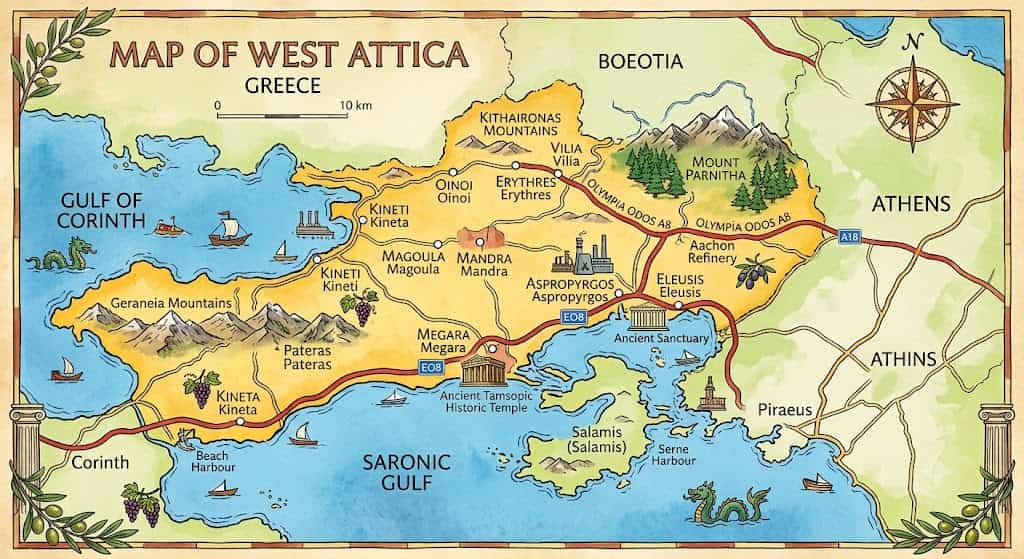
West Athens also serves as the natural gateway to Western Attica. From here, visitors can easily continue towards Elefsina (Eleusis), the Monastery of Daphni, Mount Parnitha, the Saronic Gulf, or the industrial heritage sites that tell the story of Greece’s modern economic development.
Its strategic location makes it an excellent base for travellers who want to explore both ancient monuments and the lesser-known cultural landscapes surrounding Athens.
Discover Athens West, the Authentic Athens
Athens West reveals a side of the Greek capital that many visitors never experience. Here, history lives not only in monuments but also in neighbourhood traditions, family businesses, bustling markets, and recipes passed down from one generation to the next.
From visiting local farms, wineries, beekeepers, olive oil, pistachio and fig producers, to walking the ancient Sacred Way and admiring the UNESCO-listed Monastery of Daphni, to enjoying authentic tavernas, lively cafés, and local markets, visitors discover a region where the past and present blend naturally.
For travellers seeking to experience the real Athens West beyond its iconic landmarks, West Athens offers a rich blend of history, culture, gastronomy, and everyday Greek life that rewards exploration year-round.