Terroir, Varieties, and the 4 PDO Wine Zones of the Wines of Achaia
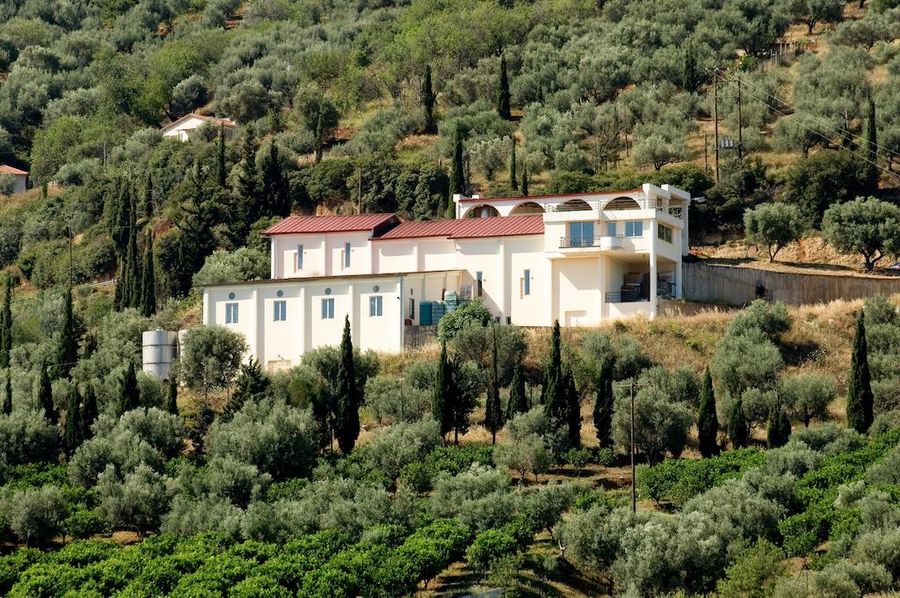
The vineyards and wines of Achaia are among Greece’s most historic, multifaceted, and fascinating wine-producing regions. Located in the northwestern Peloponnese, it uniquely combines the sea’s cooling influence with the dramatic topography of towering mountain ranges. This distinct ecosystem enables the production of an impressive portfolio of premium Greek wines, ranging from crisp, bone-dry whites to rich, complex, aged sweet reds.
The Unique Terroir of the Wines of Achaia
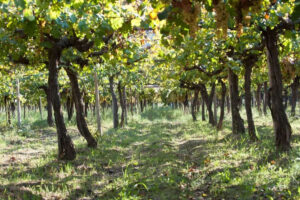
To understand the diversity of Wines of Achaia, one must explore the local climate. The Achaia wine region is naturally divided into two major climatic and geological zones:
- The Coastal and Hilly Zone: Located around the city of Patras and the low-lying plains. The climate here is typically Mediterranean, with mild winters and warm summers. However, maritime breezes from the Gulf of Patras balance these temperatures. The soils are predominantly clay loam and limestone, ideal for optimal grape maturity.
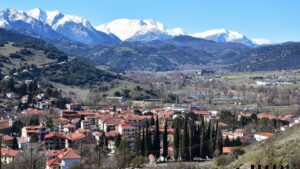
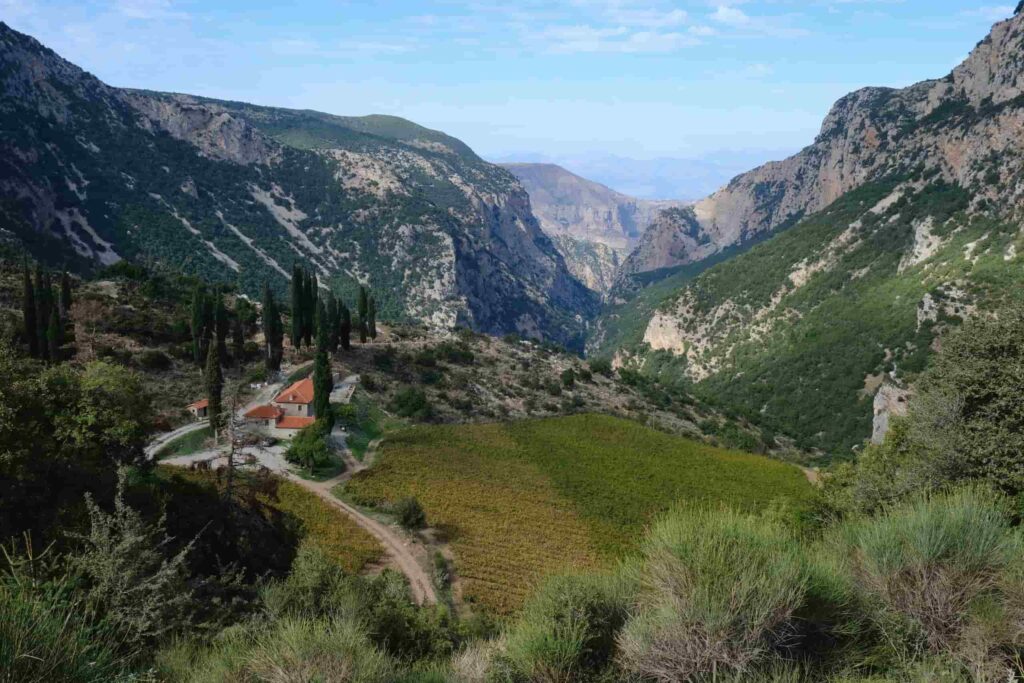
- The Mountainous and Semi-Mountainous Zone: Found primarily on the Slopes of Aigialeia and the rugged terrain around Kalavryta. This area hosts some of the highest vineyards in Europe, with altitudes ranging from 300 meters to over 1,000 meters. The steep slopes face north toward the Corinthian Gulf, trapping cool northern winds. A dramatic diurnal temperature variation (hot days, cold nights) slows down the ripening process, blessing the wines with high acidity, elegance, and intense aromatic complexity.
The 4 Official PDO (Protected Designation of Origin) Zones of the wines of Achaia
Achaia is one of the very few regions in Greece to boast four distinct PDO designations. Each zone represents a completely different style of traditional and modern winemaking:
1. PDO Mavrodaphne of Patras
This is the region’s most iconic fortified sweet red wine. It is crafted from the indigenous Mavrodaphne grape, often blended with Mavri Korinthiaki (Black Corinth). These wines undergo mandatory, prolonged ageing in oak barrels, often using a fractional blending system similar to the Solera method. The result is a dense, near-opaque dessert wine bursting with complex aromas of dried fruits (figs, raisins, prunes), chocolate, coffee, and sweet spices.
2. PDO Muscat of Patras
Dedicated entirely to the Muscat Blanc (White Muscat) grape, this zone covers the broader low-lying and semi-mountainous areas around Patras. It yields luscious, aromatic sweet white wines available in both naturally sweet and fortified styles. They are characterised by explosive aromas of exotic fruits, melon, rose petals, and citrus zest, balanced by a refreshing thread of acidity.
3. PDO Muscat of Rio Patras
A smaller, highly specialised sweet wine zone located specifically around the coastal area of Rio. While it uses the same Muscat Blanc grape as its neighbour, its immediate proximity to the sea and unique microclimate create a distinct profile. These coastal Muscat wines are widely considered to be airier, more delicate, and more intensely fragrant, often carrying a subtle, crisp maritime freshness.
4. PDO Patras
This is the region’s sole PDO zone dedicated exclusively to dry white wines. The undisputed star here is Roditis (specifically the premium, pink-skinned Roditis Alepou clone). When cultivated at high altitudes and under strictly controlled low yields, it produces dry white wines with a delicate body, vibrant acidity, and clean aromas of yellow-skinned fruits, citrus, and distinctive mineral undertones.
Indigenous Greek Grape Varieties with Distinct Character of the wines of Achaia
Beyond the strict PDO regulations, regional viticulturists have rescued and revitalised rare, local heirloom grapes. These are showcased primarily under the PGI Achaia (Protected Geographical Indication) classification:
- Sideritis: A late-ripening, iron-pink-skinned grape vinified as a white wine. It yields wines with a piercing, nervous acidity, low alcohol levels, and crisp aromas of green apple, pear, and mineral flint.
- Lagorthi: Another rare mountain white variety. It creates elegant, low-alcohol wines with an austere, fresh profile dominated by citrus blossom and herbal notes.
- Mavro Kalavrytino: A red variety that is rapidly gaining international attention. It produces medium-bodied red wines with soft tannins, high acidity, and bright red fruit flavours (sour cherry, cranberry) laced with wild herbs, drawing stylistic parallels to fine Burgundy.
Modern Trends in the Greek Wine Renaissance and the Wines of Achaia
Today, Achaia sits at the vanguard of the modern Greek wine renaissance. Wine growers in the region are heavily investing in sustainable practices and innovative styles:
- Organic and Biodynamic Viticulture: This thrives especially in high-altitude plots where natural conditions inherently minimise the need for vineyard interventions.
- Low-Intervention Winemaking: A rising movement toward “natural” wines, utilising wild indigenous yeasts and minimal sulfur additions to allow the purest possible expression of the terroir.
- Dry Expressions of Mavrodaphne: While PDO laws strictly dictate that Mavrodaphne must be sweet, many forward-thinking winemakers are producing exceptional, deeply complex dry red versions (classified as PGI). These dry Mavrodaphne wines are celebrated for their herbal, plum-forward, and savoury characteristics.