The Rugged Peninsula of Towers, History, and Tradition
Mani is a rugged, arid peninsula of Mt. Taygetos that sports tower-like houses. Mani Peninsula is one of the most distinctive and historically rich regions of Greece. Located in the southern Peloponnese and forming the central spine of the Mount Taygetos mountain range, Mani is a land of dramatic landscapes, stone-built tower houses, and deeply rooted traditions. With its wild beauty and strong sense of independence, Mani remains one of the most unique destinations in Greece.
Geography and Landscape of Mani
The Mani Peninsula stretches down to Cape Tenaro, the southernmost point of mainland Greece. It is divided into two main regions: the western or Messinian (often called “Shadowy Mani”), which faces the Messinian Gulf, and the eastern or Laconian (Prosiliaki Mani), which overlooks the Laconian Gulf.
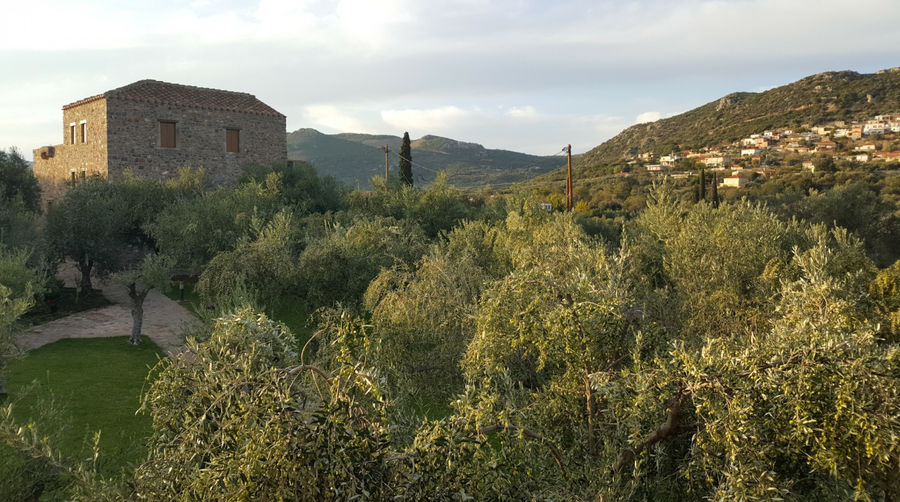
Mani is known for its rugged, arid, and rocky terrain. The landscape is shaped by centuries of wind, sun, and human settlement, creating a dramatic environment of stone villages, terraced hills, and barren mountains. Despite its harsh appearance, Mani has a unique natural beauty that reflects resilience and endurance. This isolation helped preserve its strong cultural identity over centuries.
History of Mani: From Byzantium to Independence
In the 13th century, Mani became part of the Despotate of the Morea, a semi-autonomous region of the Byzantine Empire based in Mystras. During this period, Mani maintained a degree of autonomy due to its difficult terrain and strong local clans.
After 1460, the region came under Ottoman control. However, Mani was never fully subdued. The Maniots, the fiercely independent inhabitants of the peninsula, frequently resisted Ottoman authority. Along with occasional Venetian alliances, they maintained a reputation for rebellion and resistance. During this time, Mani also became known for its feared pirates, who controlled parts of the coastline and challenged Ottoman naval power.
The Maniots played a crucial role in the beginning of the Greek War of Independence in 1821. Their strong warrior tradition, family clans, and fortified villages helped make Mani one of the first regions to rise against Ottoman rule.
Architecture and Tower Houses of Mani
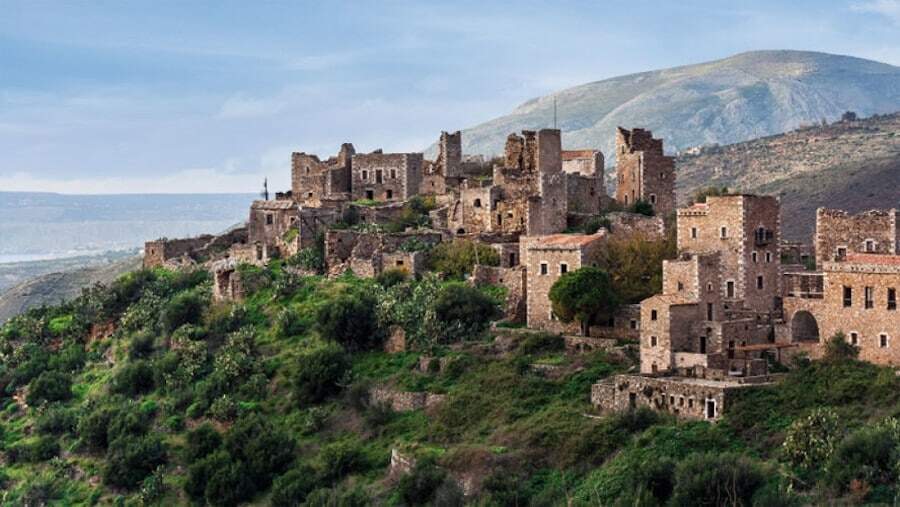
One of Mani’s most iconic features is its unique architecture. The region is famous for its stone tower houses, built by local families as defensive structures. These towers, often rising several stories high, were designed to protect against invasions and clan rivalries.
Today, it is estimated that Mani contains hundreds of traditional towers and fortified settlements. Villages such as Vathia and Areopoli showcase these impressive stone structures, blending seamlessly into the rocky landscape. The architecture of Mani reflects both its harsh environment and its long history of independence and conflict.
Cultural Heritage and Attractions
Mani is rich in historical landmarks, with a remarkable concentration of cultural sites. The region contains hundreds of Byzantine churches, ancient settlements, and cave systems that have been used as shelters for centuries. It is often said that Mani is an open-air museum of Greek history, with approximately 1,000 Byzantine churches and countless traditional villages.
Key attractions include the stone villages of Inner Mani, the caves of Diros, and the historic settlements scattered throughout both the eastern and western parts of the peninsula. Each site reflects different layers of Mani’s long and complex history.
Gastronomy of Mani: Traditional Greek Flavours
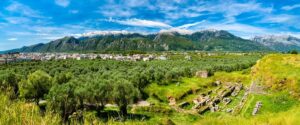
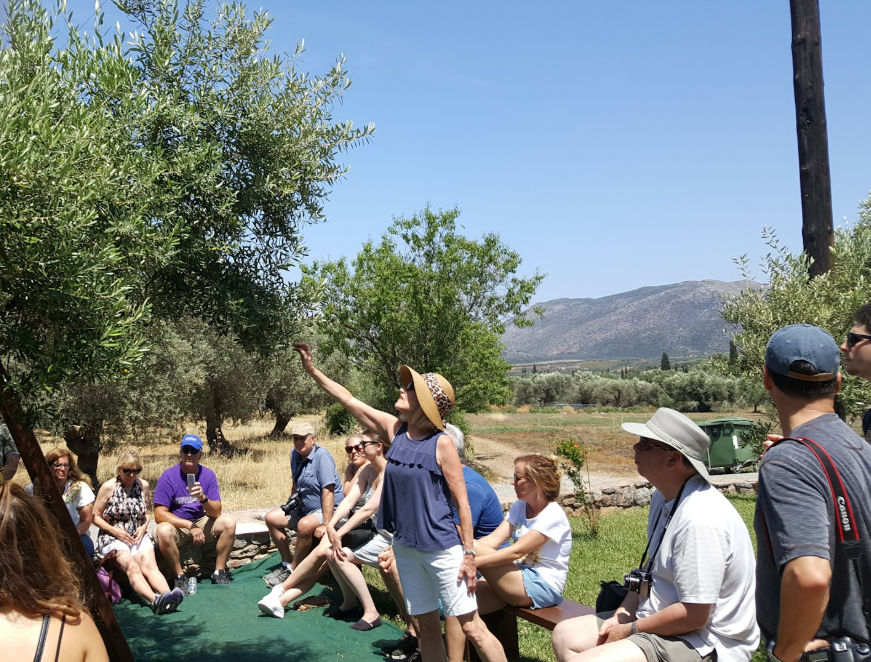
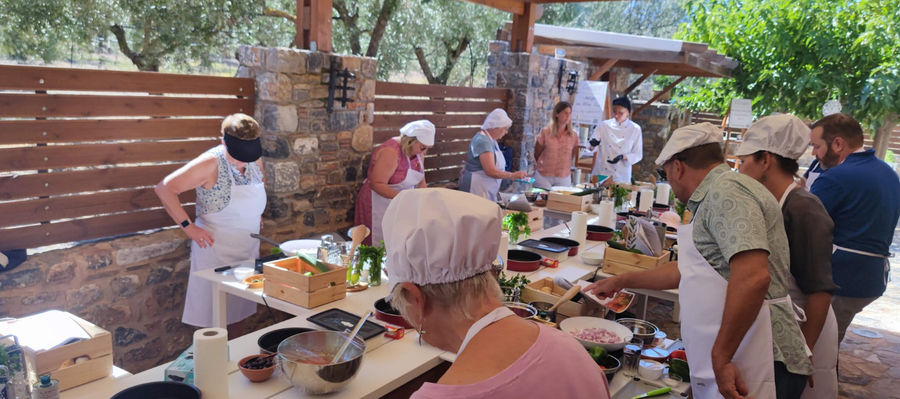
The cuisine of Mani reflects its rugged landscape and self-sufficient way of life. Local food is simple, hearty, and based on high-quality local ingredients. One of the region’s most important products is olive oil. Olive oil from Mani is considered among the best in Greece, thanks to the rocky soil, dry climate, and traditional cultivation methods.
Traditional Maniot dishes include singlino, smoked pork preserved and often cooked with citrus or herbs. Another popular speciality is lalangia, fried dough strips commonly served as a snack or for breakfast. Paspalas, a traditional dish made with pork and eggs, is another example of the region’s rustic cuisine.
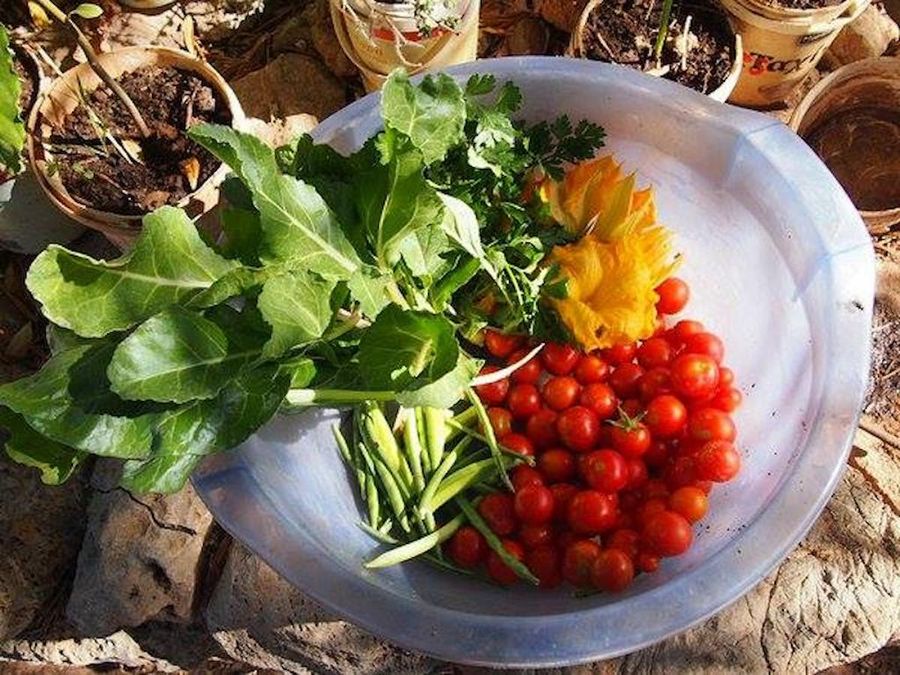
Local food also includes fresh vegetables, wild herbs, honey, and cheeses. Mani is known for its aromatic herbs, which grow naturally in the mountains and are widely used in cooking. The region also produces excellent honey and wine, both of which reflect the purity of the local environment.
Why Visit Mani
Today, Mani is one of the most fascinating travel destinations in the Peloponnese. Visitors come to explore its dramatic landscapes, historic tower villages, Byzantine churches, and crystal-clear coastline. The region offers a rare combination of natural beauty, cultural heritage, and authentic Greek tradition.
From the stone-built villages of the mountains to the coastal settlements overlooking the deep blue Mediterranean Sea, Mani offers a travel experience unlike any other in Greece. It is a place where history, architecture, and nature come together to tell the story of a proud and independent people.
For travellers seeking authenticity, history, and raw natural beauty, Mani remains one of the most unforgettable regions in Greece.