Peloponnese Food Guide: Traditional Cuisine, Local Products & Wine Experiences
The Peloponnese is one of Greece’s finest culinary destinations, where ancient traditions, fertile landscapes, and genuine hospitality come together. Renowned since antiquity for its vineyards of Nemea, Achaia and Laconia, olive groves of Messinia, and Laconia aromatic herbs and vineyards of Arcadia, citrus orchards of Argolis, and produce of Corinthia and Ilia, the region remains a paradise for food lovers. From mountain villages to picturesque fishing harbours, every corner of the peninsula celebrates local ingredients and recipes passed down through generations.
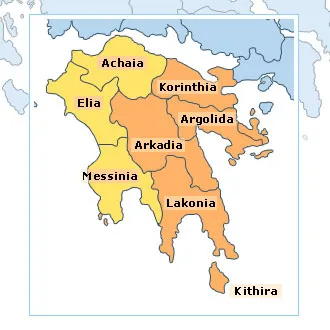
Whether you are enjoying a leisurely meal in a family-run taverna, joining an olive oil tasting, exploring boutique wineries, or taking a traditional cooking class, the Peloponnese offers one of Greece’s most authentic gastronomic experiences.
Why Visit the Peloponnese for Food?
The Peloponnese’s remarkable diversity—fertile plains, rugged mountains, extensive vineyards, olive groves, forests, and over 1,000 kilometres of coastline—creates ideal conditions for exceptional produce. Its Mediterranean climate supports year-round agriculture, while traditional farming methods help preserve the quality and authenticity of local products.
The region is particularly famous for:
- Award-winning extra virgin olive oil
- Kalamata olives
- Premium wines
- PDO cheeses, including Sfela
- Fresh seafood and fish
- Citrus fruits and aromatic herbs
- Honey and traditional spoon sweets
- Handmade pasta and pies
- Cured meats and artisanal delicacies
Many restaurants and tavernas embrace the farm-to-table philosophy, sourcing ingredients directly from nearby farms, vineyards, fisheries, and family producers.
Olive Oil, Wine & Honey: The Flavours of the Peloponnesian Landscape
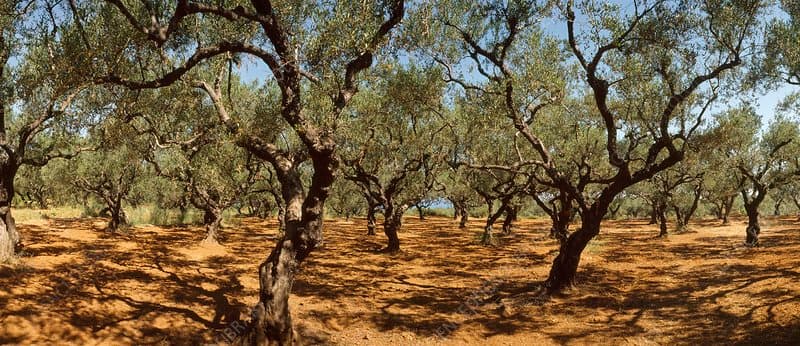
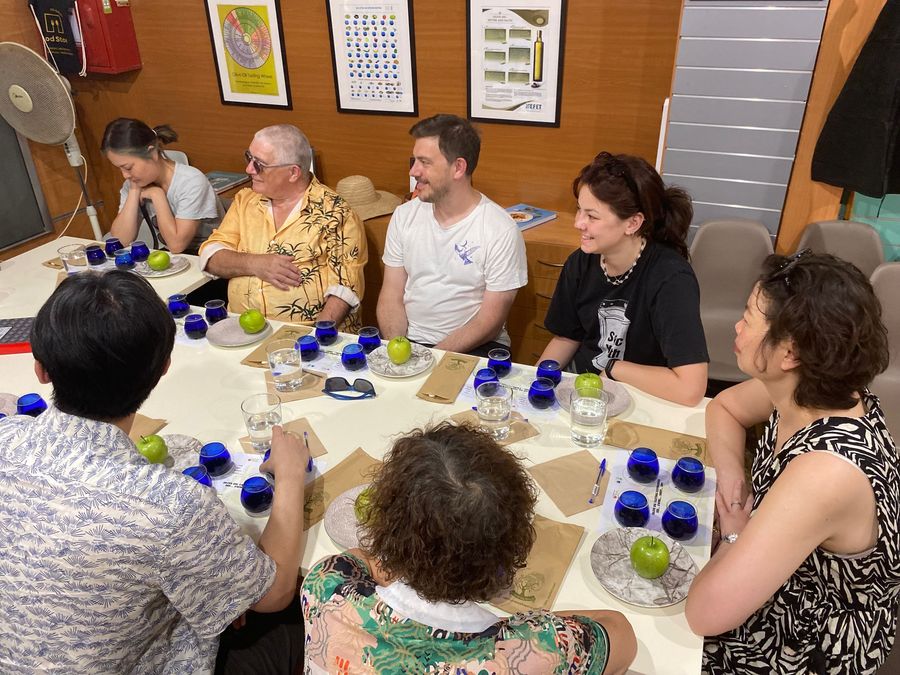
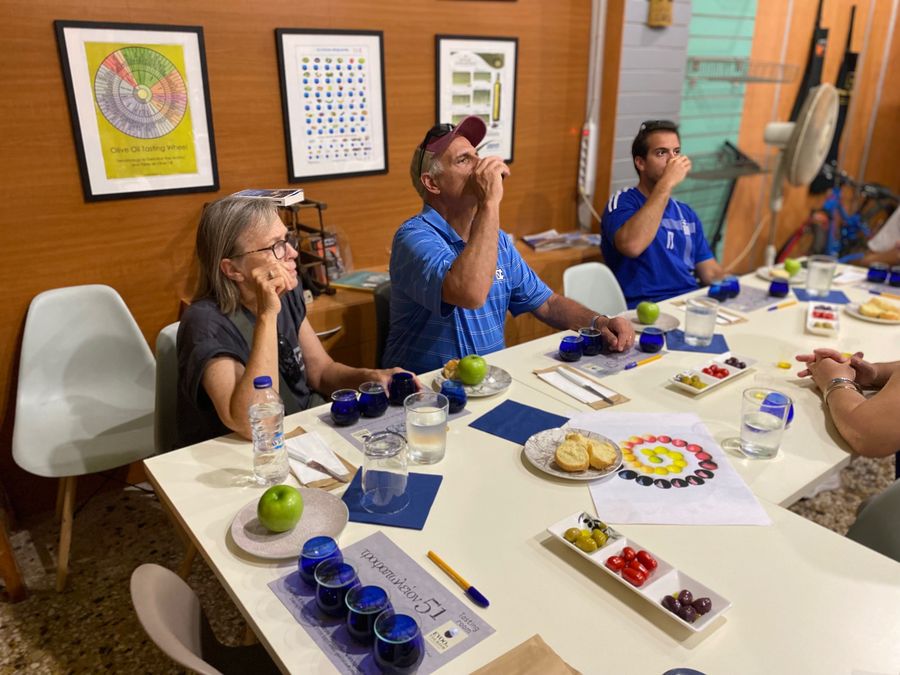
Olive oil is the foundation of Peloponnesian cuisine. The region produces some of Greece’s finest extra virgin olive oils, with Messinia internationally recognised for its rich, fruity oils and the famous Kalamata olive. Laconia, particularly the Mani Peninsula, is known for producing robust, peppery olive oils with exceptional quality, while olive groves across Argolis and Arcadia contribute their own distinctive flavours.
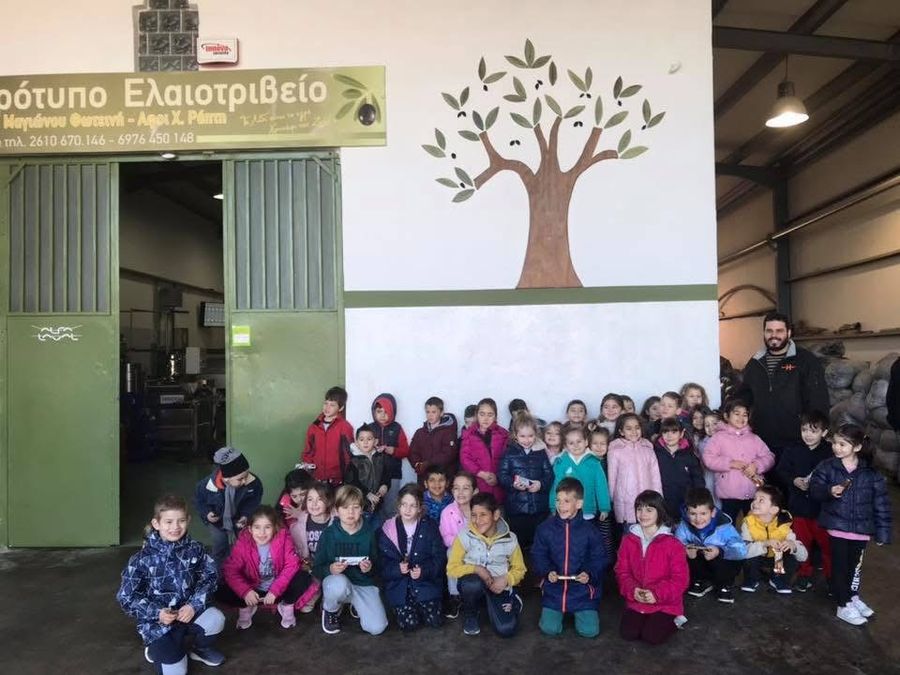
Visitors can tour traditional olive mills, walk through centuries-old groves, and even participate in the olive harvest between October and January before tasting freshly pressed oil.
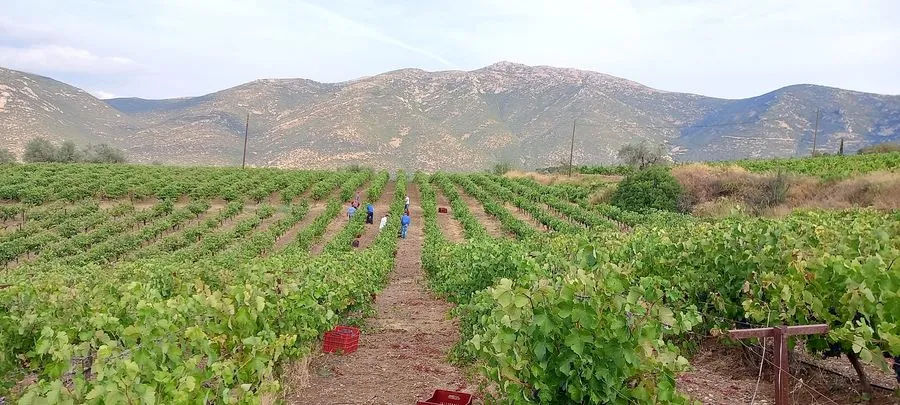
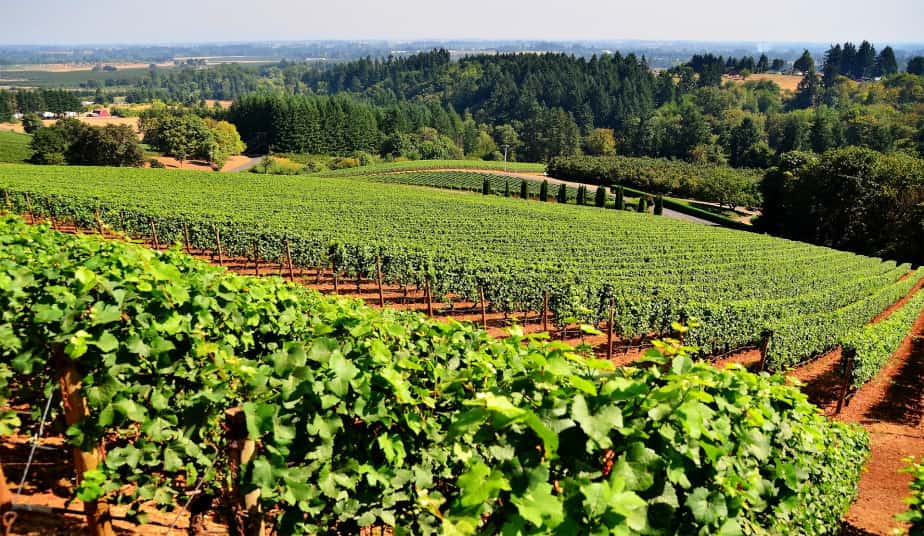
Wine has flourished in the Peloponnese since ancient times, and today it is Greece’s largest wine-producing region. Nemea is celebrated for the elegant Agiorgitiko grape, which produces rich reds with notes of cherry, plum, and spice, as well as soft tannins. On the Arcadian plateau, Mantinia is famous for aromatic Moschofilero, a crisp white wine with floral and citrus aromas.
Further south, Laconia has emerged as an exciting wine destination centred around historic Monemvasia, producing excellent wines from indigenous varieties such as Monemvasia, Kidonitsa, and Mavroudi, alongside carefully selected international grapes. In Achaia, visitors can sample the iconic sweet Mavrodaphne wine, refreshing Roditis whites, and the traditional cinnamon and clove-flavoured Tentoura liqueur.
Alongside olive oil and wine, Peloponnesian honey is another treasured product that reflects the diversity of the region’s landscapes. The mountains, forests, and wild countryside provide ideal conditions for beekeeping, with thyme, pine, heather, and wildflowers creating distinctive varieties of Greek honey. Thyme honey from Mani and the Taygetos mountains is prized for its intense aroma and herbal character, while fir honey from Arcadia is a rare delicacy with a rich, woody flavour and smooth texture.
Honey plays an important role in traditional Greek cuisine and is enjoyed with yoghurt, local cheeses, fresh bread, pastries, and spoon sweets. Visitors can explore local apiaries, meet beekeepers, and taste different varieties to discover how the surrounding landscape influences each flavour. Together with olive oil and wine, honey represents the Peloponnese’s deep connection between nature, tradition, and gastronomy.
Regional Flavours from the Gastronomy of the Peloponnese
Every region of the Peloponnese has its own culinary identity shaped by geography, climate, and local traditions.
Messinia is synonymous with Kalamata olives, premium olive oil, lalangia (fried dough strips), dried figs, and tender roast suckling pig. Its fertile plains and coastal villages produce some of Greece’s most celebrated agricultural products.
Must-Try Dishes:
- Kalamata Olives: The benchmark for all table olives—meaty, smoky, and briny.
- Sykotaria: A unique delicacy of figs stuffed with walnuts and cloves, sun-dried and preserved.
- Lalangia: Simple, twisted dough ribbons, deep-fried and sprinkled with sesame or honey, a beloved street food, especially during Christmas.
- Traditional suckling pig: A traditional dish, known for its crispy skin and juicy, tender meat.
Laconia combines mountain and coastal flavours, offering smoked Singlino, salty Sfela cheese, Mani salad, fresh oranges, excellent olive oil, and distinctive wines from the Monemvasia area.
- Must-Try Dishes:
- Olive Oil from Laconia: Intense, green, and peppery.
- Maniotiki Pikantiki: A fierce and famous salad from Mani, made with sfela (a salty local cheese), cured pork (syglino), and green peppers.
- Singlino: The signature cured meat of Mani—pork marinated with orange peel and spices, smoked over aromatic woods, and preserved in its own fat. An authentic taste of history.
- Regali: A “royal” soup from Mani, made with lamb or goat offal and greens, symbolising nose-to-tail eating.
Arcadia, in the mountainous heart of the peninsula, is known for Tsakonian eggplants, slow-roasted lamb and goat, handmade pies filled with wild greens or local cheeses, mushrooms, chestnuts, and aromatic mountain herbs.
Must-Try Dishes:
- Must-Try Dishes:
- Tsakonian Eggplant: A unique, long and sweet eggplant with PDO status, perfect for grilling or in Imam Baildi (a classic stuffed eggplant dish).
- Grilled Lamb and Goat: Roasted over open fires, seasoned with nothing but salt, oregano, and lemon.
- Arcadia’s Pies: Look for hortopita (wild greens pie) and triftopita (goat cheese pie), made with thin, flaky filo pastry.
Argolis produces some of Greece’s sweetest oranges, along with handmade Goglies pasta, fresh seafood, and traditional baked fish dishes that reflect its coastal location.
Must-Try Dishes:
Oranges: Juicy oranges from the Argos plain, prized for their sweetness and vibrant aroma.
Goglies: Handmade pasta, similar to small dumplings, often served with tomato sauce or local cheese.
Psari Plaki: Oven-baked fish with tomatoes, olive oil, garlic, and herbs—a classic coastal dish full of Mediterranean flavour.
Corinthia is famous for its world-renowned Corinthian raisins, vineyards, handmade pasta, and seasonal vegetables, while Achaia blends excellent wines with coastal cuisine, featuring Mavrodaphne, Tentoura, Bakaliaros Skordalia, and fresh fish from the Gulf of Patras.
Must-Try Dishes:
Corinthian Raisins (Stafida): Sweet, sun-dried grapes, a historic export and key ingredient in both savoury and sweet dishes.
Soutzoukakia Smyrneika: Spiced meatballs in rich tomato sauce, reflecting the influence of Asia Minor refugees in the area.
Giolemia: Handmade pasta, often served with goat or lamb, highlighting the region’s pastoral heritage.
In Ilia, home to Ancient Olympia, visitors can enjoy grilled Ionian seafood, hilopites with chicken, local vegetables, and excellent olive oil produced in the fertile plains.
Must-Try Dishes:
Fresh Grilled Fish from the Ionian: Simply seasoned and charcoal-grilled, highlighting the freshness of Ilia’s coastal waters.
Hilopites with Chicken: Handmade egg pasta cooked with tender chicken in a light tomato or broth-based sauce, showcasing the region’s rustic comfort food.
Lalangia (Fried Dough Strips): Golden, crispy dough snacks often served with cheese or honey, perfect as a meze or breakfast treat.
Protected Designation of Origin (PDO) and Protected Geographical Indication (PGI) products:
| Product | Designation of Origin or Geographical indication | Prefecture |
| Olive oil | Krokees (PDO) | Laconia |
| Olive oil | Petrina (PDO) | Laconia |
| Olive oil | Foiniki (PDO) | Laconia |
| Olive oil | Laconia (PDO) | Laconia |
| Olive oil | Olympia (PDO) | Ilia |
| Olive oil | Kranidi (PDO) | Argolis |
| Olive oil | Lygourio (PDO) | Argolis |
| Olive oil | Kalamata (PDO) | Messinia |
| Olives | Kalamata (PDO) | Messinia |
| Fruits and vegetables | Tsakoniki eggplant of Leonidio (PDO) | Arcadia |
| Fruits and vegetables | Apples delicious of Pilafa (PDO) | Arcadia |
| Fruits and vegetables | Vanilla beans of Feneos (PGI) | Corinthia |
| Fruits and vegetables | Fava of Feneos (PGI) | Corinthia |
| Fruits and vegetables | Artichoke Irion (PGI) | Argolis |
| Fruits and vegetables | Corinthian raisins (PGI) | Achaia |
| Fruits and vegetables | Raisins of Ilia (PGI) | Ilia |
| Cheese | Feta (PDO) | Messinia, Laconia, Arcadia, Argolis, Ilia, Corinthia, Achaia |
| Cheese | Sfela (PDO) | Messinia, Laconia |
| Other animal origins | Fir honey of Menalo (PDO) | Arcadia |
| Other animal origins | Patras (PDO) | Achaia |
| Wine | Patras (PDO) | Achaia |
| Wine | Nemea (PDO) | Corinthia |
| Wine | Monembasia-Malvasia (PDO) | Laconia |
| Wine | Muscat of Patras (PDO) | Achaia |
| Wine | Muscat of Rio / Patras (PDO) | Achaia |
| Wine | Mavrodaphne of Patras (PDO) | Achaia |
| Wine | Mantinia (PDO) | Arcadia |
| Wine | Arkadia (PDO) | Arcadia |
| Wine | Peloponnissos (PGI) | Peloponnese |
| Wine | Argolis (PGI) | Argolis |
| Wine | Achaia (PGI) | Achaia |
| Wine | Ilia (PGI) | Ilia |
| Wine | Korinthia (PGI) | Corinthia |
| Wine | Lakonia (PGI) | Laconia |
| Wine | Messinia (PGI) | Messinia |
| Wine | Klimenti (PGI) | Corinthia |
| Wine | Letrina (PGI) | Ilia |
| Wine | Pisatis (PGI) | Ilia |
| Wine | Slopes of Aegialia (PGI) | Achaia |
| Wine | Slopes of Petrotou (PGI) | Achaia |
| Wine | Pylia (PGI) | Messinia |
| Wine | Tegea (PGI) | Arcadia |
| Wine | Triffilia (PGI) | Messinia |