
A Land of Wine, History & Food Tours in the Peloponnese
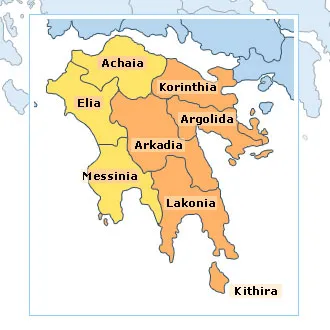
Achaia, located in the northwestern Peloponnese, is a region where vibrant urban life, deep-rooted history, and rich gastronomy come together in a uniquely dynamic way. Stretching along the Gulf of Corinth and extending into the mountainous inland landscapes, Achaia has long been a crossroads of trade, culture, and agriculture. Today, it stands out as a leading destination for food tours in Greece and culinary tourism in the Peloponnese, offering visitors an authentic experience shaped by tradition, local ingredients, and a strong cultural identity.
Achaia is one of the most important regional units of Western Greece, with Patras as its capital, serving as a major gateway to Western Europe. A key factor in the region’s development and connectivity is the Rio–Antirrio Bridge (“Charilaos Trikoupis”), which links the Peloponnese with Aetolia-Acarnania, facilitating the movement of people and goods. This remarkable engineering achievement has significantly strengthened the economic, commercial, and tourism development of Achaia, establishing the region as a major transportation and development hub in Greece.
A Region with Deep Historical Roots
Its history dates back to prehistoric times, but it gained particular importance during antiquity as part of the powerful Achaean League. This alliance of city-states played a key role in shaping early political systems and regional cooperation in ancient Greece.
During the Roman period, the region flourished further, with Patras emerging as a major urban and commercial centre. Today, Patras remains one of Greece’s most important cities and serves as a vital port linking the country to Italy and Western Europe. Its strategic position has helped maintain Achaia’s importance throughout the centuries.
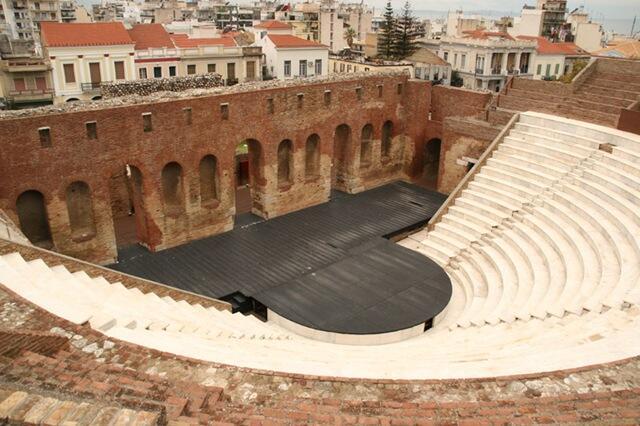
The city is home to significant cultural landmarks, including the Roman Odeon of Patras, a well-preserved structure still used for performances today, and the impressive Cathedral of Saint Andrew, one of the largest churches in the Balkans. These sites highlight the region’s continuous cultural and religious significance, making it an essential destination for those interested in both ancient and modern Greek heritage.
A Land of Agricultural Richness
Achaia’s varied geography—combining coastal areas, fertile plains, and mountainous terrain—creates ideal conditions for agriculture. The region benefits from a Mediterranean climate with abundant sunshine and balanced rainfall, allowing for the cultivation of a wide variety of high-quality products that define local cuisine.
Olive groves stretch across much of the landscape, producing olive oil that is central to everyday cooking and a key element of the Mediterranean diet. The fertile plains yield citrus fruits, vegetables, and grains, while the hillsides are covered with vineyards that support the region’s strong winemaking tradition.
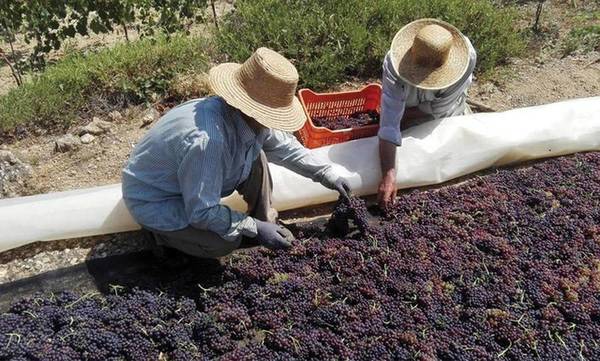
The region is also known for producing currants, specifically the small, dark Corinthian raisins that have historically been one of Greece’s most important export products. These raisins are widely used in traditional recipes, from breads and pastries to savoury dishes, adding a distinctive regional character to the local gastronomy.
Traditional Flavours and Culinary Identity of Achaia
The cuisine of Achaia reflects a harmonious blend of coastal and inland influences. It is characterised by simplicity, seasonality, and a deep respect for local ingredients. During food tours in Achaia, visitors can explore authentic dishes that reflect both the region’s agricultural heritage and its proximity to the sea.
Some of the most representative traditional flavours include:
- Fresh fish and seafood from the Gulf of Corinth, typically grilled or lightly seasoned to highlight natural flavours
- Slow-cooked meat dishes, including lamb and goat, are prepared with herbs and olive oil
- Legume-based meals such as lentils, beans, and chickpeas are rooted in traditional rural diets
- Wild greens and seasonal vegetables are used in salads and cooked dishes
- Traditional pies (pites) filled with cheese, greens, or other local ingredients
- Handmade bread and grain-based dishes prepared using time-honoured methods
- Local cheeses and dairy products from mountainous areas
- Desserts made with currants, citrus fruits, honey, and nuts
These dishes reflect the essence of Peloponnesian cuisine, where authenticity and simplicity are central to the culinary experience.
Wine Heritage and Gastronomic Experiences
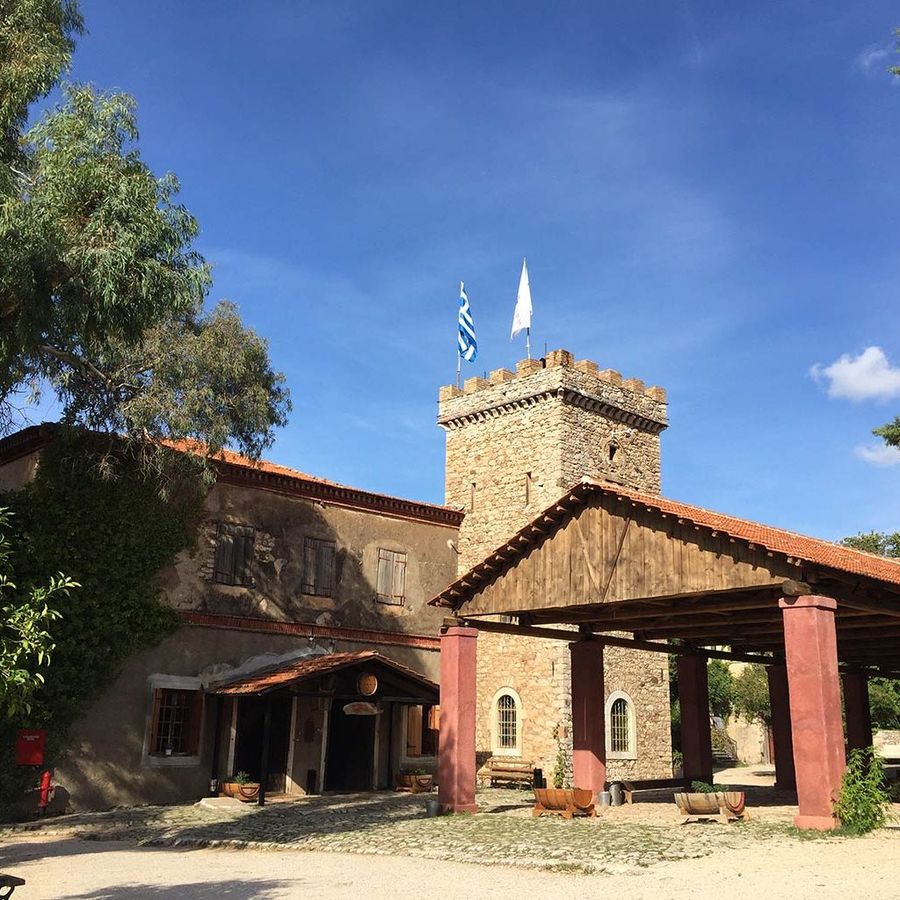
It is one of Greece’s most historically significant wine regions, with a tradition that dates back centuries. The area around Patras is especially known for producing distinctive wines, including the famous Mavrodaphne. This sweet red wine, with its rich aroma and deep flavour, has become one of the region’s most recognisable products.
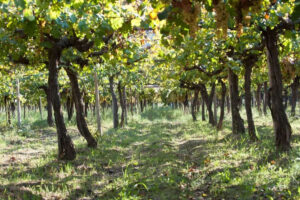
The vineyards and wines of Achaia are among Greece’s most historic, multifaceted, and fascinating wine-producing regions. Located in the northwestern Peloponnese, it uniquely combines the cooling influence of the sea with the dramatic topography of towering mountain ranges. This distinct ecosystem enables the production of an impressive portfolio of premium Greek wines, ranging from crisp, bone-dry whites to rich, complex, aged sweet reds.
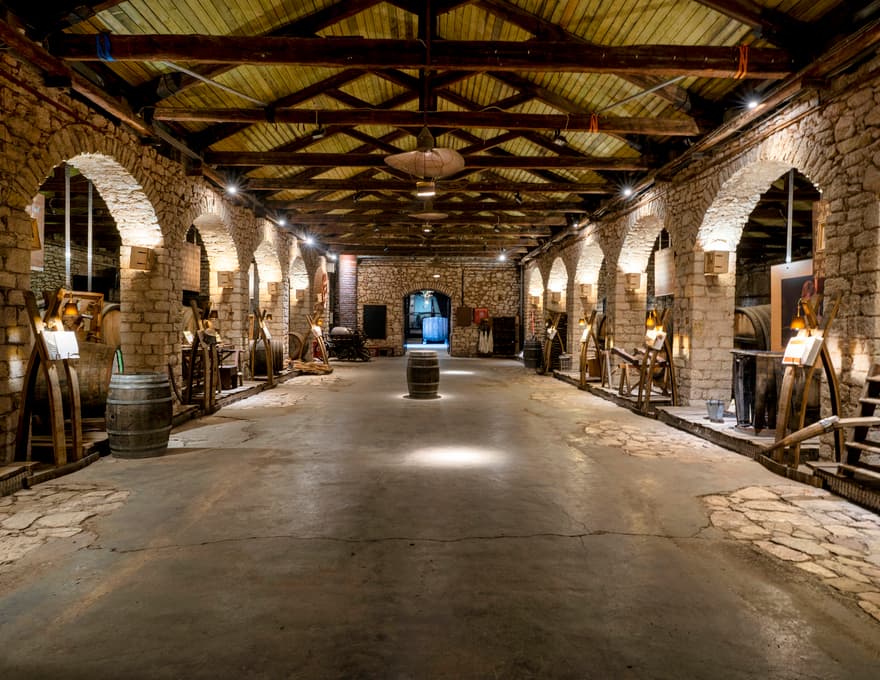
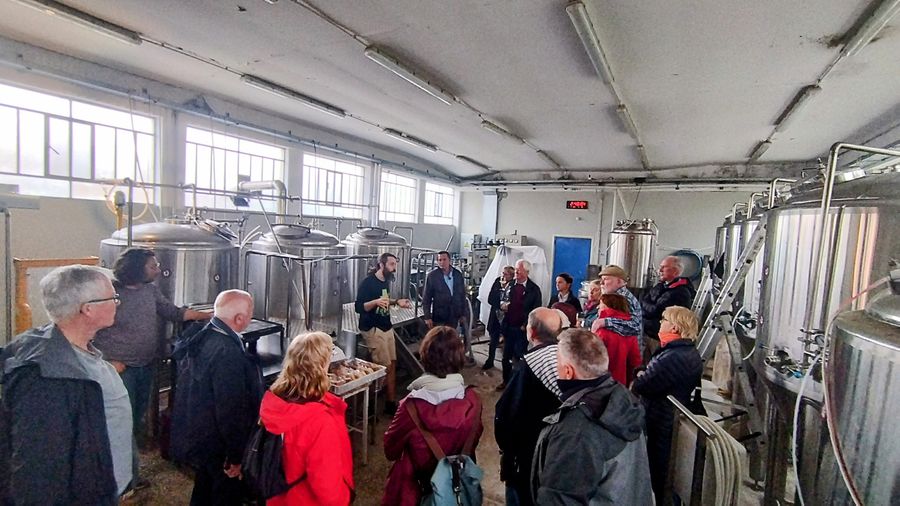
Wine tourism plays a central role in the region’s gastronomic identity. Visitors can participate in vineyard tours, guided tastings, and food pairings that combine local wines with traditional dishes. These experiences offer a deeper understanding of how agriculture, culture, and cuisine are interconnected in Achaia.
Modern Achaia blends tradition with a vibrant contemporary lifestyle. The city of Patras is widely known for hosting the Patras Carnival, one of the largest and most colourful festivals in Europe. This event reflects the region’s lively spirit and cultural creativity, attracting visitors from across the world.

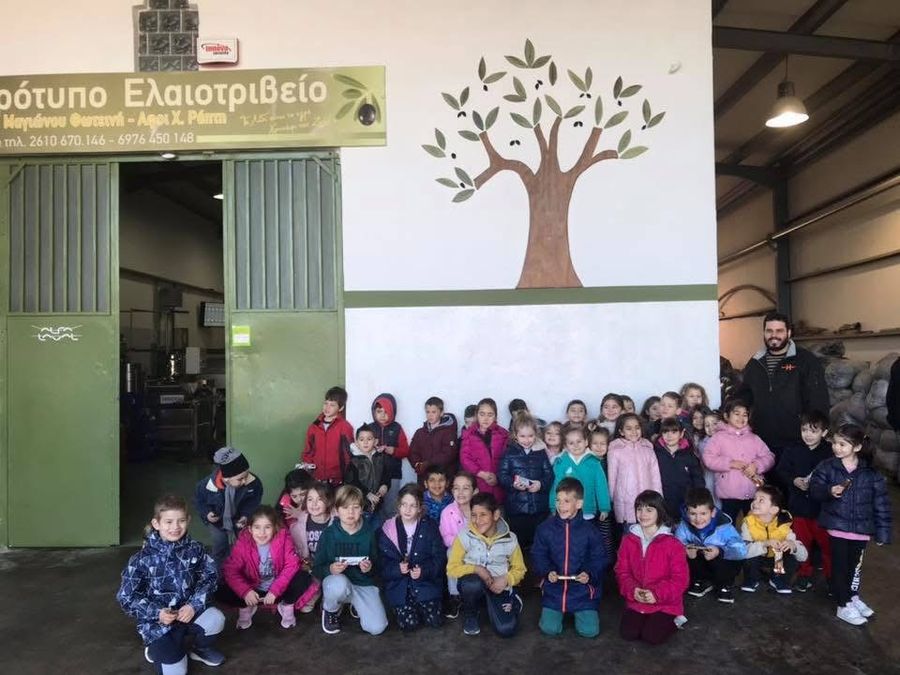
Beyond the urban centre, Achaia offers a wide range of experiences for travellers seeking authenticity. Coastal villages offer seaside dining and fresh seafood, while inland areas invite exploration of vineyards, olive groves, and traditional farms. Activities such as olive oil tastings, cooking classes, and farm visits allow visitors to engage directly with local traditions and producers.
Achaia is more than just a travel destination—it is a living cultural landscape where history, gastronomy, and everyday life are deeply intertwined. For those exploring the Peloponnese, it offers a complete and immersive journey through Greek heritage, flavours, and traditions, making it an essential stop for food lovers and cultural travellers alike.