History, Wine Regions, Culture & Gastronomy
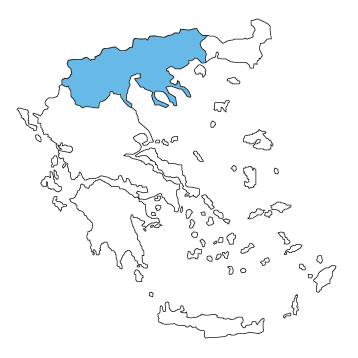
One of Greece’s most historically important and geographically diverse regions, stretching from the shores of the Aegean Sea to the mountainous Balkan interior. A land shaped by ancient kingdoms, Byzantine heritage, Ottoman influences, and vibrant local traditions, Macedonia combines history, nature, wine culture, and gastronomy into a uniquely rich cultural identity.
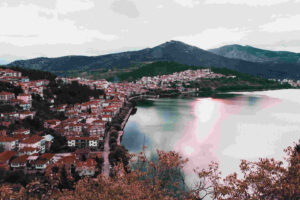
From Thessaloniki and the vineyards of Naoussa to the lakes of Kastoria and the slopes of Mount Olympus, it is defined by remarkable diversity in both landscape and tradition.
To the east, in Chalkidiki, lies Mount Athos, the autonomous monastic republic home to twenty Orthodox monasteries, many of which have been continuously inhabited for nearly a thousand years. The region is also home to the Petralona Cave, where important evidence of early human habitation was discovered, including a prehistoric skull estimated at 300,000 to 400,000 years old.
Historical Legacy
It rose to global prominence as the heart of the ancient Macedonian kingdom under Philip II and his son, Alexander the Great. Important archaeological sites such as Vergina, Dion, Pella, and Amphipolis preserve the legacy of this influential civilisation through royal tombs, temples, mosaics, and monumental architecture.
During the Byzantine and Ottoman periods, Macedonia evolved into a multicultural crossroads shaped by Greeks, Jews, Slavs, Turks, and Balkan communities, creating the layered cultural identity that continues to define the region today.
Refugee Heritage and Gastronomic Identity
One of the most significant demographic transformations occurred after the 1923 population exchange between Greece and Turkey following the Asia Minor Catastrophe. Hundreds of thousands of Greek refugees from Asia Minor, Pontus, and Eastern Thrace settled across northern Greece, profoundly reshaping the social and cultural landscape.
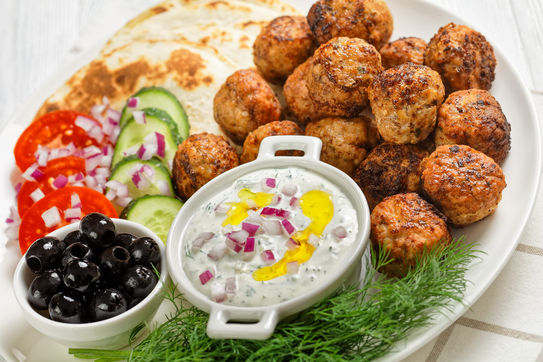
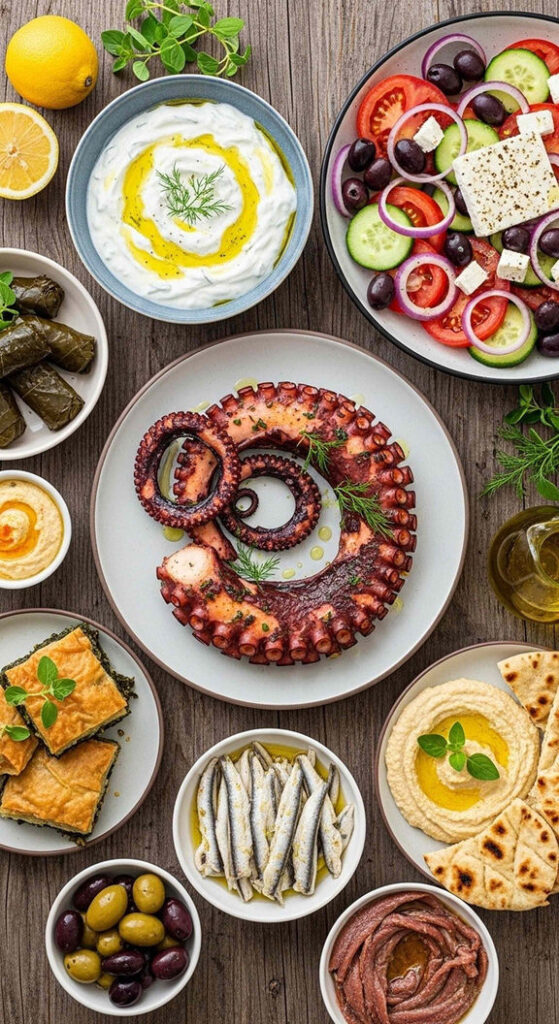
These refugee communities introduced new culinary traditions, spices, pastry-making techniques, slow-cooked dishes, sweets, and urban food culture that blended with Macedonia’s rural cooking traditions. This fusion became central to the region’s modern gastronomy, particularly in Thessaloniki, where refugee influence still defines bakery culture, meze traditions, and everyday cuisine.
Today, local cuisine is considered among the richest in Greece, characterised by bold flavours and featuring local ingredients such as olive oil, wine, herbs, legumes, meats, seafood, and dairy products, and is deeply connected to local agricultural production.
Wine Regions
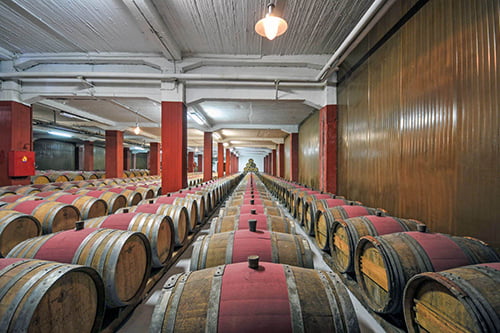
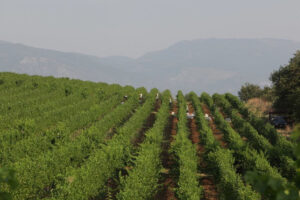
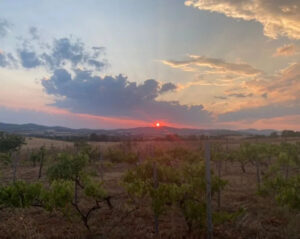
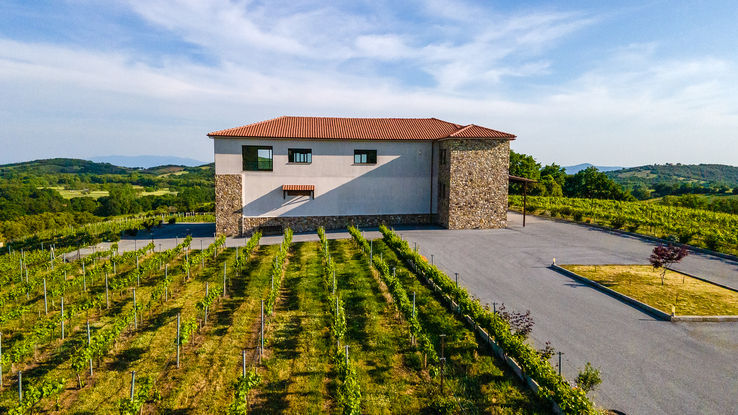
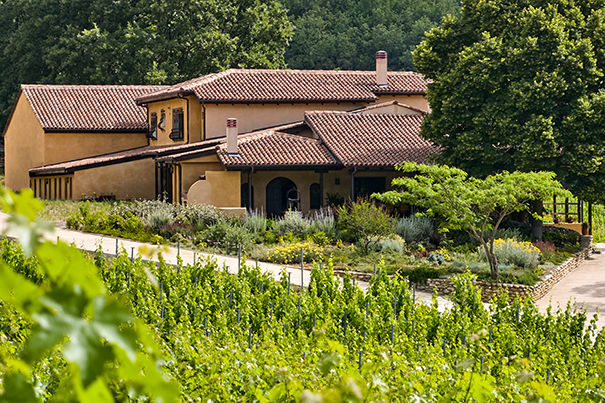
Macedonia is also one of Greece’s leading wine-producing regions. Areas such as Naoussa, Amyntaio, and Goumenissa are internationally recognised for producing Xinomavro wines, one of Greece’s most important indigenous grape varieties.
Further east, Drama and Chalkidiki have emerged as dynamic wine destinations combining modern wineries with long viticultural traditions and Mediterranean coastal terroir.
Orchards and Fruit Production
The plains of Imathia and Pella are among Greece’s major fruit-producing areas. Peaches, cherries, apples, kiwis, and grapes are widely cultivated, while spring peach blossoms create one of the region’s most iconic landscapes.
Fruit production also supports local traditions of spoon sweets, jams, and preserves prepared with seasonal ingredients.
Dairy, Olive Oil and Honey
Mountain communities continue strong cheesemaking traditions, producing feta, kaseri, manouri, and other regional cheeses from sheep and goat milk.
In Chalkidiki and surrounding areas, olive groves produce high-quality olive oil and the famous Chalkidiki olives. The region is also known for honey, aromatic herbs, oregano, mountain tea, and thyme gathered from its diverse natural landscapes.
Gastronomy and Local Identity
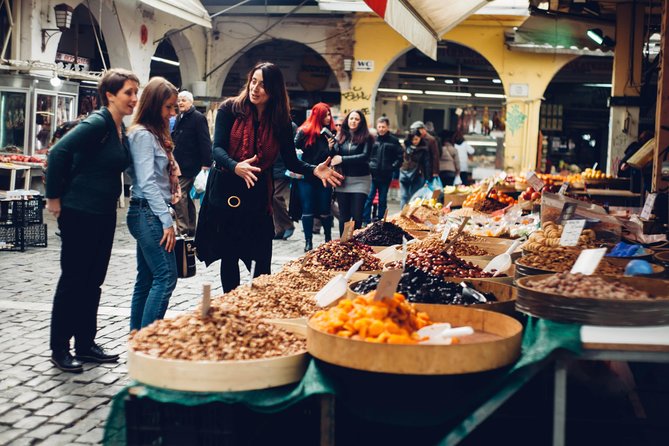
Farmers’ markets, wineries, cooperatives, and small family businesses preserve the authentic flavours of Central Macedonia. Through wine, cheese, olive oil, fruit, seafood, and traditional products, local producers continue to safeguard the region’s culinary heritage and cultural identity.
A Destination for Every Season
Throughout the year, the region offers extraordinary seasonal diversity. Spring transforms the plains with blooming orchards; summer combines mountain escapes with Aegean beaches; autumn celebrates grape harvests and wine production; while winter covers mountain landscapes in snow.
Combining ancient heritage, multicultural history, renowned wine regions, spectacular landscapes, and authentic gastronomy, it remains one of Greece’s most fascinating and rewarding destinations for cultural and culinary tourism.