A Vibrant Blend of History and Modernity
Located in Northern Greece, Thessaloniki is the country’s second-largest city and one of its most important cultural and culinary hubs. Overlooking the Thermaic Gulf, Thessaloniki has long been a crossroads of civilisations—from Hellenistic and Roman times to Byzantine and Ottoman periods—each leaving a lasting imprint on its identity and cuisine.
Today, the city is widely regarded as Greece’s gastronomic capital. Its vibrant food scene combines traditional recipes with urban creativity, while daily life revolves around markets, bakeries, tavernas, and cafés. On a Thessaloniki food tour, visitors explore a rich culinary landscape shaped by history, migration, and a deep-rooted love of food.
Founded in 316 BCE by Cassander, one of Alexander the Great’s generals, Thessaloniki remained a thriving Hellenistic city until the era of Ottoman rule. Taking advantage of its strategic position, it developed into a multicultural city. In the 2nd century BCE, it was conquered by the Romans and was the seat of the province of Macedonia. The Egnatia Highway, completed in 120 BCE, connected Constantinople to today’s Albanian town of Durres, becoming the most important connector of East and West and one of the ancient world’s largest military and commercial roads.
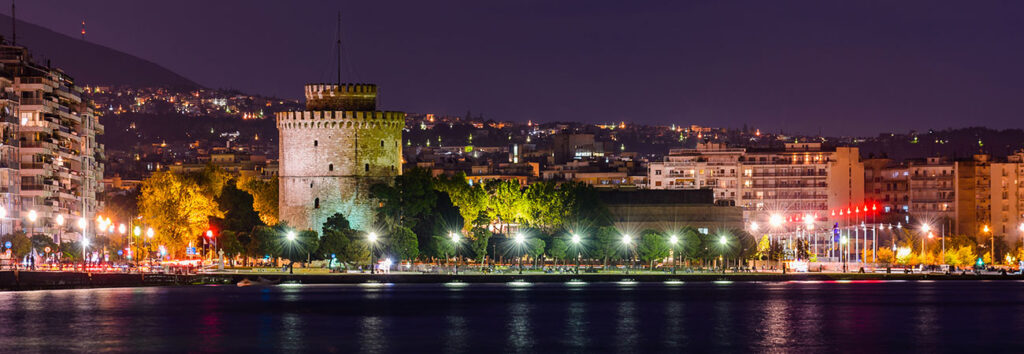
In the Byzantine era, Thessaloniki was the Empire’s second most important city after Constantinople and was conquered by the Ottoman Empire in 1432 and remained under its control for nearly five centuries. In 1492, it witnessed the arrival of the Jews who were expelled from the Iberian peninsula, producing a thriving Jewish community, which the Nazis decimated during WWII. Since becoming part of the modern Greek state in 1912, it has been Greece’s second most populous city.
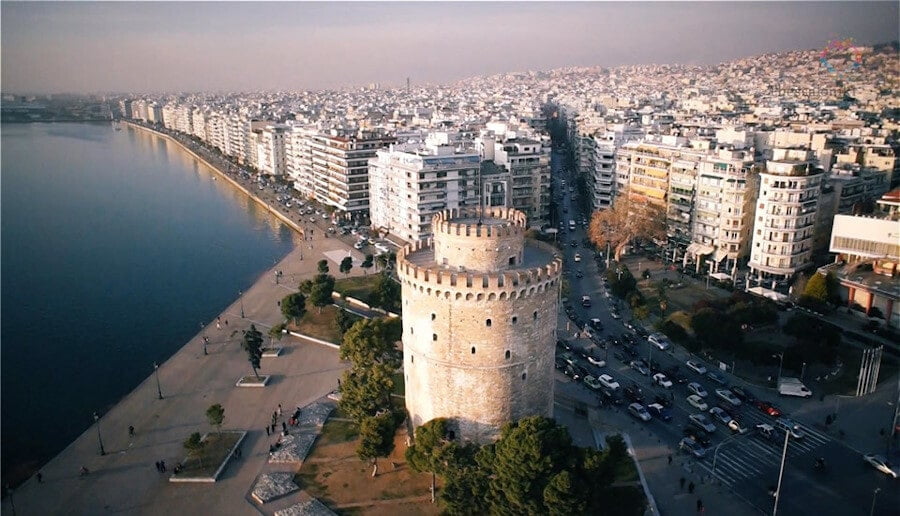
The city has monuments from its entire history, symbolised by the White Tower, a 15th-century Ottoman work. Other significant monuments include the Roman Agora (forum), the Arch of Galerius in Kamara, Emperor Galerius’ mausoleum (The Rotunda – St. George), the Church of St. Demetrios, the city walls, and numerous Byzantine churches. The city is also notable for its museums. In 2005, the Museum of Byzantine Culture was awarded the Council of Europe’s Museum Prize. Mustafa Kemal Atatürk, the founder of the modern secular Turkish state, was born in Thessaloniki in 1881 in a house on Apostolou Pavlou Street, directly behind the Turkish consulate. Today, it is a museum dedicated to his life.
What Makes Thessaloniki a Unique Culinary Destination
A Crossroads of Cultures
Thessaloniki’s cuisine reflects influences from Asia Minor, Pontus, the Balkans, and the Eastern Mediterranean. The arrival of refugees in the early 20th century significantly shaped the city’s food culture, introducing spices, techniques, and recipes that remain central today.
Urban Food Culture
Unlike rural destinations, Thessaloniki offers a dynamic urban gastronomy. From street food and traditional bakeries to modern restaurants, the city blends everyday comfort food with contemporary culinary trends.
Strong Market Tradition
Local food culture is closely tied to open markets and small speciality shops. Fresh ingredients, seasonal produce, spices, and cured products are central to how Thessalonians shop, cook, and eat.
Local Highlights & Gastronomic Treasures
Markets & Local Produce
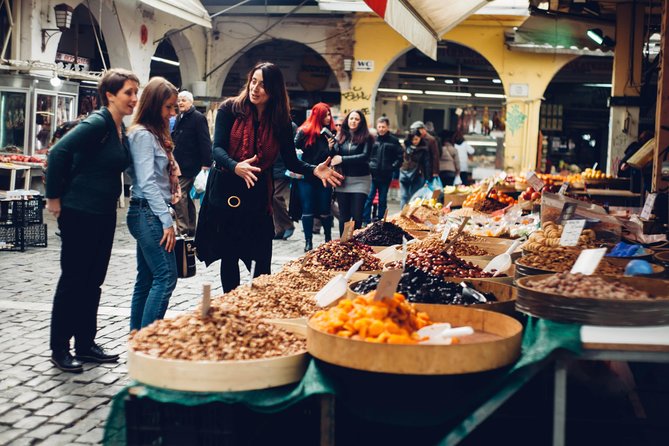
The historic Kapani Market and Modiano Market are key food hubs where visitors can find spices, olives, cheeses, seafood, and traditional delicacies. These markets reflect the city’s multicultural culinary identity.
Dairy & Cheese
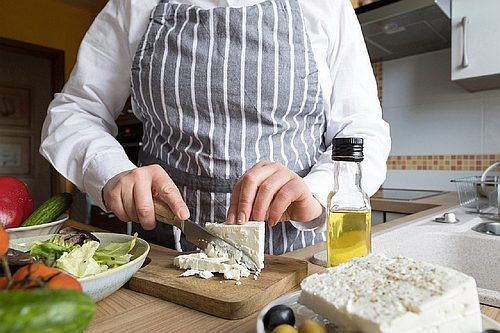
Northern Greece is known for its dairy production. Feta, kasseri, and other regional cheeses are widely available and used in pies, meze, and everyday dishes.
Cured Meats & Meze Culture
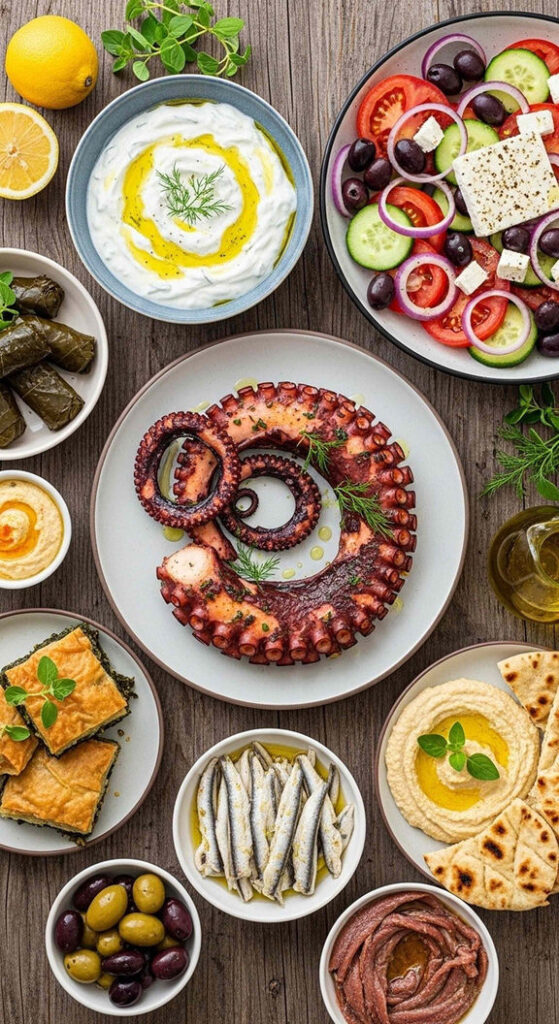
Cured meats such as pastourma and soutzouki are common, often served as part of meze—small dishes shared socially, typically accompanied by wine or tsipouro.
Wines & Spirits
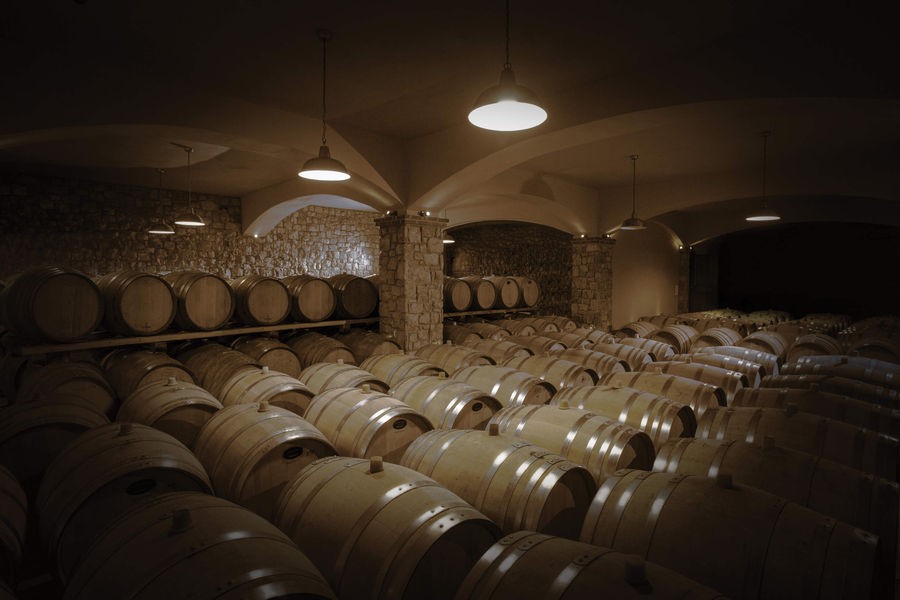
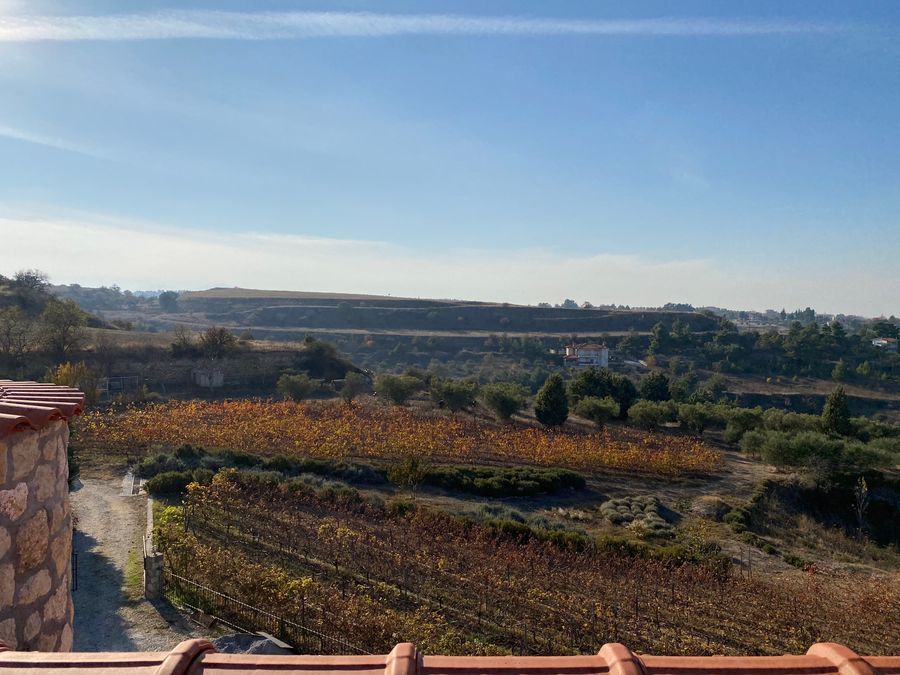
The wider region of Central Macedonia is one of Greece’s important wine-producing areas. Local wines, along with tsipouro and ouzo, are integral to the dining experience.
Signature Dishes & Authentic Flavours
Bougatsa & Breakfast Culture
Thessaloniki is famous for bougatsa, a phyllo pastry filled with custard, cheese, or minced meat, typically enjoyed for breakfast.
Street Food Staples
Koulouri (sesame bread rings) and souvlaki are everyday favourites, reflecting the city’s strong street food culture.
Traditional Dishes
Dishes such as moussaka, stuffed vegetables, and legumes are widely consumed, alongside recipes influenced by Asia Minor traditions.
Seafood from the Thermaic Gulf
Fresh fish and seafood are readily available, often grilled or fried and served with simple accompaniments like olive oil and lemon.
Sweets & Pastry Tradition
The city has a strong pastry culture, with desserts such as trigona panoramatos, syrup-based sweets, and custard-filled pastries widely enjoyed.
A Destination Beyond the Plate
Thessaloniki is not only a food destination but also a city rich in history and culture. Landmarks such as the White Tower of Thessaloniki, Byzantine churches, and Roman remains highlight its historical significance.
The city’s waterfront, neighbourhoods, and cultural venues create a vibrant atmosphere where food, social life, and daily routines are closely connected. Festivals, local traditions, and a strong café culture further define the Thessaloniki experience.
Explore Our Gastronomy Tours
Join our Thessaloniki Gastronomy Tours to experience one of Greece’s most diverse and authentic culinary destinations. Walk through historic markets, taste traditional recipes, and explore neighbourhoods where food is part of everyday life. From street food tastings to traditional meze experiences, Thessaloniki offers a comprehensive introduction to Greek gastronomy—rooted in history, shaped by culture, and alive in every corner of the city.
For food connoisseurs, it offers an endless array of restaurants and taverns serving excellent cuisine. Nothing better captures the multi-ethnic character than its food. From its Frankish and Ottoman conquerors to its Arab traders and a Jewish population fleeing the Spanish Inquisition, to the early 20th-century population exchange with Asia Minor, it’s unmistakably Greek yet incredibly diverse history has produced an equally rich cultural identity. And to know it all, you have to eat it all.
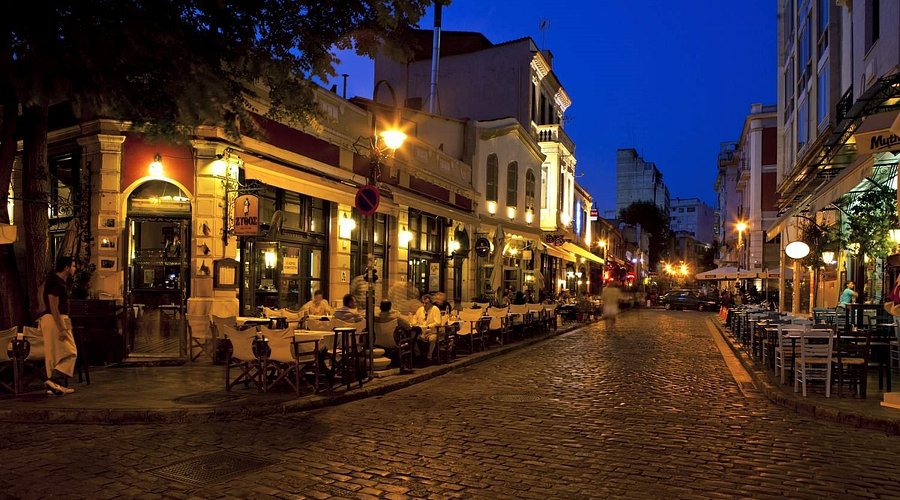
The gustatory landscape is characterised mainly by ouzo taverns serving meze and by restaurants that emphasise northern Greek specialities. There is no shortage of ethnic restaurants, pubs, bar restaurants, and the most gourmet venues – some even in hotels and museums. Fast street snacks also have a variety: from the classic koulouri of Thessaloniki (ring-shaped bread stuffed with whatever you can imagine) and the bougatsa with cheese or cream to the many souvlaki shops. In addition, traditional patisseries and new bakeries will make you stop by their windows!
Classic sweet flavours are the ‘Panorama triangles’ (with cream or chocolate), stuffed tsoureki, the politika (of the Polis, as Constantinople / Istanbul is also known) sweets (kazan dipi, ekmek kataifi, etc.), as well as the siropiasta.