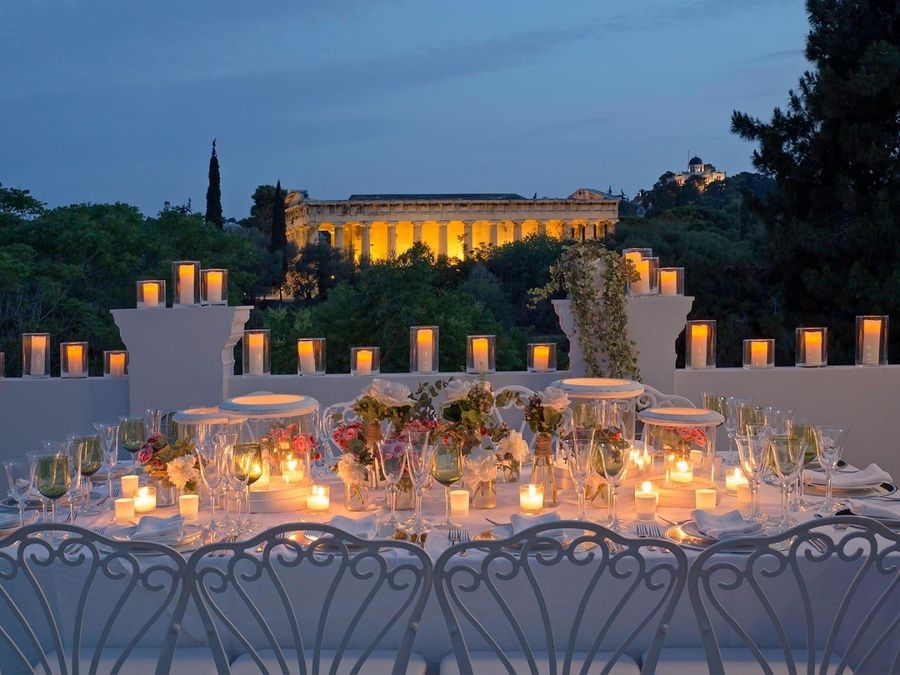
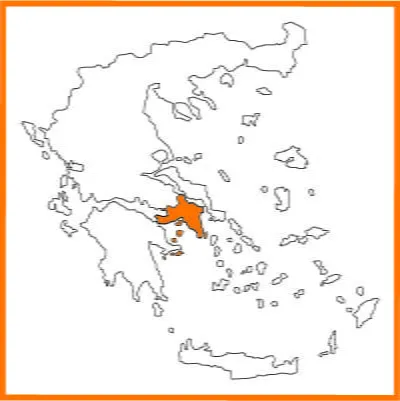
From Ancient Civilisation to Modern Times
Athens is one of the world’s oldest continuously inhabited cities and the historic, cultural, and political heart of Greece. In the region of Attica, Athens blends thousands of years of history with the energy of a modern European capital. Surrounded by mountains and opening towards the Saronic Gulf, the city offers a unique blend of archaeological treasures, vibrant neighbourhoods, and a rich culinary tradition shaped by centuries of cultural exchange.
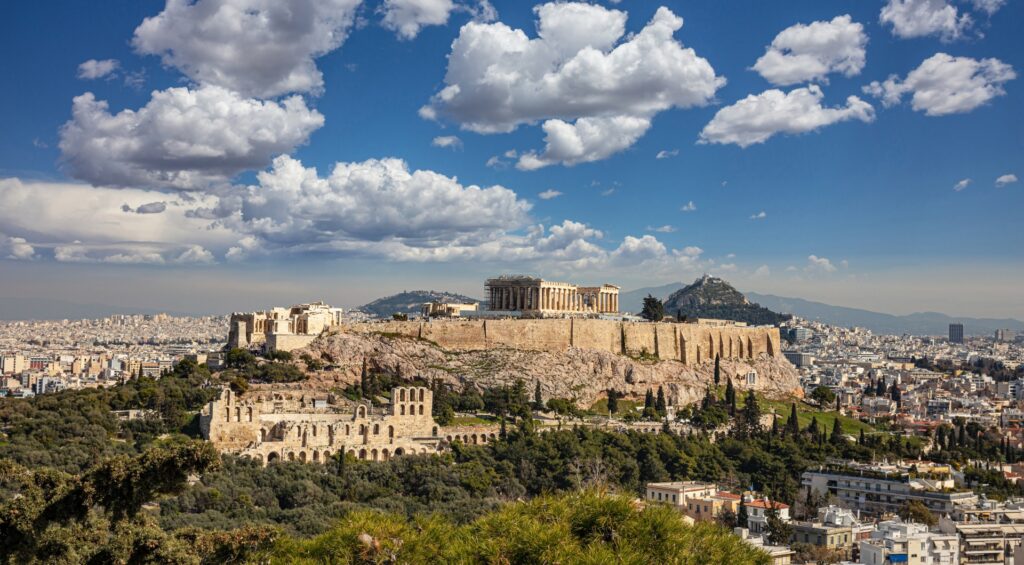
At the heart of ancient Athens stood the Acropolis, a symbol of the city’s political, cultural, and religious life. By the 5th century BCE, the number of municipalities had expanded significantly, marking the peak of early cultural and political development. During this period, Athens emerged as a dominant city-state, strengthened by alliances such as the First Athenian League.
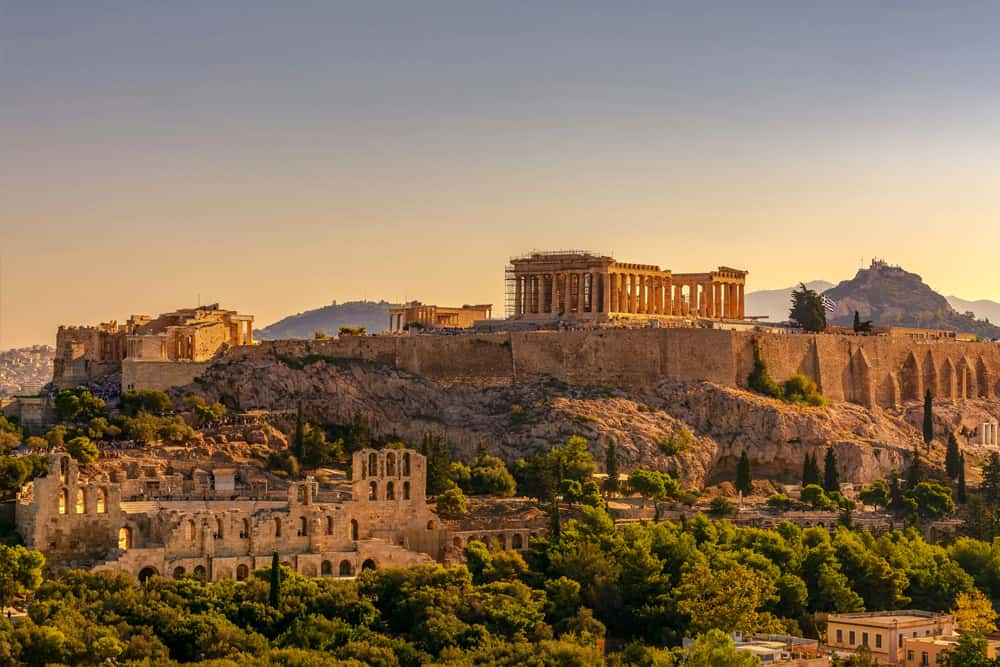
Even after the Peloponnesian War, it maintained its influence through the Macedonian and Roman eras. In the 2nd century BCE, it became a Roman province, followed by centuries under Byzantine rule. From the 3rd century CE onward, the region experienced repeated barbarian invasions, and during the Byzantine period, its political importance declined.
The Ottoman occupation caused significant hardship and lasted until the Greek War of Independence in 1821. Following liberation, it became part of the newly established Greek state. In 1833, Athens became the capital of Greece, marking a new era of national development.
The Gastronomic Identity of Athens
The cuisine of Athens reflects both Attica’s agricultural traditions and the diverse cultural influences that have shaped the city over the last two centuries. Waves of migrants and refugees from Asia Minor, Pontus, Constantinople, Epirus, and other parts of Greece enriched local food culture, creating one of the country’s most varied culinary landscapes.
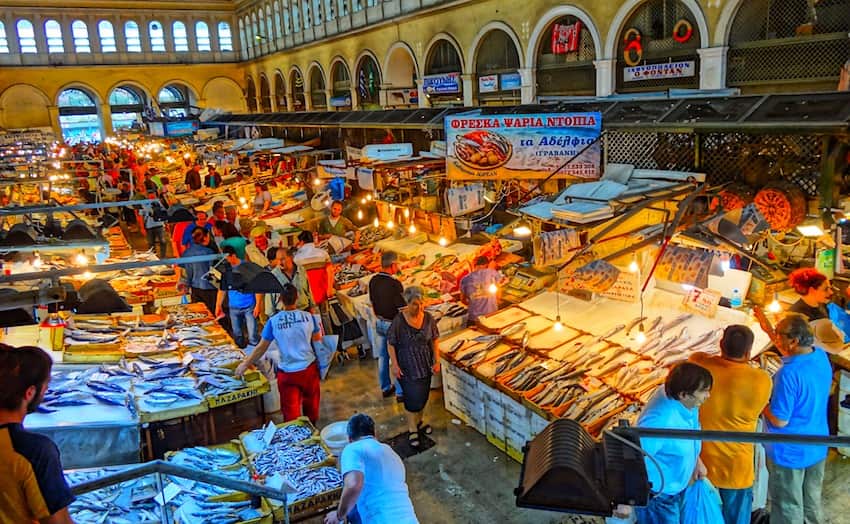
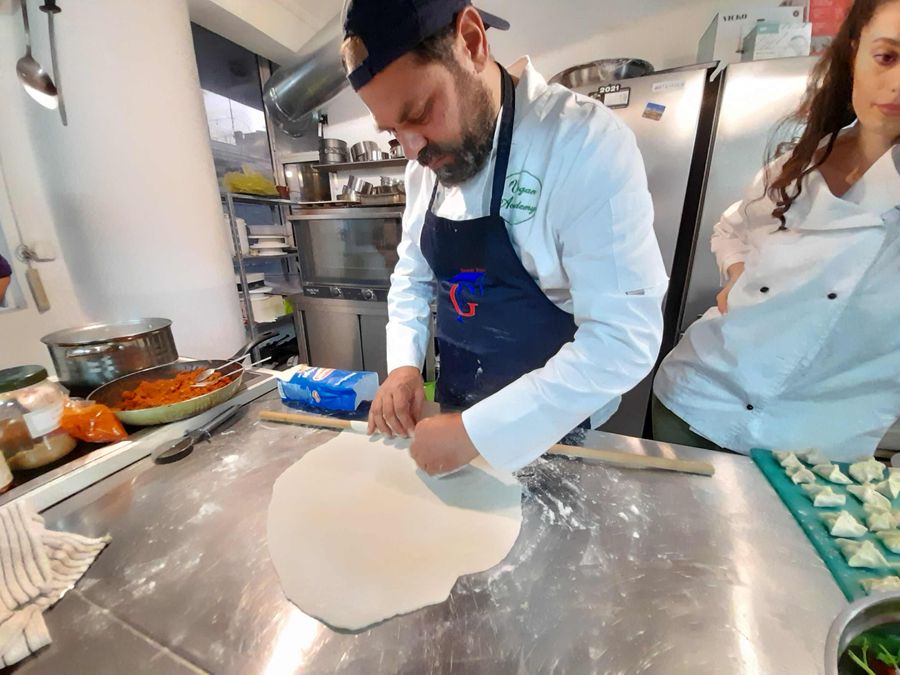
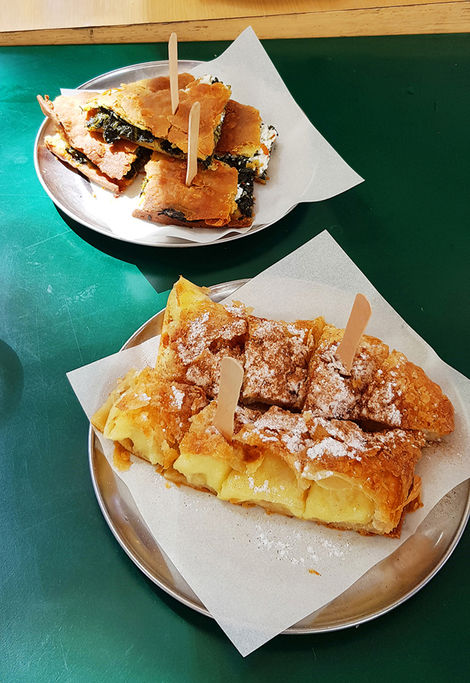
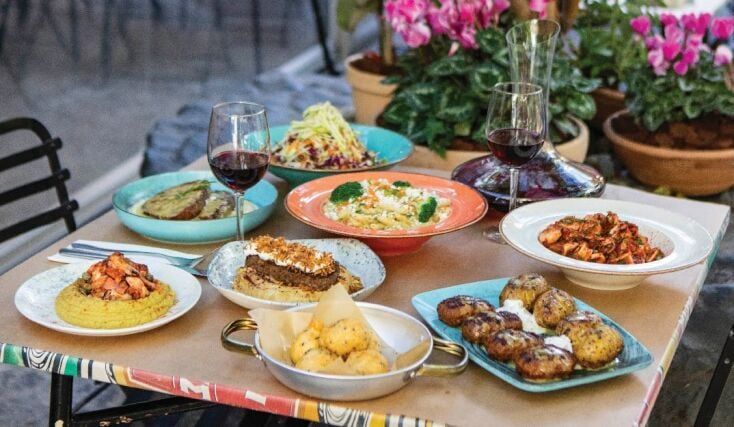
Traditional tavernas, modern restaurants, markets, and neighbourhood eateries showcase dishes based on olive oil, fresh vegetables, legumes, seafood, herbs, cheeses, and locally produced meats. Roast lamb, grilled meats, slow-cooked casseroles, stuffed vegetables, pies, and meze remain central to Athenian dining culture.
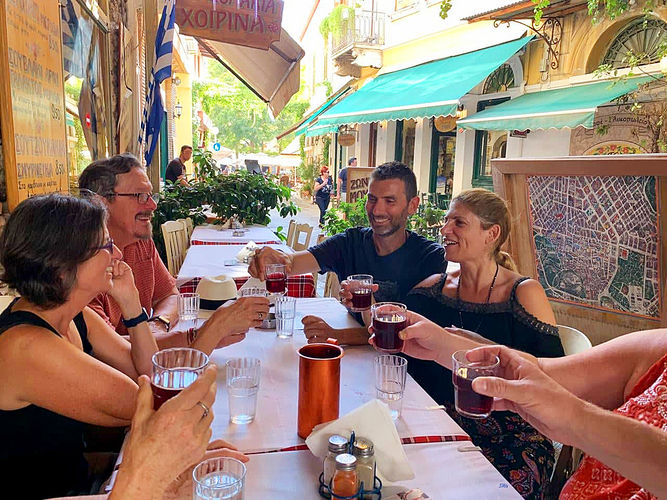
The influence of Asia Minor refugees is especially evident in pastries, sweets, and spice-rich recipes, as well as in the city’s enduring meze tradition, which still defines social dining in Athens today.
Wine, Retsina and the Vineyards
The wider Athens region has one of Greece’s oldest winemaking traditions. In eastern Attica, particularly in Mesogeia, vineyards have been cultivated since antiquity, when the ancient Greeks worshipped Dionysus, the god of wine.
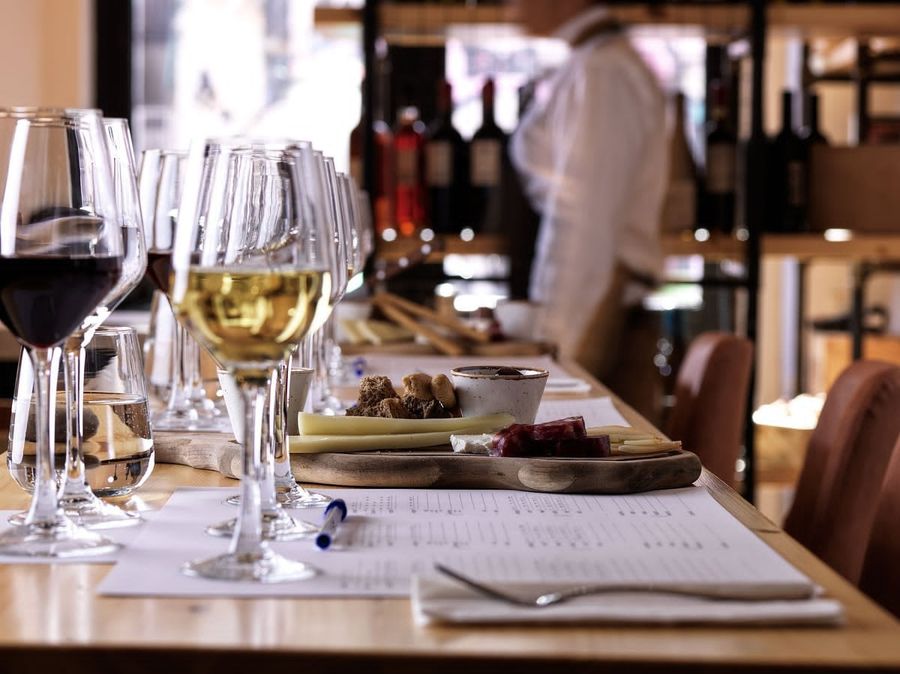
The region is especially known for Savatiano, Greece’s most widely planted indigenous white grape variety, and for producing retsina, the traditional Greek wine. Modern wineries combine centuries-old traditions with contemporary techniques, producing high-quality wines while welcoming visitors for tastings and vineyard tours.
Historical Cities and Geography
Attica includes major cities known since ancient times, such as Athens, Piraeus, Eleusis, Megara, Lavrio, Sounion, and Marathon. It is connected to the Peloponnese by the Isthmus of Corinth.
It also includes several historically significant Aegean islands, including Aegina, Salamis, Hydra, Spetses, Kythira, and Antikythera, all of which have played important roles in Greek maritime and military history.
Climate, Gastronomy and Agriculture
The region benefits from a mild Mediterranean climate, with abundant sunshine, mountain protection, and a long coastline. Sea breezes and surrounding winds create a balanced, healthy environment for both residents and agriculture.
The regional gastronomy combines authentic Greek culinary tradition with cosmopolitan Mediterranean influences. Olive oil, fresh vegetables, legumes, herbs, cheeses, seafood, and grilled meats form the foundation of traditional Attica cuisine, while the region’s coastal location provides abundant fresh fish and seafood.
The culinary scene is especially vibrant in Athens and Piraeus, where traditional Greek tavernas coexist with modern restaurants, bakeries, and street-food culture. Popular local dishes include souvlaki, grilled meats, stuffed vegetables, traditional pies, seafood meze, and classic Greek desserts such as syrup-based sweets and spoon preserves.
Today
Today, the region remains one of Greece’s most historically rich and economically important regions. It combines ancient heritage with modern development, offering a unique blend of archaeological landmarks, vibrant cities, coastal landscapes, and agricultural tradition.
Culture, Neighbourhoods and Everyday Life
Athens is a city of contrasts, where ancient monuments stand alongside contemporary galleries, cafés, and bustling markets. Historic districts such as Plaka, Monastiraki, and Psyrri preserve elements of the city’s past while serving as lively centres of everyday life.
Museums, theatres, festivals, and cultural events run year-round, reflecting Athens’ enduring role as Greece’s leading cultural centre.
A Destination for Every Season
Whether you’re exploring ancient ruins, enjoying the city’s culinary scene, visiting museums, or discovering the nearby coastline, Athens offers year-round experiences. Spring and autumn provide ideal conditions for sightseeing, while summer brings vibrant outdoor life and easy access to nearby beaches and islands.