Orthodox traditions, Cretan food, music, and local hospitality.
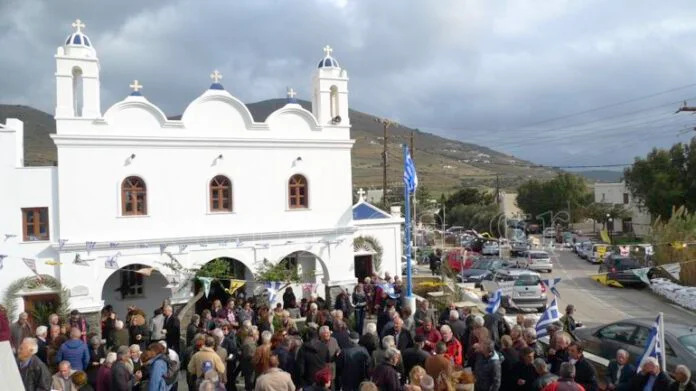
The Dormition of the Virgin Mary Chrysoskalitissa Festival takes place every year on August 15, when Greece celebrates one of the most important religious holidays of the Orthodox Christian calendar: the Dormition of the Virgin Mary
Known throughout Greece as the Dekapentavgoustos, this important religious feast is celebrated in churches, monasteries, and villages across the country. On the island of Crete, the celebration combines religious devotion with the island’s distinctive hospitality, traditional music, local gastronomy, and lively summer festivities.
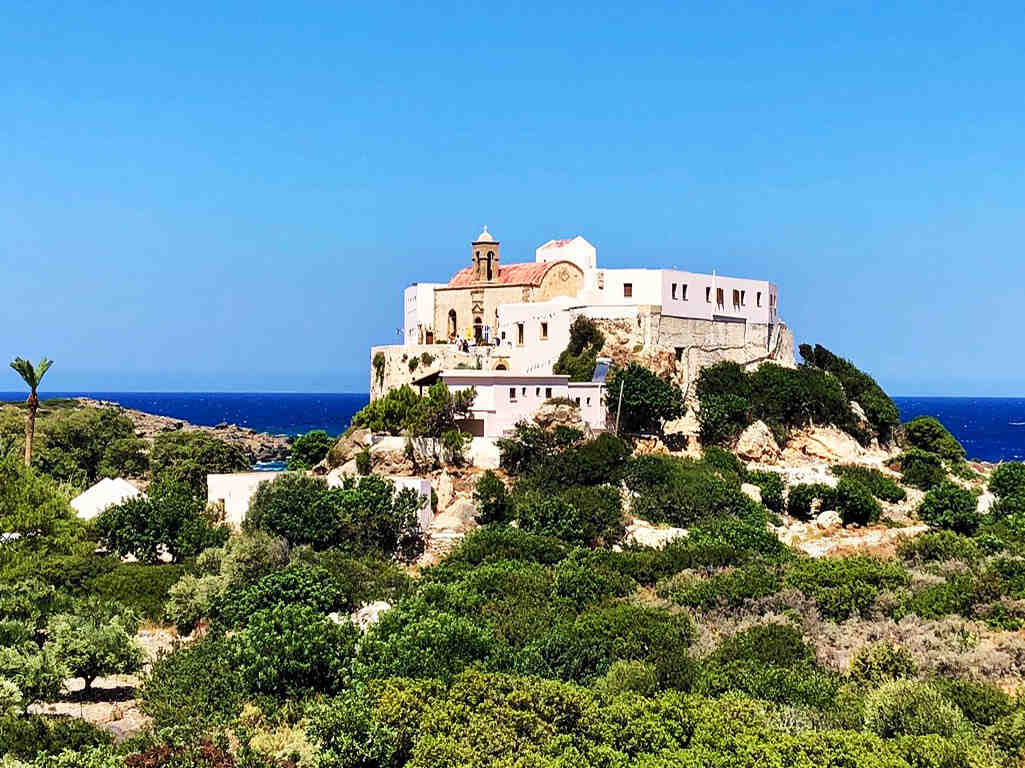
One particularly atmospheric place to experience this celebration is the Chrysoskalitissa Monastery (Monastery of Panagia Chrysoskalitissa), in western Crete, in the Chania regional unit, near Elafonissi.
Perched dramatically on a rocky outcrop overlooking the Libyan Sea, the monastery offers a remarkable setting for one of the most significant celebrations in the Greek Orthodox tradition.
For visitors exploring western Crete in August, the Feast of the Dormition offers a chance to discover the island’s spiritual heritage while experiencing authentic local customs and hospitality.
📍 Chrysoskalitissa Monastery: The Monastery of the Golden Steps
The historic Chrysoskalitissa Monastery is one of western Crete’s most distinctive religious landmarks.
Its name, which translates as the Monastery of the Golden Steps, is connected to a fascinating local tradition. According to legend, one of the approximately 90 steps leading up to the monastery is made of gold, but it can only be seen by people with a pure heart.
The monastery stands on an impressive rocky formation, approximately 35 metres above the surrounding landscape, overlooking the beautiful coastline and the Libyan Sea.
Its elevated position creates a spectacular natural viewpoint, with panoramic views of the sea, rugged Cretan terrain, and the surrounding countryside.
The monastery is particularly associated with the veneration of the Virgin Mary, making it an important destination for pilgrims and Orthodox Christians, especially around August 15.
Visitors approach the monastery by climbing stone steps to its entrance, where they can explore the religious complex, admire its architecture, and enjoy the peaceful atmosphere of this historic place.
The combination of religious significance, dramatic scenery, and local legend makes Chrysoskalitissa a memorable stop for anyone exploring Crete’s cultural and spiritual heritage.
✝️ The Religious Significance of the Dormition of the Virgin Mary
The Dormition of the Virgin Mary is celebrated every year on August 15 and is among the most important feasts of the Eastern Orthodox Church.
The word Dormition refers to the Virgin Mary’s falling asleep, or passing away. According to Orthodox tradition, the feast commemorates her death and her being received into heavenly glory.
In Greece, August 15 is often called the Easter of Summer because of its religious importance and the widespread celebrations held throughout the country.
Thousands of pilgrims visit churches and monasteries dedicated to the Virgin Mary, attend religious services, and take part in local festivities.
At Chrysoskalitissa Monastery, the celebration provides an opportunity to honour the Virgin Mary in a setting deeply connected with the religious traditions of western Crete.
Religious Services and Ceremonies
The celebrations traditionally revolve around the Orthodox liturgical services associated with the feast.
The programme may include:
- Orthros (Matins): The morning prayer service preceding the Divine Liturgy.
- Archieratical Divine Liturgy: A festive hierarchical service, when a bishop presides over the celebration.
- Great Vespers: An evening service traditionally held in preparation for the feast or as part of its wider celebrations.
- Artoklasia – Blessing of the Loaves: A traditional Orthodox ceremony involving the blessing of bread, wine, and other offerings.
- Supplication to the Virgin Mary: Special prayers and hymns dedicated to the Mother of God.
- All-Night Vigil: An extended period of prayer and worship, when included in the local programme.
These religious traditions reflect the central place of the Virgin Mary in Orthodox Christianity and the enduring importance of August 15 in Greek religious and cultural life.
Check the exact sequence and timing of services with the monastery, as programmes can vary from year to year.
🍇 Cretan Hospitality and the Celebration of August 15
Beyond its religious significance, August 15 is also an important social occasion throughout Crete.
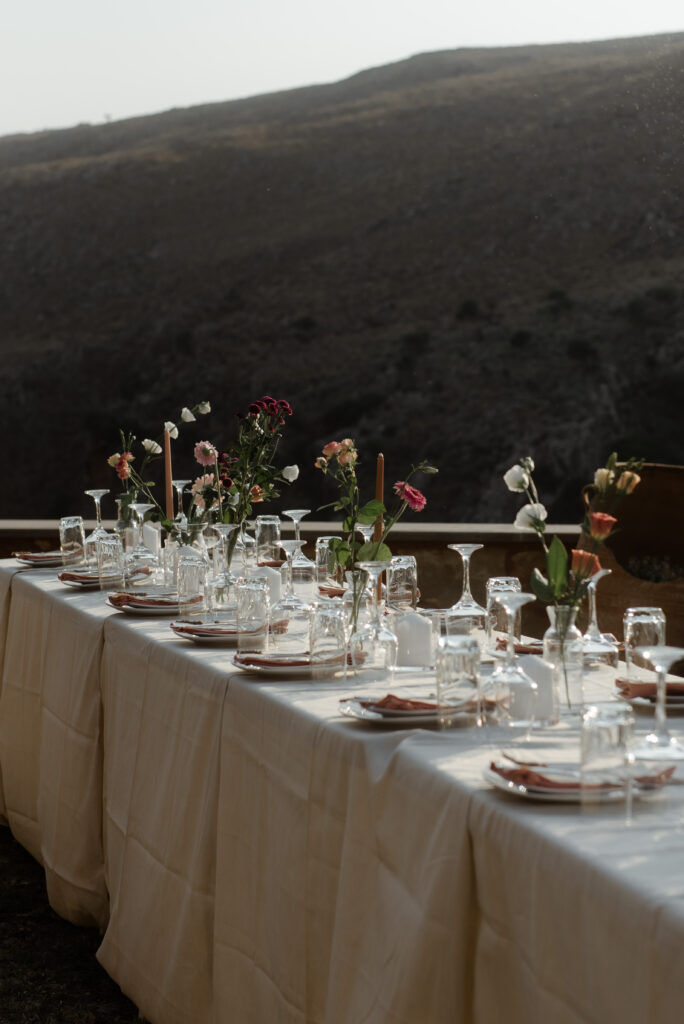
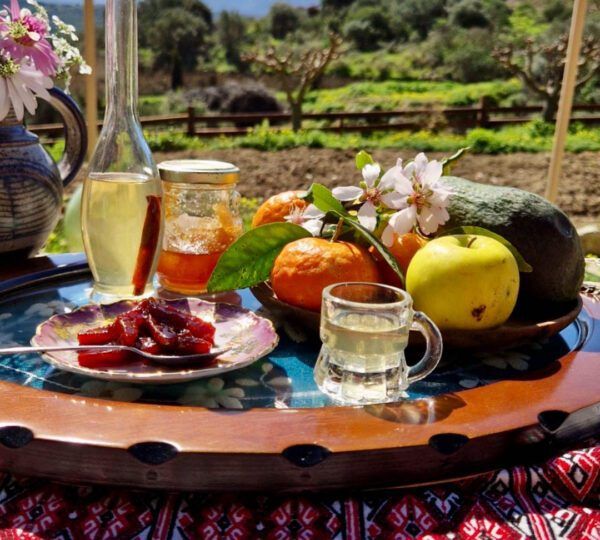
Families, local residents, and visitors come together to celebrate, often sharing meals, local products, wine, and traditional Cretan delicacies.
Cretan hospitality, known locally as philoxenia, is central to the island’s identity. It is expressed through generous food offerings, warm welcomes, and the tradition of sharing what the land produces.
Around the Dormition celebrations, visitors may encounter local food stalls, traditional refreshments, and gatherings organised by local communities.
The atmosphere is particularly special in western Crete, where religious customs and village traditions remain closely connected.
🎶 Traditional Cretan Music, Dancing and Festivities
Cretan music is an important part of the island’s cultural identity, and religious feast days often give local musicians a chance to bring traditional melodies to life.
The Cretan lyra, accompanied by the lute (laouto), is one of the island’s most recognisable sounds.
During local celebrations, traditional music creates an atmosphere of joy and togetherness, encouraging residents and visitors to join in the festivities.
Among the traditional dances associated with Cretan celebrations are:
- Pentozalis: A lively, energetic Cretan dance often associated with the island’s cultural identity.
- Syrtos: A traditional group dance performed in a circle, with distinct Cretan musical variations.
- Maleviziotis: A fast and dynamic Cretan dance with strong regional roots.
- Sousta: A lively traditional dance characterised by energetic movements and rhythmic steps.
Depending on the annual arrangements, the celebration may feature live music, dancing, communal gatherings, and traditional refreshments.
For visitors, this is an opportunity to experience Cretan culture beyond its archaeological sites, beaches, and famous landscapes.
🍽️ Gastronomic Delights: Discover the Flavours of Crete
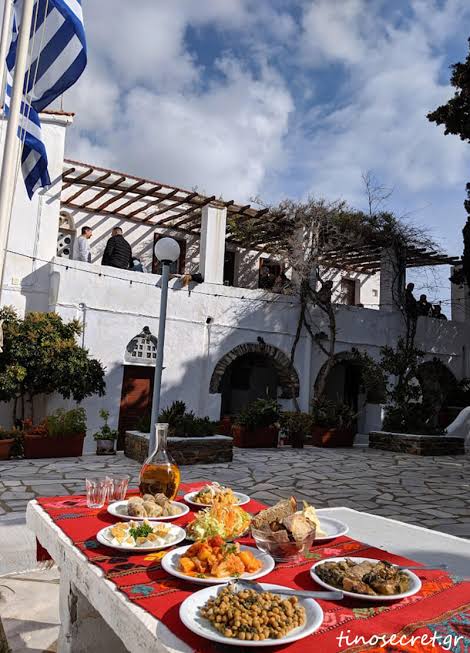
No traditional Cretan celebration would be complete without food.
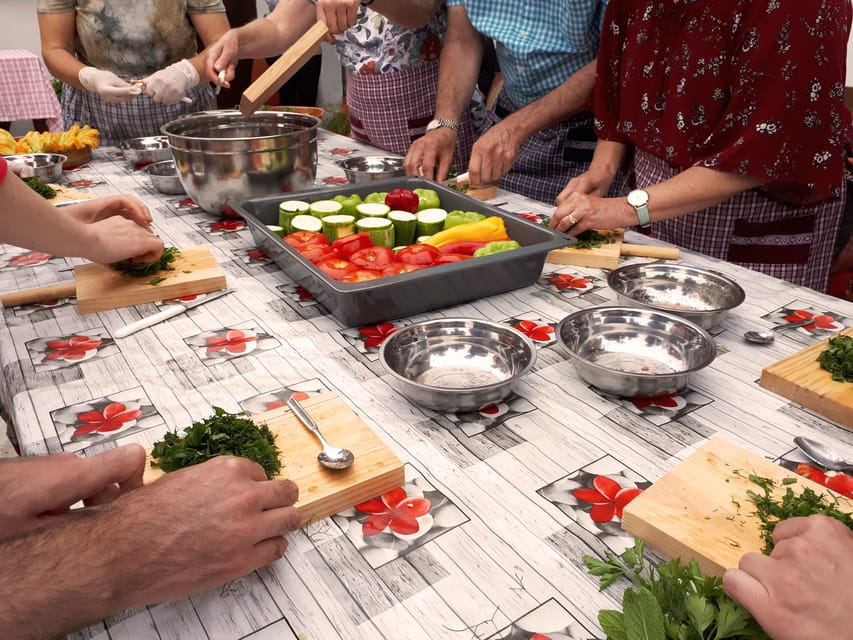
Crete is renowned throughout Greece for its exceptional culinary heritage, based on fresh local ingredients, seasonal produce, olive oil, herbs, cheeses, and traditional cooking methods.
The Feast of the Dormition offers a chance to discover some of the island’s most characteristic flavours.
Traditional Cretan Dishes
Antikristo – Traditional Cretan Lamb
One of Crete’s most famous meat preparations, antikristo involves arranging large pieces of lamb around a fire and cooking them slowly over the flames. The result is tender, flavourful meat with a distinctive roasted exterior.
Sfakian Pies
A traditional speciality from the Sfakia region of southern Chania. These thin pies are filled with fresh cheese, traditionally mizithra, and are often served with local honey.
Fennel Pies (Marathopites)
Traditional Cretan pies filled with wild fennel and herbs, offering a wonderful taste of the island’s countryside.
Snails with Rosemary (Chochlioi)
Snails are an important part of traditional Cretan gastronomy. They are often prepared with olive oil, herbs, vinegar, or rosemary, depending on the local recipe.
Cretan Cheeses
Crete has a particularly rich cheesemaking tradition, with several varieties worth discovering.
- Graviera: A popular hard cheese with a rich, slightly sweet flavour, often served with local honey.
- Xinomizithra: A fresh, soft cheese with a pleasantly tangy taste, commonly used in traditional pies and salads.
- Stakovoutyro: A traditional dairy preparation made from staka, a rich Cretan cream, and butter, used to give dishes their distinctive flavour.
Traditional Cretan Sweets
The island’s desserts are another highlight of its culinary heritage.
- Loukoumades: Small fried dough balls, traditionally served with honey and cinnamon.
- Kalitsounia: Traditional Cretan pastries filled with fresh cheese or other sweet fillings.
- Xerotigana: Thin, crispy fried pastries shaped into decorative forms and served with honey, walnuts, and sesame.
Raki and Rakomelo
No Cretan celebration would be complete without a taste of the island’s traditional spirit.
Raki (Tsikoudia) is a grape-based spirit traditionally produced in Crete and commonly shared during meals and social gatherings.
Rakomelo is a warm or room-temperature drink made by combining raki with honey and aromatic spices.
These drinks are closely associated with Cretan hospitality and the island’s tradition of welcoming guests.
Please note that not all the dishes and drinks listed above are necessarily served at the monastery festival itself. They represent Crete’s wider gastronomic heritage.
📅 One-Day Guide: How to Experience the Festival
If you are visiting western Crete on August 15, the Dormition celebration at Chrysoskalitissa Monastery can be an interesting addition to your itinerary.
Here is an indicative programme based on the activities described for the celebration. It is not an officially confirmed annual timetable.
| Time | Suggested Activity |
|---|---|
| 08:00–11:00 | Visit the monastery, climb the stone steps, and attend the morning religious service |
| 11:00–13:00 | Explore the monastery and enjoy the panoramic views of the Libyan Sea |
| 14:30–18:00 | Discover local products, traditional food, and nearby villages |
| 18:00–19:00 | Return to the monastery area and prepare for the evening celebrations |
| 19:00 onwards | Attend evening religious services, if scheduled |
| Evening | Enjoy traditional Cretan music, local food, dancing, and community celebrations, if organised |
Visitors should confirm the official service times and any accompanying festivities before making travel arrangements.
🌅 Explore the Surroundings: Elafonissi and Western Crete
A visit to Chrysoskalitissa Monastery can easily be combined with exploring some of the most beautiful landscapes in western Crete.
The area is particularly famous for its beaches, traditional settlements, and spectacular natural scenery.
Elafonissi Beach
Located a short drive from the monastery, Elafonissi is one of Crete’s most famous beaches, known for its turquoise waters, shallow lagoons, and distinctive pinkish sand.
Kedrodasos Beach
A beautiful natural beach surrounded by juniper trees, offering a quieter alternative to some of the more popular coastal destinations.
Chrisoskalitissa and the Surrounding Countryside
The wider area offers an opportunity to discover traditional Cretan landscapes, small settlements, local churches, and the peaceful atmosphere of the island’s western coastline.
Combining a visit to the monastery with a coastal excursion creates a memorable day exploring western Crete’s religious, cultural, and natural heritage.
📌 Practical Information for Visitors
If you are planning to attend the Dormition of the Virgin Mary Festival at Chrysoskalitissa Monastery, consider the following information.
- Event: Dormition of the Virgin Mary Festival.
- Date: August 15 every year.
- Location: Chrysoskalitissa Monastery, near Elafonissi, Chania regional unit, Crete, Greece.
- Religious significance: One of the most important celebrations in the Greek Orthodox calendar.
- Getting there: The monastery is easiest to reach by car from Chania or other parts of western Crete. Check your route and allow sufficient driving time.
- What to wear: Wear comfortable shoes for climbing the monastery steps. Modest clothing is appropriate inside the religious complex.
- What to bring: Water, sun protection, a camera, and some cash for nearby local businesses.
- Best time to visit: Arrive early if you wish to attend the morning religious service and avoid the hottest hours of the day.
August is one of the busiest periods for tourism in Crete, so visitors should book accommodation and arrange transportation in advance.
Please remember that Chrysoskalitissa is an active religious site. Respect for worshippers, religious ceremonies, and the monastery’s rules is essential.
✨ Experience the Magic of the Dormition Festival in Chrysoskalitissa
The Dormition of the Virgin Mary Festival at Chrysoskalitissa Monastery offers a chance to discover the spiritual and cultural traditions that make Crete such a remarkable destination.
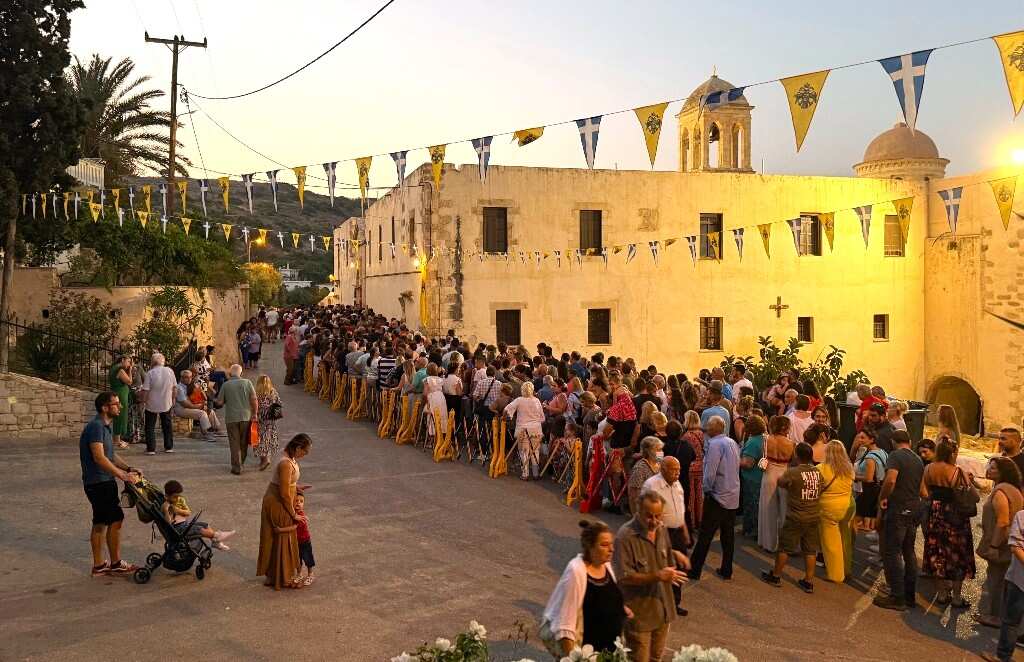
From the solemnity of the Orthodox liturgy to the monastery’s dramatic position above the Libyan Sea, the experience combines religious heritage with the natural beauty of western Crete.
Traditional music, local gastronomy, Cretan hospitality, and the festive atmosphere of August 15 make this an especially memorable time to explore the island.
Whether you are interested in religious tourism, authentic Greek traditions, local cuisine, or discovering hidden cultural landmarks, Chrysoskalitissa offers a distinctive experience.
Celebrate August 15 in western Crete and discover the beauty, faith, and hospitality of the Dormition of the Virgin Mary Festival at Chrysoskalitissa Monastery.