Every year on June 23, the mountain of Apopigadi, near the traditional village of Sempronas in Chania, Crete, hosts one of the region’s most distinctive religious and cultural celebrations: the Saint John Festival at Apopigadi, in the Chania Region.
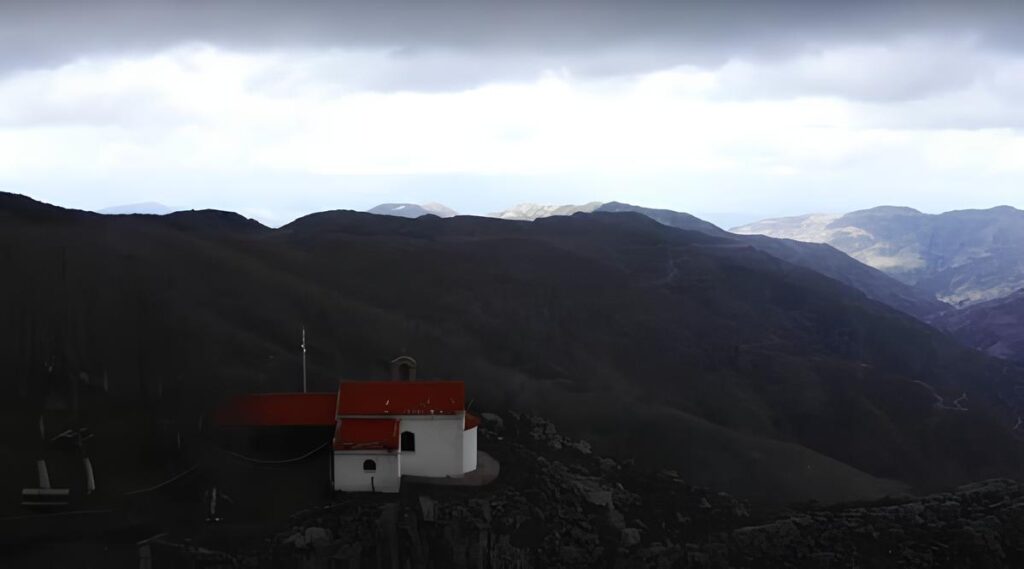
Perched at an altitude of approximately 1,050 metres, the small chapel of Saint John offers spectacular views of the mountains, valleys, and coastline of western Crete. Here, religious devotion meets the island’s rich folk traditions, traditional Cretan music, local gastronomy, and warm hospitality.
Celebrated on the eve of the Orthodox feast of the Nativity of Saint John the Baptist, the festival attracts local residents, visitors, and pilgrims who gather to honour the saint and enjoy an authentic Cretan mountain celebration.
Surrounded by forests, mountain peaks, and unspoilt natural landscapes, the Saint John Festival at Apopigadi offers a unique opportunity to discover a lesser-known side of Crete, far from the busy coastal resorts.
📍 Apopigadi and Sempronas: A Mountain Destination in Western Crete
Apopigadi is a mountainous area in the Municipality of Platanias, in the Chania regional unit of western Crete. Located above the village of Sempronas, it is known for its impressive natural scenery, mountain landscapes, and panoramic views.
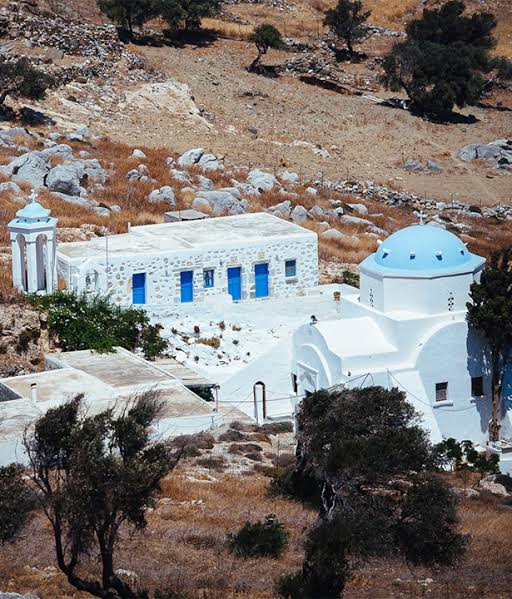
The small chapel of Saint John the Baptist stands at approximately 1,050 metres above sea level and occupies a particularly beautiful position on the mountain.
According to the Sempronas Cultural Association, the chapel is especially important to the local community and attracts many visitors every year for the celebration on the eve of June 24.
The wider Apopigadi mountain range offers impressive views towards the northern and western parts of Chania, including the coastal plain, the surrounding villages, and the White Mountains (Lefka Ori).
The landscape changes with the seasons. During spring and early summer, the mountain slopes are covered with vegetation and aromatic herbs, while the cooler mountain air provides a refreshing contrast to the warm coastal areas.
For visitors interested in nature tourism, traditional villages, and mountain excursions in Crete, Apopigadi is an attractive destination that combines natural beauty with living cultural traditions.
⛪ The Chapel of Saint John the Baptist
At the heart of the celebration stands the picturesque chapel dedicated to Saint John the Baptist (Agios Ioannis o Prodromos).
The chapel is an important place of worship for the communities of Sempronas and the surrounding mountainous areas.
According to information published by the Municipality of Platanias and local tourism sources, the historic chapel dates back to 1873.
Its simple architecture and peaceful mountain setting reflect the traditional religious character of rural Crete, where small chapels have long served as spiritual landmarks and gathering places for local communities.
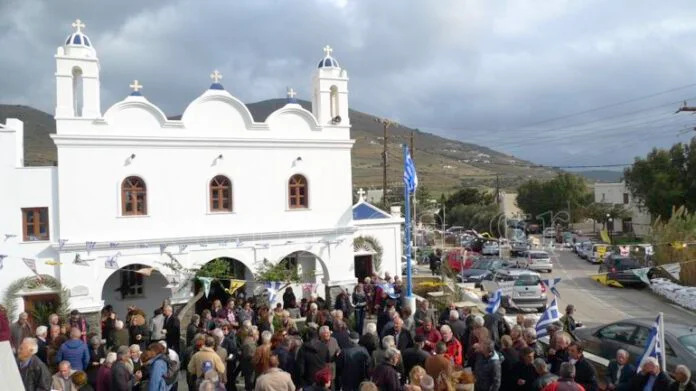
Every year, on June 23, people make their way up the mountain to attend the religious service and participate in the traditional celebration.
The location itself adds a special dimension to the experience. The chapel’s elevated position provides magnificent views across the surrounding countryside, making the visit memorable even beyond its religious significance.
✝️ The Religious Celebration of Saint John
The Saint John Festival at Apopigadi honours the Nativity of Saint John the Baptist, an important feast day in the Orthodox Christian calendar, celebrated on June 24.
Saint John the Baptist, also known as John the Forerunner (Agios Ioannis o Prodromos), is revered as the prophet who prepared the way for Jesus Christ and baptised Him in the River Jordan.
According to the Gospel tradition, Saint John was born to Zechariah and Elizabeth, who had been unable to have children. The Archangel Gabriel announced his birth, and the Orthodox Church commemorates it on June 24.
The Grand Festive Vespers – June 23
The religious celebrations at Apopigadi take place on the eve of the saint’s feast day.
The highlight is the Grand Festive Vespers, a solemn Orthodox service held in the small mountain chapel.
According to local festival information, His Eminence Bishop Damaskinos of Kissamos and Selinos, along with local clergy and members of the wider community, attended the service.
The ceremony brings together worshippers from Sempronas and neighbouring villages, as well as visitors who travel to the mountain to honour Saint John.
The peaceful surroundings, the sound of the church bells, and the spectacular mountain views create a particularly moving atmosphere.
For many local families, attending the annual Vespers is a cherished tradition passed down through generations.
🌄 The Saint John Festival at Apopigadi: Faith, Music and Cretan Hospitality
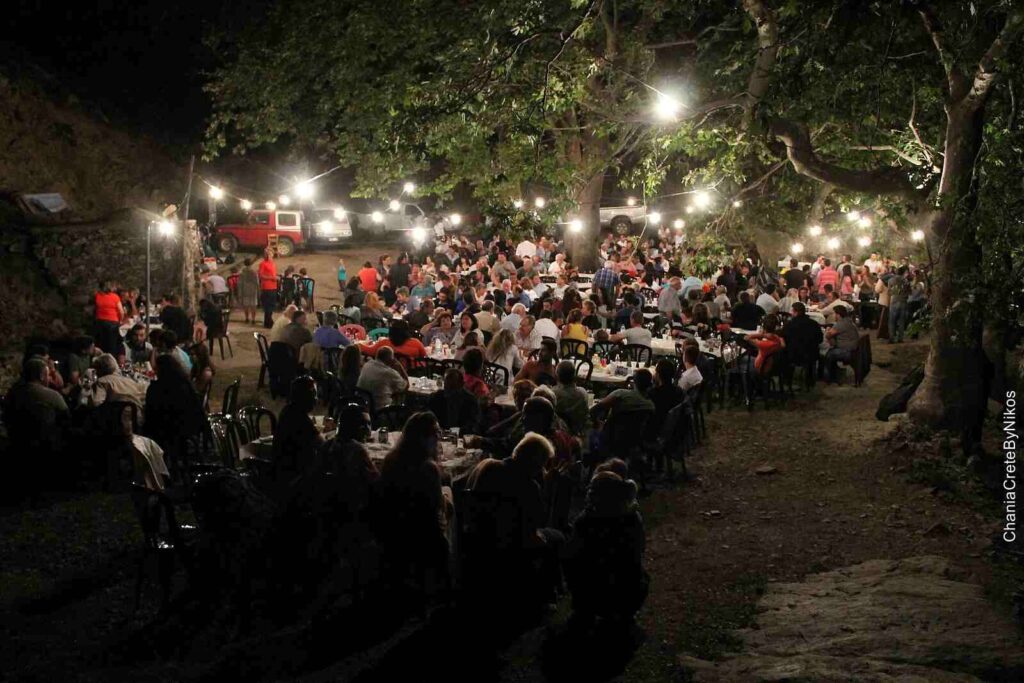
Following the religious service, the celebration continues with a traditional Cretan panigyri.
The mountain gathering becomes a lively social event, where local residents and visitors come together to enjoy traditional music, dancing, food, and drinks.
Unlike large commercial festivals, celebrations in smaller mountain communities preserve a strong sense of local identity and participation.
The atmosphere is welcoming and informal, with communal tables, traditional hospitality, and music that reflects the island’s distinctive cultural heritage.
🎶 Traditional Cretan Music and Dancing
Music is essential to every traditional Cretan celebration.
The Cretan lyra and lute (laouto) accompany traditional songs and dances, creating an atmosphere that brings together people of all generations.
Visitors may encounter traditional dances such as:
- Pentozalis: An energetic, dynamic Cretan dance often associated with the island’s identity and history.
- Syrtos: A traditional circle dance performed throughout Crete, with distinctive regional variations.
- Maleviziotis: A lively Cretan dance characterised by its quick rhythm and energetic movements.
- Sousta: A traditional island dance featuring rhythmic steps and lively movements.
The festival gives visitors a chance to experience Cretan music as a living tradition, not just a tourist performance.
🍽️ Traditional Cretan Gastronomy at Apopigadi
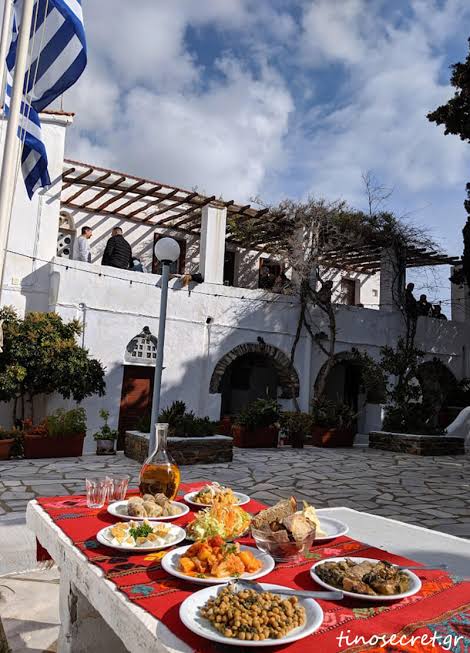
Food is at the heart of Cretan hospitality, and traditional village festivals are among the best occasions to discover the island’s culinary heritage.
At Apopigadi, the celebration features generous servings of traditional dishes, homemade delicacies, and locally produced drinks.
The following specialities reflect the wider gastronomic traditions of the Chania region and the Cretan countryside. The exact festival menu may vary each year.
Traditional Cretan Dishes
Boubouristi – Cretan Snails
One of the most characteristic dishes of Cretan cuisine, boubouristi consists of snails fried in olive oil, traditionally finished with vinegar and aromatic herbs such as rosemary.
A much-loved traditional speciality, particularly in rural Crete.
Pork with Wild Greens
A traditional combination of locally sourced meat and seasonal greens, slowly cooked with olive oil and herbs. Such dishes reflect the close connection between Cretan gastronomy and the island’s agricultural landscape.
Bean Soup and Greens Soup
Simple, nourishing dishes prepared with legumes, seasonal vegetables, and local herbs. These recipes reflect the traditional Mediterranean diet and the importance of seasonal ingredients.
Cretan Cheeses and Appetisers
Cretan cheesemaking is an important part of the island’s agricultural heritage.
Visitors may encounter:
- Xinomizithra: A soft, fresh cheese with a pleasantly tangy flavour.
- Anthotyros: A mild traditional cheese, available in fresh or dried varieties.
- Graviera: A popular hard cheese, often served with honey.
- Tomato and Herb Fritters: Traditional fried appetisers made with fresh vegetables and aromatic herbs.
Traditional Roasts
No traditional Cretan panigyri would be complete without meat dishes.
Depending on the arrangements, the communal tables may feature:
- Lamb or goat: Traditionally roasted or cooked over an open fire.
- Antikristo: A distinctive Cretan method of roasting lamb or goat around an open fire, using the radiant heat rather than placing the meat directly over the flames.
- Traditional sausages: Prepared with local ingredients and aromatic herbs.
- Cured pork: A traditional meat speciality enjoyed in different parts of Crete.
🍞 Village Bread and Homemade Pies
Freshly baked bread is essential to traditional Cretan hospitality.
Village bread, often baked in wood-fired ovens, is served with homemade pies filled with cheese, wild greens, herbs, or onions.
These recipes have been passed down through generations and reflect the island’s tradition of making the most of locally available ingredients.
🍯 Traditional Cretan Sweets
Traditional sweets add another dimension to the festival’s gastronomic experience.
Some characteristic Cretan treats include:
- Kalitsounia: Small traditional pastries filled with fresh cheese or other sweet ingredients.
- Xerotigana: Thin, crispy fried pastries, traditionally served with honey, walnuts, and sesame.
- Baklava: Layers of pastry filled with nuts and sweetened with syrup or honey.
- Revani: A traditional semolina-based syrup cake.
- Melomakarona: Honey-soaked biscuits traditionally associated with Christmas, although they can also be enjoyed outside the festive season.
🍷 Local Drinks: Raki and Cretan Wine
The celebration continues with traditional Cretan drinks.
Raki (Tsikoudia) is the island’s famous grape-based spirit, traditionally produced from the remains of pressed grapes after winemaking.
It is closely associated with Cretan hospitality and is often offered to guests as a welcome gesture.
Local Cretan wines are another important part of the island’s gastronomic identity, complementing traditional meat dishes, cheeses, and appetisers.
🌿 The Enchanted Spring: Gitemeni Vrisi
One of the most fascinating places associated with Apopigadi is the Gitemeni Vrisi (Enchanted Spring).
Located near the mountain chapel, this natural spring holds a special place in local tradition.
According to local beliefs, its water is considered to have healing properties, making the spring an important place of cultural and spiritual significance for the community.
The Municipality of Platanias also mentions the spring in its publications, highlighting the area’s natural beauty and traditional importance.
The chapel, the spring, and the surrounding mountain landscape create an atmosphere that connects religious devotion with the natural environment.
For visitors, discovering Gitemeni Vrisi adds another interesting dimension to an excursion to Apopigadi.
🥾 Exploring Apopigadi: Nature, Mountain Views and Hiking
Beyond the annual festival, Apopigadi is an attractive destination for visitors interested in outdoor activities and exploring the mountainous landscapes of western Crete.
The surrounding area features forests, mountain slopes, traditional settlements, and panoramic viewpoints.
The mountain is particularly appealing to:
- Nature lovers interested in the flora and landscapes of Crete.
- Visitors looking for scenic mountain excursions.
- Hiking enthusiasts exploring the countryside around Sempronas.
- Travellers interested in traditional villages and rural Cretan life.
- Photographers seeking panoramic views of the Chania region.
The nearby village of Sempronas is also worth exploring. It is a traditional mountain settlement known for its natural springs, green surroundings, and peaceful atmosphere.
A visit to Apopigadi can therefore be combined with a wider excursion through the mountainous villages of the Municipality of Platanias.
📅 Date and Time of the Saint John Festival
The Festival of Saint John at Apopigadi takes place annually on June 23, the eve of the Orthodox Feast of the Nativity of Saint John the Baptist on June 24.
The main religious service is the Grand Festive Vespers, followed by the traditional community celebration.
| Date and Time | Activity |
|---|---|
| June 23 – Evening | Arrival at the chapel of Saint John |
| June 23 – Before 21:00 | Gathering of worshippers and visitors |
| June 23 – Around 21:00 | Grand Festive Vespers |
| June 23 – After Vespers | Traditional music, food, and community celebration |
| June 24 | Orthodox Feast of the Nativity of Saint John the Baptist |
The schedule is indicative. Visitors should confirm the exact start time and annual arrangements with the local community or organisers.
📌 Practical Information for Visitors
If you are planning to attend the Saint John Festival at Apopigadi, a little preparation will help you enjoy the experience.
- Event: Festival of Saint John the Baptist (Agios Ioannis Prodromos).
- Date: June 23 every year.
- Location: Apopigadi Mountain, above Sempronas, Municipality of Platanias, Chania, Crete.
- Altitude: Approximately 1,050 metres at the chapel.
- Religious ceremony: Grand Festive Vespers on the evening of June 23.
- Getting there: Access is via a mountain dirt road from the Sempronas area. A suitable vehicle, potentially a 4×4 depending on road conditions, is advisable.
- What to wear: Comfortable walking shoes and a light jacket, as mountain temperatures can be cooler in the evening.
- What to bring: Water, a camera, and some cash for local refreshments or festival offerings.
- Best time to arrive: Before the evening service, allowing enough time to explore the surroundings and enjoy the views.
The mountain road can be narrow and winding, so drive carefully and check its condition before setting off. Avoid relying on ordinary road navigation without checking the final access route.
Visitors should also respect the celebration’s religious character and follow any instructions from local organisers.
✨ Experience an Authentic Cretan Mountain Festival
The Saint John Festival at Apopigadi is much more than a religious celebration. It is an authentic expression of the cultural identity, traditions, and hospitality of Chania’s mountainous communities.
From the solemnity of the evening Vespers at the historic mountain chapel to the sounds of the Cretan lyra, traditional dances, homemade food, and local drinks, the celebration brings together the elements that make Crete so special.
The spectacular mountain scenery and the nearby Gitemeni Vrisi add an extra dimension to the experience, creating a memorable connection between faith, nature, and local tradition.
For visitors seeking authentic experiences beyond Crete’s popular beaches and tourist destinations, this mountain festival offers a wonderful opportunity to discover the island’s hidden cultural treasures.
On June 23, travel to Apopigadi, above Sempronas, and experience the authentic spirit of a traditional Cretan mountain celebration in the heart of the Chania countryside.