A Traditional Cretan Mountain Celebration
Every year on May 8, the traditional village of Agios Ioannis in Sfakia, southern Crete, celebrates the Festival of Saint John the Theologian (Agios Ioannis o Theologos), one of the region’s most distinctive religious celebrations.
Nestled on the southern slopes of the White Mountains (Lefka Ori), this remote mountain settlement becomes a meeting place for local residents, pilgrims, and visitors who gather to honour the saint and celebrate Sfakia’s traditions.
The festival combines Orthodox religious devotion with traditional Cretan hospitality, homemade food, local wine, music, and dancing. Surrounded by rugged mountains, pine forests, and spectacular views towards the Libyan Sea, the celebration offers an authentic experience of rural Cretan life.
For visitors looking to discover southern Crete’s cultural heritage beyond its famous beaches and tourist resorts, the Saint John’s Festival in Sfakia on May 8 offers a wonderful opportunity to experience the island’s traditions in a truly special setting.
📍 Agios Ioannis, Sfakia: A Traditional Mountain Village
Agios Ioannis is in the municipality of Sfakia, in the southern part of the Chania regional unit.
At about 800 metres above sea level, it is one of the area’s smaller, more secluded settlements.
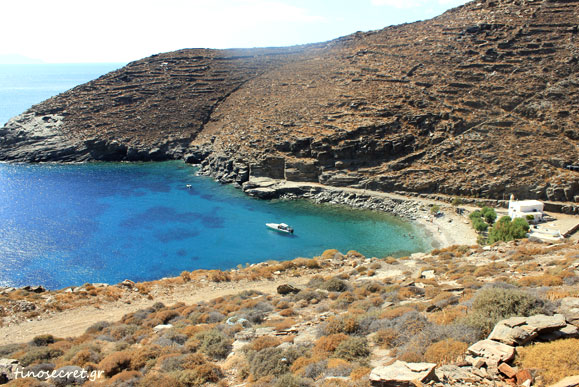
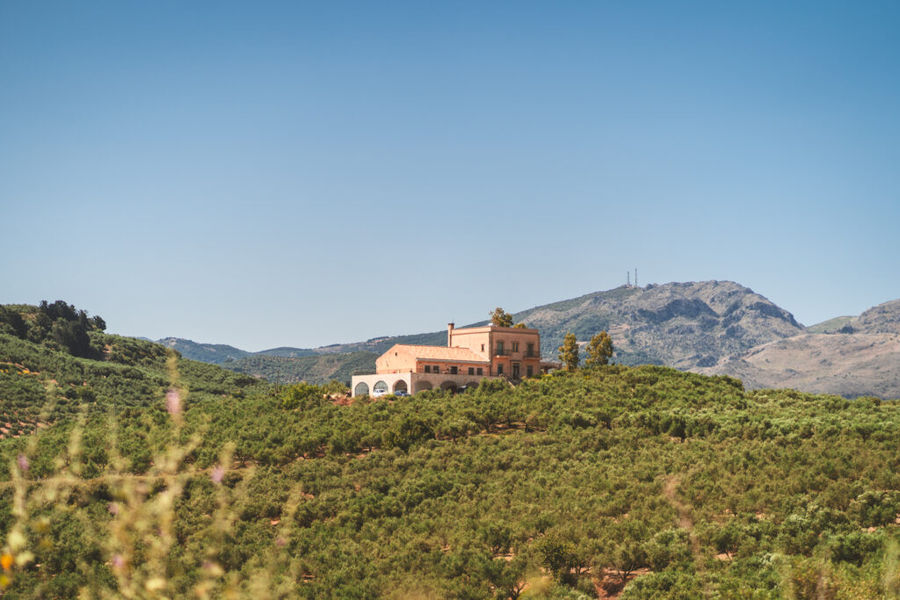
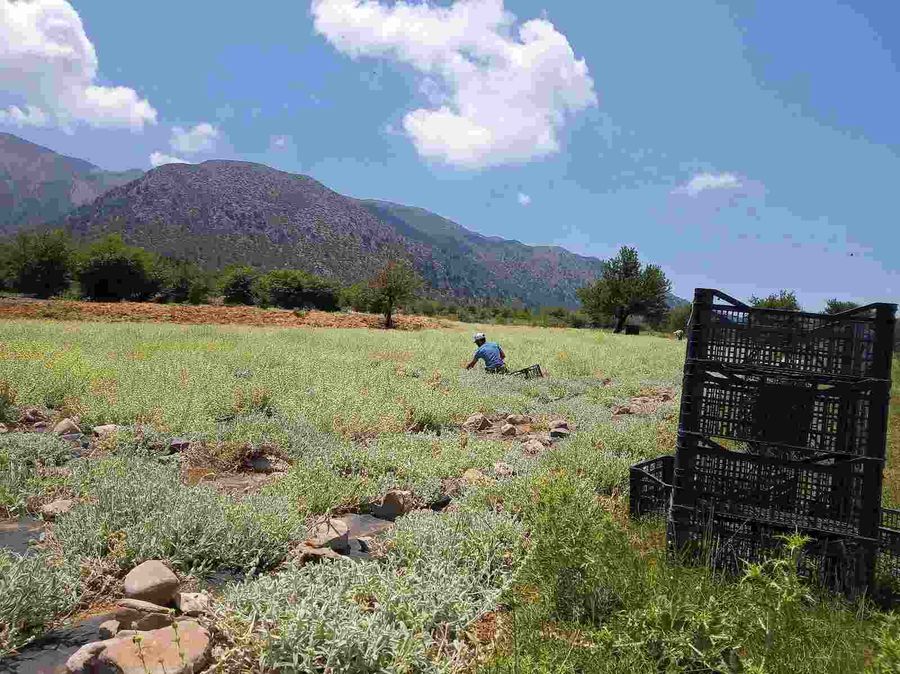
The village lies west of Aradena and is surrounded by an impressive landscape of mountains, forests, deep valleys, and traditional Cretan countryside.
The road to Agios Ioannis passes through a beautiful pine forest, one of the few remaining forests of this kind in Crete. Along the way, visitors can enjoy magnificent views towards the Libyan Sea and the southern slopes of the White Mountains.
Agios Ioannis has a fascinating history. Like neighbouring settlements such as Anopolis and Aradena, the village suffered destruction during the Ottoman period, particularly in 1770 and 1867.
Today, its quiet atmosphere, traditional architecture, and beautiful natural surroundings make it an interesting destination for travellers seeking to discover Sfakia’s authentic character.
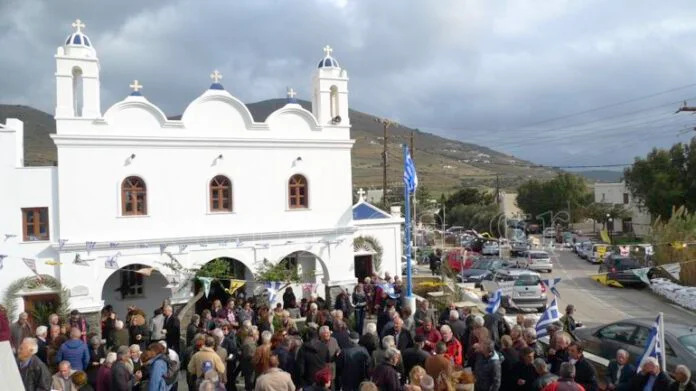
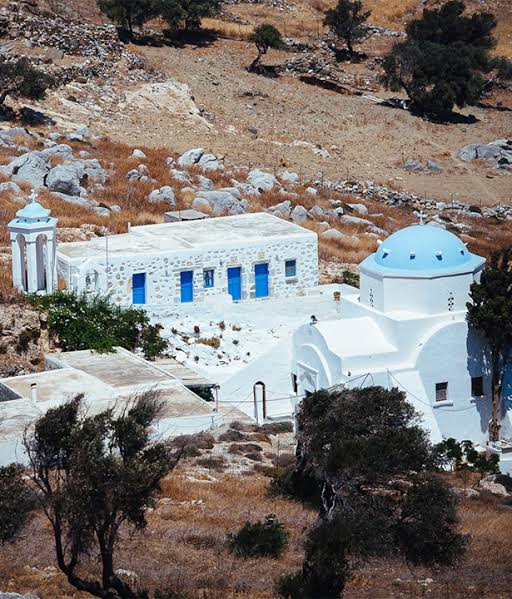
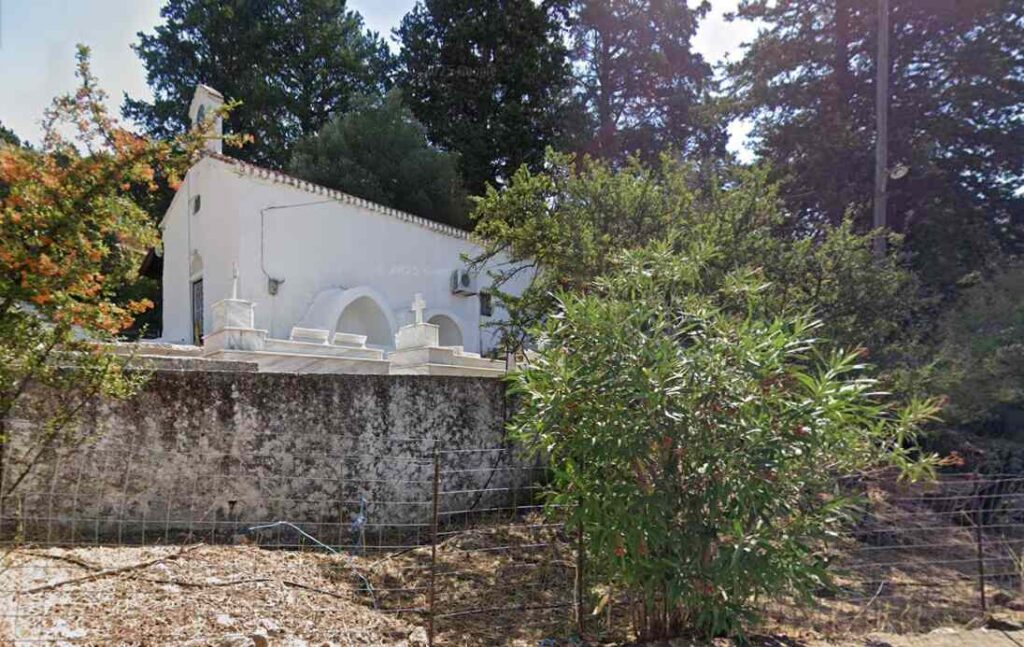
The village’s small Byzantine church dedicated to Saint John is the focal point of the annual May 8 celebration.
✝️ The Religious Celebration of Saint John the Theologian
The festival honours Saint John the Theologian (Agios Ioannis o Theologos), one of the most important figures in Orthodox Christianity.
Saint John was one of the twelve Apostles of Jesus Christ and is traditionally identified as the author of the Gospel of John, the three Epistles of John, and the Book of Revelation.
Known as the beloved disciple, he holds a particularly important place in the Orthodox Church.
His principal feast day is September 26, while May 8 commemorates a special tradition associated with his tomb in Ephesus.
According to Orthodox tradition, a miraculous dust known as manna appeared annually at his tomb and was associated with healing.
The Orthodox Church commemorates this event on May 8, which is why the date is particularly significant for churches and communities dedicated to Saint John the Theologian.
The Divine Liturgy and Traditional Offerings
The religious celebration in Agios Ioannis brings together village residents and neighbours, as well as visitors who travel to honour the saint.
The morning service traditionally includes:
- Orthros (Matins): The morning prayer service preceding the Divine Liturgy.
- Festive Divine Liturgy: The central religious service dedicated to Saint John.
- Blessing of Offerings: Local families bring traditional offerings, including bread, cheese, and other food products.
- Community Gathering: Worshippers gather to celebrate the feast and share the village’s hospitality.
The church and its surrounding courtyard become the centre of the celebration, preserving a religious tradition that connects the local community with its history and heritage.
The Journey to Agios Ioannis: A Scenic Mountain Adventure
One of the most memorable aspects of attending the Saint John’s Festival in Sfakia is the journey through the mountainous landscape.
Reaching the village involves travelling along winding mountain roads surrounded by forests, steep slopes, and impressive views.
For generations, the journey to the village and its church has been an important part of the annual celebration.
How to Get to Agios Ioannis
From Aradena
The road from Aradena to Agios Ioannis passes through a beautiful pine forest, offering spectacular views of the Libyan Sea and the southern slopes of the White Mountains.
The distance from Aradena to Agios Ioannis is approximately 5 kilometres.
From Chora Sfakion
Visitors travelling from Chora Sfakion can reach Agios Ioannis by following the mountain road towards Anopolis and Aradena.
The village is approximately 14 kilometres from Sfakia along the road connecting the settlements.
The drive offers an excellent opportunity to explore the rugged landscapes and traditional villages of southern Crete.
Practical Information for Visitors
If you are planning to attend the Saint John’s Festival in Sfakia, here are some useful tips.
- Event: Saint John’s Festival (Agios Ioannis o Theologos).
- Date: May 8 every year.
- Location: Agios Ioannis village, Sfakia, Chania, Crete, Greece.
- Altitude: Approximately 800 metres above sea level.
- Religious celebration: Festive Orthodox Divine Liturgy.
- Getting there: By car from Chora Sfakion, via Anopolis and Aradena.
- Distance from Aradena: Approximately 5 kilometres.
- What to wear: Comfortable shoes and suitable clothing for cooler mountain conditions.
- What to bring: Water, a camera, and some cash.
- Best time to arrive: Early in the morning to attend the religious service and enjoy the traditional gathering.
The mountain roads are winding and can be narrow in places. Drive carefully and check local road conditions before travelling.
If you plan to explore the surrounding hiking routes, bring appropriate footwear and check the route difficulty in advance.
Hiking and Nature Exploration
The wider area around Agios Ioannis is particularly attractive to hiking enthusiasts.
Several traditional paths connect the surrounding settlements and mountain landscapes, offering opportunities to explore Sfakia’s natural beauty and history.
Visitors interested in longer walks can also discover routes to Livaniana and the Aradena Gorge, though they should plan these separately based on distance, weather, and trail conditions.
The journey itself is part of the experience, offering a glimpse into the remote mountain communities that have shaped southern Crete’s cultural identity.
A Celebration of Flavours: Traditional Sfakian Gastronomy
Food is one of the most important elements of a traditional Cretan panigyri.
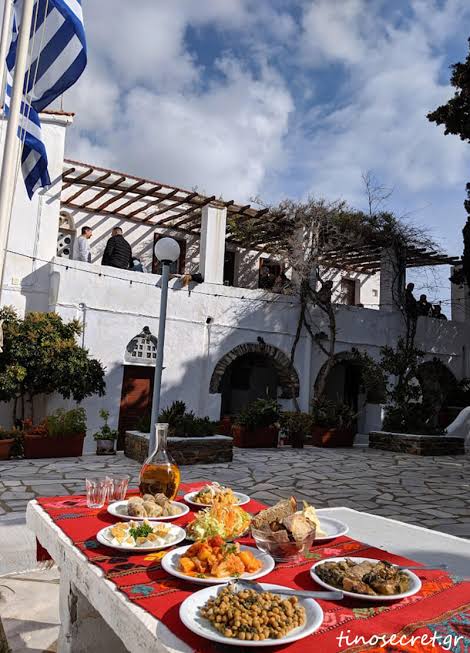
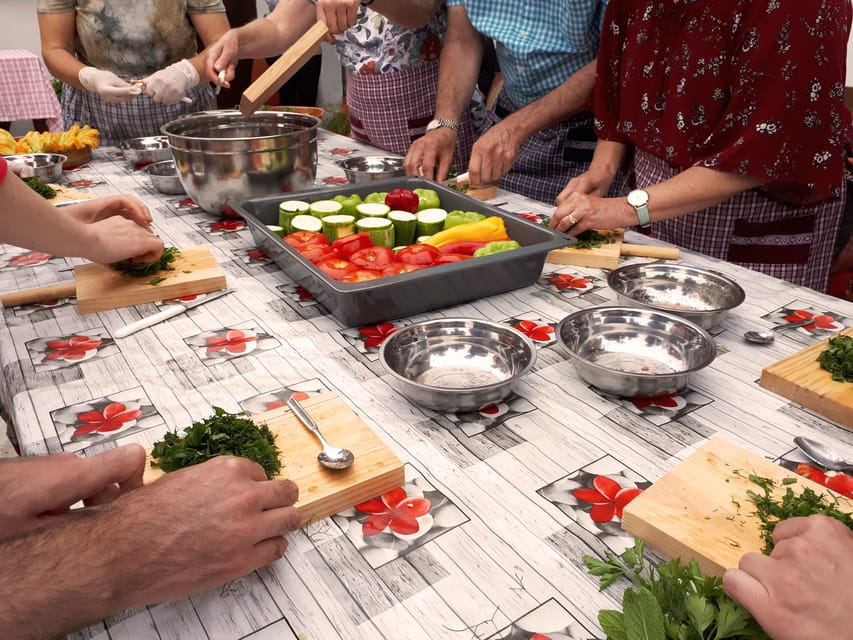
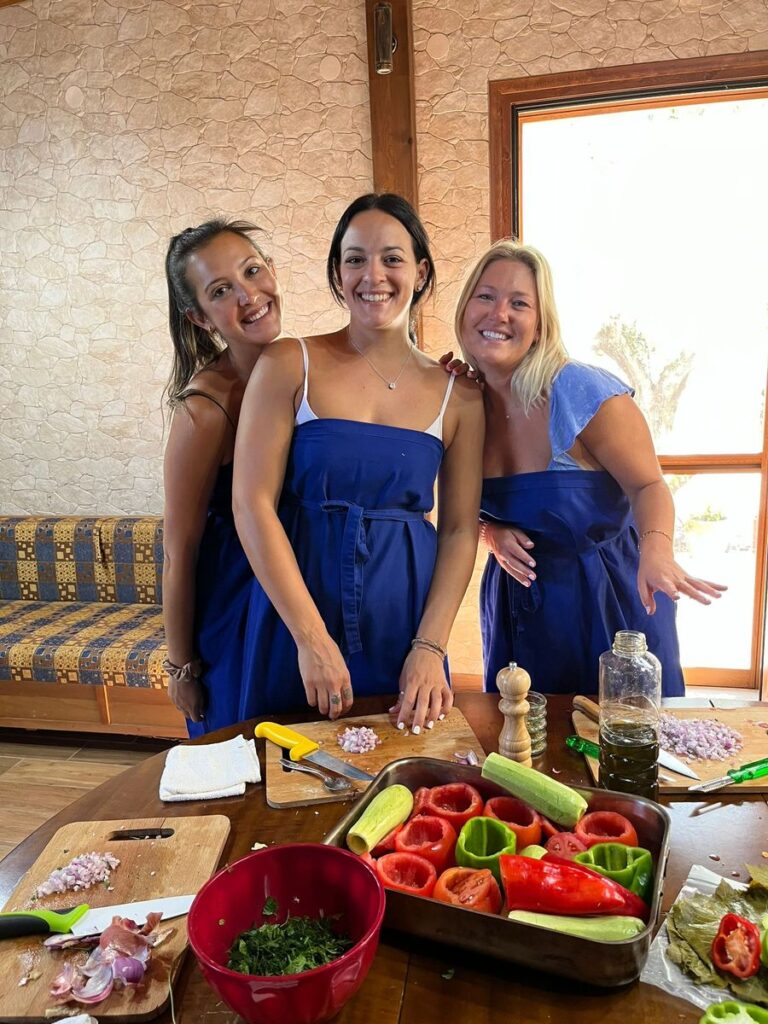
In Sfakia, the annual celebration of Saint John is marked by generous hospitality, communal meals, and traditional dishes made with local ingredients.
The region’s gastronomy reflects its mountainous character and pastoral traditions, with lamb, goat, dairy products, homemade bread, and aromatic herbs playing an important role.
Traditional Mountain Dishes
Charcoal-Roasted Lamb and Goat
Lamb and goat are among the most characteristic meats of Sfakian cuisine.
Traditionally prepared over charcoal or an open fire, they are seasoned simply with salt, oregano, and lemon, letting the meat’s natural flavour stand out.
Traditional Boiled Meat with Rice (Vrasto me Pilafi)
A well-known Cretan mountain dish consisting of slowly boiled meat served with rice cooked in the flavourful meat broth.
It is particularly associated with traditional gatherings and communal feasts in rural Crete.
Wild Greens and Aromatic Herbs
Sfakia’s mountainous countryside provides a wide variety of seasonal wild greens and aromatic herbs.
Locally gathered greens are often prepared with olive oil and lemon, while herbs such as oregano and thyme flavour traditional dishes.
Cretan Cheeses and Dairy Products
The region’s pastoral traditions have contributed to a rich cheesemaking heritage.
Traditional products that visitors may encounter include:
- Anthotyros: A mild cheese available in fresh and dried varieties.
- Xinomizithra: A fresh, soft cheese with a pleasantly tangy flavour.
- Graviera: A traditional hard cheese with a rich, slightly sweet taste.
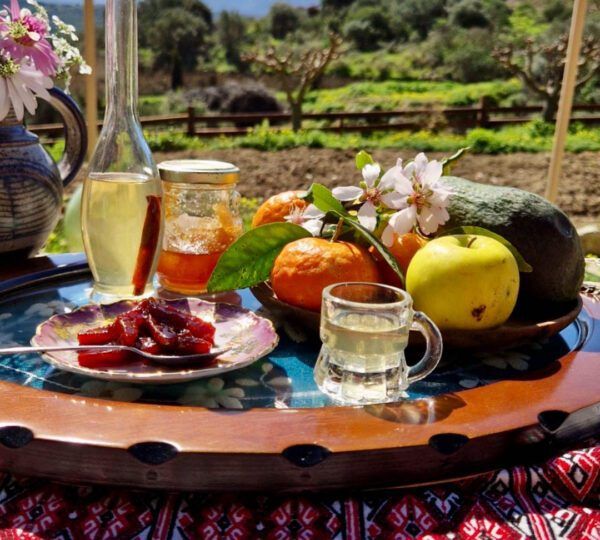
These cheeses are often served with homemade bread, olive oil, honey, and local accompaniments.
Homemade Bread and Traditional Rusks
Bread has always been an essential part of Cretan hospitality.
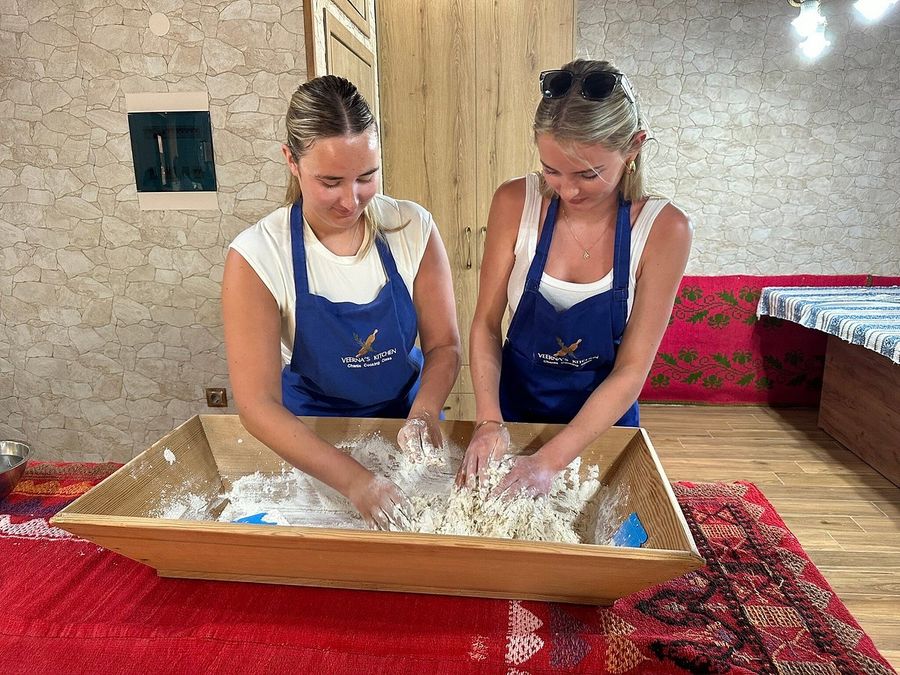
During traditional village celebrations, guests share homemade bread and barley rusks, which accompany communal meals.
In the past, families from surrounding settlements would bring bread, cheese, and meat as offerings for the celebration.
Historical accounts of the Agios Ioannis festival describe the church filling with food offerings before the communal gathering continued in the village.
This tradition illustrates the importance of sharing food as an expression of faith, generosity, and community solidarity.
Raki and Local Wine
No traditional Sfakian celebration would be complete without local drinks.
Raki (Tsikoudia) is Crete’s traditional grape-based spirit, commonly offered to guests as a gesture of hospitality.
Local wine is also an important part of the communal meal, accompanying traditional meat dishes, cheeses, and homemade delicacies.
Sharing food and drinks is not simply part of the celebration; it expresses the close relationships and traditions that characterise Sfakia’s communities.
Cretan Music, Mantinades and Traditional Dancing
Music is at the heart of Cretan cultural identity, and traditional village celebrations offer a chance to experience the island’s musical heritage.
During the Saint John’s Festival, traditional Cretan music accompanies the communal gathering and creates a lively atmosphere.
The Cretan lyra and lute (laouto) are the instruments most closely associated with the island’s musical tradition.
Their melodies accompany traditional dances and songs, while locals share mantinades – short, improvised rhyming verses that express emotions, humour, love, memories, and everyday experiences.
Mantinades are particularly important in Cretan culture, reflecting the island’s strong oral tradition and the creativity of its people.
Traditional dancing brings everyone together, with locals and visitors joining hands and participating in the celebration.
The festival offers a chance to experience Cretan music not simply as entertainment, but as a living cultural expression passed down through generations.
📅 Indicative Programme of the Saint John’s Festival
The celebration traditionally takes place on May 8, with the religious service followed by a communal gathering.
The following is a suggested visitor itinerary, not an officially confirmed timetable.
| Time | Activity |
|---|---|
| 07:00–08:00 | Arrival of pilgrims and visitors in Agios Ioannis |
| 08:00–09:30 | Orthros and Festive Divine Liturgy |
| 09:30–10:30 | Blessing and sharing of traditional offerings |
| 10:30–12:00 | Community gathering and traditional hospitality |
| 12:00–13:00 | Communal meal with local Sfakian specialities |
| 13:00–15:00 | Traditional music, mantinades, and dancing |
| 15:00–16:00 | Time to explore the village and surrounding landscape |
| 16:00 onwards | Departure or informal gatherings with local residents |
The exact programme and timing may vary. Visitors should confirm arrangements with the local community before travelling.