A Celebration of Faith, Farming and Tinian Hospitality
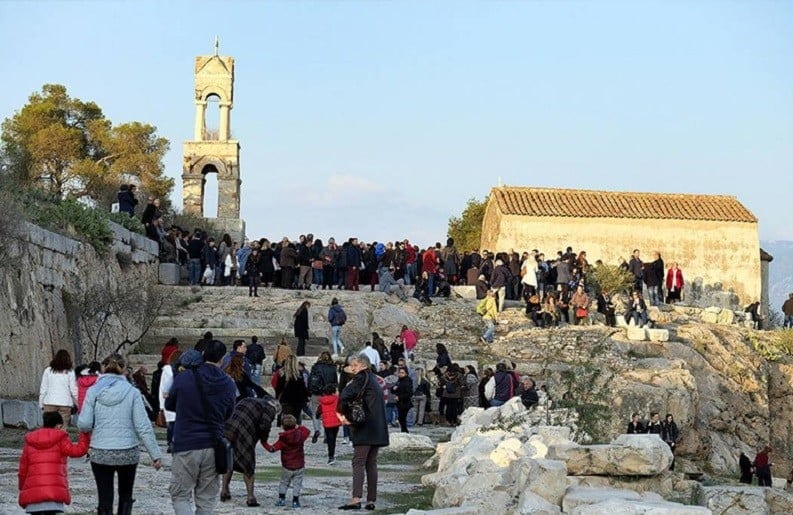
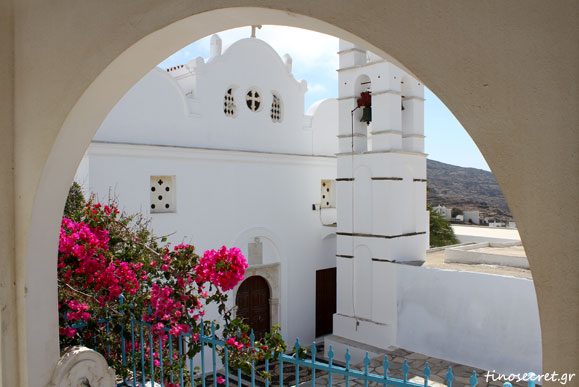
Every year on 10 February, Gyrla on the island of Tinos becomes a gathering place for faith, tradition, and local gastronomy. The Festival of Saint Charalambos in Gyrla, held at the historic Holy Trinity (Agia Triada) religious foundation, preserves a custom closely connected with the island’s agricultural and pastoral life.
For generations, farmers and livestock breeders gathered here on the feast day to honour Saint Charalambos, attend the Divine Liturgy and take part in the celebration that followed. The tradition reflects the saint’s longstanding place in the lives of Tinian farming communities, who turned to him for protection and blessings for themselves and their animals.
A feast rooted in Tinos’ farming traditions
The Festival of Saint Charalambos in Gyrla is more than a religious observance. It recalls a time when the agricultural and religious calendars were closely intertwined. According to local accounts, farmers and herders would bring their animals to the area, seeking the saint’s blessing and protection against disease.
Saint Charalambos is honoured in several places across Tinos on 10 February, including Gyrla, Tarampados and other settlements. The celebration at Agia Triada, however, is particularly associated with the island’s livestock breeders and the community’s older pastoral customs.
The religious programme centres on the festive Divine Liturgy. In general, the official announcement of the Municipal Sacred Foundation of Agia Triada listed Matins and the festive service for the morning of 10 February.
From the church service to a shared table
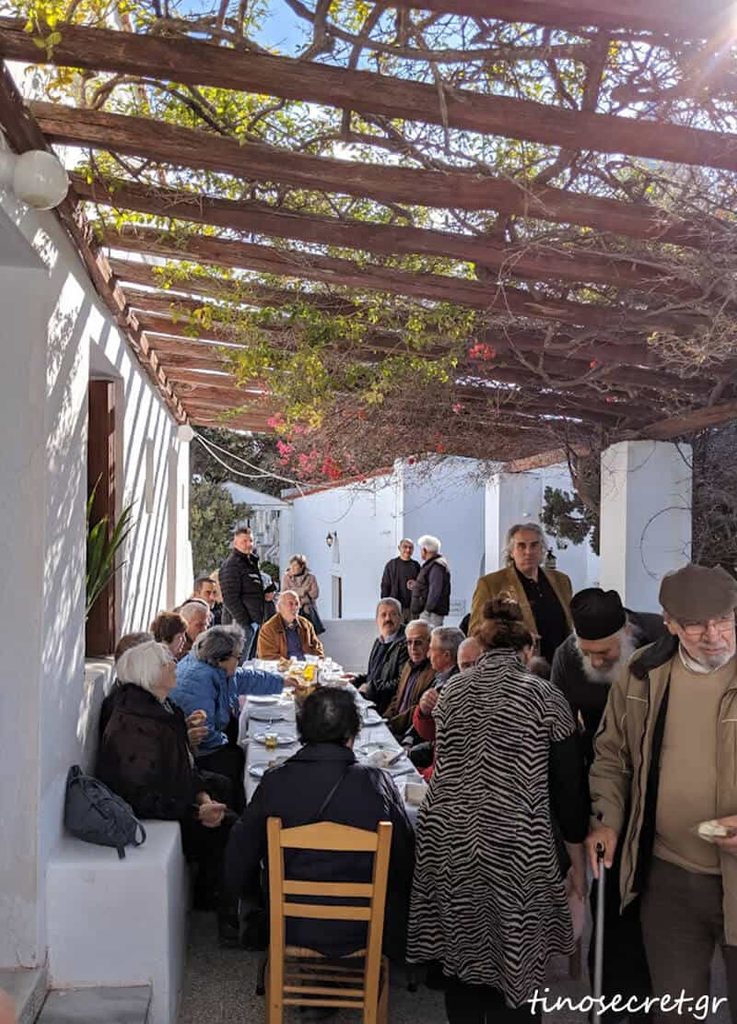
As with many traditional festivals on Tinos, the celebration continues beyond the church. After the service, visitors are welcomed with a traditional treat, turning the church gathering into an occasion for hospitality and community.
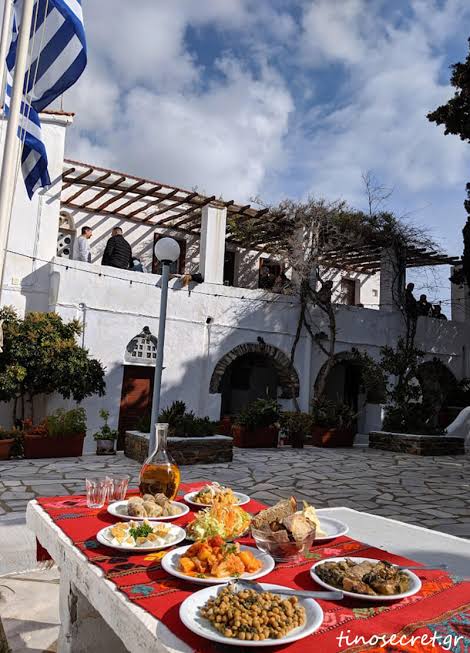
In a documented revival of the Gyrla festival, the Municipal Sacred Foundation of Agia Triada worked with the creative team of Tinos Food Paths to prepare the post-service offering. The food drew on Tinian culinary heritage, with the organisers placing particular emphasis on hospitality, local gastronomy, tradition, culture, and volunteer participation.
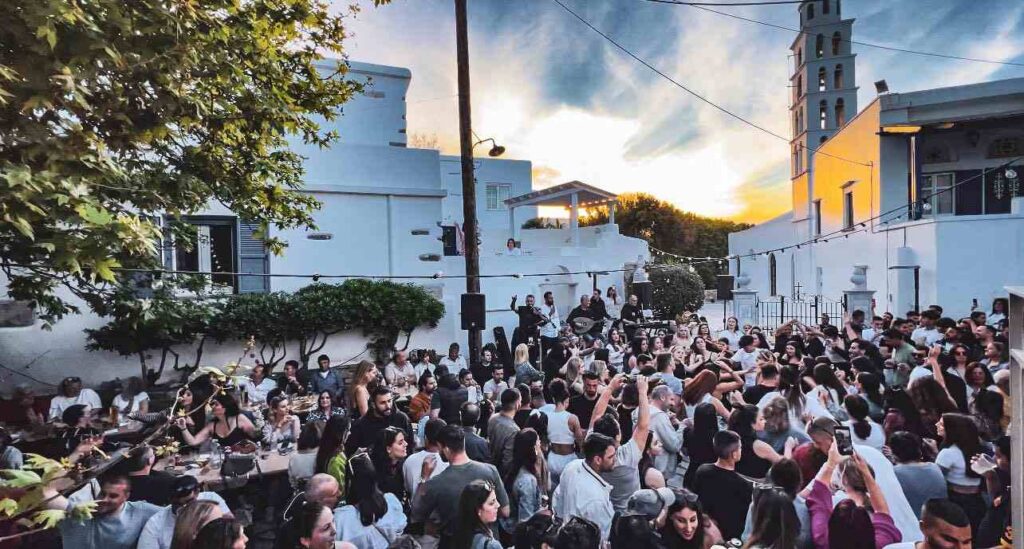
This shared meal is an important part of the island’s panigyri tradition. Religious celebrations in Tinos commonly bring people together in the churchyard after the liturgy, where local food and drink are offered to residents and visitors. The gatherings help preserve recipes and customs while strengthening the bonds between villages and families.
The flavours of Tinian hospitality
Tinos has a distinctive food culture shaped by its farming traditions, local produce and the resourcefulness of its island communities. Its celebratory tables often feature homemade dishes and products made from ingredients grown or produced on the island.
Among the best-known specialities are artichokes, prepared in several ways; sun-dried tomatoes in batter; and fourtalia, the traditional Tinian omelette, often made with potatoes and local sausage. Another characteristic dish is savore, a sweet-and-sour preparation of fried fish with a sauce made from local grape syrup or molasses.
The island’s cured meats are also celebrated. Louza, a cured pork delicacy, and saltsisi, a traditional sausage, are frequently mentioned among Tinos’ signature products. Local cheeses include graviera and kopanisti, alongside lesser-known island varieties.
Sweet treats are equally important at festive gatherings. Visitors may encounter amygdalota (almond sweets), xerotigana (crispy fried pastries with syrup or honey), karidota (walnut sweets), pasteli (sesame and honey bars), and psarakia—small fish-shaped sweets traditionally associated with Tinos. Local thyme honey and homemade raki complete the picture of island hospitality.
Keeping a living tradition alive
The Festival of Saint Charalambos in Gyrla brings together elements that remain central to Tinian identity: Orthodox faith, respect for the land and animals, local food, and the willingness to welcome others around a shared table.
The collaboration between the Municipal Sacred Foundation of Agia Triada and Tinos Food Paths shows how local organisations and volunteers can keep these customs meaningful for younger generations while presenting Tinian gastronomy as an essential part of the island’s cultural heritage. Rather than treating food as a separate attraction, the celebration places it within the wider story of community, memory and religious tradition.
For visitors on Tinos in February, the feast offers a glimpse of the island beyond its summer season: a quieter, more intimate celebration shaped by the people who live and work here year-round.
A Tinian Feast: Homemade Delicacies and Local Hospitality
The Festival of Saint Charalambos in Gyrla is also an opportunity to experience the generous hospitality the people of Tinos are known for.
Those celebrating their name day traditionally open their homes to relatives, friends and visitors. Tables are carefully set with beautiful dinnerware and white tablecloths, while homemade food, sweets, and local drinks are offered throughout the gathering. The celebrations can continue well into the evening, reflecting the island’s strong tradition of hospitality and sharing.
Traditional treats at Tinian celebrations include psarakia, small fish-shaped pastries filled with a sweet mixture of almonds, breadcrumbs, orange zest, and spices, as well as meringues, pasteli, and xerotigana, delicate fried pastries traditionally drizzled with honey or syrup. Guests can also enjoy homemade raki.
These recipes reflect the island’s culinary heritage, where local ingredients, seasonal produce and family traditions have shaped a distinctive gastronomic identity.
Discovering the Gastronomy of Tinos
Tinos is one of the Cyclades’ most interesting culinary destinations, with a food culture deeply connected to agriculture, livestock farming and traditional food preservation.
The island is particularly famous for its artichokes, which are cultivated in fertile areas such as the valley of Komi. They are prepared in numerous ways, including artichokes with rice, artichokes cooked à la polita, pickled artichokes and delicious artichoke pies.
Another local favourite is sun-dried tomatoes, preserved under the Aegean sun and used in salads, sauces, and traditional recipes. They are also fried in batter, creating a simple but flavourful island speciality.
Other dishes worth discovering include:
- Fourtalia: A traditional Tinian omelette, usually prepared with potatoes, local sausage and cheese.
- Savore with molasses: Fish prepared with a sweet-and-sour sauce, traditionally using local grape syrup.
- Fried sun-dried tomatoes: A delicious local speciality, often served with Tinian cheese.
- Louza: One of the island’s best-known cured meats, made from pork tenderloin marinated in wine and aromatic spices, then air-dried.
- Saltsisi: A traditional local cured sausage, often seasoned with garlic and aromatic herbs.
Tinos also has a remarkable cheese-making tradition. Among its best-known cheeses are graviera, kopanisti, petroma, volaki and malathouni. These cheeses reflect the island’s longstanding livestock-breeding and dairy-production traditions.
The island’s sweets are equally distinctive. In addition to psarakia and xerotigana, visitors should look for amygdalota (almond sweets), karidota (walnut sweets), pasteli, loukoumi and different varieties of halva. Local thyme honey is another product worth discovering, reflecting the Cycladic landscape’s rich aromatic vegetation.
The Festival of Saint Charalambos in Gyrla: A Celebration of Tinian Identity
The Festival of Saint Charalambos in Gyrla is much more than a religious celebration. It expresses the island’s living traditions, bringing together the spiritual, cultural, and gastronomic elements that define Tinian identity.
From the beautifully decorated village church and the traditional dovecotes scattered across the green valley to the homemade delicacies shared around family tables, the celebration offers a glimpse into a way of life shaped by faith, community and hospitality.
For visitors exploring Tinos, attending a local panigyri is a wonderful opportunity to experience the island beyond its beaches and popular summer attractions. Through these small village celebrations, the traditions, flavours, and genuine hospitality of the Cyclades continue to thrive.
Photo: tinostodaygr