A Gateway to Arcadia
Tripolis is the capital of the Arcadia region in the central Peloponnese of Greece. Nestled in a highland plain, surrounded by Arcadia’s lush, rugged mountains, this charming city combines historical significance with modern amenities, making it a delightful destination for visitors.
Tripolis lies approximately 150 kilometres southwest of Athens, making it easily accessible for a day trip or a more extended stay. It is about 650 meters above sea level, providing a temperate climate. Summers are mild, and winters can be chilly, often accompanied by snow in the nearby mountains, making it an excellent year-round destination.
A Glimpse into the History of Tripoli
Tripoli occupies a strategic position in the heart of Arcadia and has long served as a major crossroads in the Peloponnese. While the wider Arcadian region has been inhabited since antiquity and is closely associated with Greek mythology and pastoral traditions, modern Tripoli developed primarily during the Ottoman period, when it became a major administrative, commercial, and military centre in southern Greece.
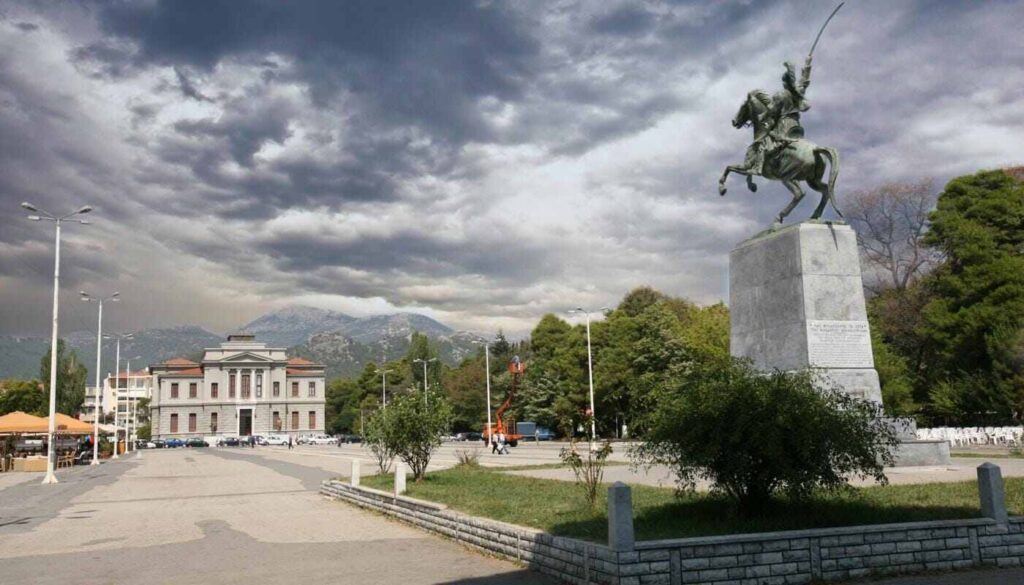
The city played a pivotal role in the Greek War of Independence. In 1821, Tripolis became one of the most significant battlegrounds of the revolution, culminating in its capture by Greek revolutionary forces led by prominent figures such as Theodoros Kolokotronis. The liberation of Tripolis marked a major turning point in the struggle for Greek independence and remains one of the defining moments in the city’s history. Today, this legacy is commemorated through monuments and landmarks throughout the city, including the prominent statue of Kolokotronis, one of the most celebrated heroes of the Greek Revolution.
Following the establishment of the modern Greek state, Tripoli evolved into the administrative capital of Arcadia and continues to serve as an important centre for education, commerce, and regional governance.
Modern Tripolis
Today, Tripolis is a vibrant city blending traditional and modern elements. Its economy is based on agriculture, commerce, and services. The local cuisine features hearty Peloponnesian dishes, often highlighting lamb, goat, and locally produced wines.
Whether as a historical and cultural hub or a starting point for Arcadian adventures, Tripoli provides a compelling slice of Greece, rich in tradition and natural splendour.
Cultural Highlights
- Plateia Agiou Vasileiou: The central square of Tripoli, bustling with cafes, restaurants, and shops, is a great place to experience the local way of life.
- Archaeological Museum of Tripoli: Housed in a neoclassical building, the museum offers insights into the region’s history, with artefacts from the Mycenaean period through Roman times.
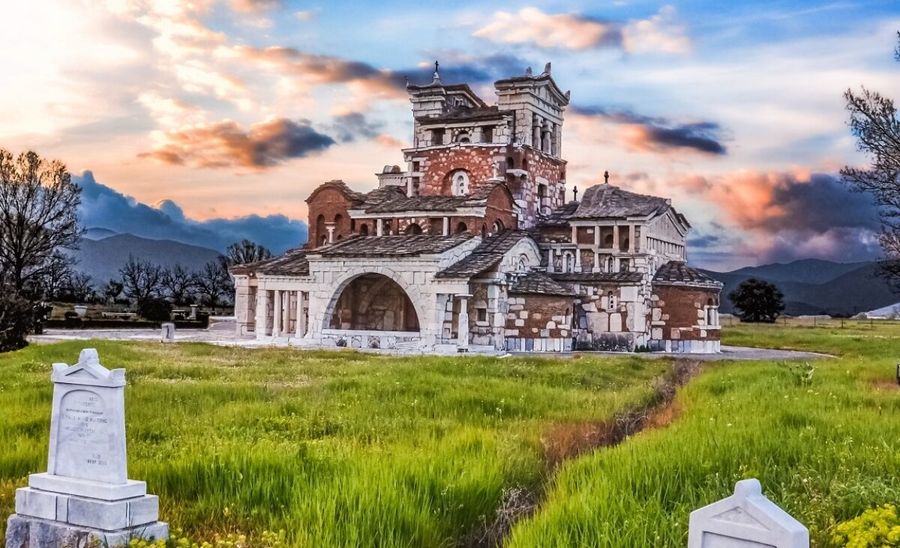
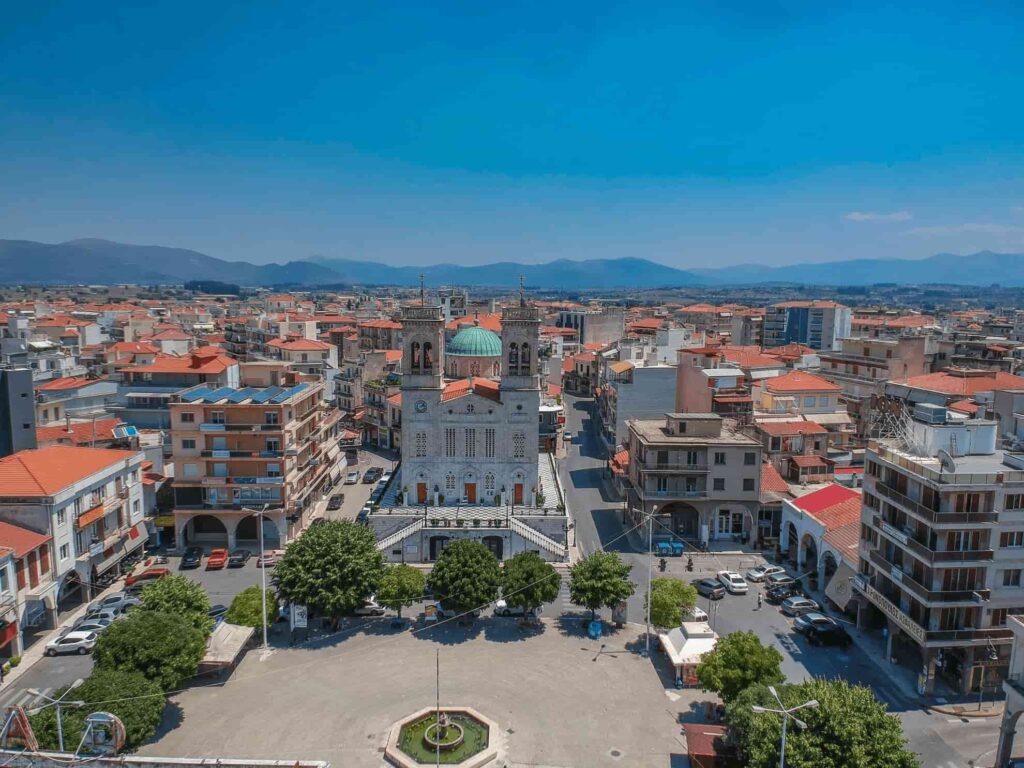
- Church of Agios Vasileios: A stunning Orthodox church that dominates the city centre is known for its impressive architecture and spiritual ambience.
Nature and Nearby Attractions
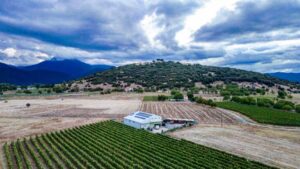
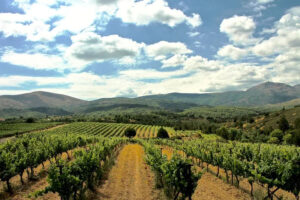
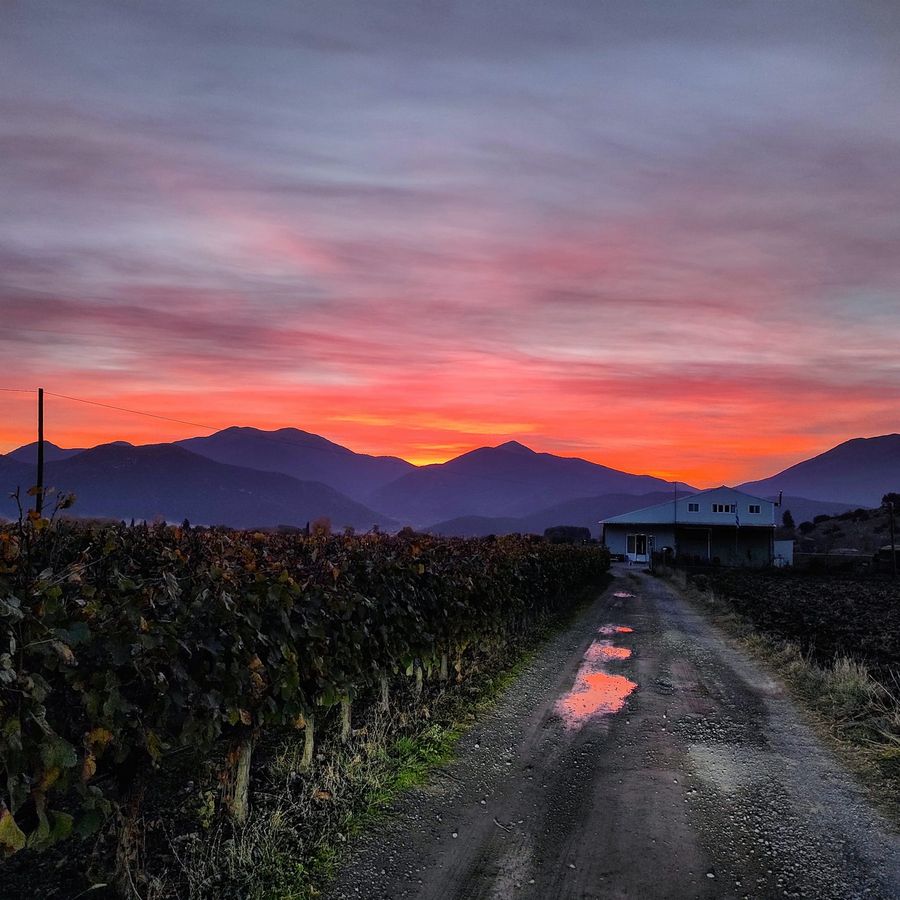
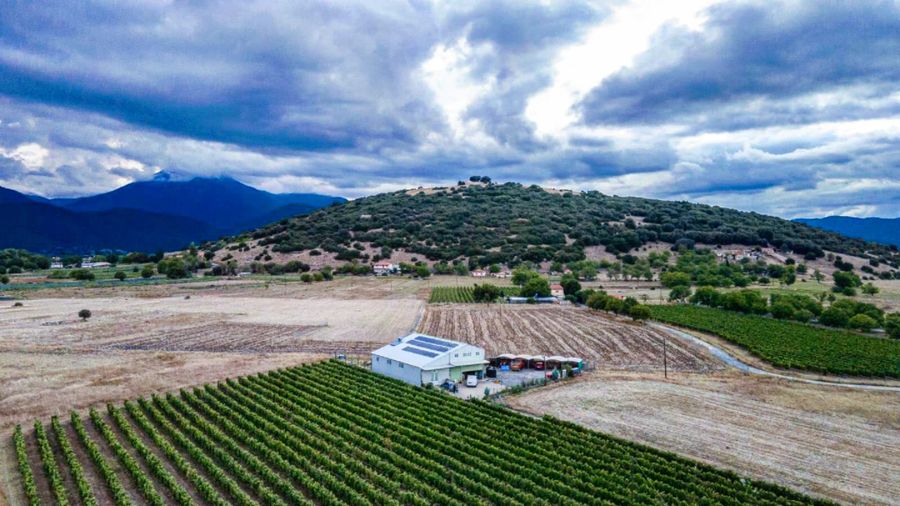
Situated on the Arcadian plateau and surrounded by the mountains of Mainalo, Parnon, and Artemisio, Tripoli is characterised by a landscape of forests, valleys, caves, and traditional stone-built villages. The region’s altitude and continental climate, with cold winters and mild summers, have shaped local agriculture and rural life for centuries. Fertile farmland, vineyards, orchards, and grazing areas continue to support a strong agricultural tradition that remains central to the local economy and identity. Tripolis is a gateway to exploring Arcadia’s natural beauty:
- Mainalo Mountain: Ideal for hiking, skiing, and exploring traditional villages like Vytina and Dimitsana.
- Ancient Mantineia: A short drive from Tripoli, this archaeological site features ruins of a significant ancient city-state, including a theatre and temple remains.
- Kapsia Cave: Known for its striking stalactites and stalagmites, this cave offers a magical subterranean experience.
The Gastronomic Identity of Tripoli
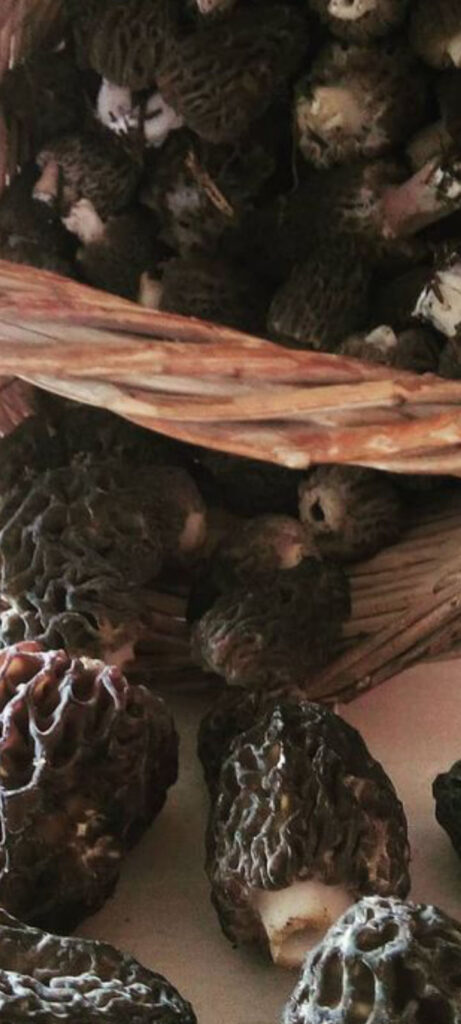
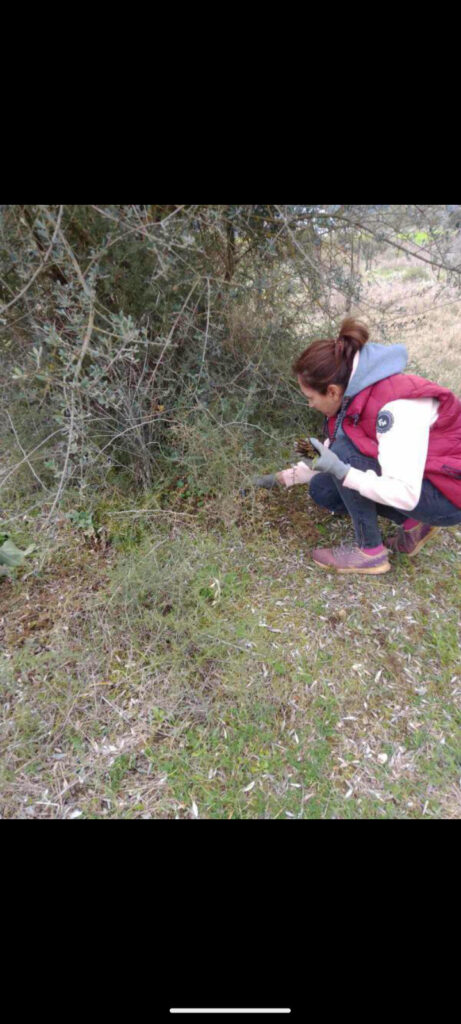
The cuisine of Tripoli reflects the richness of Arcadia’s countryside and its long-standing farming and pastoral traditions. Local gastronomy is based on high-quality meats, dairy products, handmade pies, legumes, wild greens, mushrooms, and seasonal produce sourced from the surrounding mountains and plains. Lamb, goat, pork, and game feature prominently in traditional recipes, while aromatic mountain herbs such as oregano, thyme, and sage add distinctive flavours to many dishes.
Family cooking remains deeply rooted in local culture, with handmade pasta, wood-fired breads, and slow-cooked recipes continuing to occupy an important place on the table. The villages surrounding Tripoli are also renowned for their artisanal cheeses, honey, walnuts, chestnuts, and traditional spoon sweets, all of which reflect the region’s agricultural abundance and enduring culinary heritage.
Local Products
- Tsakonian Eggplants: A distinctive variety known for its sweet flavour, ideal for grilling or roasting.
- Honey: Produced in mountain villages, Arcadian honey is prized for its purity and aromatic profile.
- Cheese: Tripolis is famous for its local cheeses, such as feta, mizithra, and graviera, often made from goat or sheep’s milk.
- Olive Oil: The region produces high-quality, extra-virgin olive oil, a staple in local cuisine.
- Wine: Arcadia is known for excellent wines, particularly Moschofilero, a fragrant white from Mantineia’s vineyards.
- Herbs: Wild oregano, thyme, and sage are gathered from the surrounding mountains and used in cooking or as herbal teas.
Explore Our Tripolis Food Tours
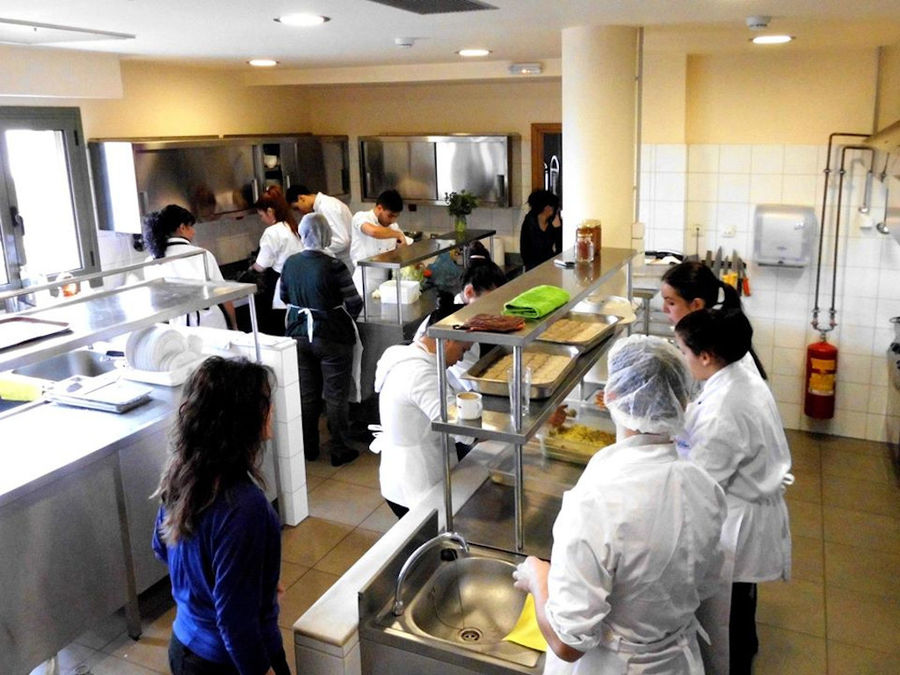
Discover Tripolis through its food with tours designed for travellers who want to meet local producers and learn about the region’s products and cuisine. Visit farms and small workshops, see how food is made, and gain a genuine insight into the region’s everyday food culture.
Local Dishes
- Kokoras Krasatos (Rooster in Wine Sauce): A rustic dish where the rooster is slow-cooked in red wine with spices, often served with handmade pasta.
- Lahanodolmades: Cabbage leaves stuffed with minced meat and rice, served with an egg-lemon (avgolemono) sauce.
- Goglies: A traditional Arcadian handmade pasta, often served with a simple tomato sauce or melted butter and cheese.
- Grilled Lamb or Goat: Seasoned with slow-roasted mountain herbs, this dish showcases the region’s high-quality meat.
- Pita Bread with Cheese: Freshly baked pies filled with local cheeses, often enjoyed as a snack or appetiser.
- Diples: A sweet dessert made of thin dough, fried, and coated in honey syrup, often served during festive occasions.