A Coastal Gem of the Northern Peloponnese
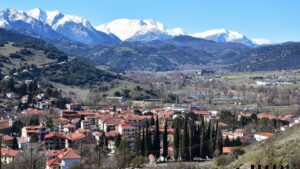
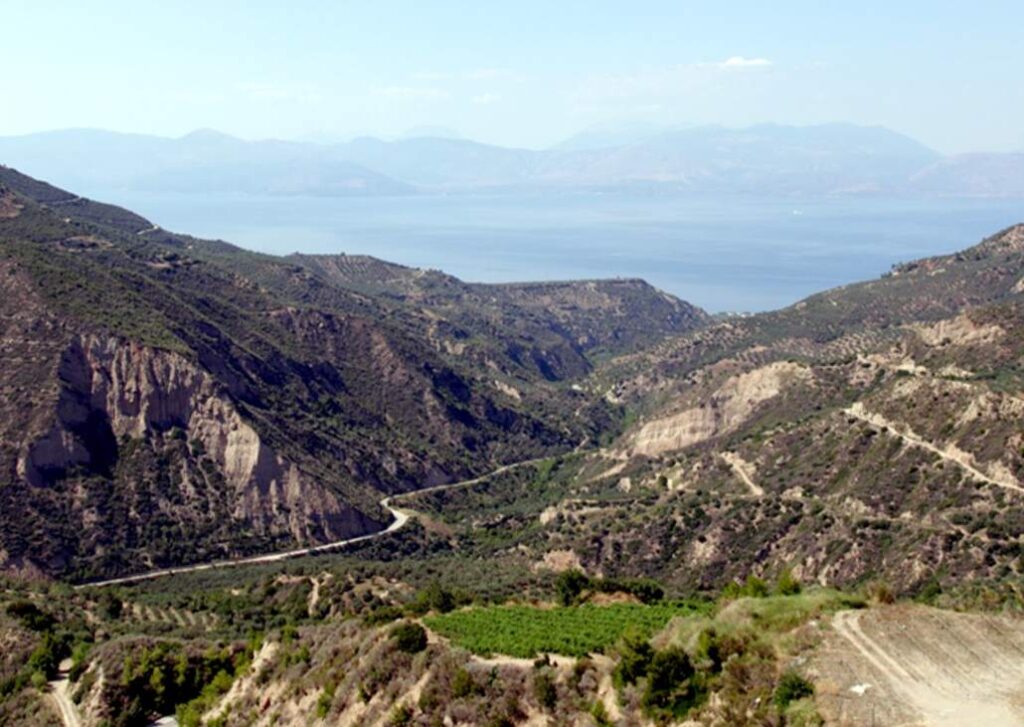
Aegialia is one of the most diverse regions of the northern Peloponnese, stretching from the shores of the Gulf of Corinth to the mountainous landscapes of Achaia. Centred around the coastal town of Aegio, the region combines fertile valleys, vineyards, olive groves, citrus orchards, and traditional mountain villages, creating a landscape that has shaped local life and gastronomy for centuries.
Aegialia’s unique geography, where mountains descend towards the sea, produces a wide variety of agricultural products and contributes to one of Greece’s most distinctive wine-producing areas. The history of Aegialia spans millennia, with roots tracing back to ancient Greece. In antiquity, it was part of the Achaean League, a powerful alliance that played a vital role in shaping classical Greek civilisation. The region’s name derives from the Greek word “aegialos,” meaning “coast,” reflecting its prominent position along the Corinthian Gulf.
During Byzantine and Ottoman times, agriculture and trade remained central to the local life of Aegialia, while the development of currant cultivation in the 19th century transformed the regional economy. During the Greek War of Independence in the 19th century, Aegialia became a key battleground, particularly around Aigio and nearby settlements. Today, the area preserves its rich heritage through historic churches, traditional villages, and a vibrant local culture deeply connected to the land and sea. The export of Corinthian currants brought considerable prosperity to Aegialeia, connecting the area with international markets and helping shape the architectural and cultural character of many towns and villages.
Landmarks
Aegialia boasts a variety of landmarks, each reflecting its natural beauty and historical significance:
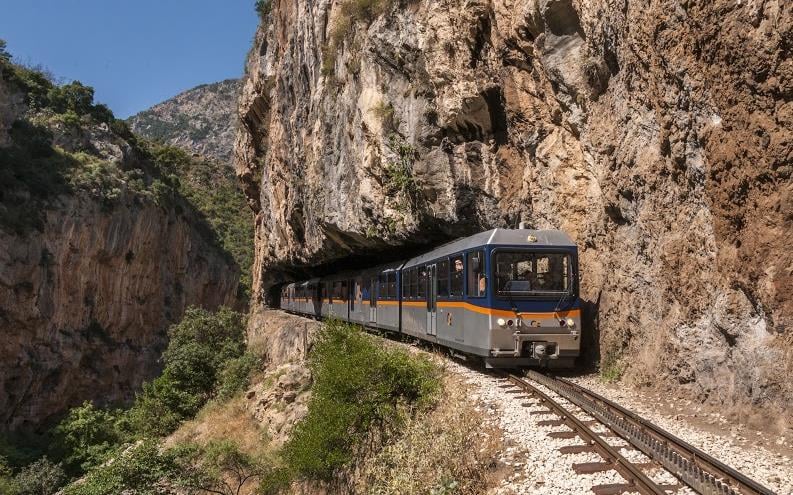
- Odontotos Rack Railway: Connecting Diakopto to Kalavryta, this historic railway passes through the Vouraikos Gorge, offering breathtaking views of cliffs, rivers, and tunnels.
- Mega Spileo Monastery: Built into a rock face, this 4th-century monastery is one of Greece’s oldest and most revered religious sites.
- Panagia Tripiti Church: Perched on a cliff overlooking the Corinthian Gulf in Aigio, this iconic church is an important pilgrimage site.
- Vouraikos Gorge: A natural wonder ideal for hiking, with dramatic landscapes and diverse flora and fauna.
- Kalavryta Holocaust Museum: A poignant reminder of the town’s tragic history during World War II, when it suffered a massacre by Nazi forces.
- Selianitika and Longos: Charming seaside villages with tranquil beaches and traditional tavernas.
Local Products
Aegialia is renowned for its high-quality agricultural products, thanks to its fertile soils and favourable climate:
- Currants: Aegialia is one of the world’s leading producers of black currants, particularly the famous “Vostizza currants,” with Protected Designation of Origin (PDO) status.
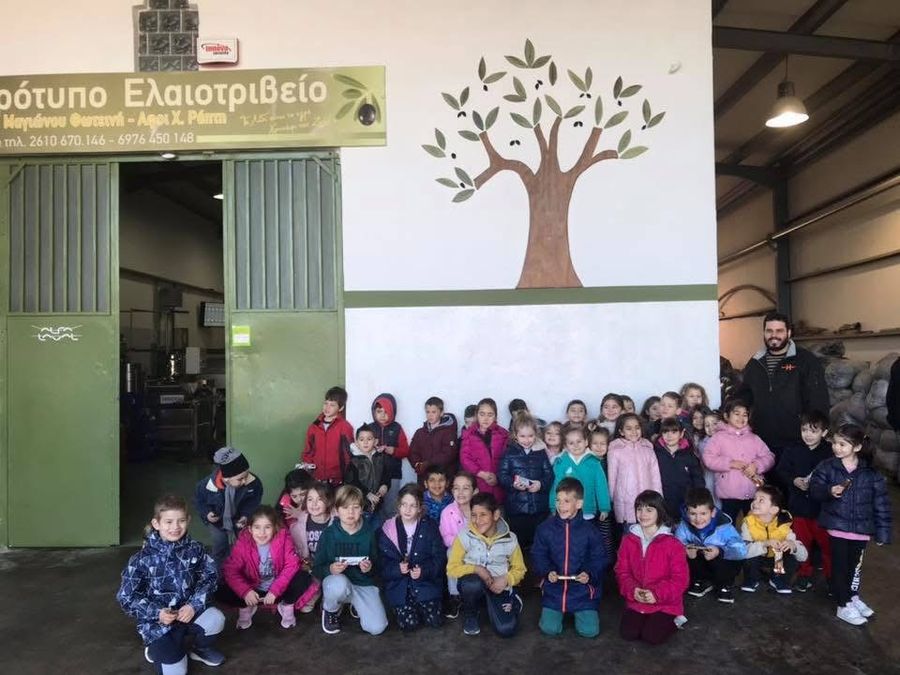
- Olive Oil: Extra virgin olive oil from Aegialia is prized for its exceptional taste and quality.
- Wine: The region is part of the wider Achaea wine-producing region, known for indigenous grape varieties such as Roditis and Mavrodaphne.
- Citrus Fruits: Oranges and lemons from the region are aromatic and flavorful.
- Cheeses: Local dairies produce feta, graviera, and other traditional Greek cheeses.
- Honey: Thyme and wildflower honey are particularly notable.
Explore Our Aegialia Food Tours
Vineyards and Wine Tradition
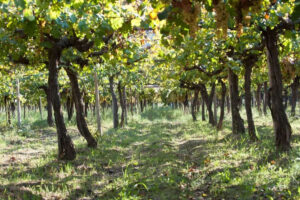
Aigialeia is internationally recognised for its vineyards, which are among the most distinctive in Greece. Many are planted on steep mountain slopes at elevations ranging from sea level to over 1,000 metres, creating a remarkable diversity of microclimates.
The region is particularly known for the indigenous grape variety Roditis, which thrives in the cool mountain conditions and produces fresh, aromatic wines. Other Greek and international varieties are also cultivated, contributing to a dynamic and evolving wine culture.
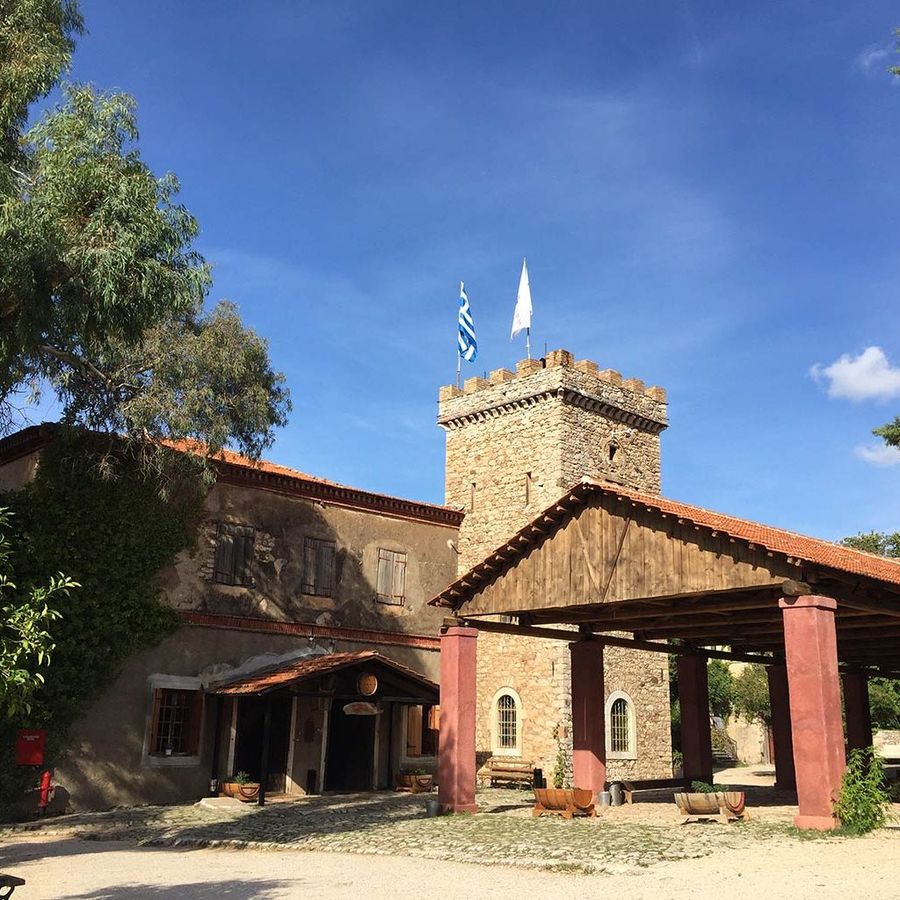
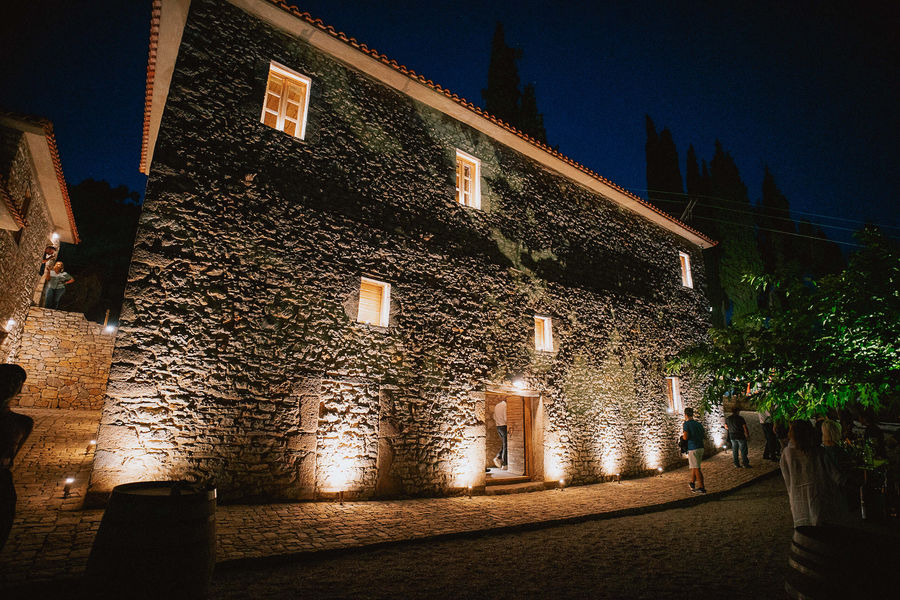
Local wineries combine traditional knowledge with modern techniques, making Aigialeia an increasingly important destination for wine tourism in the Peloponnese.
Nature, Culture and Authentic Experiences
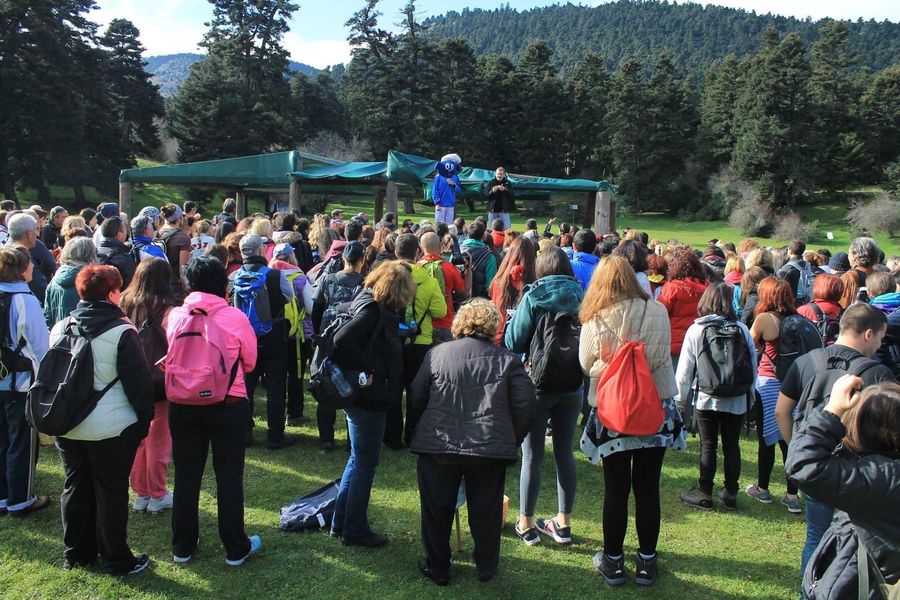
Beyond its gastronomy, Aegialeia offers visitors a rich combination of natural beauty and cultural heritage. Coastal towns, traditional villages, monasteries, hiking routes, and panoramic views over the Gulf of Corinth create opportunities for exploration throughout the year.
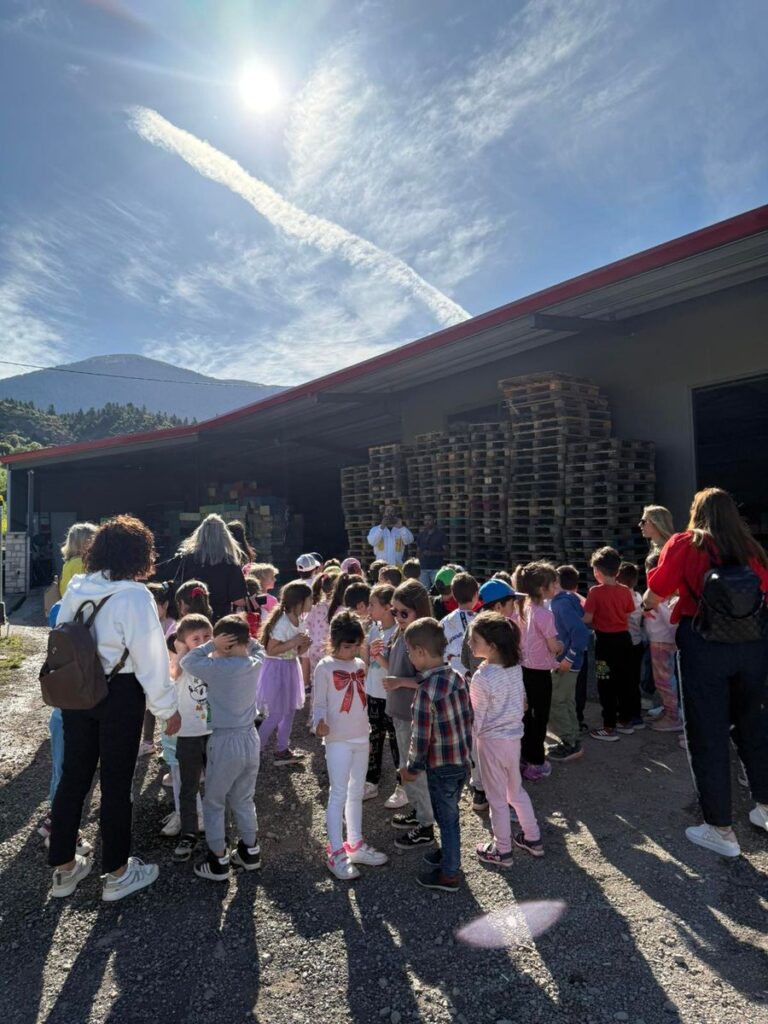
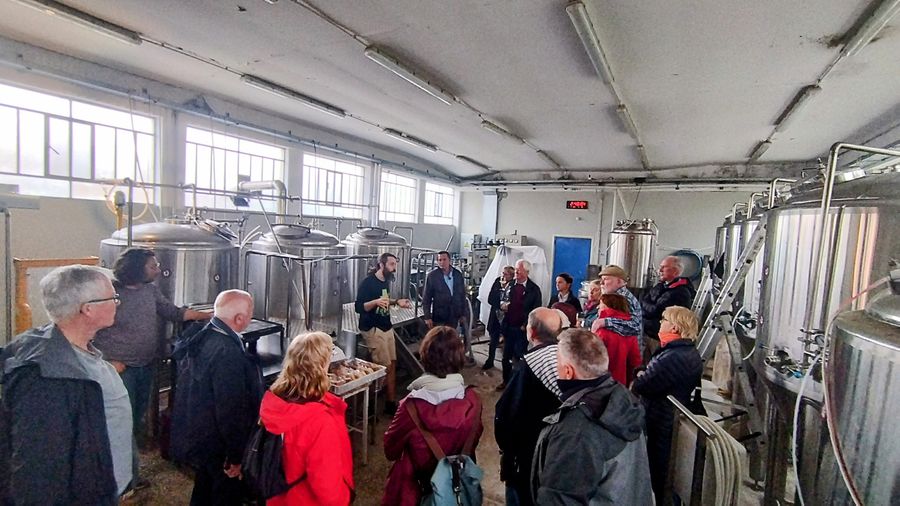
Today, Aegialeia remains a region where agriculture, wine, history, and local traditions continue to shape everyday life. Its combination of mountain landscapes, fertile land, celebrated vineyards, and authentic cuisine makes it one of the most rewarding destinations in the northern Peloponnese. Discover Aegialia through its food with tours designed for travellers who want to meet local producers and learn about the region’s products and cuisine. Visit farms and small workshops, see how food is made, and gain a genuine insight into the region’s everyday food culture.
Local Dishes
Aegialia’s cuisine reflects its agricultural abundance and coastal location, focusing on fresh, seasonal ingredients. Popular dishes include:
- Stuffed Vegetables (Gemista): Tomatoes and bell peppers stuffed with rice, herbs, and sometimes minced meat.
- Fresh Fish and Seafood: Served grilled or in savoury stews, often accompanied by local olive oil and lemon.
- Lamb with Artichokes: A classic Peloponnesian dish showcasing tender lamb and seasonal artichokes.
- Rooster in Wine Sauce: A hearty dish often served with handmade pasta.
- Black Currant Dishes: Currants are used in both savoury sauces (e.g., for pork) and sweet treats, such as currant pies or jams.
For dessert, visitors can enjoy ravani (a semolina cake soaked in syrup) and loukoumades (fried dough balls drizzled with honey and nuts).
Conclusion
Aegialia is a region that seamlessly blends natural beauty, historical depth, and culinary excellence. From its sun-kissed beaches to its towering mountains and rich agricultural heritage, Aegialia invites travellers to experience the authentic charm of Greece. Whether riding the historic Rack railway, hiking through dramatic gorges, or savouring a meal made with local delicacies, Aegialia offers unforgettable experiences.