A Cycladic Island of Heritage, Flavours & Authentic Traditions
The Island is often celebrated for its cosmopolitan lifestyle and iconic Cycladic beauty, but beyond the vibrant nightlife lies a deeply rooted culinary tradition shaped by centuries of island life, agricultural resilience, and maritime culture. Beneath the whitewashed architecture and golden beaches lies a rich gastronomic identity that connects land, sea, and community.
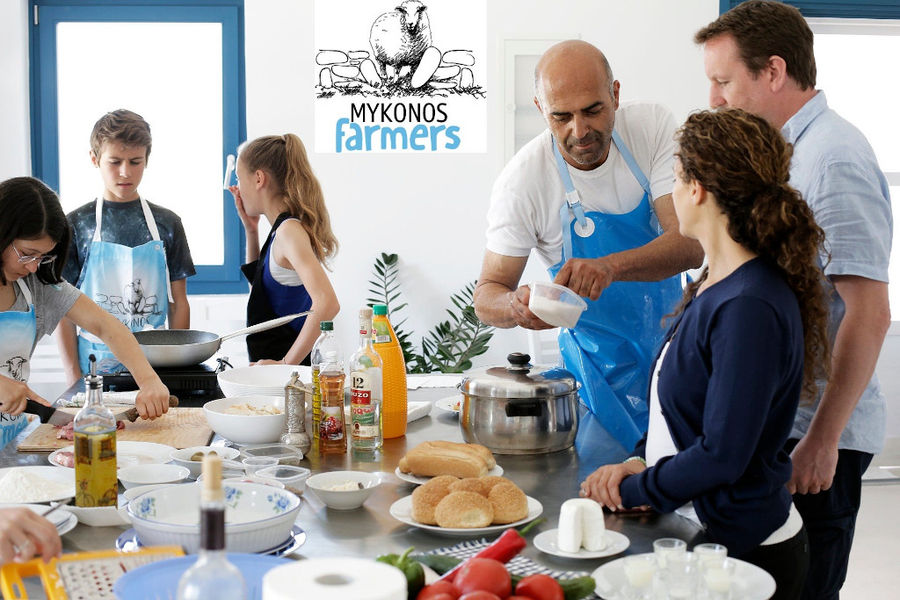
A Food Tour offers travellers the opportunity to experience the island beyond its glamorous image—through local producers, traditional recipes, and authentic Cycladic flavours preserved for generations.
A Cycladic Landscape of Light, Wind & Tradition
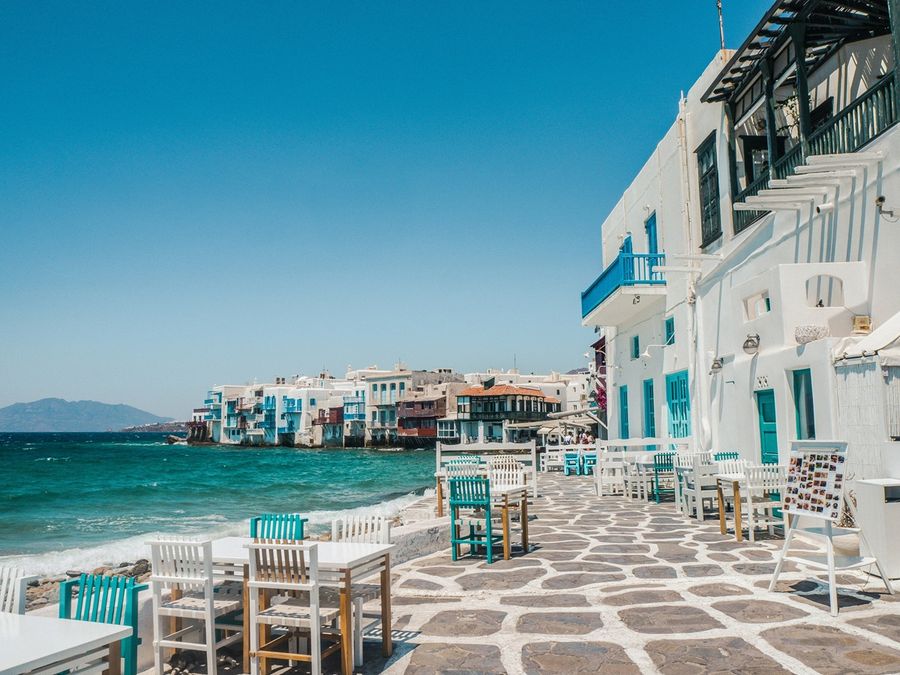
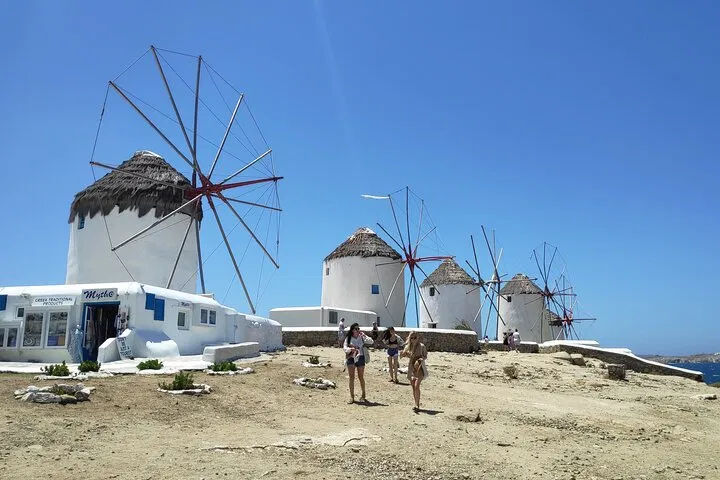
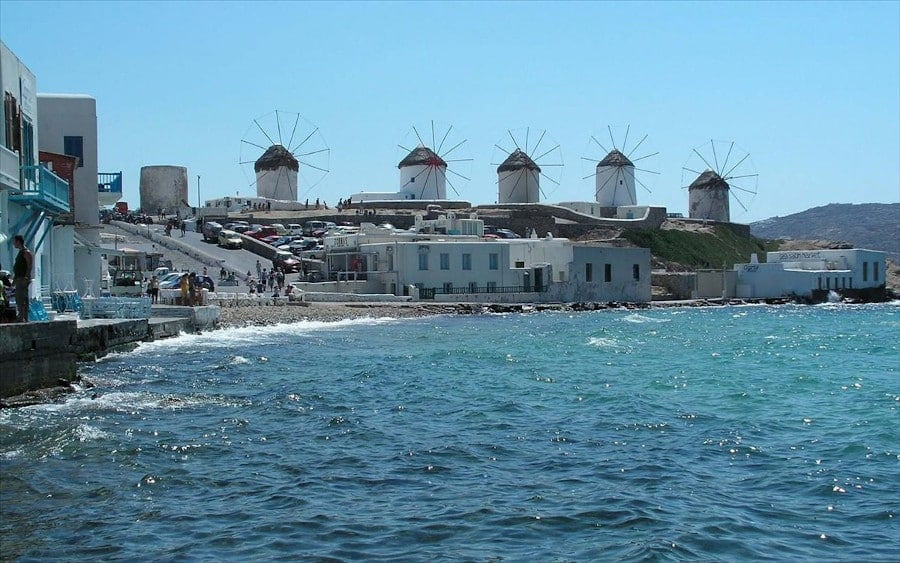
This Aegean Island is sun-drenched and windswept, defined by its arid hills, rocky terrain, and brilliant white architecture that reflects the intense Aegean light. Despite its dry appearance, the island has long supported a resilient rural culture based on small-scale farming, livestock, and fishing.
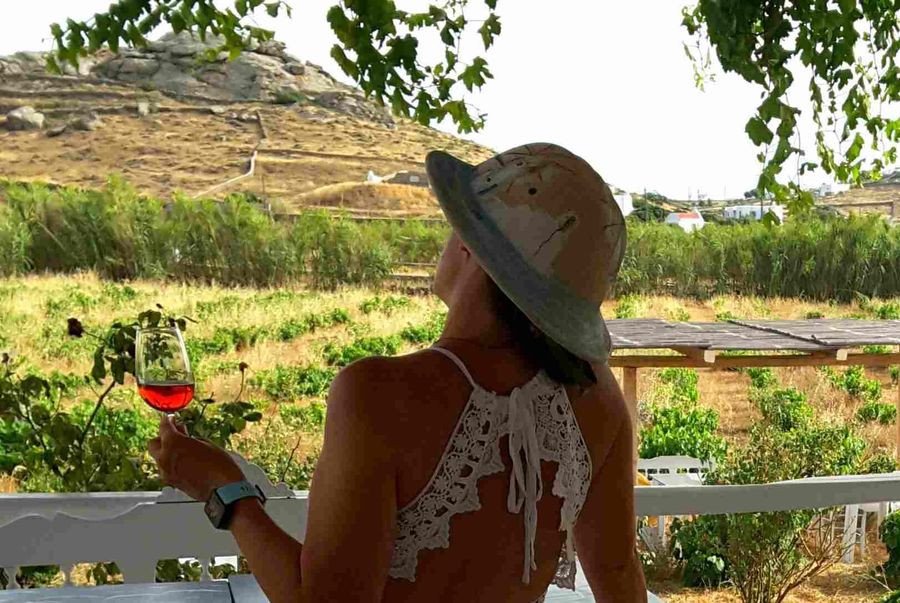
Ancient traditions linked the island to the worship of Dionysus, god of wine and celebration, reinforcing a long-standing association with festivity, hospitality, and communal dining.
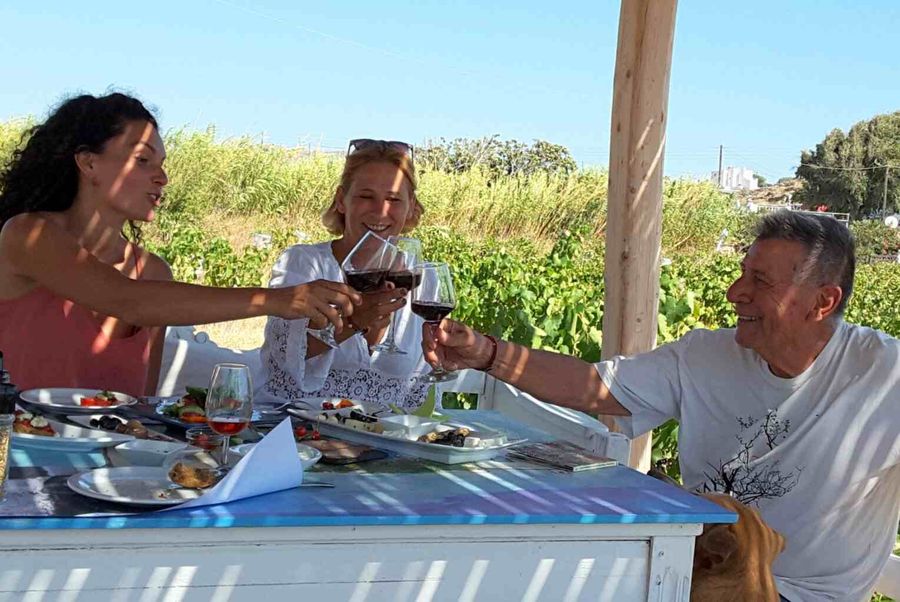
The island’s sensory identity is unmistakable: the scent of thyme and sea salt in the air, the sound of wind through stone villages, and the vibrant social life unfolding in courtyards, farms, and seaside tavernas.
A Culture of Community & Seasonal Gastronomy
The local cuisine is deeply tied to seasonal rhythms and family traditions. In the past, food preparation was a collective event—especially during periods of livestock slaughter—bringing families together in shared culinary rituals that strengthened social bonds.
Even today, many recipes are prepared for celebrations, religious festivals, and family gatherings, preserving a sense of continuity between past and present.
Local Specialities: Cured Meats & Island Charcuterie
One of the most distinctive elements of the local gastronomy is its tradition of cured pork products, which have long been central to island life.
Louza: The Signature Delicacy
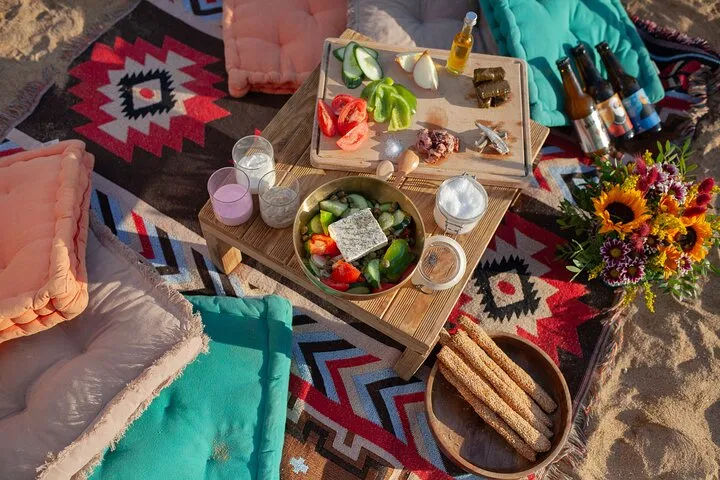
Louza is the island’s most iconic product, made from premium cuts of pork fillet that are salted, seasoned with oregano and cloves, and slowly air-dried under the Aegean sun. Thinly sliced, it is served as a delicacy in meze platters or alongside bread and wine.
A variation made from brisket, known locally as bouboulo, offers a richer texture and deeper flavour.
Traditional Sausages
Sausages are prepared using lean pork and seasoned with pepper, herbs, and oregano. They are typically grilled or served as part of festive meals, reflecting the island’s strong charcuterie heritage.
Cheese Traditions
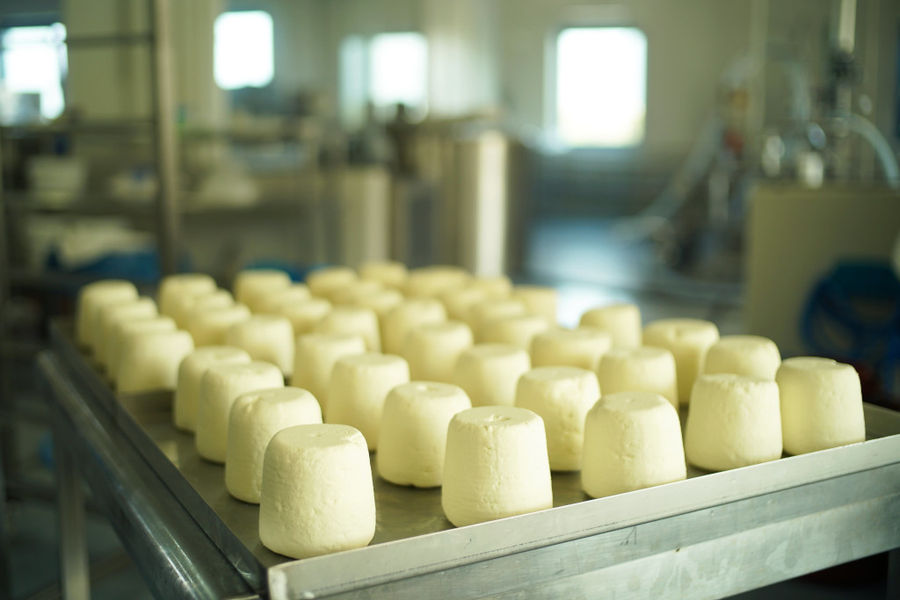
Cheese plays a central role in the local gastronomy, with several unique varieties still produced by local artisans and small dairies.
- Kopanisti – The island’s most famous cheese, aged and fermented until it develops a spicy, peppery character
- Tirovolia – A soft, fresh white cheese used in pies such as honey pie (melopita) and onion pie (kremmidopita)
- Xinotiri – A semi-aged, tangy cheese ideal for pasta and traditional sauces
- Galaktia – A refreshing cheese-and-whey blend consumed traditionally at breakfast
These cheeses reflect the island’s adaptation to its environment, using sheep and goat milk to produce bold, characterful flavours.
Bread, Rusks & Everyday Cycladic Staples
Bread and rusks are essential elements of the local cuisine. The traditional paximadi (double-baked bread) has long been a staple for sailors and farmers alike due to its durability and nutritional value.
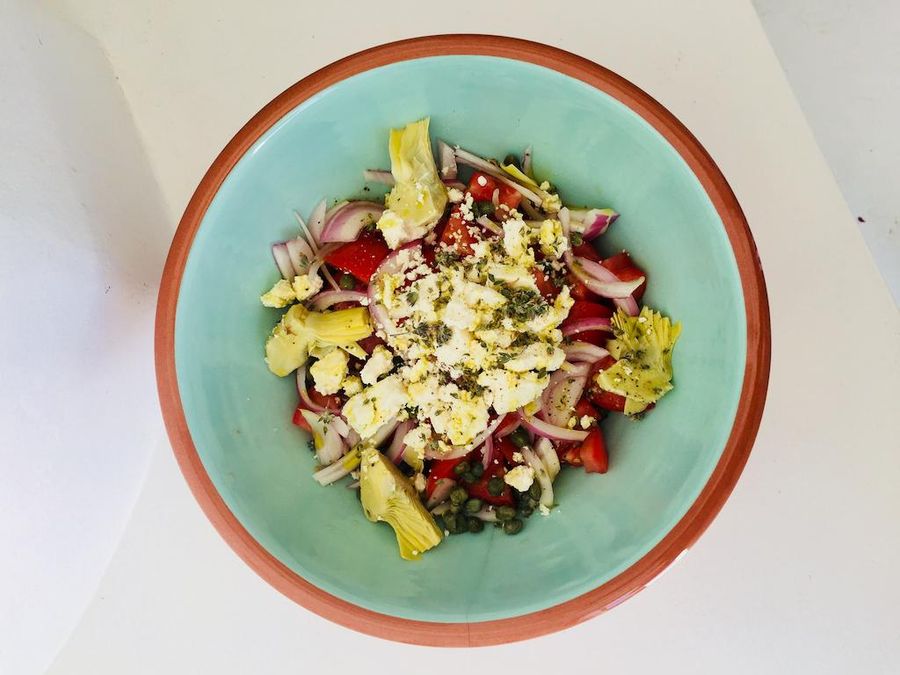
A signature dish called mostra combines paximadi with fresh tomato, kopanisti cheese, olive oil, oregano, and capers—offering a simple yet powerful expression of Cycladic flavour, similar in spirit to Cretan dakos.
Local bakeries also produce a wide variety of traditional breads, including barley sourdough, seed-based loaves, and sweet pastries filled with almond, honey, or raisins.
Sea, Land & Wild Flavours
Despite its arid landscape, the Island offers a surprising variety of wild and coastal ingredients.
Local dishes often feature:
- Sea snails and shellfish
- Wild greens (horta) gathered from rocky terrain
- Mushrooms such as amanites and volites
- Lamb cooked with coastal herbs
- Fennel-based meatballs and rustic stews
Seafood is also central to the island’s cuisine, with fresh fish, octopus, and small meze plates served in seaside tavernas across the island.
Sweet Traditions & Herbal Culture
The Island has a strong tradition of baking and sweets, often linked to celebrations and religious festivals.
Local specialities include:
- Almond sweets (amygdalota)
- Kourabie with a distinct almond aroma
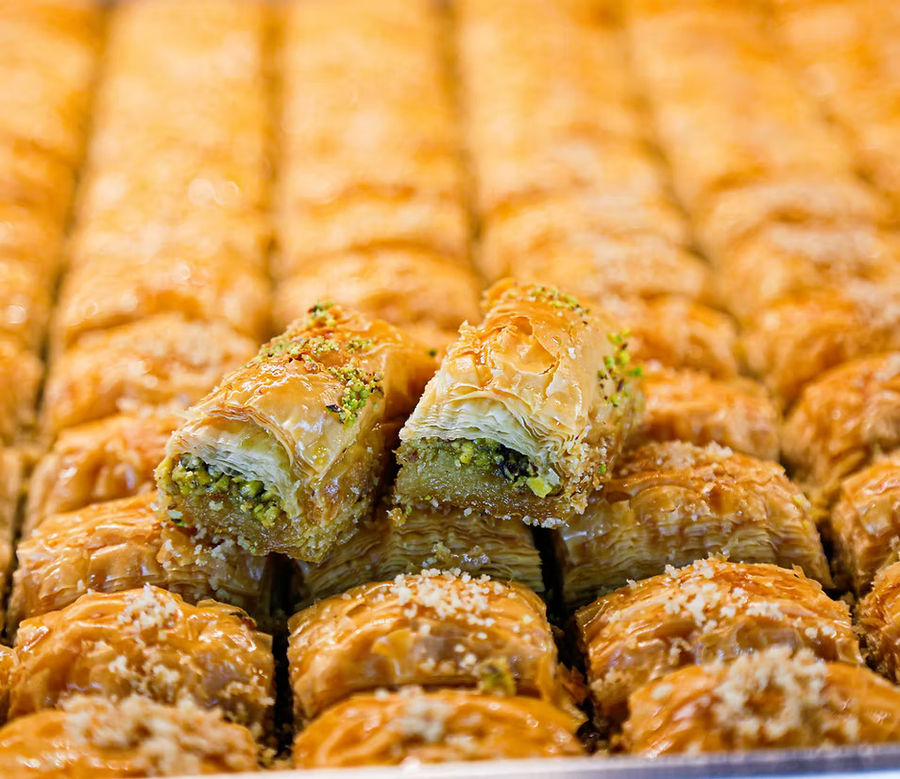
- Honey-based pastries
- Tartlets filled with nuts and spices
- Herbal infusions such as mint, sage, and pennyroyal are also widely consumed, reflecting the island’s natural approach to wellness and digestion.
A Destination Beyond the Plate
Beyond its culinary identity, the Island offers a rich cultural and sensory experience. Whitewashed villages, ancient chapels, and stone farmhouses create a timeless Cycladic atmosphere.
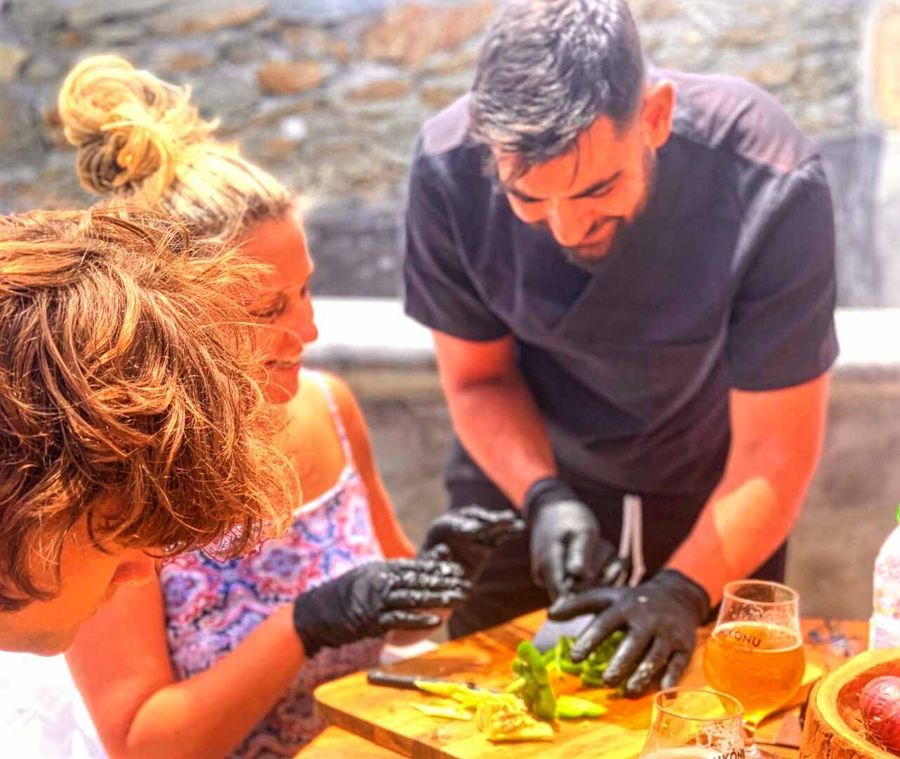
Visitors can explore rural landscapes, meet local producers, and discover how food is still deeply connected to tradition, land, and community life. From family-run farms to seaside kitchens, it reveals a quieter, more authentic side beyond its glamorous reputation.
Explore Our Food Tours
Our Food Tours invite you to discover the island through its authentic flavours and traditions. Taste artisanal cheeses, cured meats, traditional breads, and seafood dishes while meeting local producers and learning about Cycladic culinary heritage.
From rural kitchens to coastal tavernas, this Aegean Island offers a journey into a world where simplicity, tradition, and celebration come together in every bite.