A Journey Through Vineyards, Hills, and Heritage
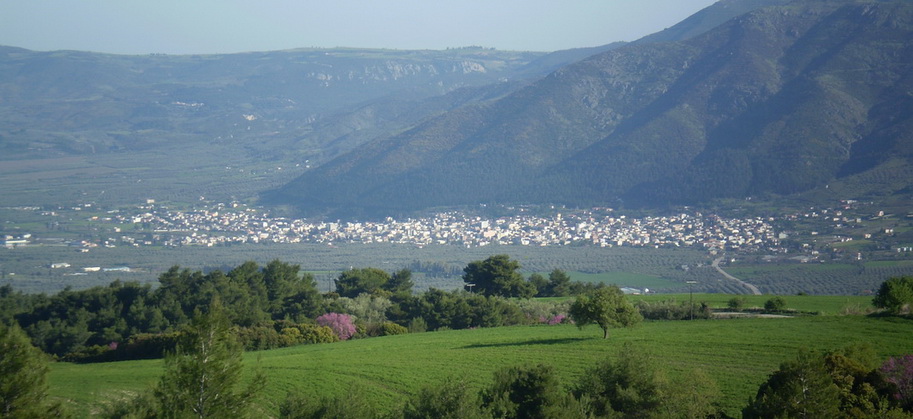
Nestled in Central Greece, Atalanti lies between the foothills of Mount Knemis and the coastal zone of the northern Euboean (Evoikos) Gulf. The town is part of the wider historical region of Opuntian Locris and functions today as a local agricultural and administrative centre in Fthiotida.
Its surrounding landscape is defined by fertile plains, olive groves, vineyards, and small-scale farming activity. The proximity to both inland hills and the sea shapes a dual agricultural and coastal identity, reflected in the local food culture.
On an Atalanti Gastronomy Tour, visitors encounter a rural Greek setting where food traditions are closely linked to seasonal production, family farming, and local ingredients.
What Makes Atalanti a Unique Culinary Destination
A Land of Vines and Olive Trees
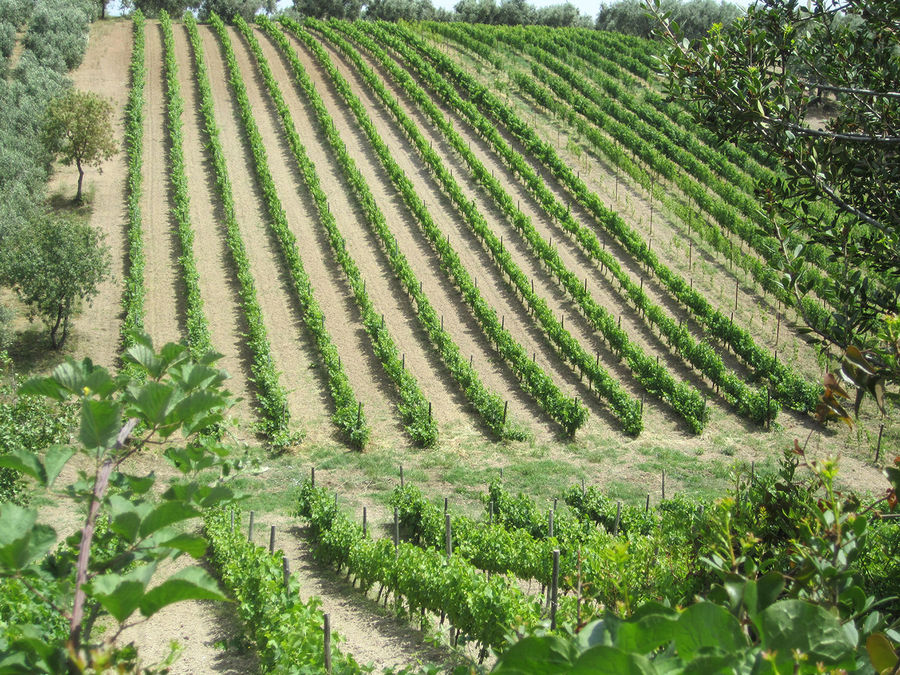
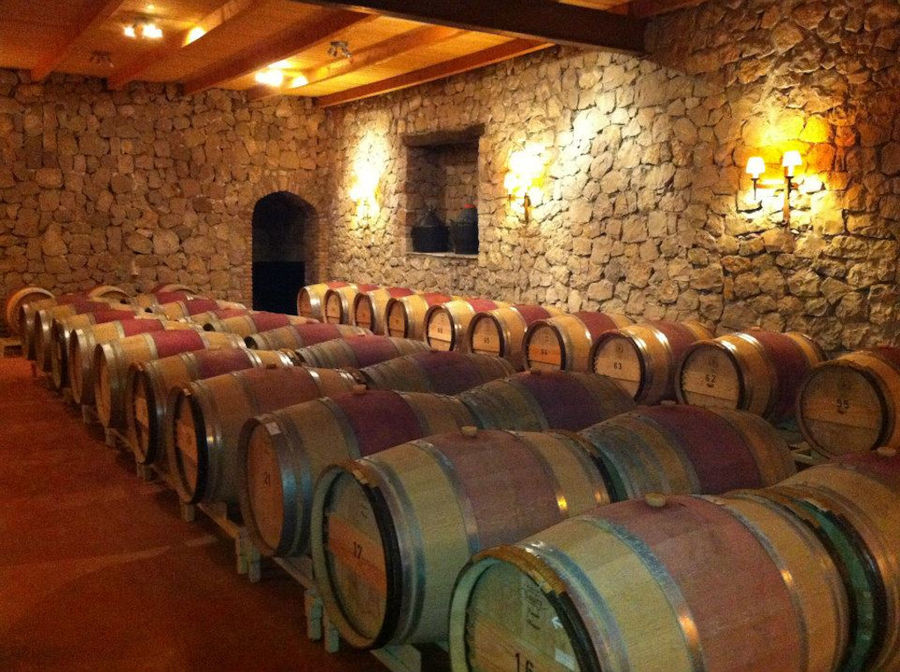
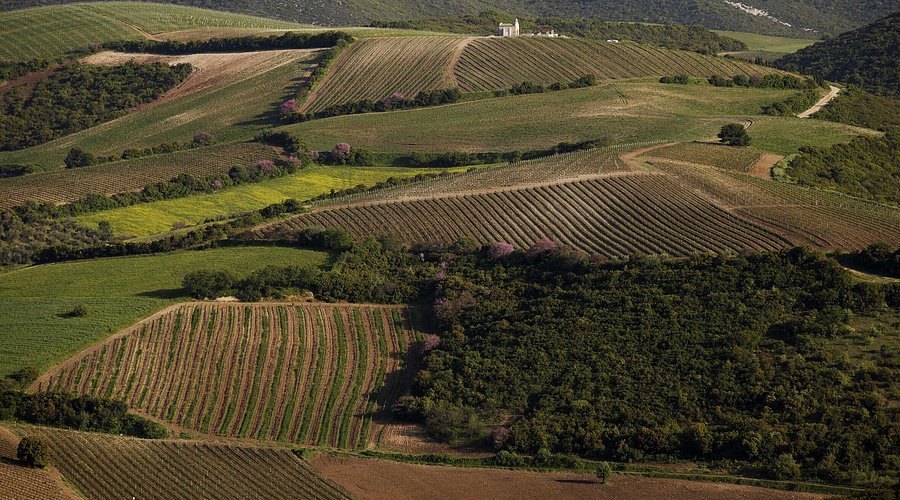
Atalanti’s wider region is part of Central Greece’s agricultural zone, where vineyards and olive groves are widely cultivated. Local wine production is regional, with vineyards contributing to Central Greek winemaking traditions. Olive oil is a fundamental product of the area and forms the base of most traditional dishes.
Coastal Proximity, Mountain Soul
The town’s position near the Evoikos Gulf allows access to fresh seafood from nearby coastal settlements, while inland areas focus on livestock, dairy, and crop farming. This combination creates a mixed culinary profile based on both land and sea resources.
Tradition in Every Bite
Local cuisine is rooted in home cooking and seasonal availability. Recipes are generally simple, relying on olive oil, herbs, legumes, and locally sourced meats and vegetables. Traditional methods such as slow cooking and oven baking remain common in household and village cooking.
Local Highlights & Gastronomic Treasures
Local Wines & Tsipouro
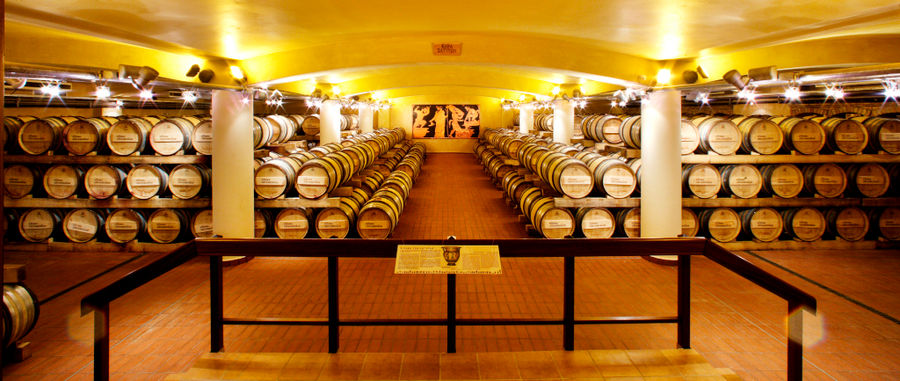
The broader Fthiotida region contributes to Greece’s broader wine production landscape. Local wines are typically consumed within the region, while tsipouro—grape pomace distillate—is commonly served in small quantities alongside meze in social settings.
Cheeses & Dairy Delights
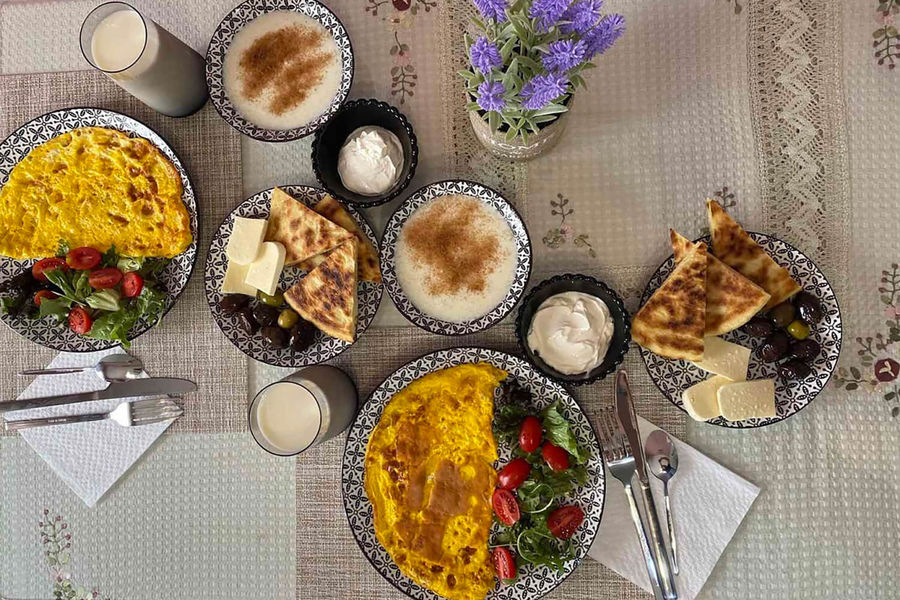
Dairy production in the region includes feta-type cheese, fresh white cheeses, and kefalotyri-style hard cheeses. These are often used in pies or served with bread and olive oil.
Traditional Pies & Legumes
Handmade pies filled with wild greens, cheese, or seasonal vegetables are part of the local diet. Legume-based dishes such as lentils and chickpeas are widely prepared, often cooked slowly with olive oil, garlic, and herbs.
Cured Meats & Rural Specialities
Local sausages and preserved meats are produced in small-scale rural settings. Meat dishes are generally prepared in simple stews or roasts, often served during family gatherings and local celebrations.
Seasonal Sweets & Honey
Traditional desserts include walnut cake (karydopita), syrup-based pastries, and spoon sweets made from fruits such as quince or sour cherry. Honey from aromatic plants in the wider region is commonly used as a natural sweetener.
Olive Oil & Foraged Herbs
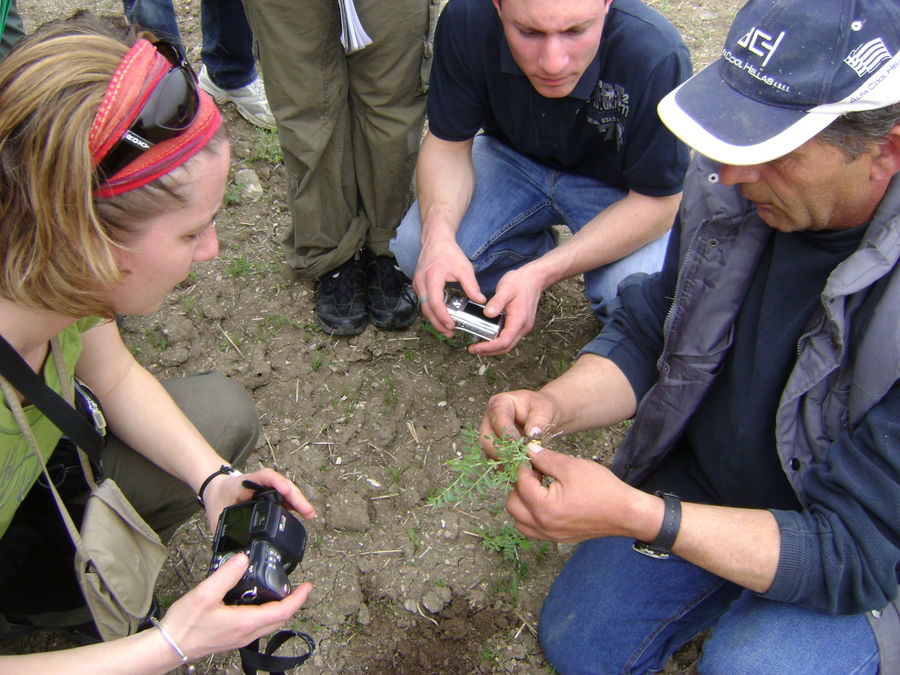
Olive oil is central to all cooking in Atalanti. Wild herbs such as oregano, thyme, and mint grow in the surrounding countryside and are used extensively in local recipes, along with seasonal wild greens.
A Destination Beyond the Plate
Atalanti reflects the character of a typical Central Greek regional town, where everyday life is closely connected to agriculture and nearby rural settlements. The area includes neoclassical architectural elements, a central town square, and local churches that serve as community focal points.
The surrounding countryside includes olive groves, vineyards, and agricultural land, while nearby coastal zones connect the town to fishing activity along the Evoikos Gulf. Seasonal festivals and religious celebrations continue to play an important role in community life, often involving shared meals and traditional foods.
Explore Our Atalanti Food Tours
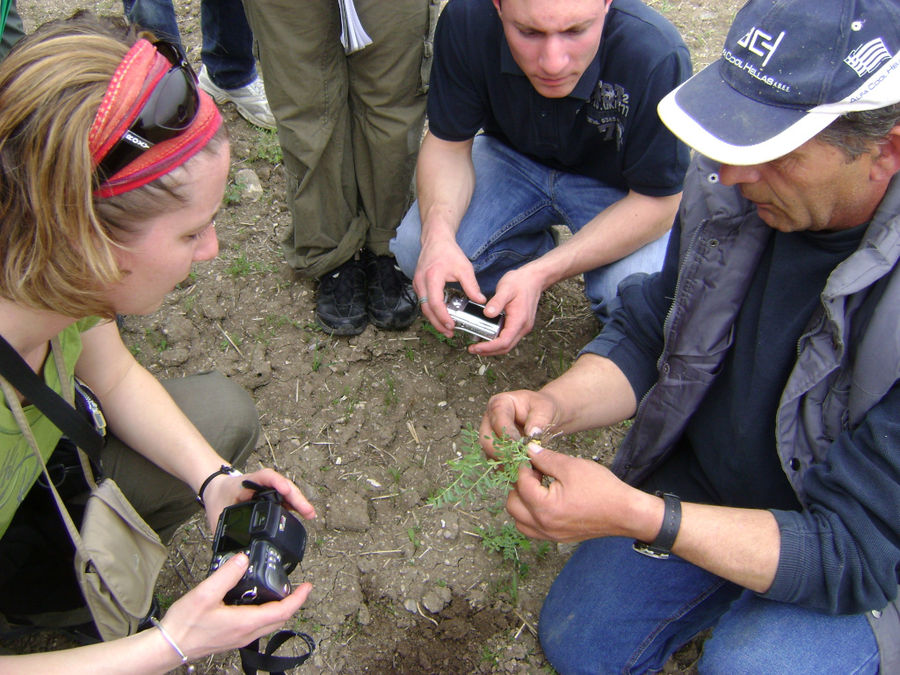
Join our Atalanti Gastronomy Tours to experience the authentic food culture of Central Greece. From vineyard walks and olive grove visits to traditional meals prepared in local homes and tavernas, each experience highlights the region’s agricultural identity.
Atalanti offers a grounded and authentic culinary journey shaped by land, sea, and tradition—where every flavour reflects the simplicity and continuity of rural Greek life.