Dodoni: Greece’s Ancient Sanctuary of Prophecy
Dodoni is one of the most important archaeological sites in Greece and among the oldest oracular sanctuaries in the ancient Greek world. Located in Epirus, at the foot of Mount Tomaros, near the modern city of Ioannina, it was a major religious centre dedicated to Zeus, the king of the gods, and Dione, an ancient mother-goddess. For more than a millennium, Dodoni attracted pilgrims from across the Greek world and remains one of the most significant monuments of Greek antiquity.
Surrounded by mountains and fertile valleys, the sanctuary combines archaeological importance, natural beauty, and a profound connection to ancient Greek spirituality.
A Sanctuary Rooted in Antiquity
The origins of Dodoni date back to prehistoric times, making it one of the earliest known places of worship in Greece. Archaeological evidence shows that the site was already active during the Late Bronze Age (Mycenaean period, 2nd millennium BCE), long before the rise of the classical city-states.
According to ancient tradition, the sanctuary was dedicated to Zeus Naios and Dione, a goddess associated with fertility and nature. Unlike other famous oracles such as Delphi, Dodoni interpreted divine will through the forces of nature itself.
Ancient writers, including Herodotus and Homer in the Iliad and the Odyssey, refer to Dodoni, highlighting its early and enduring importance in the Greek religious imagination.
Over time, it developed into a major Panhellenic sanctuary, attracting visitors and offerings from Epirus, Thessaly, Macedonia, and the wider Mediterranean world.
Gastronomy of Epirus
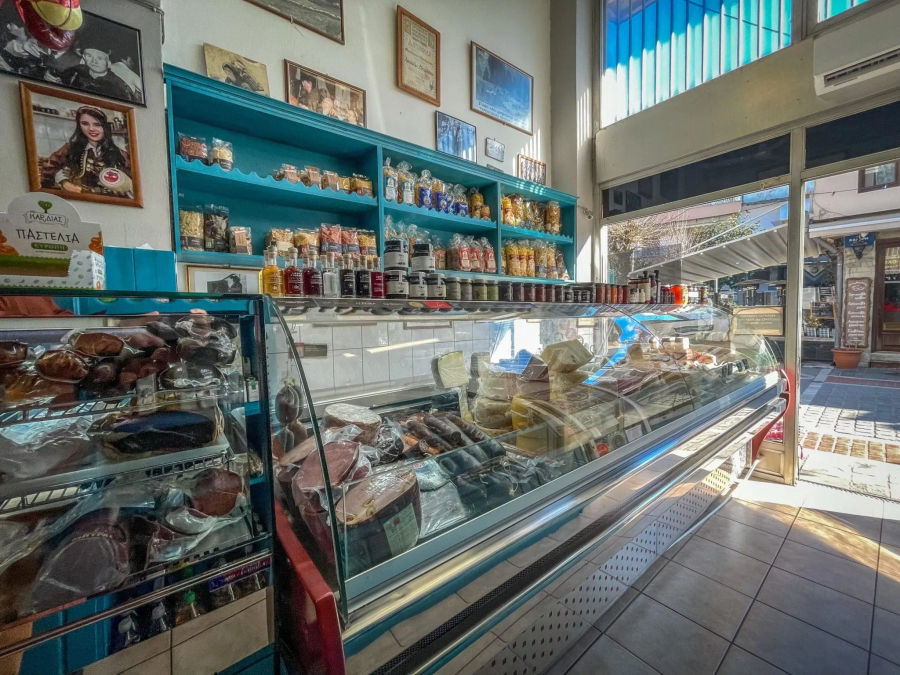
The wider region of Epirus is renowned for its rich culinary traditions. Local gastronomy is based on high-quality dairy products, traditional pies, mountain herbs, honey, legumes, and livestock raised in the surrounding highlands.
Famous Epirus specialities include handmade pies, feta cheese, goat and lamb dishes, wild mushrooms, and local wines. These authentic flavours reflect the agricultural and pastoral traditions that have shaped the region for generations.
The Sacred Oak and the Voice of Zeus
At the heart of the sanctuary stood the sacred oak (hiera drus), believed to be the living channel through which Zeus communicated with mortals. The oracle of Dodoni was unique in that it relied on natural signs rather than human trance states.
Priests interpreted the rustling of oak leaves, the movement of birds, and the sound of a nearby spring. Bronze cauldrons placed on tripods around the sanctuary added another layer of divination: when struck by wind, they produced continuous metallic sounds believed to carry divine messages.
Later, more structured forms of consultation emerged, including written questions recorded on lead tablets. These remarkable inscriptions reveal concerns about marriage, health, war, travel, property, and public life, offering a direct connection to everyday ancient Greek society.
Priests, Priestesses and Sacred Rituals
Early custodians of the oracle were male priests known as the Selloi. Over time, priestesses called the Peleiades (“Doves”) became central to the cult.
Both priests and priestesses were described in ancient sources as living in close contact with nature, often walking barefoot and sleeping on the ground, practices intended to maintain ritual purity and spiritual connection with the earth.
A Centre of Religion, Politics and Power
Dodoni was not only a religious sanctuary but also an important political and cultural institution. City-states and rulers consulted the oracle on matters of war, colonisation, alliances, law, and governance.
Its influence extended throughout the ancient Greek world, making Dodoni one of the most respected centres of decision-making in antiquity.
The Flourishing of the Sanctuary
Dodoni reached its peak during the Classical and Hellenistic periods, especially under King Pyrrhus of Epirus in the 3rd century BCE. During this time, the sanctuary was expanded with monumental temples, stoas, administrative buildings, and public spaces, transforming it into a grand religious complex.
The Ancient Theatre of Dodoni
One of the most impressive monuments of the site is the Ancient Theatre of Dodoni, built in the 3rd century BCE. It is among the largest surviving theatres in Greece and could accommodate thousands of spectators.
Used for religious festivals, performances, and public gatherings, the theatre remains one of the best-preserved structures of its kind, framed by the dramatic mountains of Epirus.
Nature and Landscape
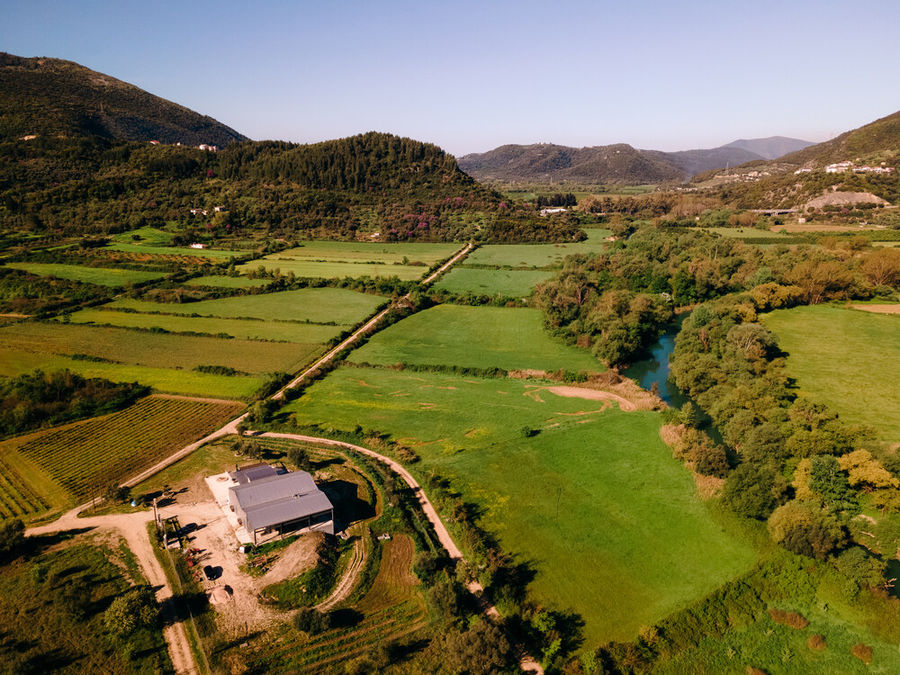
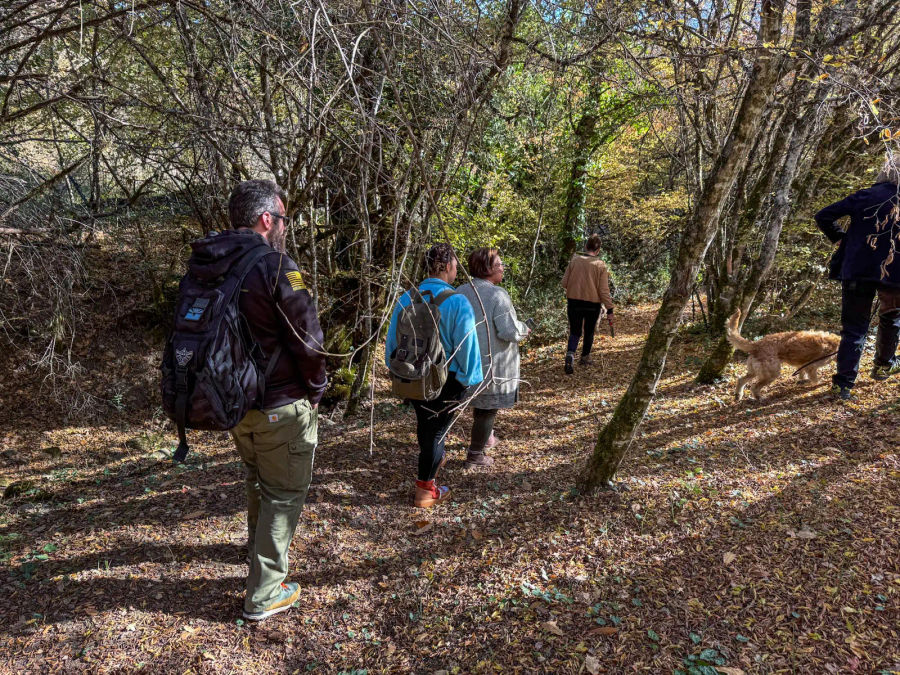
Dodoni is set within a striking natural environment of mountains, forests, springs, and fertile valleys. This landscape played a key role in shaping the sanctuary’s spiritual identity, reinforcing the ancient belief that nature itself was a medium of divine communication.
Today, visitors experience a landscape that still closely resembles the one known to ancient pilgrims.
A UNESCO-Recognised Cultural Treasure
Dodoni is considered one of Greece’s most significant archaeological sites and an essential destination for understanding the origins of ancient Greek religion. Its combination of mythology, archaeology, natural landscape, and spiritual tradition makes it a unique cultural landmark.
As the oldest oracle in Greece and a centre where religion, politics, and nature converged, Dodoni continues to stand as a powerful symbol of the ancient Greek world and its enduring legacy.