A Land of Fertile Plains, Mountains & Living Traditions
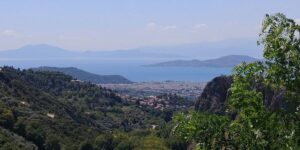
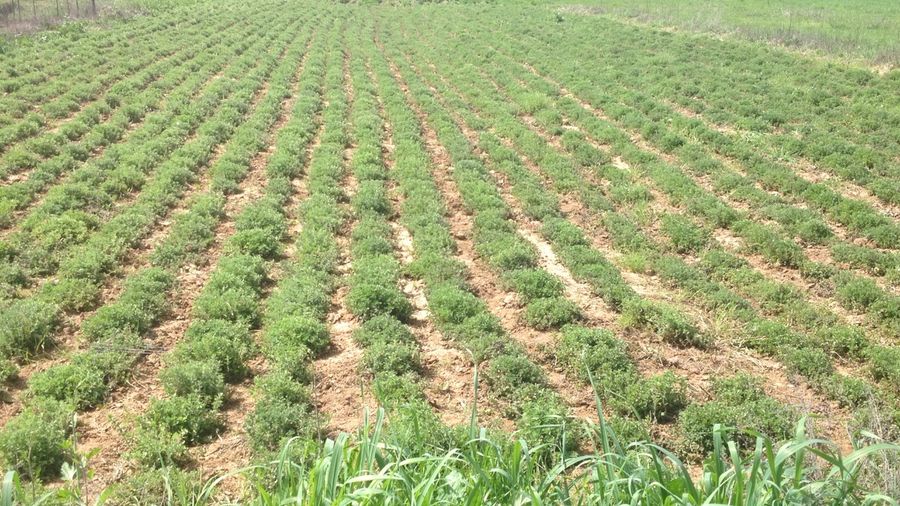
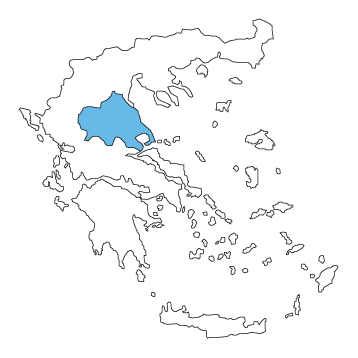
Thessaly is one of Greece’s most geographically diverse regions, shaped by vast fertile plains, high mountain ranges, and access to the Aegean coastline. It is a place where agriculture, mountain communities, and coastal life come together to form a strong and enduring regional identity.
Cities and Landscapes
The region includes important cities such as Volos, Larissa, Trikala, and Karditsa, as well as distinctive landscapes like Pelion, Meteora, and the slopes of Mount Olympus. This variety makes the region one of the most contrasting regions in Greece in terms of environment and lifestyle.
Historical Background
Historically, it has been inhabited since antiquity and was known for its fertile land and agricultural productivity. Through the Byzantine and Ottoman periods, it remained a predominantly rural region with strong local traditions and village life that continue to influence its identity today.
Population Exchange and Cultural Change
After the 1923 population exchange between Greece and Turkey, refugees from Asia Minor were settled across various parts of the region. Their arrival contributed new culinary practices, crafts, and cultural traditions that were gradually integrated into local society, especially in urban centres such as Volos and Larissa.
Cuisine and Gastronomy
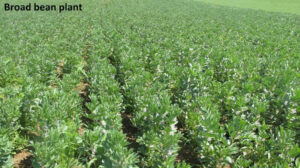
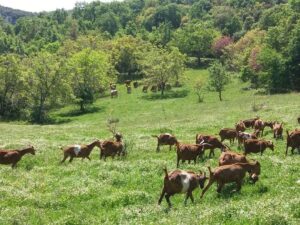
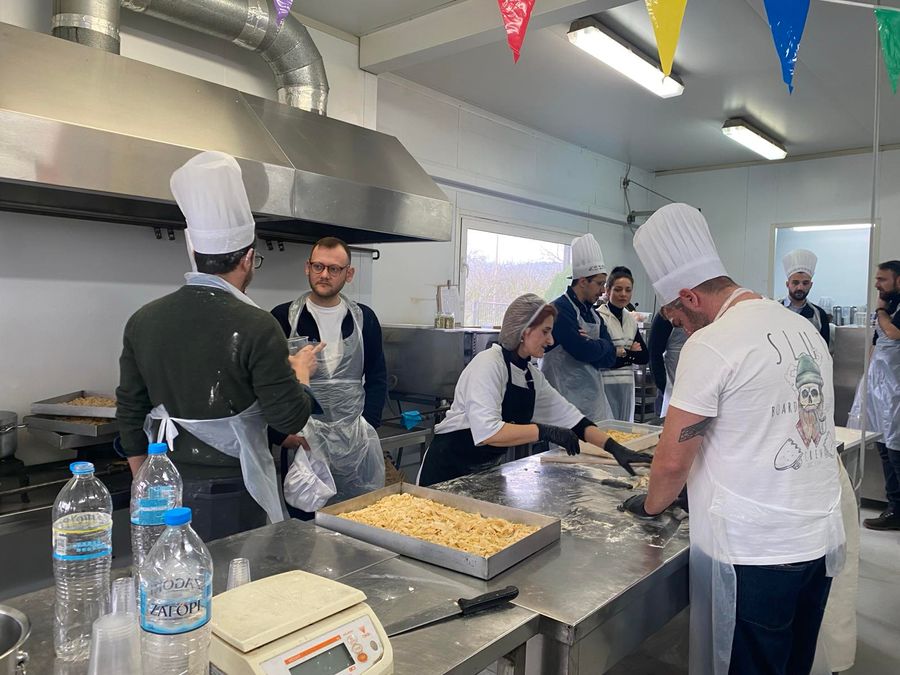
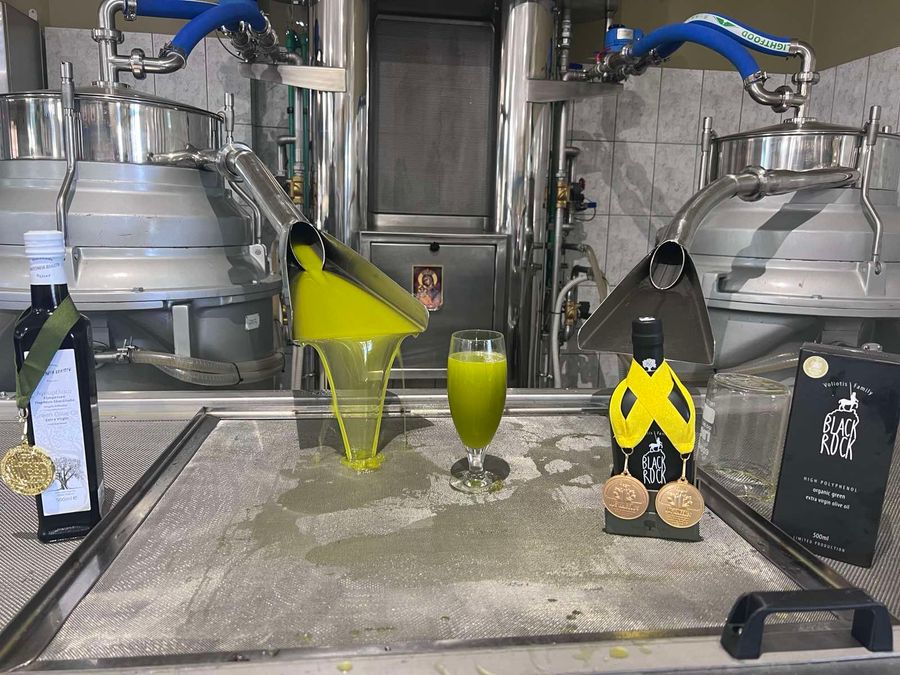
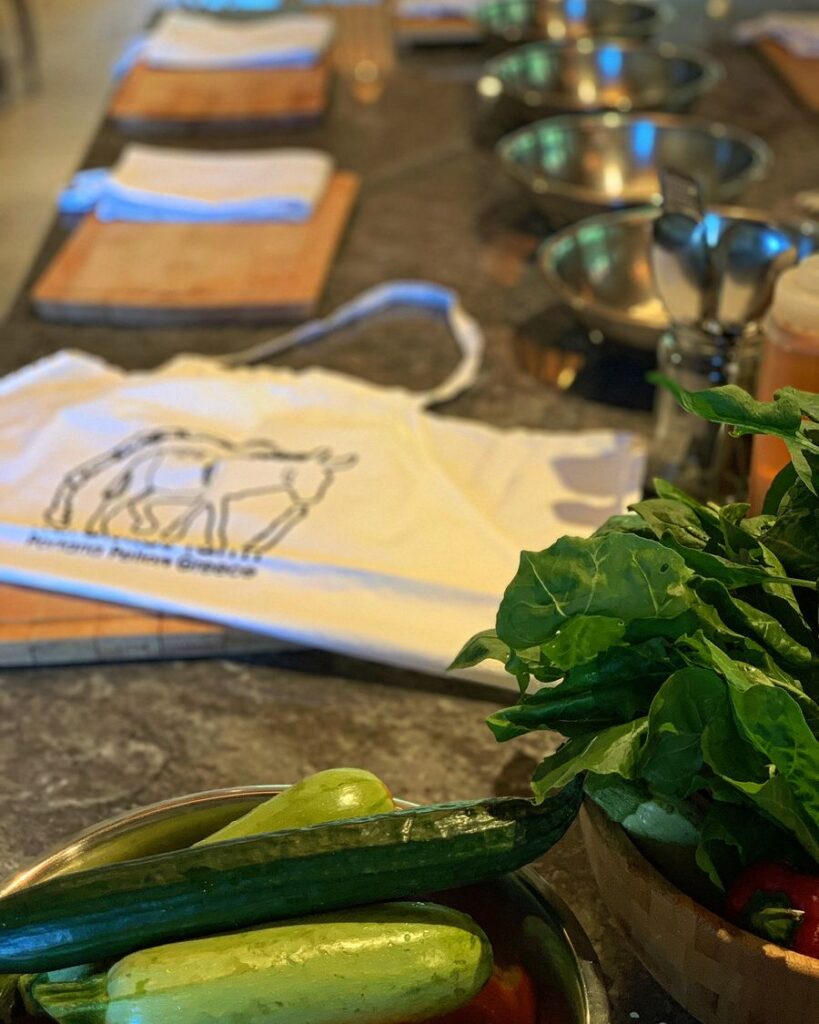
Local cuisine is based on local agricultural and livestock production. It includes traditional pies, dairy products, legumes, vegetables, herbs, meats, and seafood from coastal areas. A distinctive element of local culture in Volos is the tsipouro tradition, where small meze plates accompany social drinking as part of a well-established culinary custom.
Wine and Tsipouro Tradition
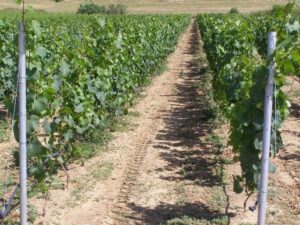
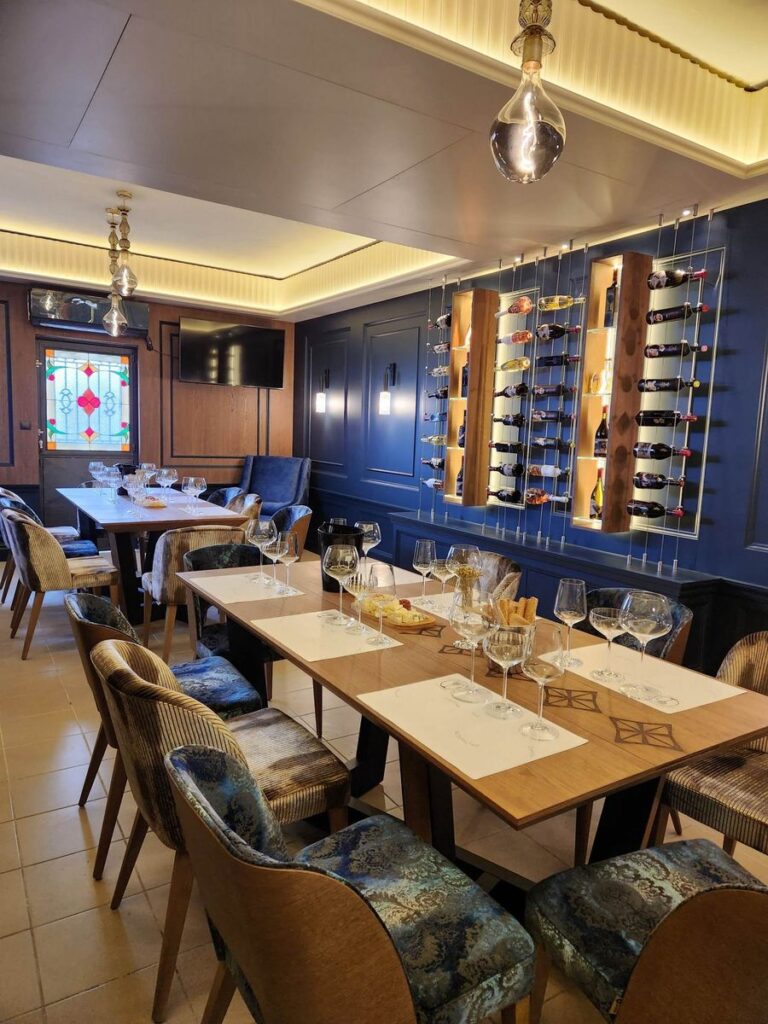
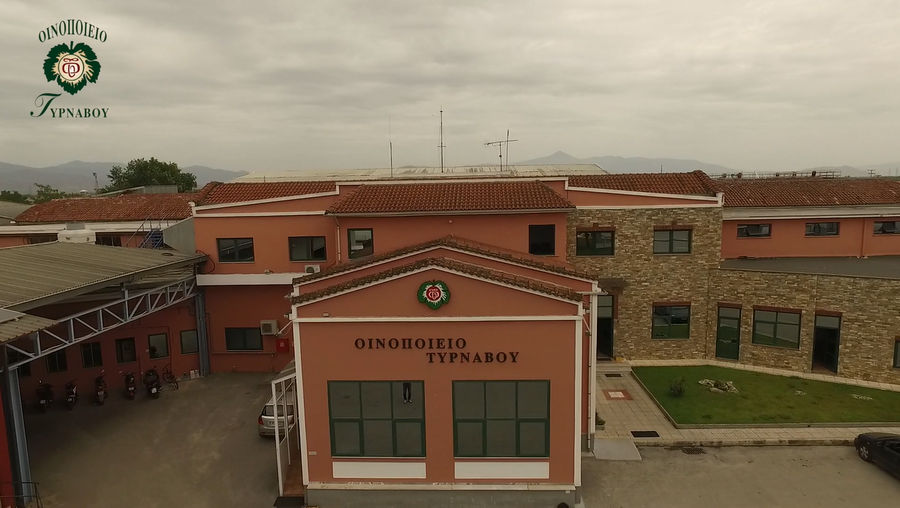
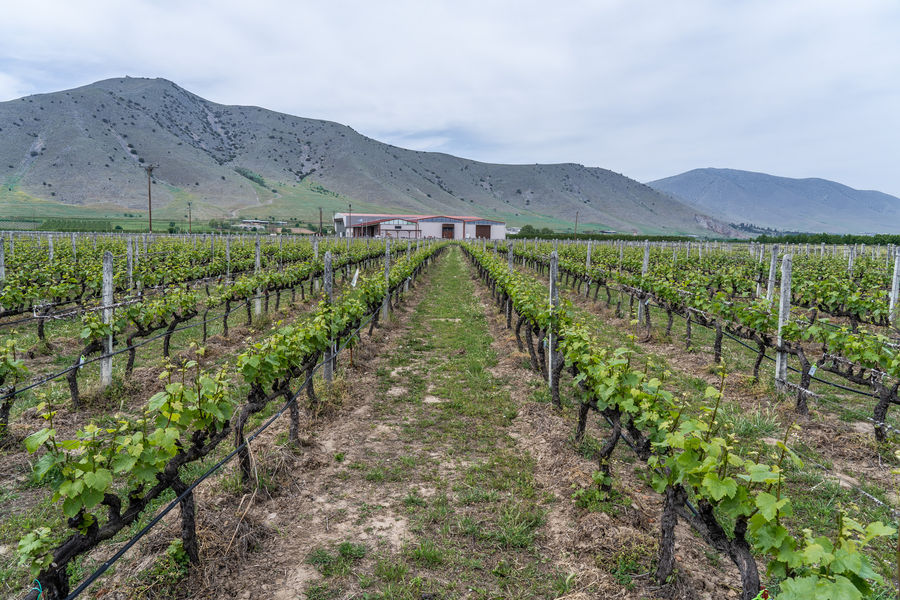
The region also contains several recognised wine-producing areas, most notably Rapsani, situated on the slopes of Mount Olympus, where vineyards benefit from the combination of high altitude, fertile soils, and a distinctive mountain climate. The wines produced there form an important part of Greece’s wider winemaking heritage.
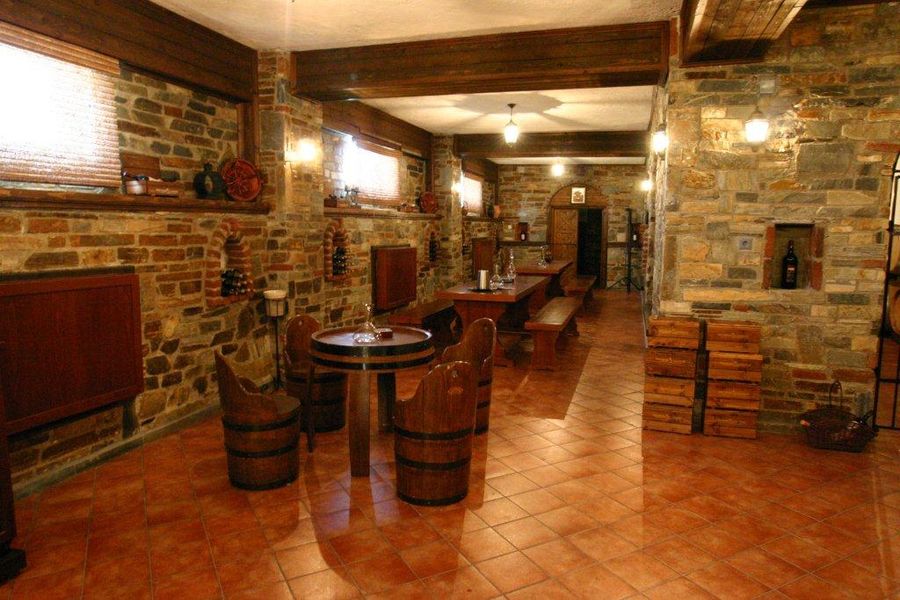
Indeed, here vines have been cultivated, and wine has been produced for many centuries, and the traditions of winemaking and tsipouro distillation remain deeply woven into everyday life, linking the region’s past with its modern cultural identity
Contemporary Thessaly
Today, it continues to reflect a balance between tradition and everyday life, combining agriculture, mountain culture, coastal influences, and a strong culinary identity shaped by both local history and refugee heritage.