Thessaly is one of Greece’s most important agricultural and cultural regions, known for its fertile plains, mountain communities, and rich culinary heritage. Often described as a “living mosaic” of people and traditions, Thessaly is home to diverse ethnic and pastoral groups whose customs and culinary traditions have been preserved for generations.
Traditional Communities of Thessaly
The cultural identity of Thessaly has been shaped by different communities living across its varied landscape:
- Vlachs: Traditionally found in mountainous regions, known for their pastoral and transhumant lifestyles.
- Sarakatsani: Historically nomadic shepherds who moved between mountains and plains, preserving strong livestock traditions.
- Karagkounides: Residents of the Thessalian plain are deeply connected to agriculture and settled rural life.
- Coastal communities: Influenced by fishing, trade, and maritime traditions.
Each group maintains its own cultural identity, especially through food, livestock farming, and seasonal traditions passed down through generations, shaping the Gastronomy of Thessaly.
Thessalian Agriculture and Local Products
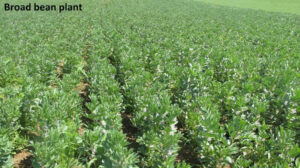
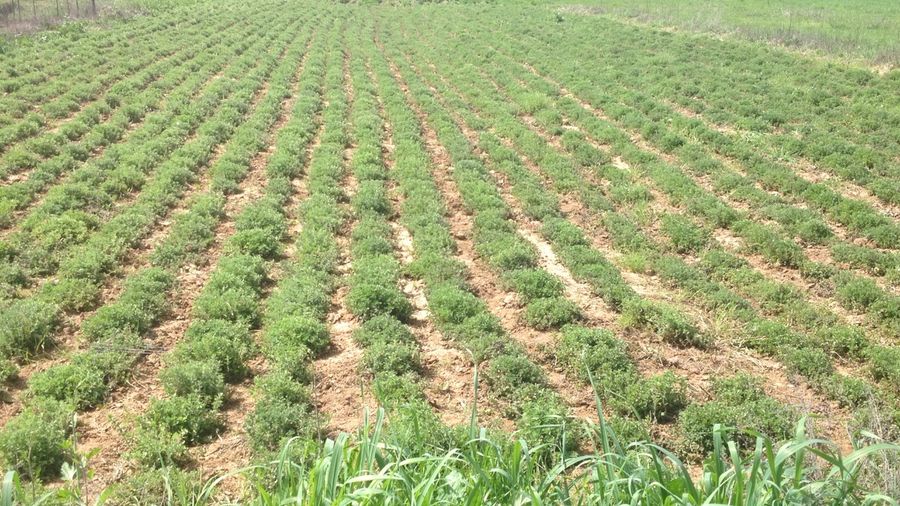
The Thessalian plain is widely recognised as the “breadbasket of Greece”, producing large quantities of high-quality agricultural goods. Key products include:
- Wheat, barley, and corn
- Fresh vegetables and wild greens
- Herbs such as chervil and aromatic mountain plants
- Wild mushrooms and foraged greens like nettles and docks
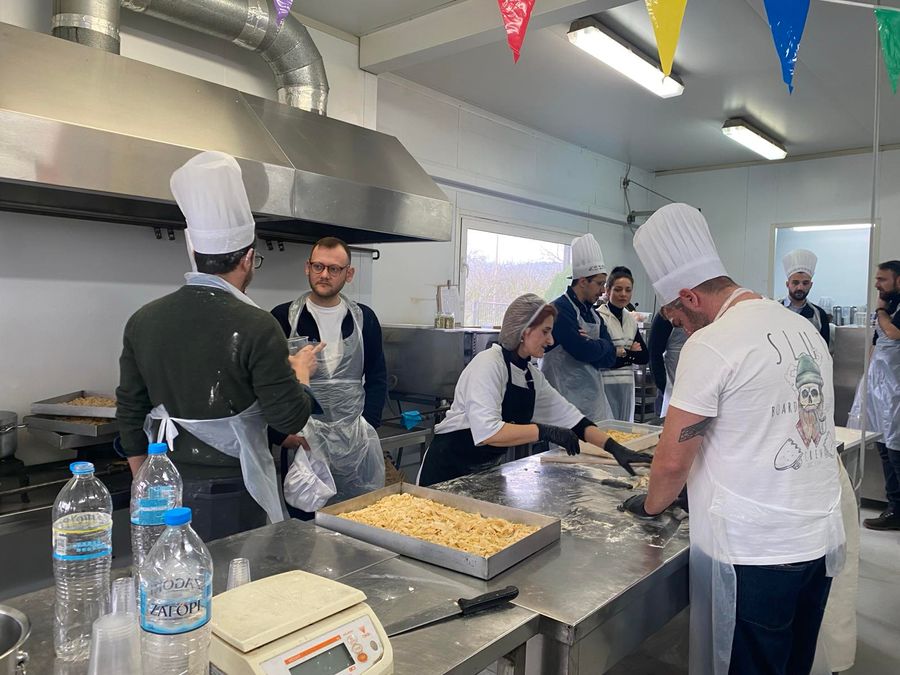
These ingredients form the foundation of traditional Greek cooking in the region, especially in handmade pies (pites), which are a signature dish of Thessaly.
Traditional Thessalian Cuisine
Thessalian gastronomy is known for its hearty, rural, and flavour-rich dishes based on local ingredients and livestock products. Key traditional foods include:
- Hilopites pasta dishes made with handmade egg pasta
- Kokkinisto (slow-cooked meat in tomato sauce)
- Stuffed chicken with herbs and spices
- Pork with leek, a classic winter dish
- Tigania, pan-fried meat cooked until tender and aromatic
- Lamb dishes, including vine-leaf wrapped lamb and slow-cooked lamb with potatoes
- Beef cooked in clay pots (stamna)
- Traditional beef-head soup
These dishes reflect the strong pastoral and agricultural heritage of the region.
Game and Rural Cooking Traditions
Game meat also plays an important role in Thessalian cuisine. Popular traditional recipes include:
- Wild boar kokkinisto with quince, apples, and honey
- Deer stew with rich seasonal flavours
- Rabbit stew cooked slowly with herbs and wine
These dishes highlight the region’s connection to nature and seasonal ingredients.
Dairy Products and Livestock Heritage
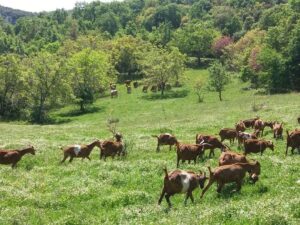
Livestock farming remains a cornerstone of Thessaly’s economy and food culture. The region is known for its high quality:
- Sheep and goat milk
- Feta cheese
- Yoghurt and traditional dairy products
These ingredients are essential to both everyday meals and traditional recipes.
Drinks and Social Traditions
Food culture in Thessaly is closely tied to hospitality and social life. Meals are commonly accompanied by:
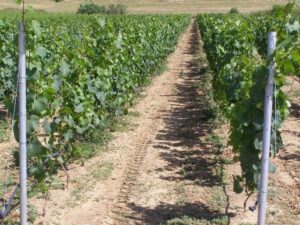
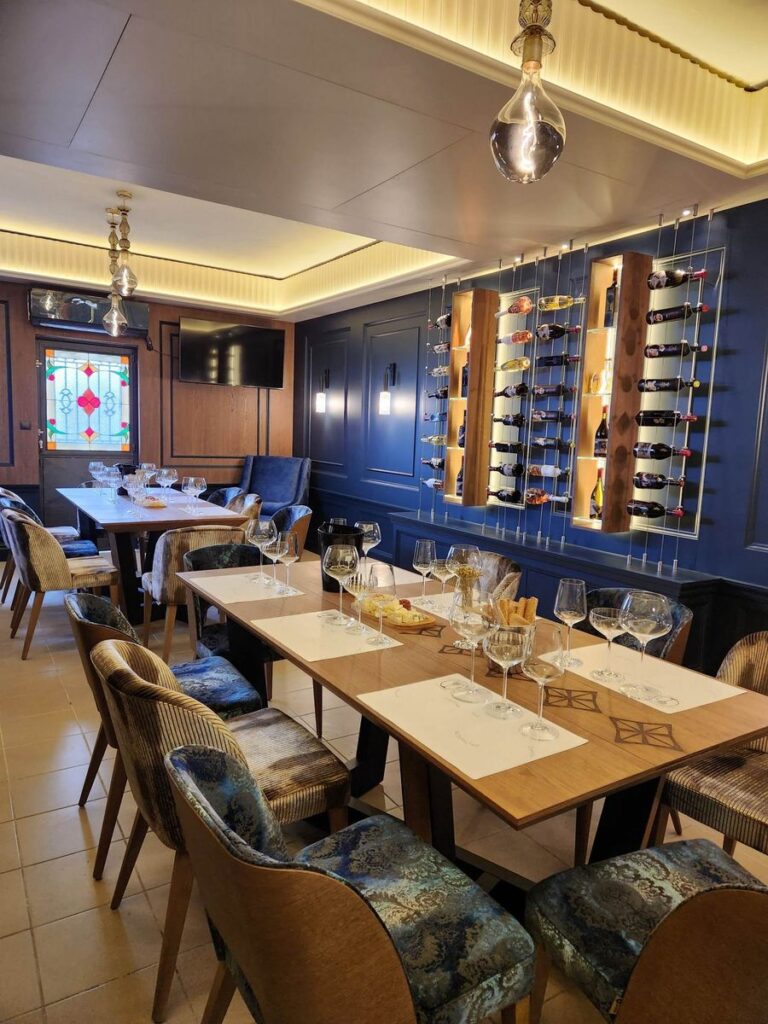
- Local wines from regional vineyards
- Tsipouro, a traditional Greek distilled spirit
These drinks are central to gatherings, celebrations, and traditional feasts.
Traditional Thessalian Desserts
Thessaly also offers a wide variety of traditional sweets, including:
- Halva Farsalon, one of the most famous Greek desserts
- Syrupy sponge cakes with almonds
- Yogurt pie (yogurtopita)
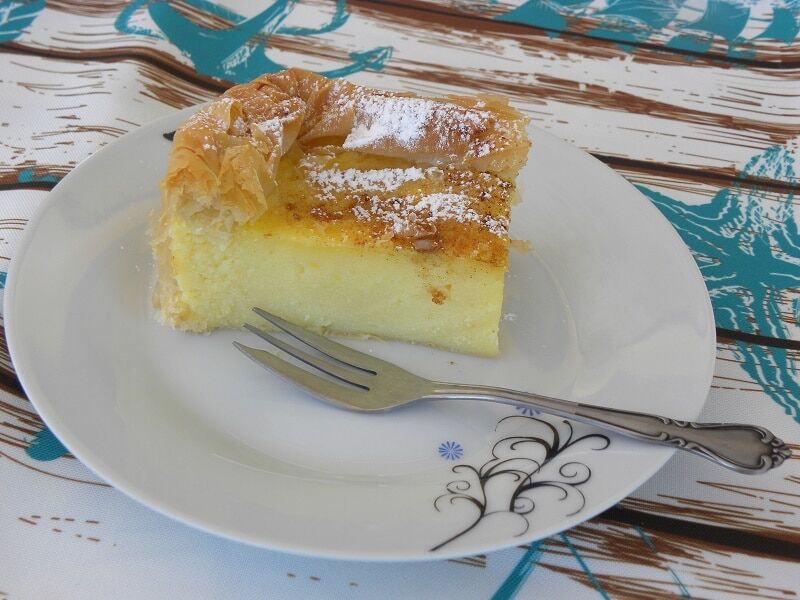
- Galatopita (milk pie)
- Traditional spoon sweets and homemade pastries
Conclusion: The Culinary Identity of Thessaly
Thessalian cuisine reflects a deep connection between land, people, and tradition. From fertile plains to mountain villages, the region’s food culture is built on fresh local ingredients, livestock farming, and recipes passed down through generations. Today, Thessaly remains one of Greece’s most important culinary regions, preserving authenticity while continuing to inspire modern Greek gastronomy.
Protected Designation of Origin (PDO) and Protected Geographical Indication (PGI) products:
| Product | Designation of Origin or Geographical indication | Prefecture |
| Fruits | Apples of Zagora-Pelion (PDO) | Magnesia |
| Fruits | Firiki apples (PDO) | Magnesia |
| Olives | Konservoelia of Pelion (PDO) | Magnesia |
| Cheese | Graviera of Agrafa (PDO) | Karditsa |
| Cheese | Feta (PDO) | Magnesia, Larissa, Trikala, Karditsa |
| Cheese | Kaseri (PDO) | Magnesia, Larissa, Trikala, Karditsa |
| Cheese | Manouri (PDO) | Magnesia, Larissa, Trikala, Karditsa |
| Cheese | Galotiri (PDO) | Magnesia, Larissa, Trikala, Karditsa |
| Cheese | Batzos (PDO) | Magnesia, Larissa, Trikala, Karditsa |
| Meet | Lamp of Elassona (PDO) | Larissa |
| Meet | Kid of Elassona (PDO) | Larissa |
| Tsipouro | Tirnavos (PGI) | Larissa |
| Tsipouro | Thessaly (PGI) | Thessaly |
The wines of Thessaly
In Thessalia, there are 3 regions producing PDO wines, Rapsani, Anhialos, and Messenikola and 5 regions producing PGI wines, Thessalia, Krania, Meteora, and Tirnavos.
Rapsani
Just before the valley of Tempi and next to the mountain of Ossa lie the vineyards of Rapsani. Most of these vineyards have southeast exposure to the sun, and their altitudes range from 100 to 700 metres. The combination of Mt Olympus and the Aegean Sea creates a unique microclimate that favours the proper maturation of the vines. The varieties cultivated are three: Xinomavro, Krassato and Stavroto, all of them red. Vinified together, they produce the V.Q.P.R.D. Rapsani, a rich red wine, has a characteristic bouquet.
Anhialos
The vineyards of Anhialos are situated along the coastline of Pagassitikos Bay. Just at 100-200 metres above the sea level, the Roditis variety produces the fine, white P.D.O. Anhialos, which is particularly pleasant when drunk fresh.
Messenikola
This is another area, which lies in the lowlands around the town of Karditsa and the villages of Agrafa, at an altitude of 250-600 metres. Here, we can find the red V.Q.P.R.D. Mavro Messenikola is produced by blending the local grape variety Messenikola with Carignan and Syrah. It is the most recent Greek Appellation of Origin.
Krania
On the east slopes of Mt Olympus, in the traditional settlement of Krania, the subsoil is excellent and the microclimate superb. Rainfalls are seldom, and the summer is quite fresh, full of morning breezes from the Aegean Sea and afternoon, mountain winds. All the above, which are favourable to viticulture, lead to the cultivation of select French grape varieties such as Chardonnay, Cabernet Sauvignon, and Merlot, which produce the white and red Regional Wine of Krania.
Tirnavos
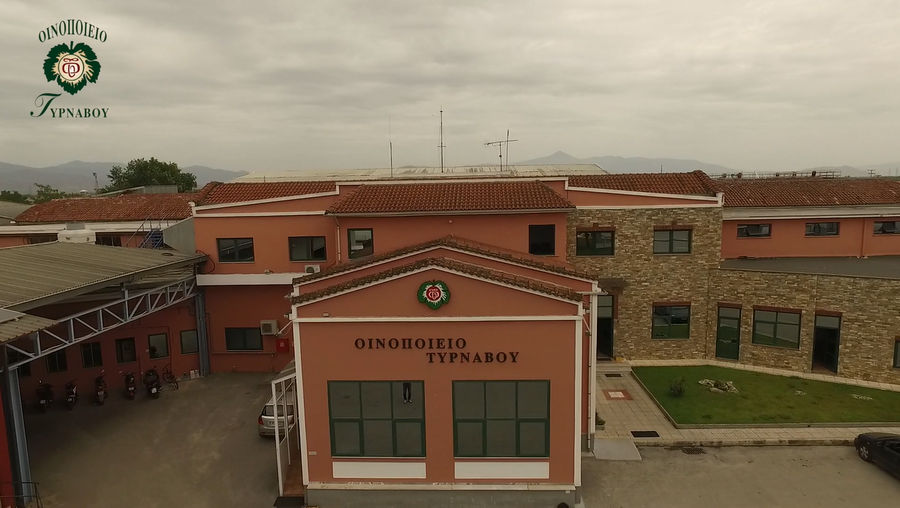
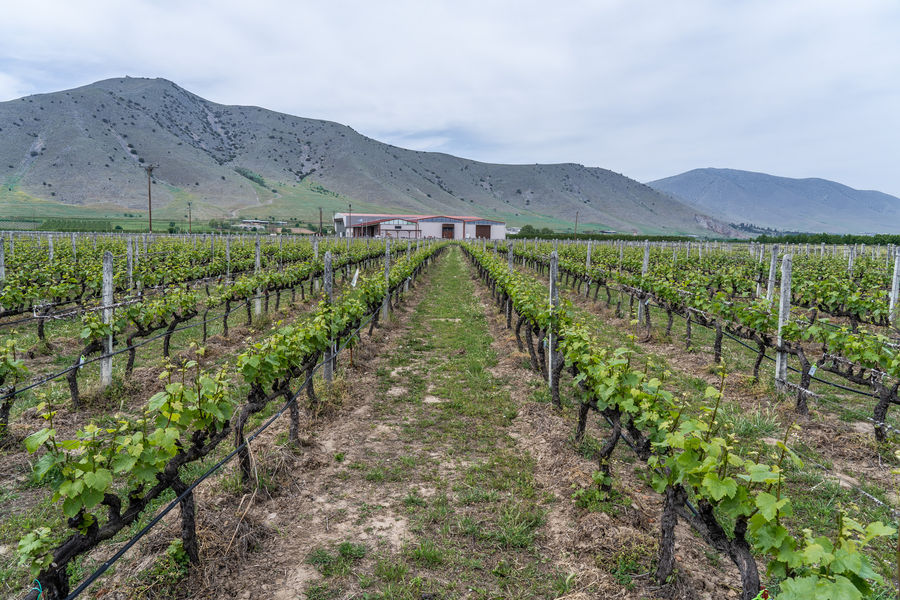
The greatest part of the vineyards of Thessalia, though, lies in Tirnavos. In these lowlands, with the northeast exposure to the sun, the grape varieties cultivated are Savatiano, Roditis, Batiki and Muscat of Hamburg, which produce the Regional Wine of Thessaly and the Regional Wine of Tirnavos.