Discover the Gastronomic and Natural Treasures of Greece’s Mountain Paradise
Nestled between the Pagasitikos Gulf on one side and the Aegean Sea on the other, Pelion is a magical mountain to discover. Its gentle slopes and easily accessible peaks make it a haven for hikers and weekend mountain climbers. Stretching approximately 50 km, with its highest summit, Stavros, reaching 1,624 metres, Pelion offers gentle terrain and breathtaking scenery that complements its rich gastronomic heritage.
One gains an exhilarating experience all year round when visiting Mount Pelion or its traditional villages, whether it’s in mid-winter when everything is covered in snow, or in spring and summer when colourful wildflowers cover its slopes, which are full of fir, chestnut, oak, and beech trees.
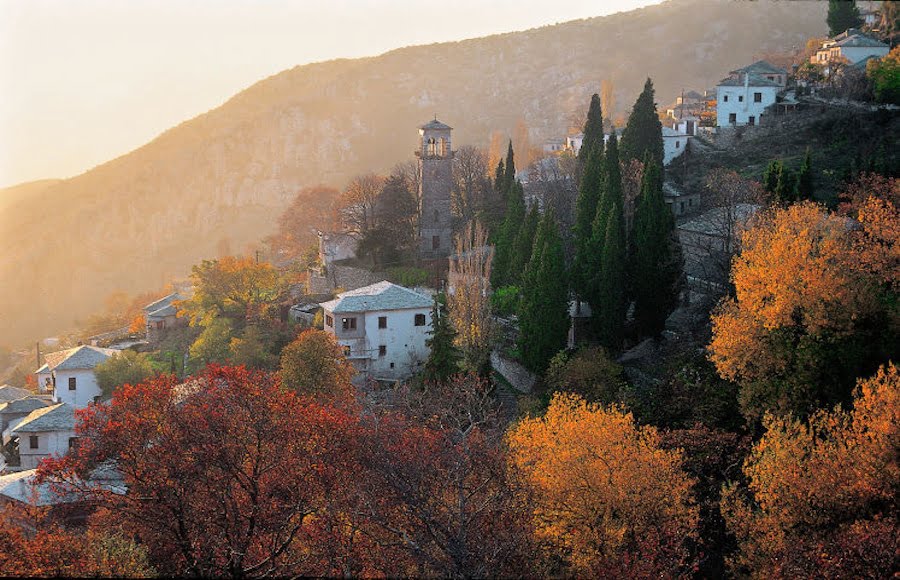
Water gurgles in the fountains, and sunbeams stream through the leaves of plane trees, oaks, beeches, gardenias, hydrangeas, and camellias. In the autumn, a surreal palette of orange and red unfolds before you. Pathways, old churches, and beaches with peacock-coloured water all add to this multi-coloured assemblage. High up, its villages teeter on the mountain’s edge, offering panoramic views of the surrounding region.
A Glimpse into the History of Pelion
Pelion is one of Greece’s most enchanting and historically layered regions, rising between the Aegean Sea and the Pagasetic Gulf in central Greece. Known in ancient mythology as the legendary homeland of the Centaurs, Pelion has long been associated with nature, wisdom, healing herbs, and the union of mountain and sea.
In historical times, Pelion developed a network of prosperous stone-built villages, such as Makrinitsa, Tsagarada, and Zagora, that thrived through agriculture, trade, and maritime activity. The region became known for its skilled sailors and merchants, many of whom played an important role in Greek commerce during the Ottoman period. The wealth generated from shipping helped shape Pelion’s distinctive architecture, featuring grand mansions, cobbled paths, arched bridges, and ornate churches.
During the Greek War of Independence in 1821, Pelion actively participated in the revolutionary movements, though it remained under Ottoman control for much of the 19th century. After incorporation into the modern Greek state in 1881, the region experienced gradual development while preserving its strong cultural identity and traditional way of life.
Today, Pelion is celebrated as a year-round destination where mythology, history, and natural beauty converge. Its villages retain their authentic charm, offering visitors a glimpse into a living tradition shaped by centuries of culture, resilience, and harmony with nature.
Explore Local Products
Pelion’s cuisine is deeply rooted in its local products, which form the foundation for every authentic dish. On a food tour, visitors can experience the full spectrum of these high-quality, artisanal ingredients:
Mountain Herbs and Aromatics
- Oregano, thyme, sage, and dill: Wildly collected from Pelion’s slopes, these herbs flavour meats, pies, and stews.
- Fennel and mountain tea: Used in traditional herbal infusions for digestion and wellness.
- Wild greens (horta): Includes dandelion, spinach, and other seasonal greens, often boiled or baked into pies.
Dairy Products
- Strained yoghurt: Rich, creamy, and locally cultured, often served with honey or used in pies.
- Kefalotyri and anthotiro cheeses: Produced in small mountain dairies, aged or fresh, used in pies, baked dishes, or simply enjoyed with bread.
- Butter and cream: Made from the milk of goats and sheep grazing on Pelion’s herbs and wildflowers, giving it a unique aromatic flavour.
Fruits and Orchards
- Apples from Zagora: Renowned for their sweetness and crispness, often used in pies or preserves.
- Cherries, plums, and mulberries: Eaten fresh, preserved, or transformed into traditional liqueurs.
- Citrus fruits and quinces: Used in jams, syrups, and desserts.
Forest and Wild Products
- Chestnuts and walnuts: Roasted, incorporated into desserts, or made into syrups and traditional sweets.
- Mushrooms: Foraged locally in season, added to pies and soups.
- Berries: Blackberries, raspberries, and elderberries appear in syrups, preserves, and liqueurs.
Olive Oil and Honey
- Extra virgin olive oil: Cold-pressed from local groves, often aromatic with mountain herbs.
- Honey: Produced from bees collecting nectar from Pelion’s chestnut and fir trees, resulting in dark, rich, and flavorful honey.
Seafood
- Fresh fish and shellfish from the Pagasitikos Gulf and the Aegean, such as red mullet, sardines, sea bream, and octopus, are often paired with local herbs and olive oil.
Signature Pelion Dishes Highlighted in Food Tours
Visitors on a food tour enjoy the best combinations of these local products:
- Mountain and meat specialities: Slow-cooked lamb (kleftiko), goat dishes, and beef stifado with onions and local wine.
- Vegetable-based dishes: Stuffed vine leaves (dolmades), chickpea stews, and pies with seasonal greens and cheeses.
- Sweet delicacies: Almond cookies (amygdalota), chestnut pies, honey-soaked phyllo desserts, and preserves from local fruits.
- Seafood dishes: Grilled or baked fish with fresh herbs and olive oil, highlighting the synergy between Pelion’s mountains and sea.
Visiting Local Producers: The Heart of Pelion Food Tours
The most immersive food tours connect visitors directly to the people and places where these ingredients originate:
- Dairy farms: Participate in cheese and yoghurt making, tasting products straight from mountain goats and sheep.
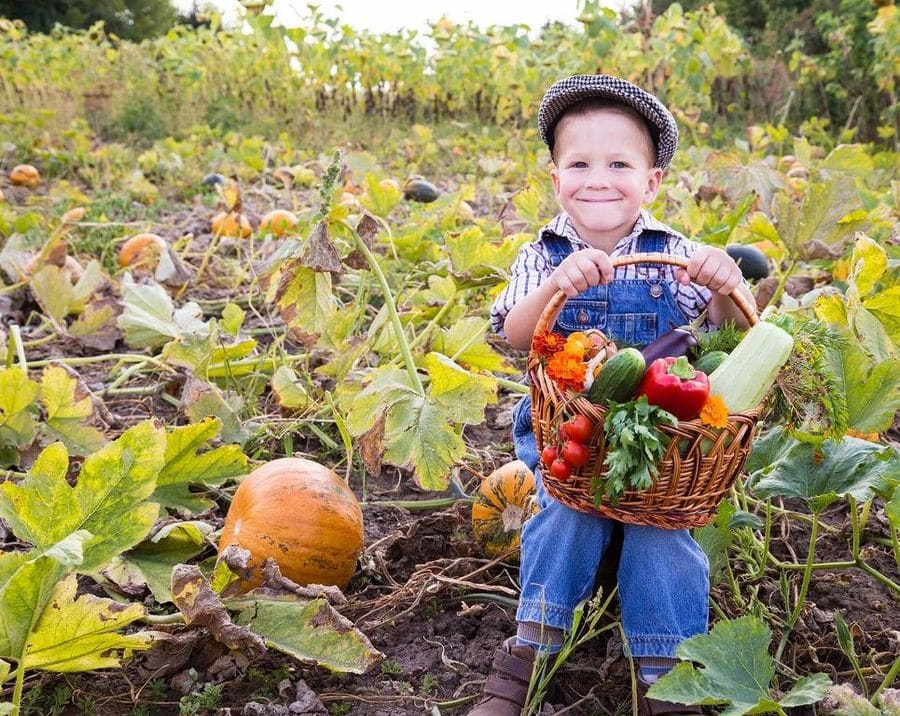
- Orchards: Apple, cherry, and plum farms in Zagora allow visitors to pick fruits, observe harvesting, and learn traditional preservation techniques.
- Herbal gardens and wild foraging tours: Discover how herbs are grown, dried, and used in teas, infusions, and culinary recipes.
- Olive groves and honey farms: Taste olive oil and artisanal honey, learning the craft behind these classic Pelion products.
- Mushroom and chestnut foraging tours: Explore forests in season to collect and cook local produce with expert guides.
Why Pelion Food Tours Are Unique
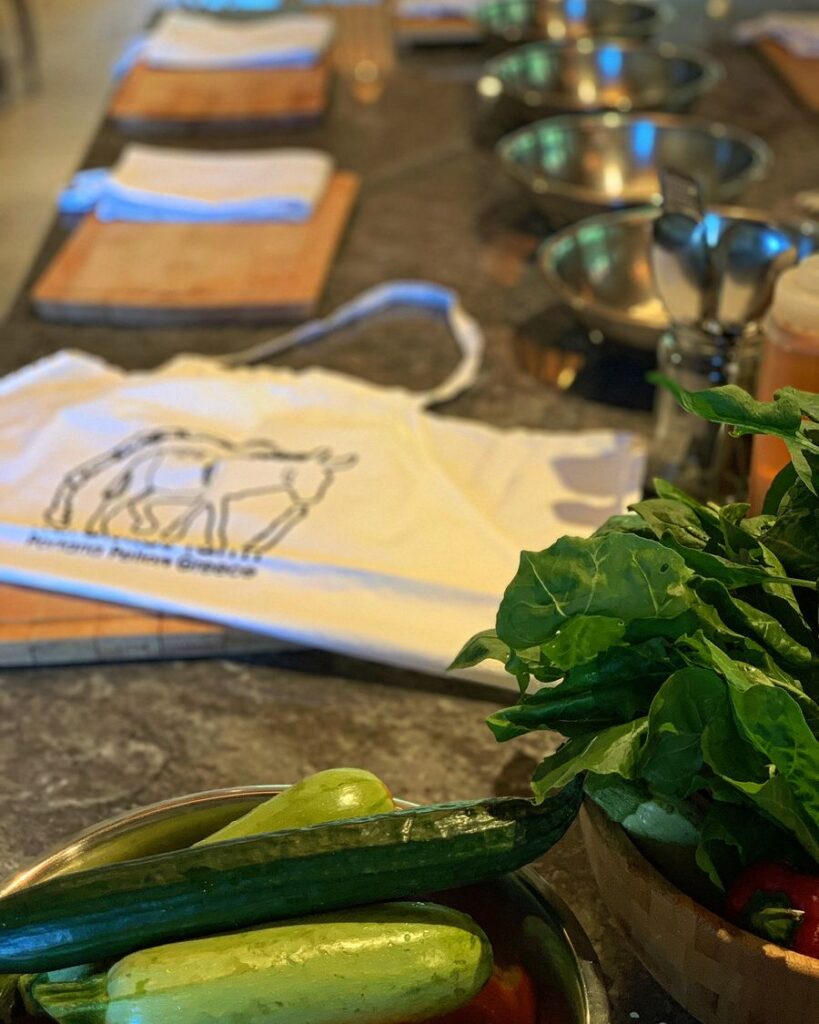
Unlike conventional dining experiences, food tours immerse visitors in both the culinary and natural heritage. From mountain farms to coastal fisheries, each stop reveals the story behind the food—its connection to the land, the people, and sustainable traditions. Travellers leave not only with a full palate but with a deep appreciation of Pelion’s seasons, biodiversity, and artisanal craftsmanship.
Pelion is a feast for all the senses. Hiking through its forests, wandering along historic pathways, and visiting producers in villages teetering on mountain slopes enhances every tasting. Fresh cheeses, herbs, fruits, honey, and seafood combine with breathtaking landscapes, wildflowers, and autumnal forests to make Pelion a destination where gastronomy meets nature.