Discover the Venetian Soul of the Ionian Islands’ Gastronomy: A Journey Through History, Culture, and Flavour
The Ionian Islands offer far more than turquoise waters, Venetian architecture, and breathtaking landscapes. They are home to one of the most distinctive culinary traditions in the Mediterranean—a gastronomic heritage shaped by centuries of trade, cultural exchange, and foreign influences. Unlike many other regions of Greece, the cuisine of the Ionian Islands developed under strong Venetian rule, creating a unique fusion of Italian elegance and Mediterranean simplicity.
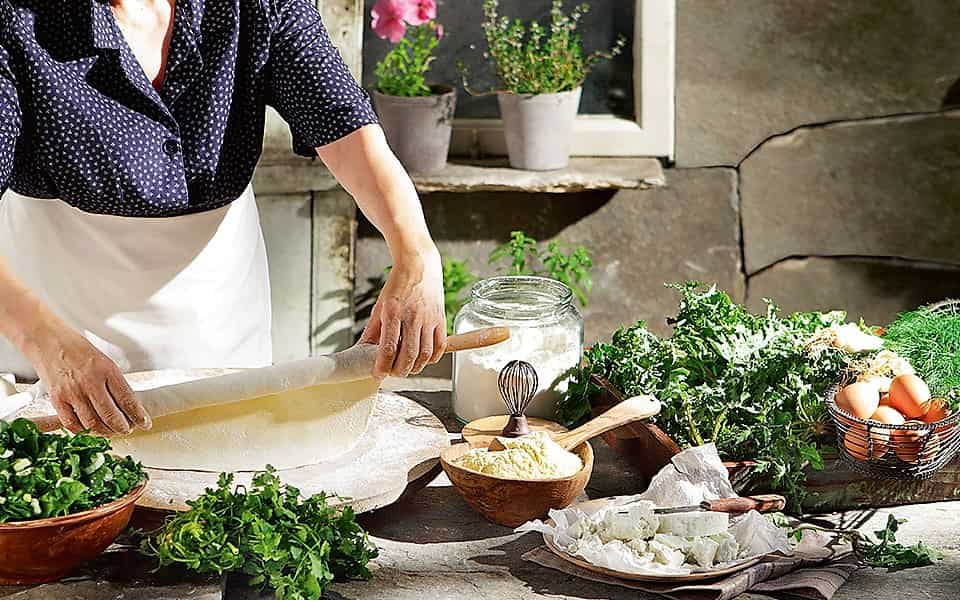
Today, exploring the Ionian Islands’ Gastronomy is one of the most rewarding ways to understand their history. Through food tours, local markets, family tavernas, and traditional workshops, visitors can discover how every recipe tells a story of merchants, sailors, aristocrats, and local communities who transformed foreign influences into a cuisine unlike any other in Greece.
A Culinary Crossroads of the Mediterranean
For centuries, the Ionian Islands occupied a strategic position between East and West. Situated along important maritime routes connecting Venice, southern Italy, the Balkans, and the eastern Mediterranean, islands such as Corfu, Kefalonia, Zakynthos, Lefkada, Ithaca, and Paxos became vibrant crossroads of commerce and culture.
Among them, Corfu played a particularly important role. Its harbour was one of the busiest ports of the Adriatic, welcoming ships laden with spices, wine, olive oil, silk, and exotic ingredients from distant lands. These constant exchanges left an indelible mark on local cooking traditions, creating a sophisticated culinary culture that blended foreign techniques with local products.
While much of Greece experienced Ottoman influence, the Ionian Islands remained largely under Venetian control from the 14th to the 18th century. This historical distinction explains why pasta, slow-cooked meats, rich sauces, cured meats, and elaborate desserts became integral parts of Ionian cuisine.
Venetian Influence and the Birth of a Unique Cuisine
The Venetian Republic brought more than political administration; it introduced a new way of cooking and dining. Noble families adopted Italian culinary customs, while local cooks gradually adapted Venetian recipes using Greek ingredients and traditional Mediterranean products.
Olive oil remained the foundation of everyday cooking, but dishes became more refined through the use of wine-based sauces, aromatic herbs, imported spices, and slow-cooking techniques. Over time, a remarkable culinary fusion emerged—one that retained the freshness of Mediterranean cuisine while embracing the sophistication of Venetian gastronomy.
This blend remains evident today in the islands’ most famous dishes and continues to attract food enthusiasts from around the world.
The Spice Routes That Changed the Ionian Islands’ Gastronomy
One of the defining characteristics of the Ionian Islands’ Gastronomy is its rich use of spices. During the great age of maritime trade, Venetian merchants controlled routes connecting Europe with the Middle East and beyond. Through ports such as Corfu, valuable ingredients arrived from Alexandria, Constantinople, Beirut, and Venice itself.
Cinnamon, cloves, nutmeg, saffron, black pepper, ginger, and cumin became essential elements in local recipes. These spices transformed simple ingredients into deeply aromatic dishes and desserts, creating flavours rarely found elsewhere in Greece.
The influence remains visible today. Many traditional recipes still rely on spice blends passed down through generations, preserving the islands’ historic connection to global trade networks.
Iconic Dishes of the Ionian Islands’ Gastronomy
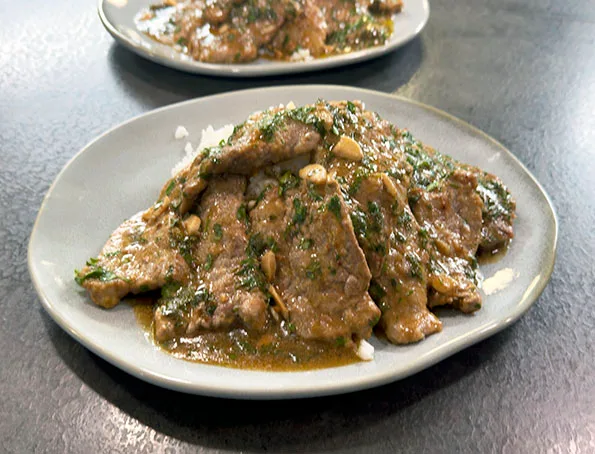
Sofrito: Corfu’s Elegant Classic
Among the most celebrated dishes of Corfu is sofrito, a recipe that perfectly captures Venetian refinement. Thin slices of veal are gently cooked in white wine, garlic, parsley, and olive oil until exceptionally tender. The result is a delicate yet deeply flavourful dish often served with mashed potatoes or rice.
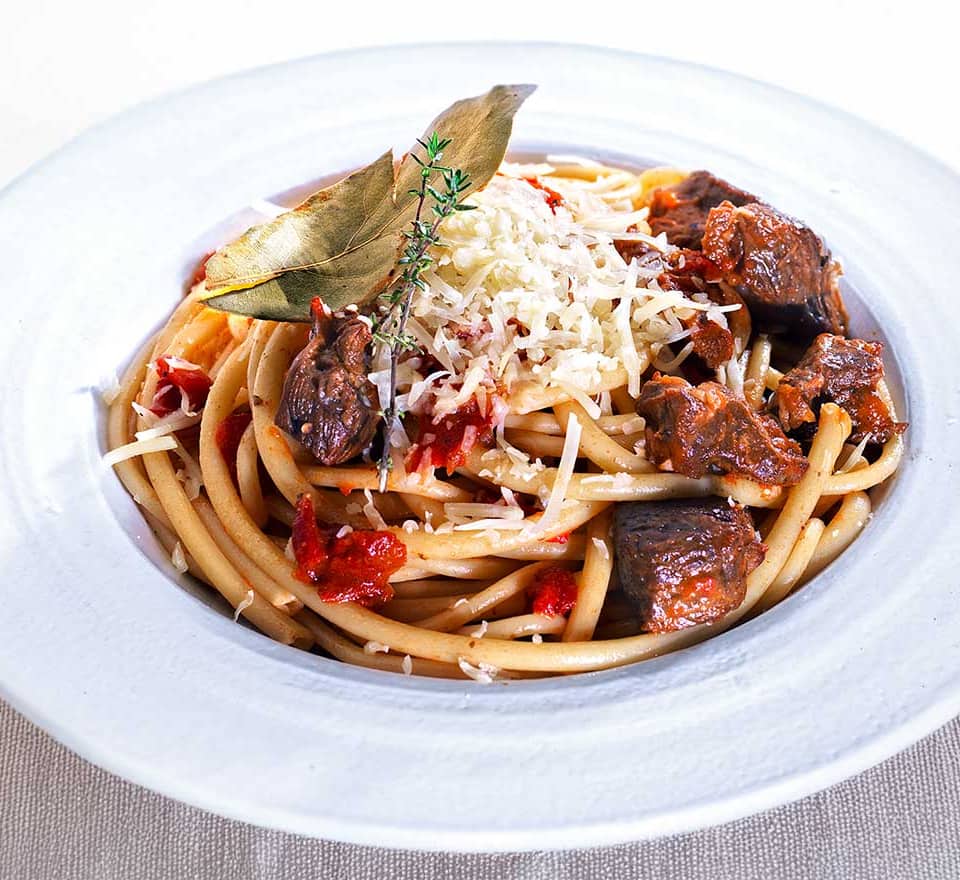
Pastitsada: A Symphony of Spices
Perhaps the most famous Corfiot dish, pastitsada, combines slow-cooked rooster, chicken, or beef with a rich tomato sauce infused with cinnamon, cloves, nutmeg, and red wine. Served over pasta, it beautifully illustrates the marriage of Italian culinary techniques and Greek ingredients.
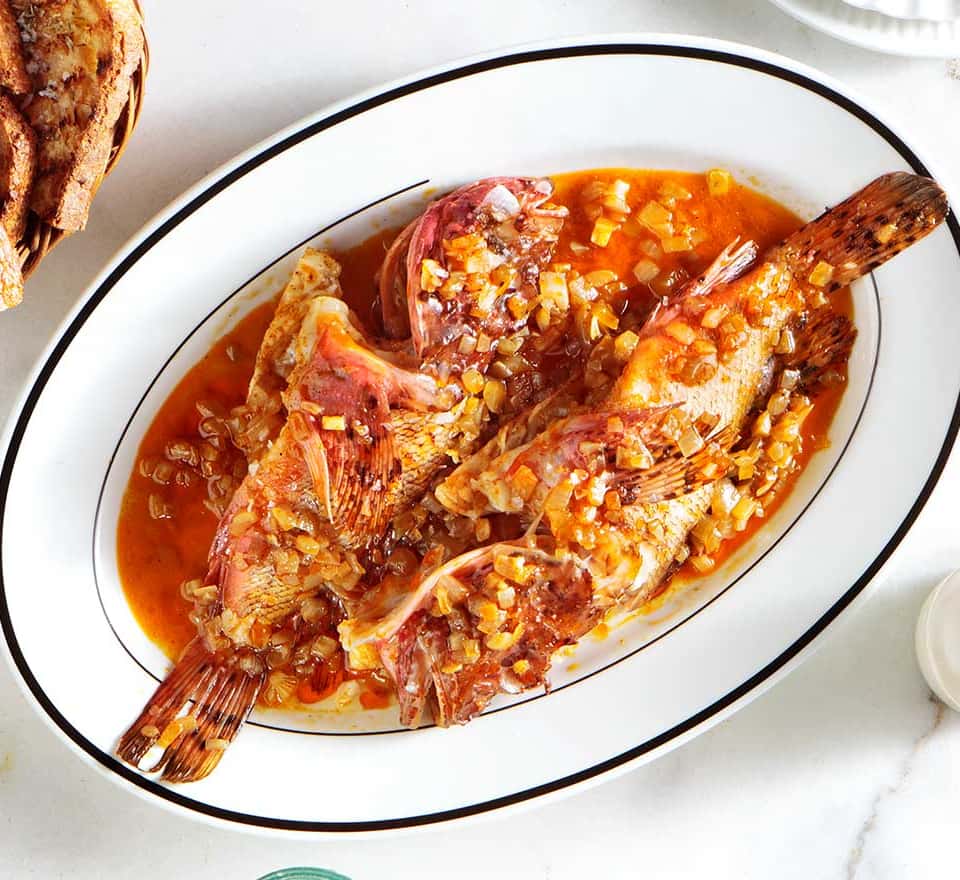
Bourdeto: The Fisherman’s Treasure
For seafood lovers, Bourdeto offers a taste of the sea. This traditional fish stew features fresh local fish simmered in olive oil with garlic, onions, and red pepper. Its bold flavour reflects both the abundance of the Ionian Sea and the islands’ passion for simple yet expressive cooking.
Bianco: A Hidden Corfiot Gem
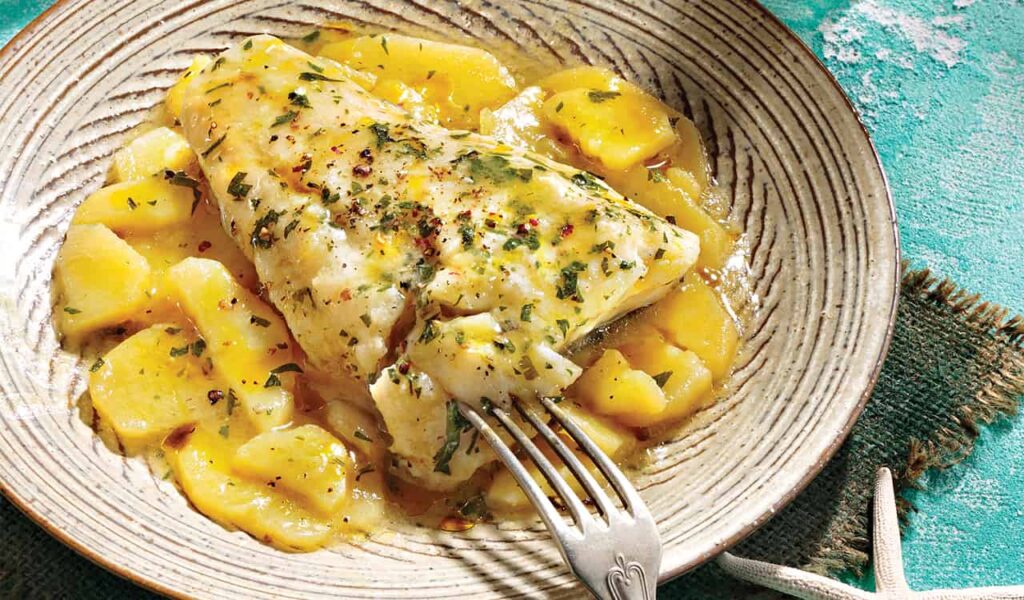
Lesser-known but equally authentic is bianco, a delicate fish dish prepared with garlic, lemon juice, potatoes, and white pepper. Originating from the island’s fishing communities, it showcases the importance of fresh ingredients and restrained seasoning.
Traditional Meats and Artisanal Delicacies of the Ionian Islands’ Gastronomy
The Venetian legacy also lives on through the islands’ remarkable charcuterie traditions.
Nouboulo, Corfu’s most famous cured meat, consists of pork fillet marinated in salt, wine, and spices, then smoked and air-dried. Once reserved for festive occasions and aristocratic tables, it remains one of the island’s signature products.
Other local specialities include:
- Salado, a traditional salted pork preparation.
- Vourdouni, a rustic village sausage flavoured with herbs and spices.
- Various cured meats are produced using centuries-old preservation methods developed to suit island life.
Many food tours include visits to artisan producers where visitors can learn about these traditional techniques and sample products rarely found outside the islands.
Exceptional Local Products of the Ionian Islands’ gastronomy
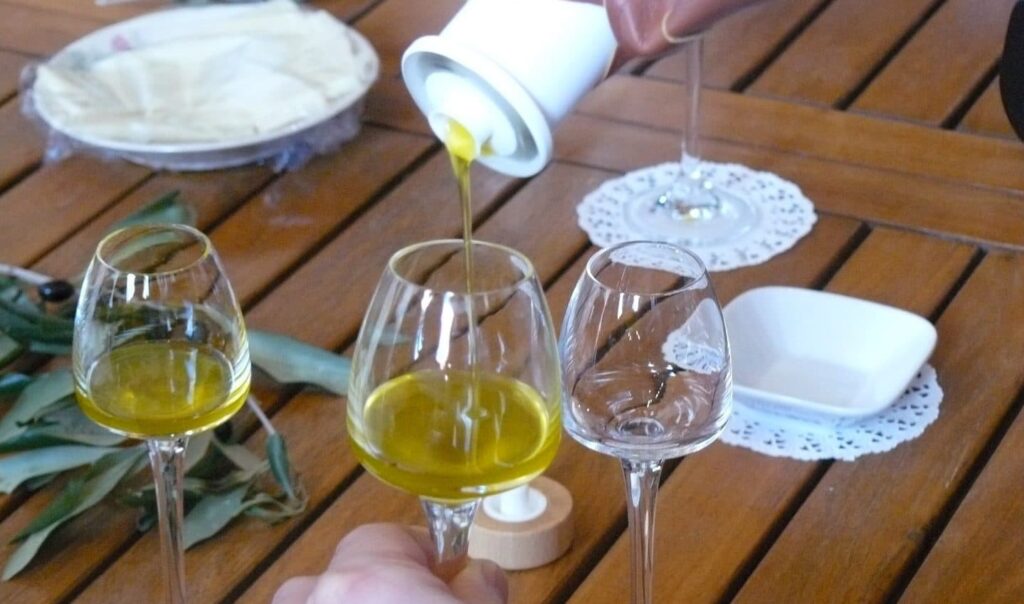
Olive Oil: The Liquid Gold of the Ionian
The Ionian Islands are home to millions of olive trees, some of which are hundreds of years old. Corfu alone boasts one of the largest continuous olive groves in the Mediterranean. The islands’ extra virgin olive oils are known for their mild, fruity character and play a central role in local cuisine.
Wine Heritage
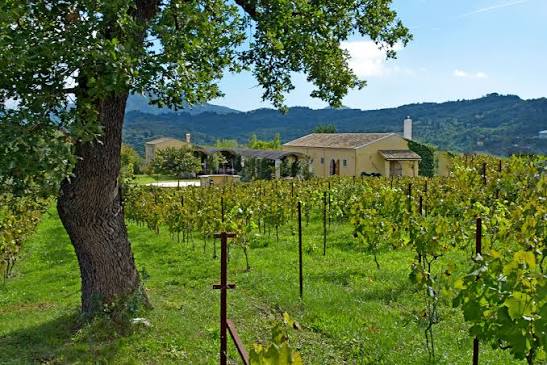
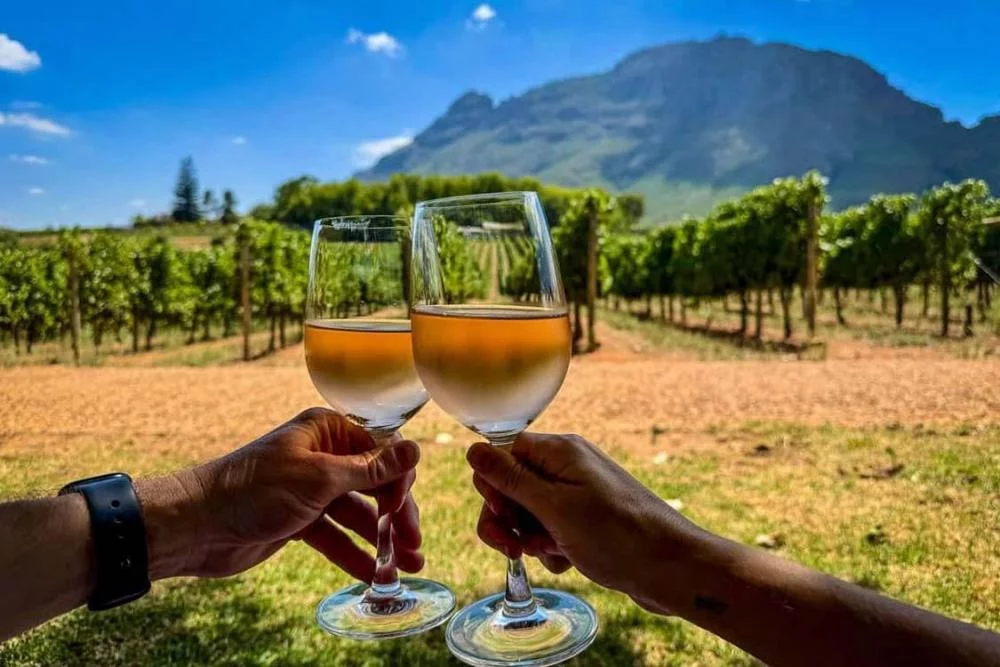
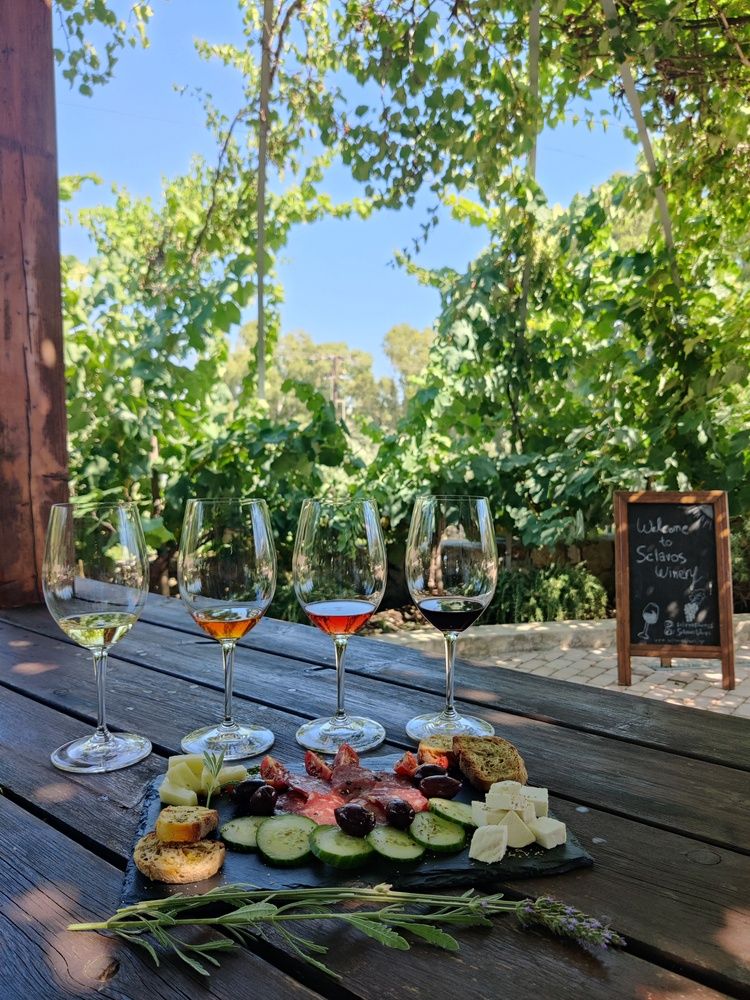
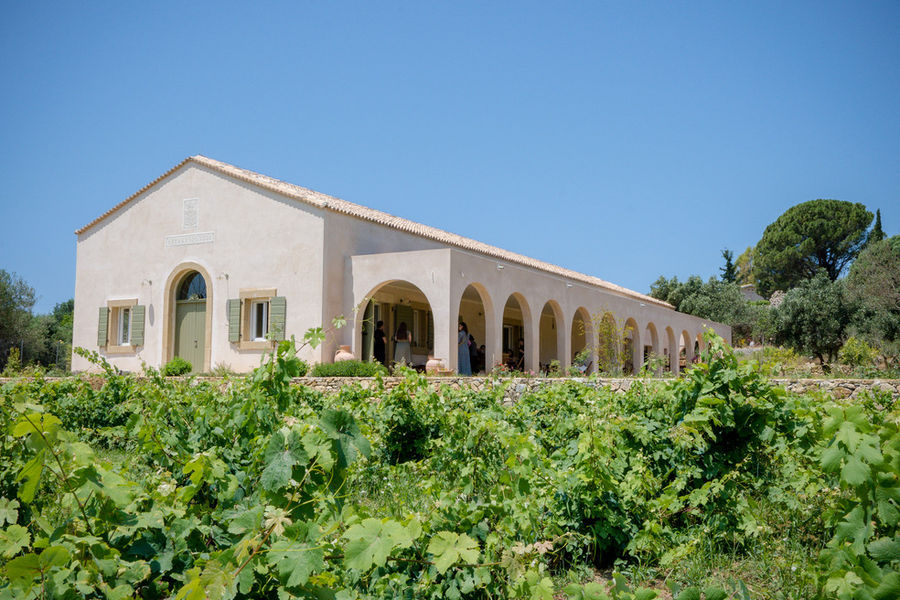
The region also enjoys a rich winemaking tradition. Indigenous grape varieties such as Robola in Kefalonia and Vertzami in Lefkada produce distinctive wines that perfectly accompany local dishes. Vineyard visits and wine tastings have become an increasingly popular part of gastronomic experiences across the islands.
Kumquat: Corfu’s Signature Fruit
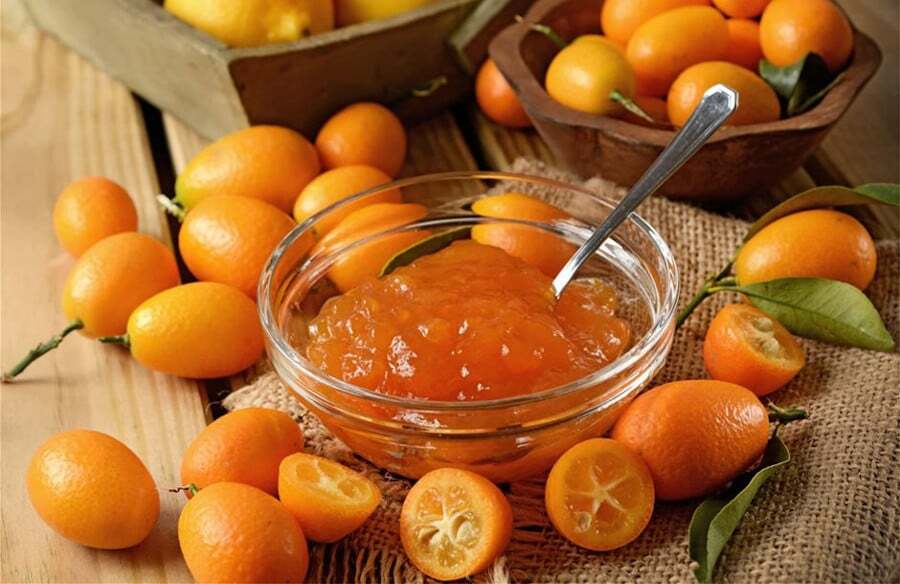
Introduced to Corfu during the nineteenth century, the kumquat has become one of the island’s most recognisable products. Its bright citrus flavour is transformed into liqueurs, marmalades, spoon sweets, candies, and desserts enjoyed throughout Greece.
Corfu Ginger Beer
A surprising local speciality is Corfu’s traditional ginger beer, known locally as tsitsibira. Introduced during the British Protectorate period in the nineteenth century, it remains a refreshing symbol of yet another cultural influence woven into the island’s identity.
Sweet Traditions with Venetian Roots of the Ionian Islands’ Gastronomy
The desserts of the Ionian Islands reflect centuries of celebration, hospitality, and cultural blending.
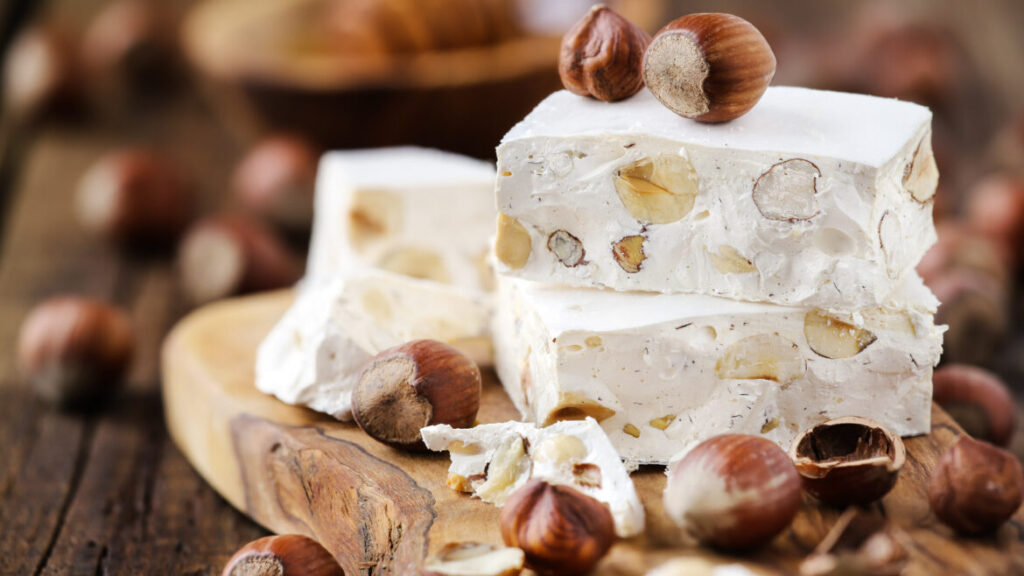
Mandolato, a festive nougat made with almonds, honey, and egg whites, arrived through Venetian confectionery traditions and remains a beloved treat.
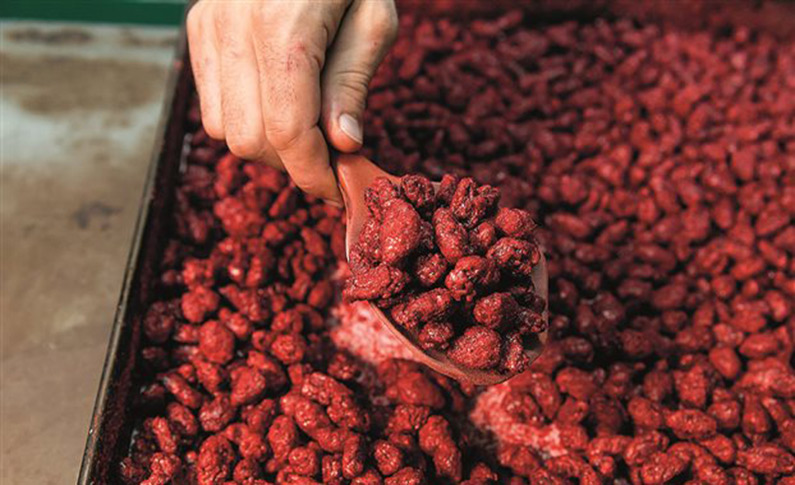
Mandoles, caramelised almonds coated in a vibrant red glaze, are often associated with weddings and local celebrations.
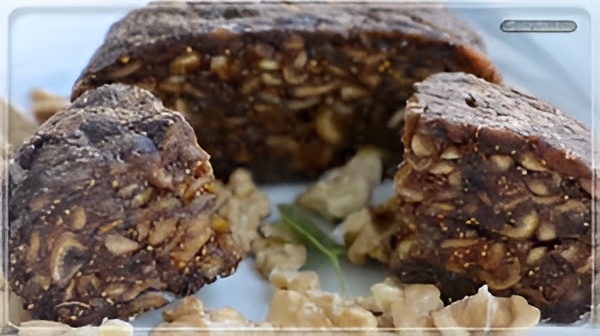
Sykomaida, a traditional fig-based sweet enriched with nuts, pepper, ouzo, and aromatic herbs, showcases the islands’ agricultural abundance and creativity.
Seasonal specialities such as fogatsa, a sweet Easter bread influenced by Italian baking traditions, and gingeola, a festive pastry enjoyed during celebrations, continue to connect modern island life with centuries-old customs.
More Than Food: A Cultural Experience
Experiencing the Ionian Islands’ Gastronomy means engaging with the islands’ living heritage. Every market stall, olive grove, vineyard, bakery, and family-run taverna reveals another chapter in a story shaped by Venetian nobles, local farmers, adventurous sailors, and generations of home cooks.
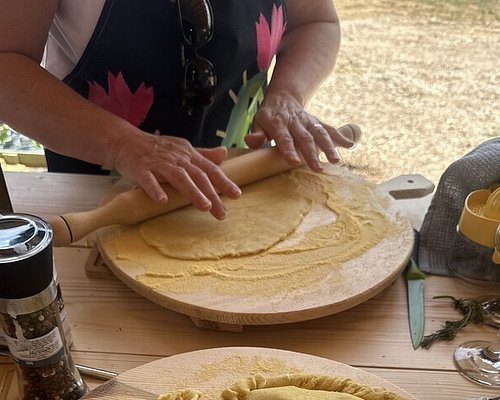
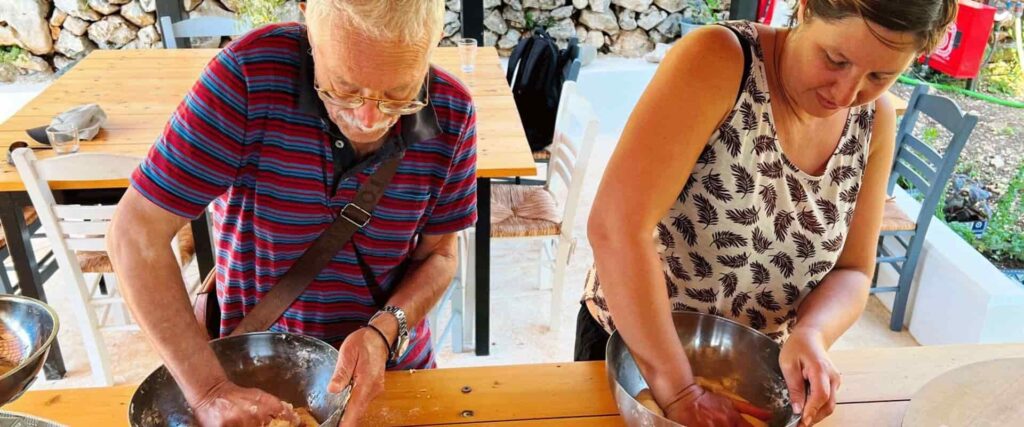
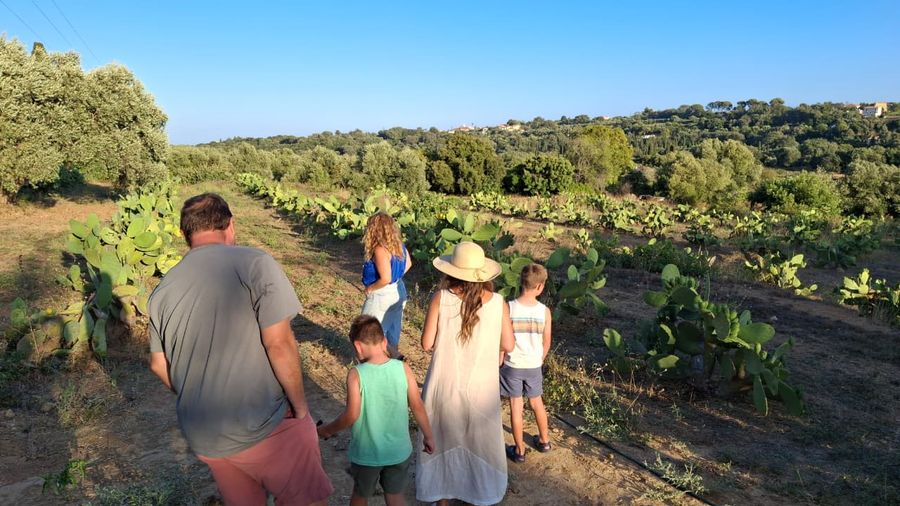
Food tours offer visitors an immersive way to uncover these stories. Beyond tasting local dishes, travellers gain insight into traditional production methods, regional ingredients, historical influences, and family recipes passed down through generations.
Walking through Corfu’s UNESCO-listed Old Town, exploring Kefalonia’s vineyards, visiting olive mills in Paxos, or sharing homemade recipes with local families transforms gastronomy into a journey through history itself.
The Taste of the Ionian Islands’ Gastronomy
The gastronomy of the Ionian Islands is a remarkable testament to the power of cultural exchange. Venetian sophistication, Mediterranean abundance, maritime trade, and local ingenuity have combined to create a cuisine rich in character, history, and flavour.
Every dish reflects centuries of encounters between civilisations, every spice tells the story of distant trade routes, and every recipe preserves a piece of island identity. For travellers seeking authentic experiences, the Ionian Islands offer not only spectacular scenery but also one of the Mediterranean’s most fascinating and rewarding culinary adventures—where history can truly be tasted in every bite.
Protected Designation of Origin (PDO) and Protected Geographical Indication (PGI) products of the Ionian Islands
| Product | Designation of Origin (PDO) or Geographical indication (PGI) | Prefecture |
| Fruits, dried nuts | Kumquat (PDO) | Corfu |
| Fruits, dried nuts | Raisins (PDO) | Zakynthos |
| Olive oil | Zakynthos (PGI) | Zakynthos |
| Olive oil | Cephalonia (PGI) | Cephalonia |
| Olive oil | St. Mathew (PGI) | Corfu |
| Wine | Mavrodaphne (PDO) | Cephalonia |
| Wine | Muscat (PDO0 | Cephalonia |
| Wine | Mantzavinata (PGI) | Cephalonia |
| Wine | Slopes of Aenos (PGI) | Cephalonia |
| Wine | Robola (PDO) | Cephalonia |
| Wine | Halikouna (PGI) | Cephalonia |