The main centres of the Minoan civilisation were Knossos, Phaistos, Malia, Zakros, and Gournia, where archaeologists have found palace complexes. In 1450 and again in 1400 BCE, a series of catastrophes, possibly caused by volcanic explosions on Santorini, led to their decline.
After the Romans conquered Greece, it became a Byzantine province. For the next century (824-961 CE), Arabs occupied it and used it as a pirate base centred on Handaka, today’s Heraklion. Crete returned to Byzantium and remained under Byzantine rule until the Venetians arrived; they stayed for about five centuries, leaving a profound impact on its culture. Aside from Heraklion, Chania and Rethymnon flourished in this era.
Turkish rule began in 1669 and ended in 1898, with the island officially becoming part of Greece in 1913. Another critical moment in the island’s history was the Battle of Crete in 1941, when the Axis powers invaded the island during World War II with an airborne attack. The battle is also crucial to the Cretans because they mounted unexpectedly bold resistance against the numerically superior German forces. The graves of 4.465 German soldiers from the Battle of Crete are found in the German war cemetery in Maleme.
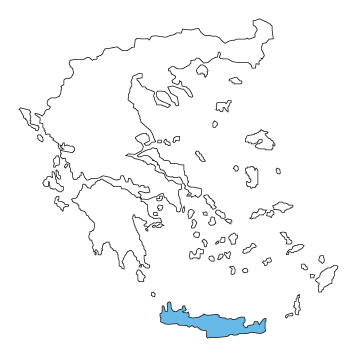
Today, Crete is administratively divided into four regional units: Chania, Rethymno, Heraklion, and Lasithi, each contributing its own character to the island’s overall identity.
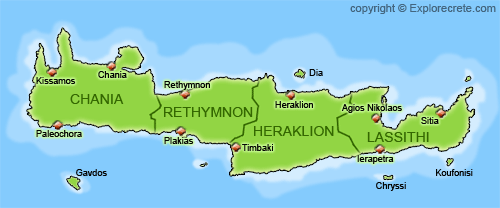
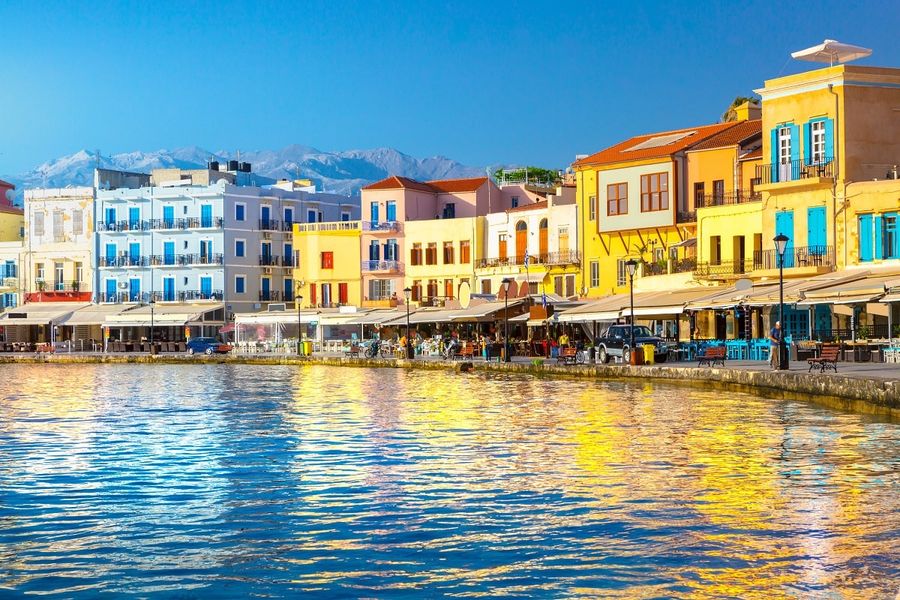
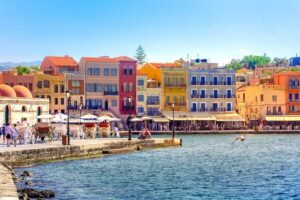
The western part of the island is occupied by the regional unit of Chania. This area is widely regarded as one of Crete’s most scenic parts. Chania is famous for its Venetian harbour, narrow alleys, and well-preserved old town, reflecting centuries of Venetian and Ottoman influence. Beyond the city, the region extends into dramatic natural landscapes, including the Samaria Gorge and the exotic beaches of Balos and Elafonissi. Chania represents Crete’s romantic, wild side, where mountains drop sharply into the sea and traditional villages remain deeply connected to the land.
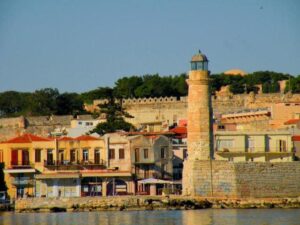
Moving eastward, the Rethymno regional unit serves as a geographical and cultural bridge between west and central Crete. Rethymno is known for its elegant old town, which preserves a strong Venetian architectural character. The Fortezza castle stands as a reminder of the island’s strategic importance throughout history. Unlike other regions that lean strongly toward either urbanisation or wilderness, Rethymno maintains a balanced identity, harmoniously combining tourism, education, and traditional rural life.
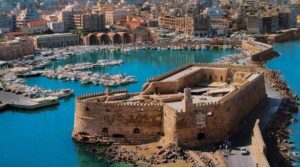
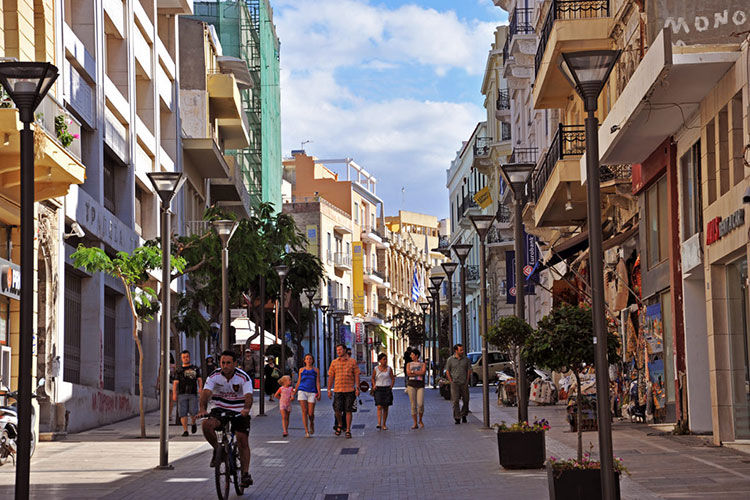
Further east lies Heraklion, the most populous and economically significant region of Crete. Heraklion serves as the island’s capital and main gateway, home to its largest port and airport. This region is deeply connected to ancient history, home to the legendary palace of Knossos, the heart of Minoan civilisation. At the same time, Heraklion is a modern urban centre, with active commerce, universities, and agricultural production, particularly in olive oil and wine. This blend of ancient heritage and modern development makes Heraklion the island’s dynamic core.
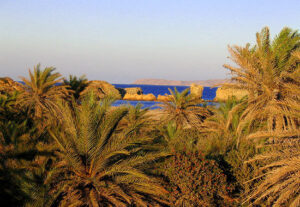
Finally, the easternmost region of Lasithi offers a more tranquil and less densely populated landscape. The town of Agios Nikolaos is one of its most recognisable locations, known for its picturesque lake and coastal scenery. Lasithi is also home to Ierapetra and to unique attractions such as the palm forest of Vai and the historical island of Spinalonga. Compared to the rest of Crete, this region feels more secluded and peaceful, with an emphasis on natural beauty and quieter forms of tourism.
In conclusion, Crete’s four regional units together form a diverse mosaic of landscapes and lifestyles. Chania impresses with its dramatic scenery, Rethymno with its cultural balance, Heraklion with its historical and economic importance, and Lasithi with its serenity and natural charm. This diversity makes Crete not only the largest Greek island, but also one of Europe’s most complex and fascinating regions.
Secrets of the Cretan Diet
The Cretan diet is rooted deeply in antiquity. It survived difficult conditions during the island’s conquest by the Arabs, Venetians, and Turks. It maintained its dietary traditions even during the Hellenistic period, when the Romans changed the eating habits of the entire Mediterranean.
More than 4,000 years ago, the ancient Cretans, the Minoans, consumed the products that form the basis of the Cretan diet today. All international research supports the view that the Cretan diet is the best and most characteristic example of the Mediterranean diet. Modern nutritional science indicates that the Mediterranean diet promotes long life and good health.
Uncover the Cretan Cuisine: Food and Wine Tours in Crete
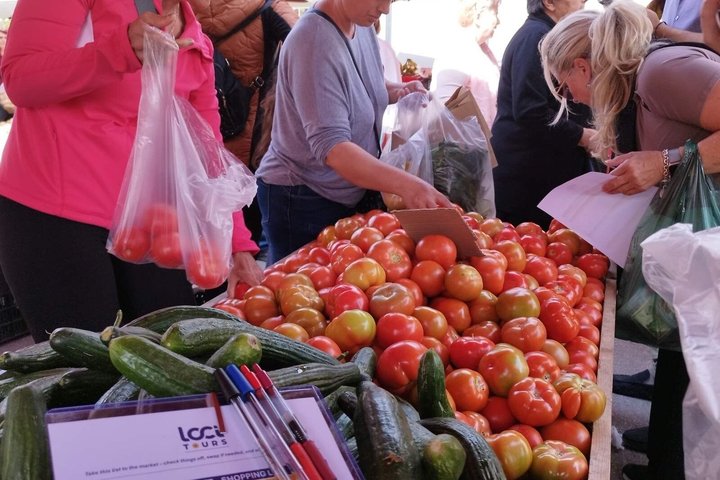
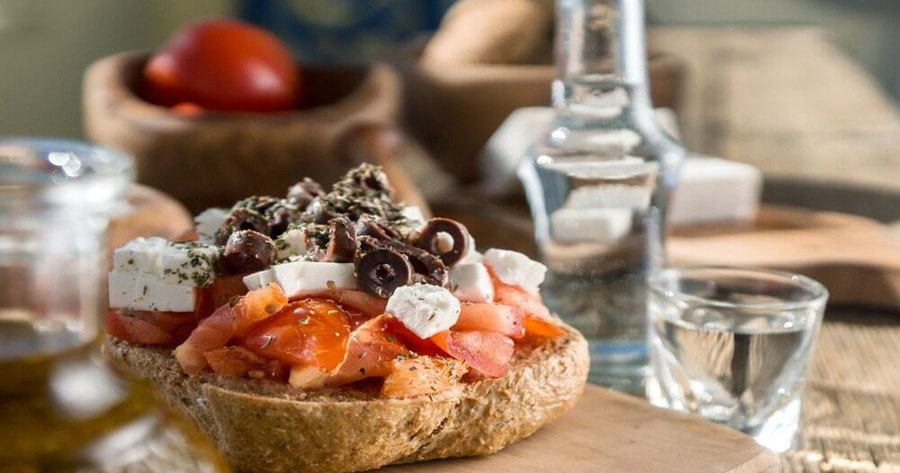
Dairy products, primarily cheeses, play an important role in Cretan cuisine, and snails are one of the favourite dishes. Cretan bread usually includes two kinds of flour, wheat and barley, while paximadi is a daily pleasure. Spices and aromatic herbs are used with discretion. Cretans are nourished by the products of their land: horticultural produce such as greens, vegetables, legumes, and fruit. They accompany their food with wine from the vineyards and use vast quantities of olive oil, the elixir of a healthy life, from its golden fruit. Today, Crete enjoys one of the world’s most ancient, delicious and healthy cuisines…
Cooking Classes with Locals
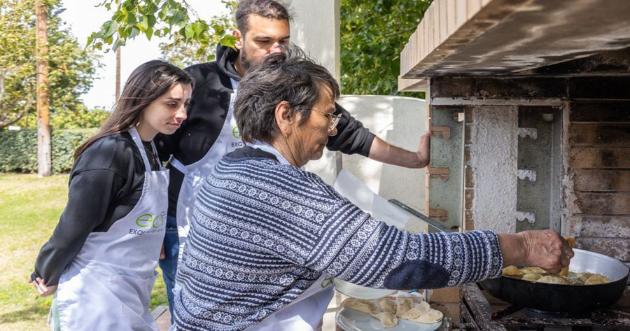
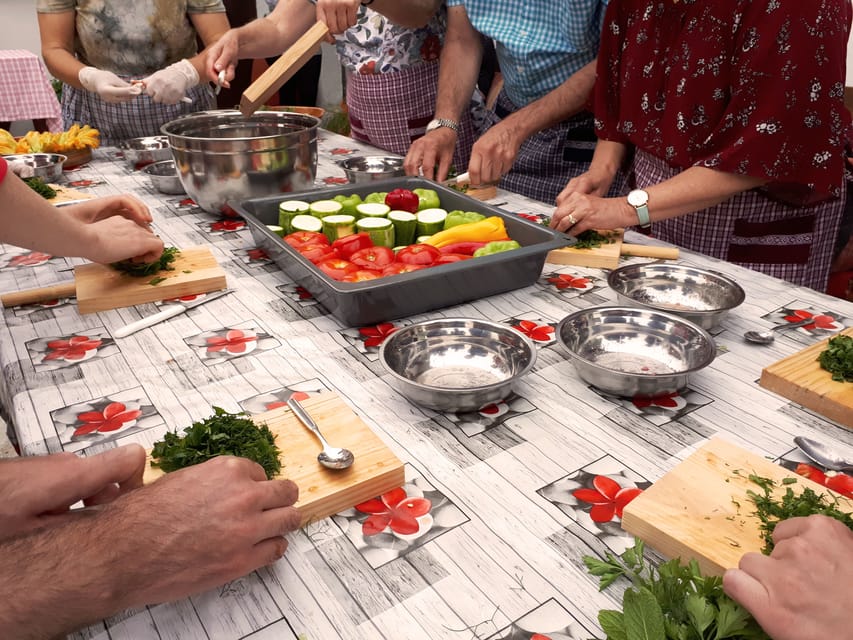
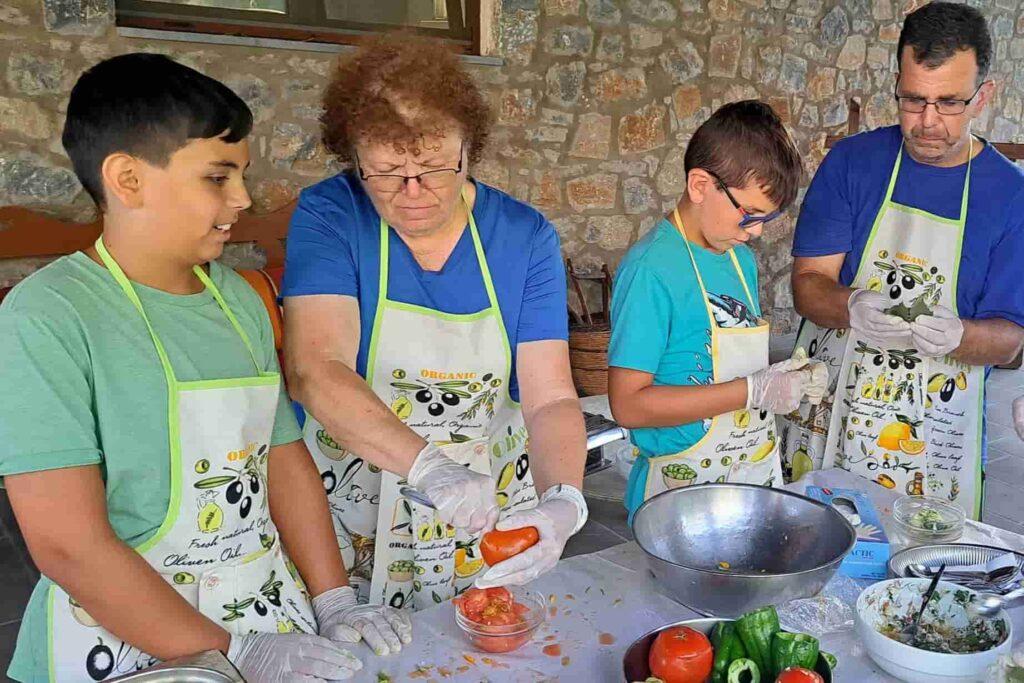
Cooking lessons in Greece offer a unique experience for several reasons. Cretan cuisine is steeped in history and tradition, influenced by various civilisations over centuries. Grab your basket and bring your appetite, we invite you to join us on an organic farm adventure. Together, we will harvest the freshest ingredients for an authentic Cretan cooking experience.
Cooking lessons often delve into this rich culinary heritage, teaching not just recipes but also the stories and culture behind them.
From 77.0 € / per person
Visit the wineries and vineyards
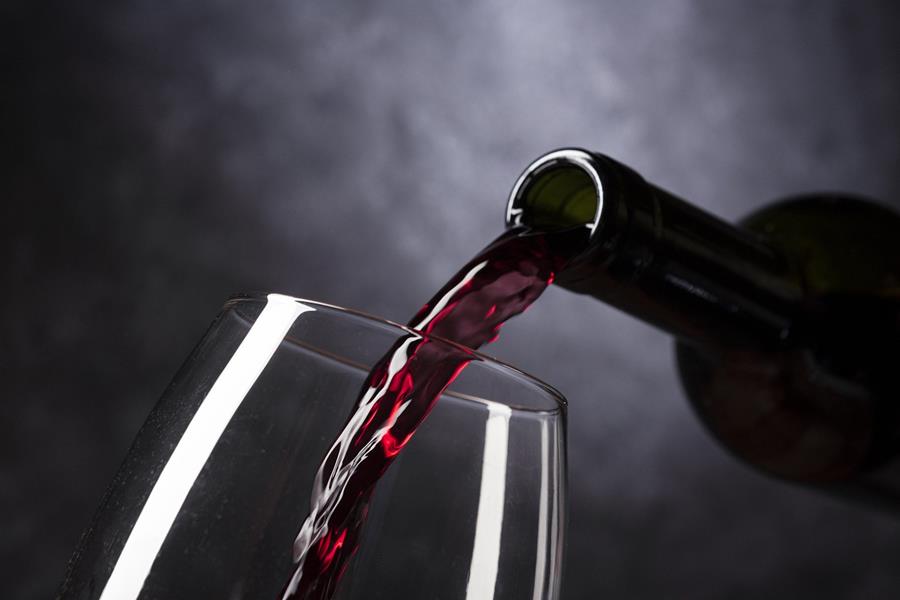
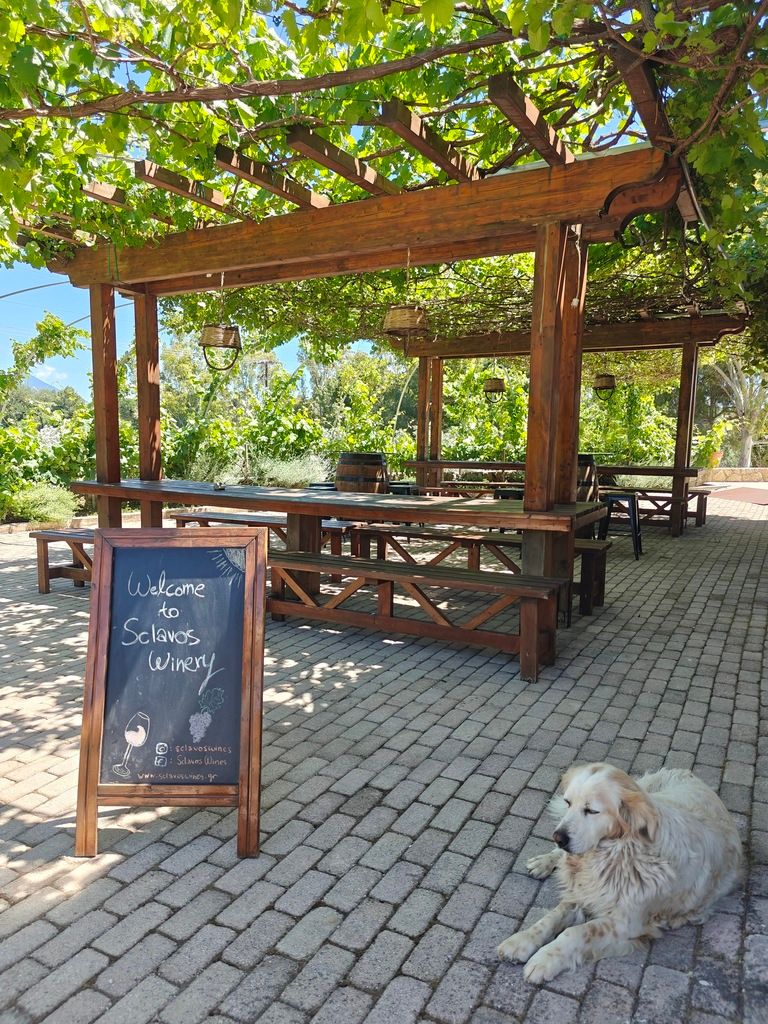
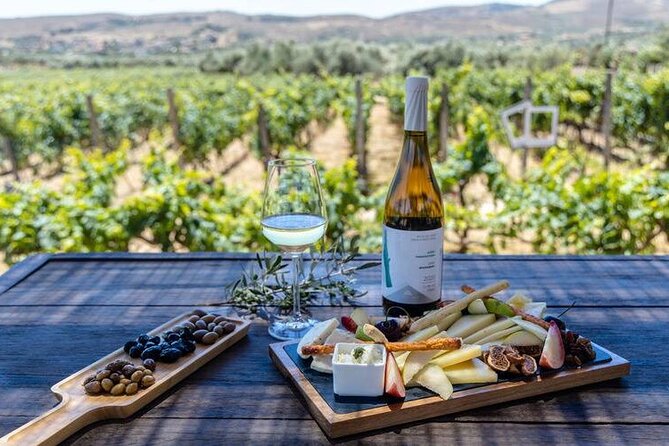
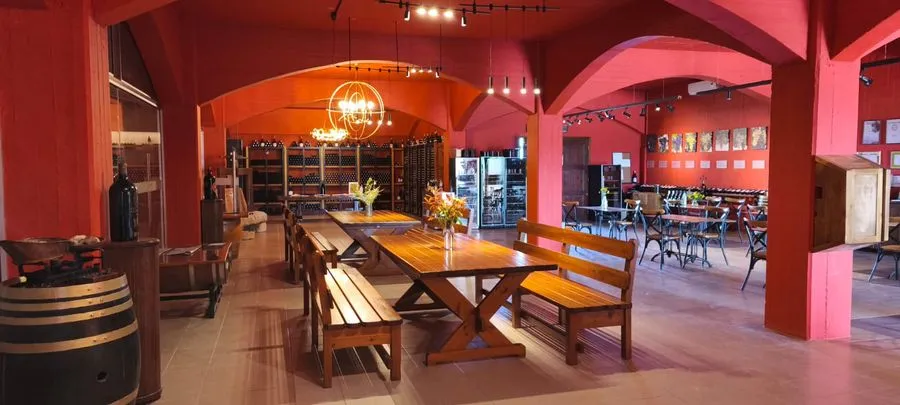
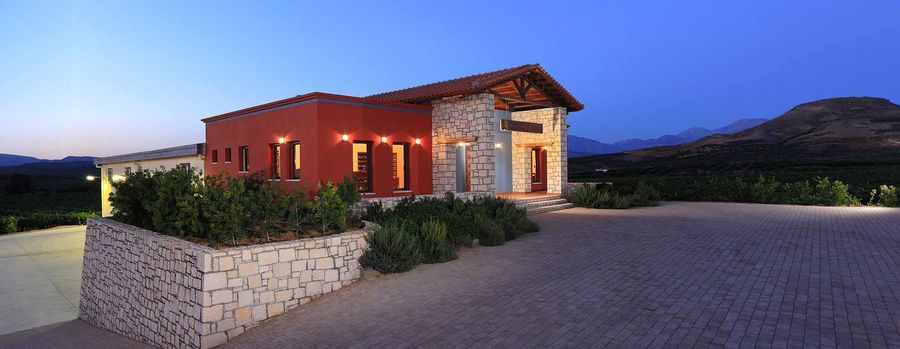
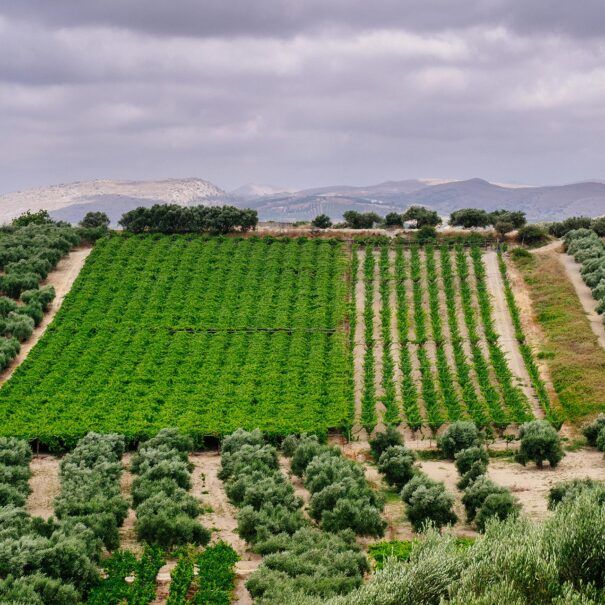
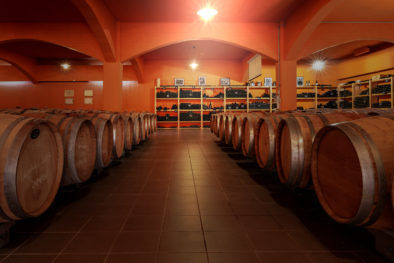
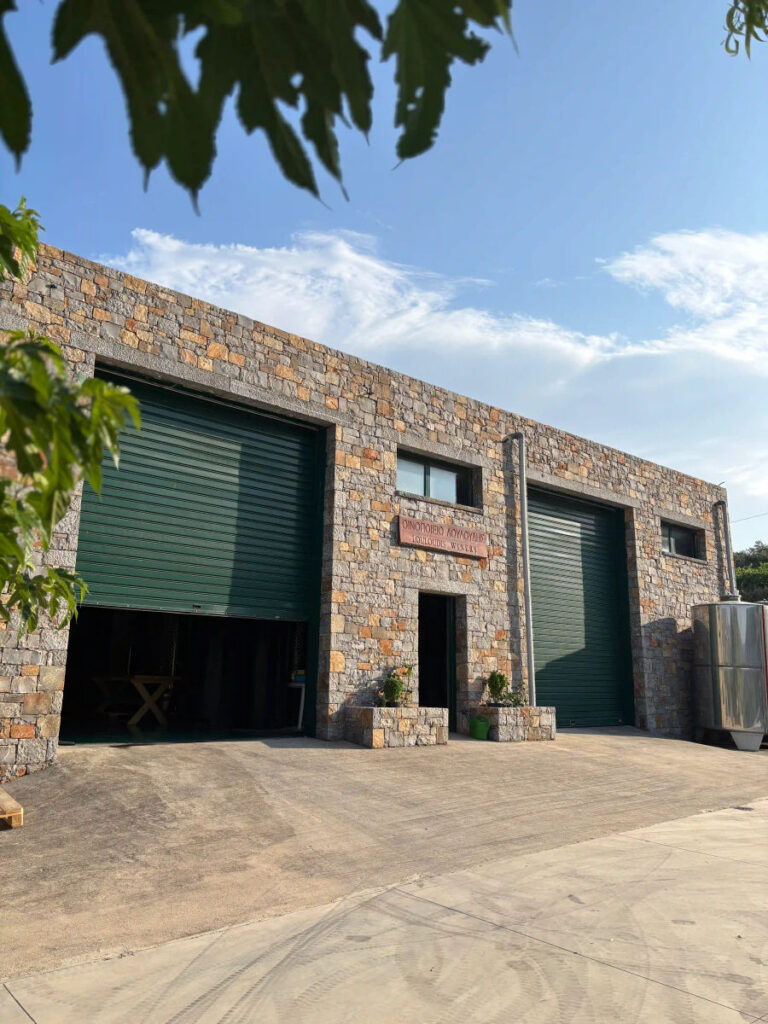
Visiting a winery in Greece offers a delightful blend of history, culture, and flavour. Greece’s rich wine tradition dates back to ancient times, with a diverse range of indigenous grape varieties, picturesque vineyards, and unique terroirs.
From 77 € / per person
Explore the Olive Oil Myth
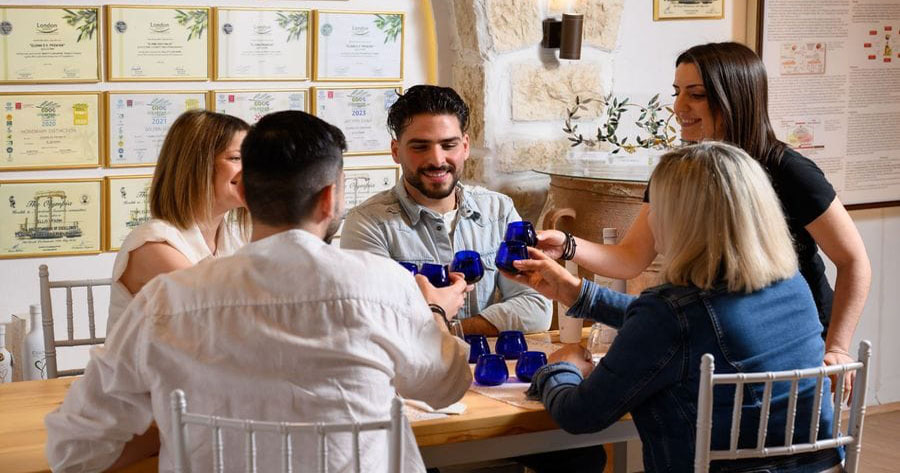
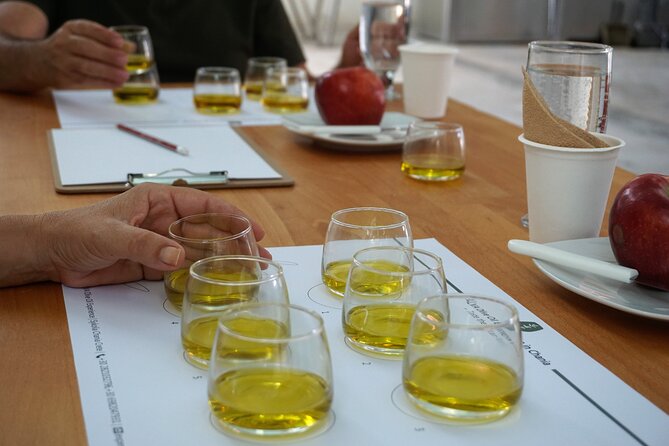
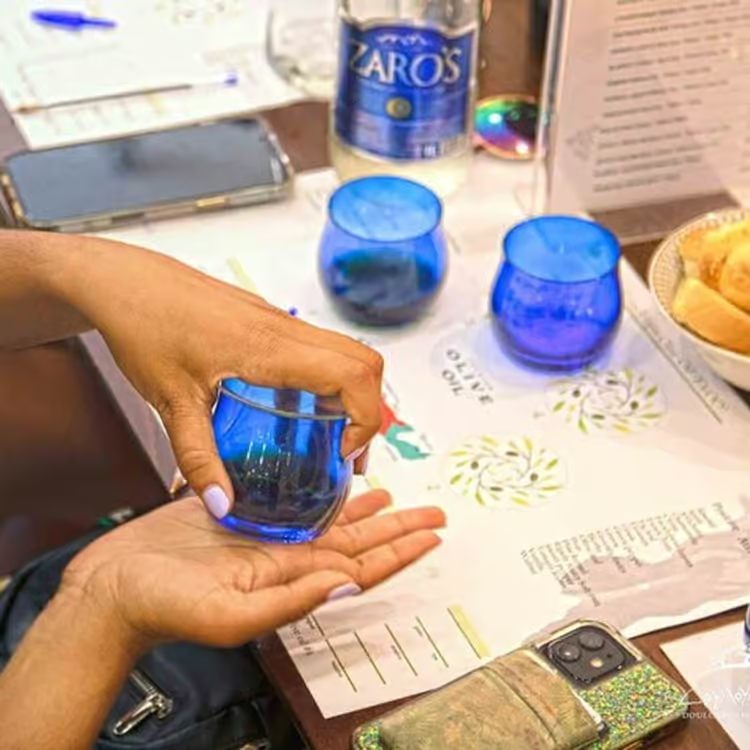
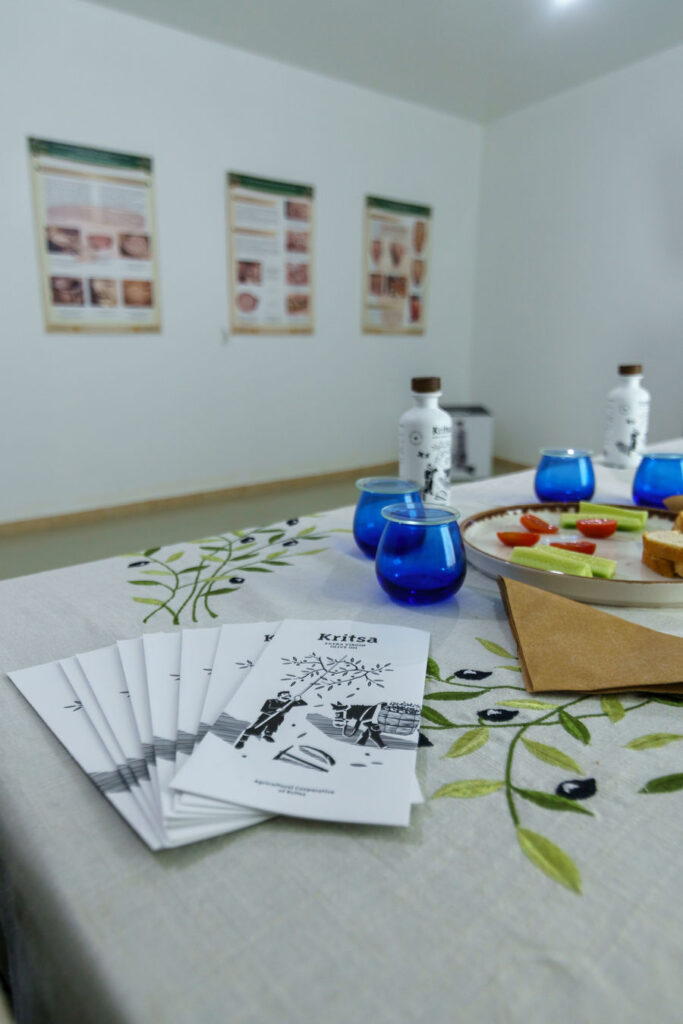
Discover the interesting world of extra virgin Cretan olive oil. Feel at home as we guide you through the secrets of olive oil tasting and the health benefits of our extra-virgin olive oil. In private group sessions, you will explore and learn to recognise the intensities, aromas, flavours, and different types of Cretan olive oil.
From 69 € / per person
Food Tours
Renting a car gives you the freedom to visit producers, taste local products, and experience the region’s culinary scene at your own pace, while also letting you explore archaeological sites, visit charming villages, venture into the high mountains, and enjoy stunning beaches.
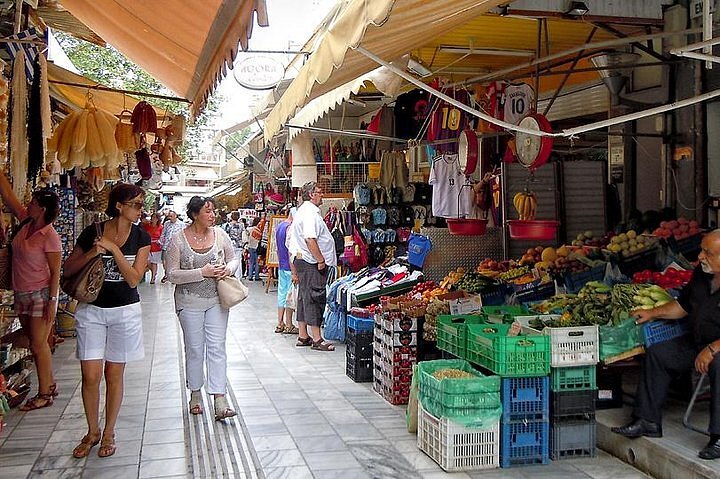
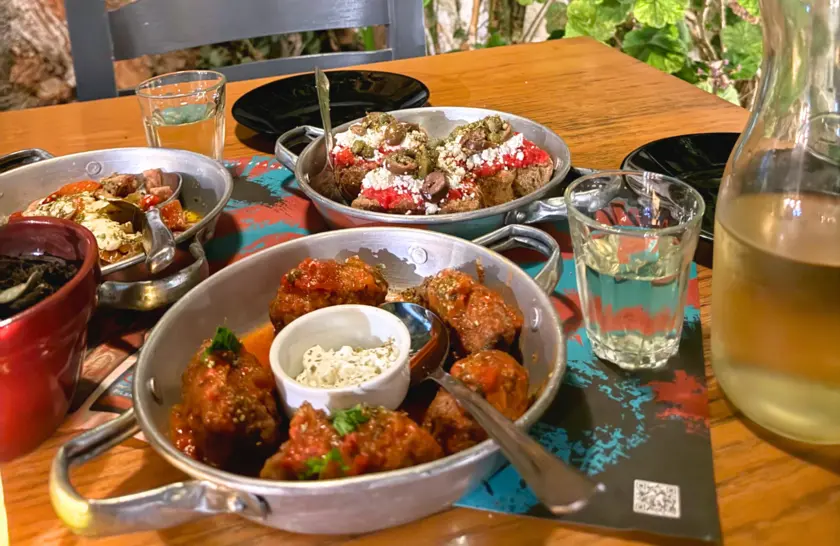
Indulge in a feast of Cretan meze, tantalising tapas bursting with the Island’s flavours. Whether you choose to continue your exploration or return to our starting point, our guides are on hand to offer insider tips and recommendations for making the most of your time on the Island, a fantastic way to indulge in the gastronomy of the region while soaking in its rich history, natural beauty, and cultural heritage.
From: 17 € / per person
To see proposals from other regions, press here to visit the Gastronomic Traveller blog section