Rivers, Tradition, Flavours of Thessaly and Authentic Greek Cuisine
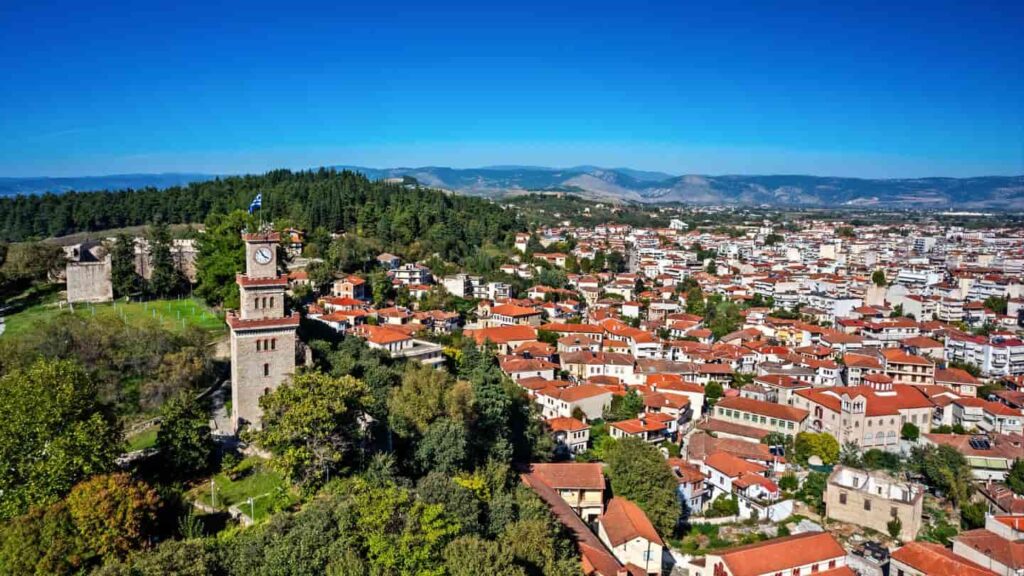
Trikala is one of the most charming and progressive cities in Thessaly, built along the banks of the Lithaios River and surrounded by fertile plains, mountains, and traditional villages. Combining ancient history with a modern lifestyle, Trikala offers visitors an authentic gastronomic experience shaped by local ingredients, seasonal cooking, and strong cultural traditions.
Known for its high quality of life and innovative spirit, Trikala is also deeply rooted in agricultural and culinary heritage. The region’s cuisine reflects Thessaly’s rich production of grains, meats, dairy, vegetables, and herbs, offering simple yet flavourful dishes that highlight purity and tradition.
On Trikala Gastronomy Tours, visitors explore riverside tavernas, traditional markets, local producers, and nearby mountain villages where recipes have been preserved for generations. Every dish tells the story of the land, water, and people who shape this vibrant region.
A Glimpse into the History of Trikala
From Mythological Trikke to Byzantium
The city’s history dates back to the 3rd millennium BC. According to mythology, ancient Trikke was named after the nymph Trikke, daughter of the river god Peneus. The city is celebrated as the birthplace of Asclepius, the god of medicine, and as the site of the ancient world’s oldest healing temple, the Asklepieion. Homer notes that Trikke even contributed 30 ships to the Trojan War, led by Asclepius’ physician-sons.
The Byzantine era
During the Byzantine era, the city was renamed Trikala. Its strategic position made it a frequent target for raids, prompting Emperor Justinian to fortify the ancient acropolis hill with the iconic Byzantine Castle.
Ottoman Prosperity and Liberation
In the late 14th century, Trikala fell to the Ottomans and became the capital of the Sanjak of Trikala, governing all of Thessaly. It flourished as a multicultural trading hub where Greeks, Ottomans, and Jews coexisted, while also becoming a prominent centre for education and spiritual life.
The turning point came on August 23, 1881, when Trikala was officially liberated and integrated into the Greek State. In the early 20th century, the city spearheaded the agrarian movement as local tenant farmers rose against landowners, culminating in the 1910 revolt that forced vital land reforms.
Resistance and Cultural Legacy
During World War II, the surrounding Pindus mountains turned Trikala into a fierce stronghold for the National Resistance. In the post-war era, the city cemented its place in modern Greek culture as the birthplace of legendary folk musicians like Vassilis Tsitsanis and Apostolos Kaldaras.
Today, Trikala honours its rich heritage while leading the country into the digital age as Greece’s first certified “smart city,” where history meets the future.
What Makes Trikala a Unique Culinary Destination
The Flavours of Thessalian Land
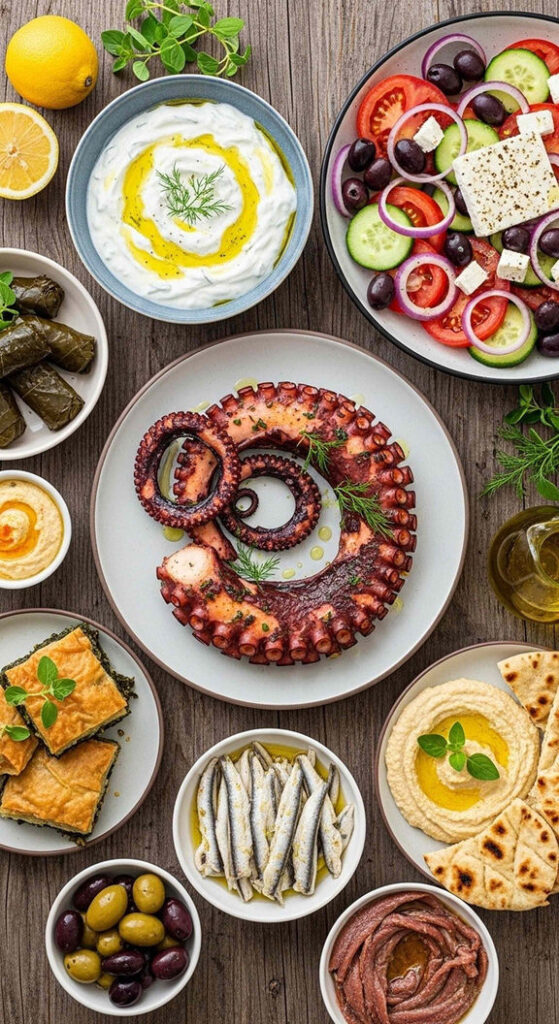
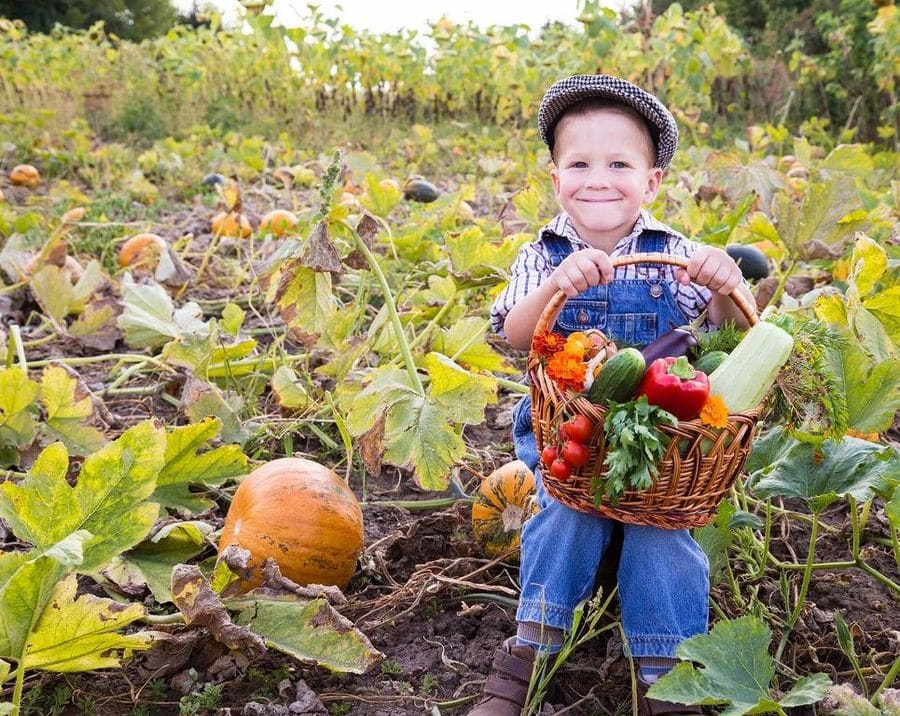
Trikala’s gastronomy is based on fresh, local ingredients sourced from the fertile Thessalian plain. Wheat, vegetables, legumes, dairy products, and meats form the foundation of its traditional cuisine.
River & Mountain Influence
The presence of the Lithaios River and nearby Pindus mountains creates a diverse culinary landscape, combining freshwater fish, wild greens, herbs, and hearty mountain dishes.
Simple, Authentic Cooking
Local cuisine is defined by simplicity and seasonality, with recipes passed down through generations and prepared using traditional methods.
Local Highlights & Gastronomic Treasures
Traditional Meat & Slow-Cooked Dishes
Roasted lamb, goat, and pork dishes, as well as oven-baked casseroles, reflect the region’s strong pastoral traditions and rich agricultural base.
Dairy & Cheese Production
Thessaly is famous for high-quality dairy products, including feta, kasseri, graviera, and fresh yoghurts made from sheep’s and goat’s milk.
River-Side Specialties
Freshwater fish and river-inspired recipes highlight Trikala’s unique relationship with the Lithaios River and surrounding waterways.
Herbs, Greens & Local Produce
Wild greens, mountain herbs, seasonal vegetables, and legumes play an essential role in everyday cooking and traditional diets.
Sweets & Local Pastries
Traditional desserts include syrup-based sweets, spoon sweets, and walnut or almond pastries that reflect the region’s culinary heritage.
Mushroom Festival & Forest Traditions
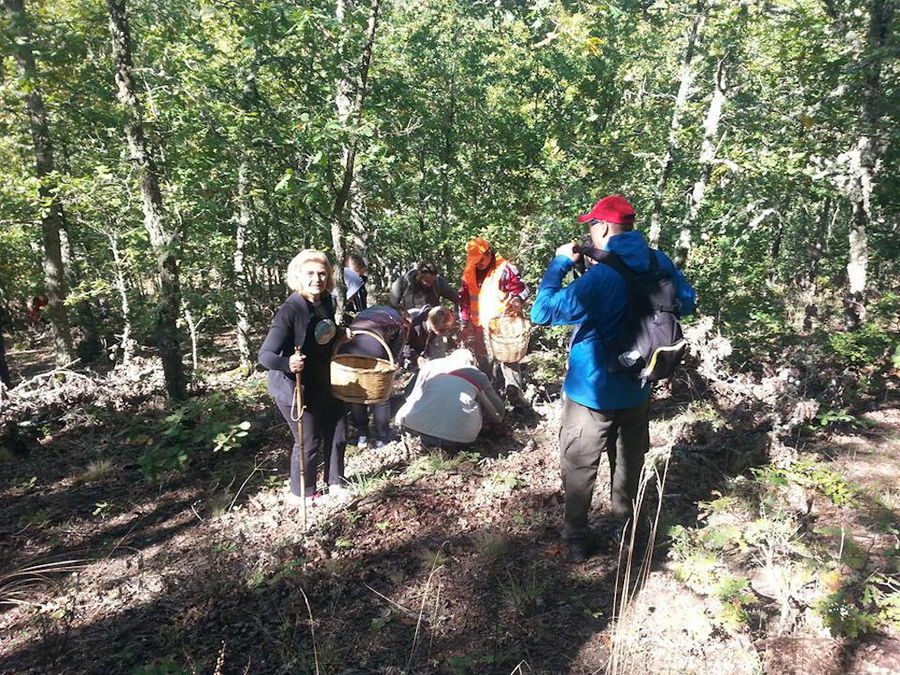
One of the most beloved gastronomic events near Trikala is the famous Mushroom Festival, where visitors can enjoy mushroom-based recipes, traditional pies, soups, grilled specialities, and local products prepared by chefs and local associations. Music, dancing, cultural events, and outdoor activities accompany the celebrations, creating a lively atmosphere that highlights the strong connection between local gastronomy, nature, and mountain traditions, promoting sustainable tourism, local products, and the rich biodiversity of the Pindus mountains.
A Destination Beyond the Plate
Beyond gastronomy, Trikala offers a rich blend of culture, nature, and modern life. The city is known for its riverside promenade, historic bridges, and lively old town, where tradition and innovation coexist harmoniously.
Nearby attractions include Meteora, one of Greece’s most iconic UNESCO World Heritage sites, featuring dramatic rock formations and historic monasteries. The surrounding villages of Thessaly offer hiking routes, traditional festivals, and authentic rural experiences.
Trikala is also recognised for its cultural events, Christmas festivities, and vibrant public spaces, making it a year-round destination that appeals to locals and visitors alike.
Explore Our Trikala Gastronomy Tours
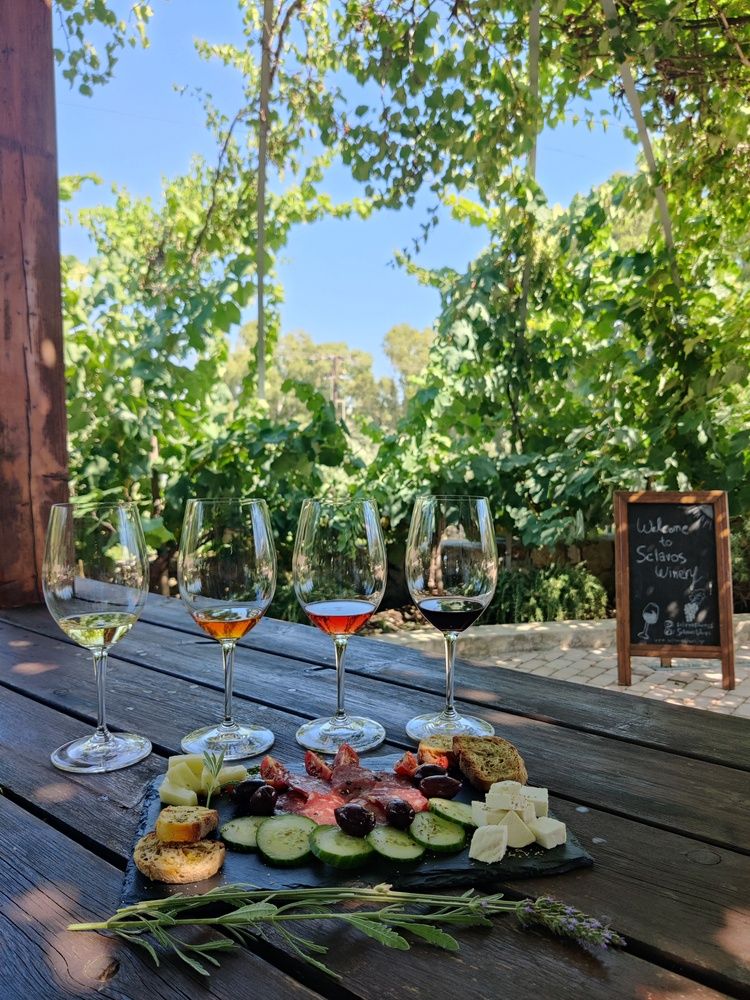
Our Gastronomy Tours in Trikala invite visitors to experience the authentic flavours of Thessaly. Taste local cheeses, meats, river fish, and traditional dishes while exploring markets, tavernas, and nearby mountain villages.
Meet local producers, discover seasonal ingredients, and enjoy the warm hospitality of one of Greece’s most dynamic and culturally rich regions.
With its fertile land, riverside charm, culinary traditions, and cultural depth, Trikala offers an unforgettable gastronomic journey into the heart of Thessaly.