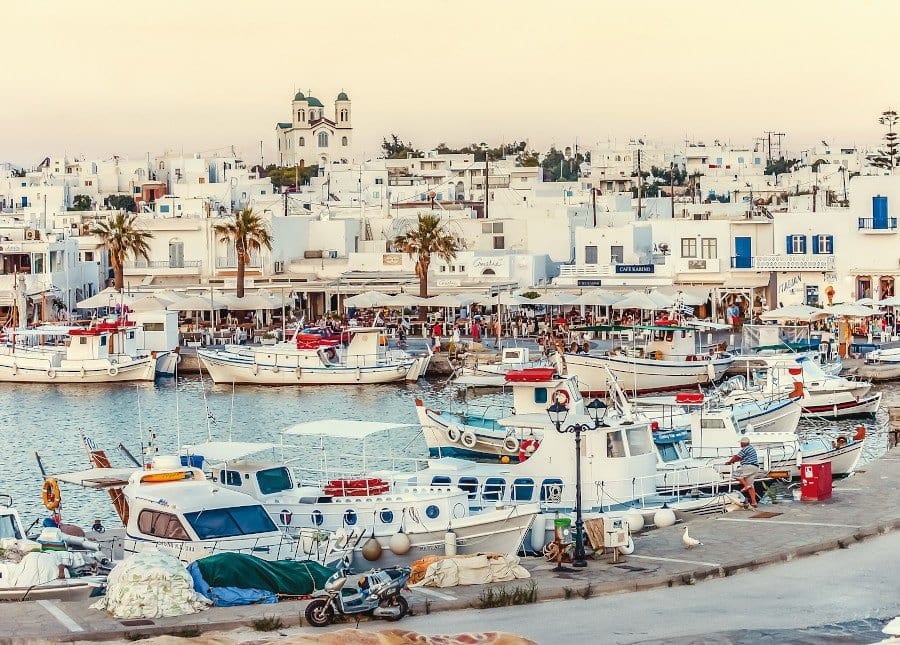
Authentic Food Tours, Local Producers and Cycladic Gastronomy
It is the fourth-largest island of the Cyclades, blending historical richness, authentic island life and an evolving culinary identity shaped by tradition and local production. Known for its archaeological heritage, well-preserved villages and crystalline beaches, the island also stands out as an exceptional destination for experiential travel. Through food tours, winery visits and encounters with local producers, visitors discover a living culture deeply connected to land and sea.
Far beyond its postcard beauty, Paros offers a genuine taste of Cycladic life — one defined by agriculture, fishing traditions and recipes passed down through generations.
Discovering Paros Through Food Tours and Local Experiences
Food tours reveal the island’s authentic rhythm. Rather than focusing only on restaurants, these experiences introduce travellers to farmers, cheesemakers, fishermen and winemakers who shape the island’s gastronomy.
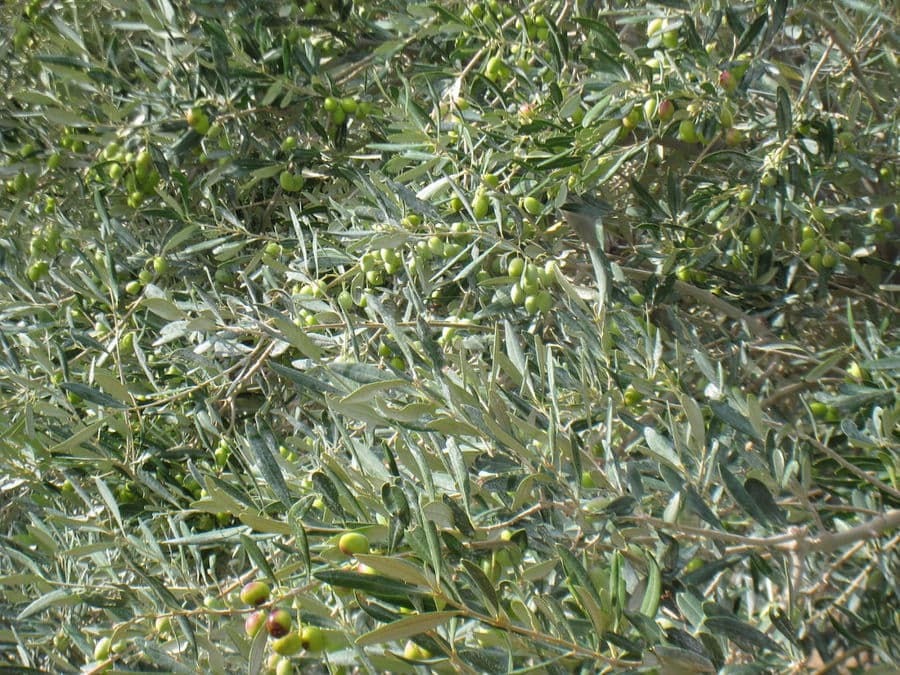
Visitors may explore traditional markets in Parikia, walk through vineyards and olive groves, or join cooking experiences in village homes where seasonal ingredients dictate the menu. Local activities often include cheese tastings, visits to family-run wineries and demonstrations of handmade pasta preparation.
These immersive experiences highlight Paros as a destination where gastronomy is not simply consumed but understood — connecting visitors directly with the people behind each product.
Local Products: The Foundation of Parian Cuisine
Paros’ fertile land and maritime character create a culinary identity centred on simplicity and quality. Cheese, wine and fresh seafood form the backbone of local production.
The island’s Cheese Cooperative plays a vital role in preserving traditional dairy practices, absorbing most of the local milk production to create celebrated cheeses such as graviera, kefalisio, ladotiri, krasotiro, mizithra and xinomizithra. Each cheese reflects centuries-old techniques adapted to the Cycladic climate.
Fishing remains equally important. Boats supplying both the island and Athens arrive daily at Parikia, Naoussa, Ambela, Piso Livadi and Alyki, ensuring restaurants and tavernas serve exceptionally fresh fish and seafood. Seasonal catches influence menus, reinforcing the island’s farm-and-sea philosophy.
Local producers increasingly welcome visitors, allowing travellers to witness cheese maturation, fishing traditions and small-scale agricultural practices firsthand — experiences that enrich modern food tours.
Paros Wines: Tradition and Innovation in the Cyclades
Wine production has long been central to Paros’ identity. The island’s vineyards thrive in the dry Cycladic climate, shaped by sea winds and mineral-rich soils.
The dominant grape varieties are the white Monemvasia and the red Mandilaria, which together produce PDO Paros wines. Uniquely, Paros is the only place where white and red grape varieties are fermented together before vinification, creating complex, balanced wines that reflect local tradition.
In recent years, sweet wines made from the Malvasia variety have also gained recognition under the island’s designation of origin, reviving historical winemaking practices once prominent in the Aegean.
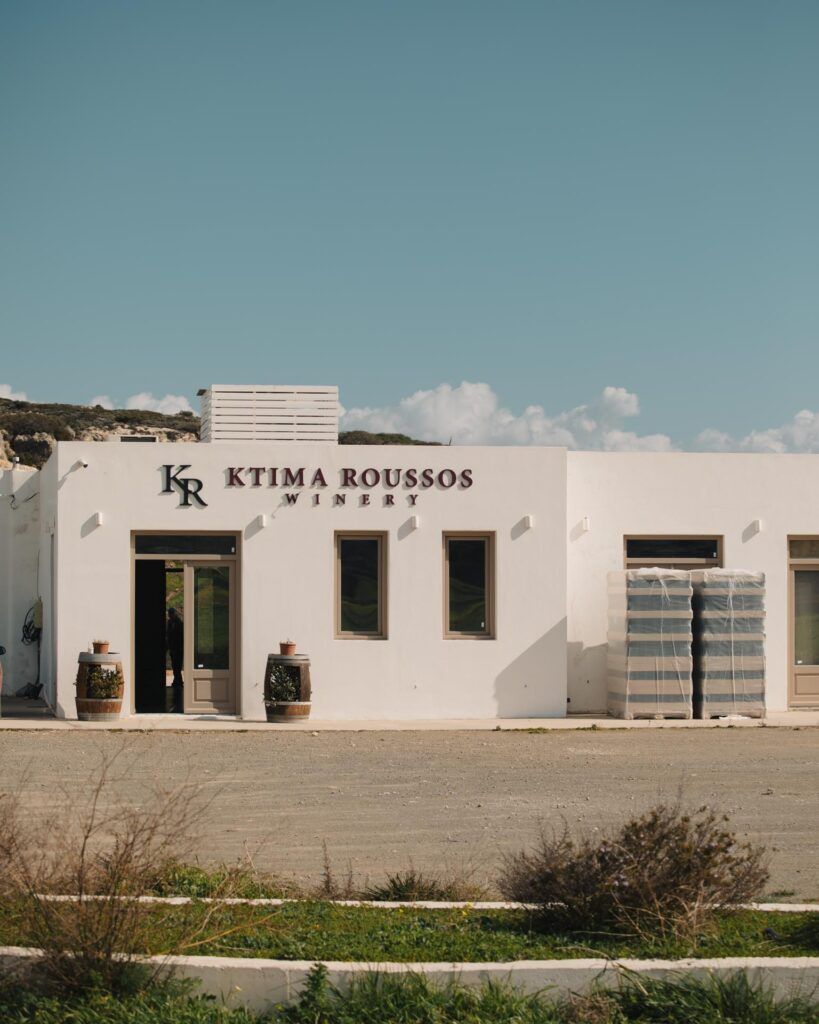
Winery visits are among the highlights of Paros food tours, offering tastings paired with local cheeses and stories of a viticultural heritage dating back centuries.
Gastronomy Rooted in Tradition
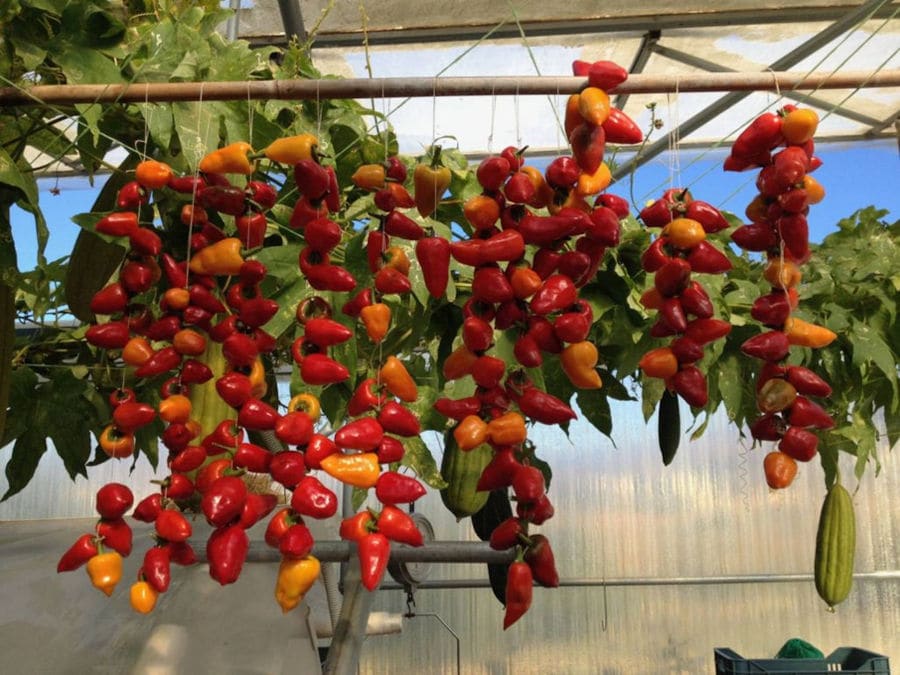
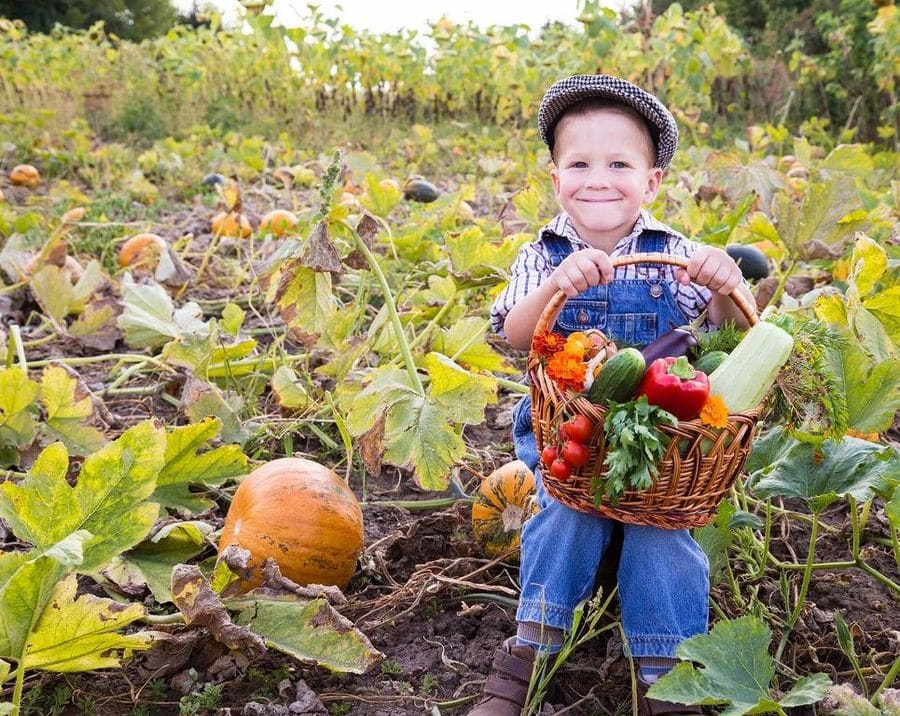
Parian cuisine celebrates seasonal vegetables, legumes and aromatic herbs, reflecting the island’s agricultural past.
Among traditional vegetable dishes are ladera, such as artichokes with broad beans or rice with sweet zucchini, as well as ambelofassoula string beans served with skordalia. Legumes remain essential, appearing in comforting recipes like revithada (slow-cooked chickpeas) and black-eyed beans with chard.
Creative vegetarian dishes are equally beloved. Pseftokeftedes — “pseudo-meatballs” made from vegetables or legumes — showcase resourcefulness born from island life. Homemade pies filled with wild greens, known locally as kolopia or chortofouskotes, highlight the importance of seasonal foraging.
Seafood recipes range from cod with spinach to cuttlefish cooked with fennel, while handmade pasta accompanies both fish and meat dishes.
Meat Traditions and Festive Recipes
Although vegetables dominate everyday cooking, meat dishes play an important role in celebrations and local identity.
The festive patudo, Paros’ Easter lamb dish, represents one of the island’s most iconic recipes. Other traditional specialities include pigeon dishes known as pitsounia, hare stifado slow-cooked with onions and tomato, and snails prepared either boubouristi or stewed.
These recipes reflect rural traditions in which cooking was closely tied to seasonal celebrations and communal gatherings — experiences that visitors can increasingly encounter through culinary workshops and village festivals.
Experiential Travel in Paros
Today, Paros is emerging as a leading destination for experiential travel in the Cyclades. Travellers seek authenticity: vineyard walks at sunset, cooking classes using family recipes, fishing excursions and tastings guided by passionate producers.
Food tours unite these elements, transforming gastronomy into a cultural journey. Through flavours, visitors understand migration stories, agricultural resilience and the enduring connection between Parian communities and their environment.
In Paros, every meal tells a story — of wind-shaped vineyards, fishermen returning at dawn, and artisans preserving traditions while embracing modern creativity.