Mykonos island
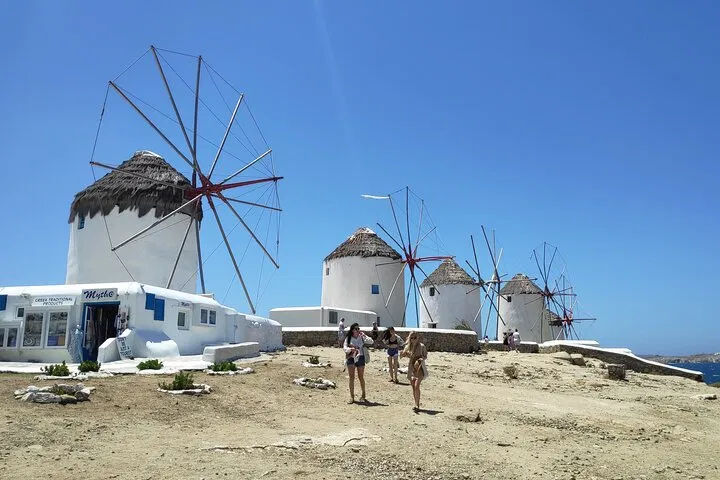
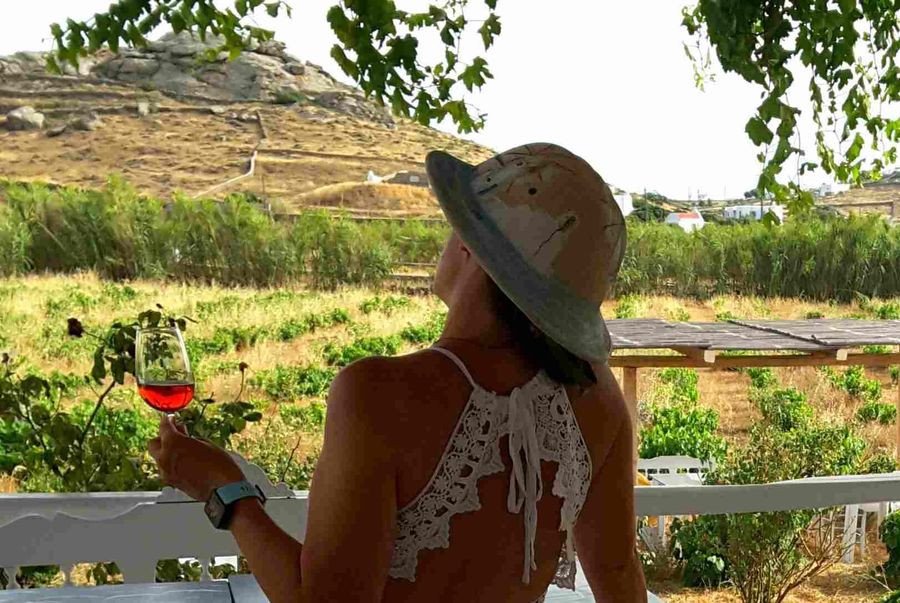
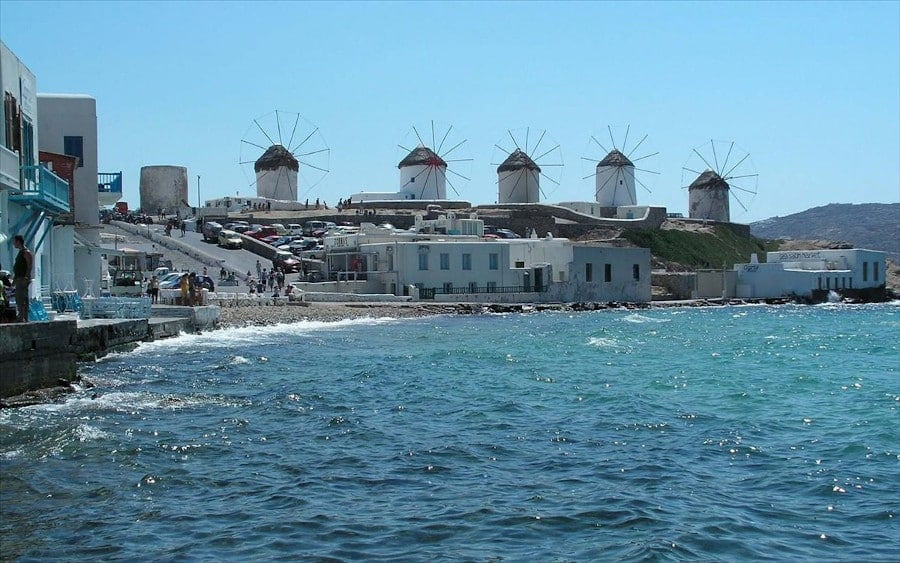
A rather barren and dry small island, burnt by the sun, but so richly endowed with golden beaches, magical nights, crystal clear waters, smart and pleasant people, a culture of centuries where the god Dionysus had been worshipped since ancient times.
The dominant white colour of old and new buildings, the rough stone and the surrounding low mountains, the touch of the wind, the fragrances, and the conversations are all characteristics that will indelibly remain in your memory.
Gastronomy
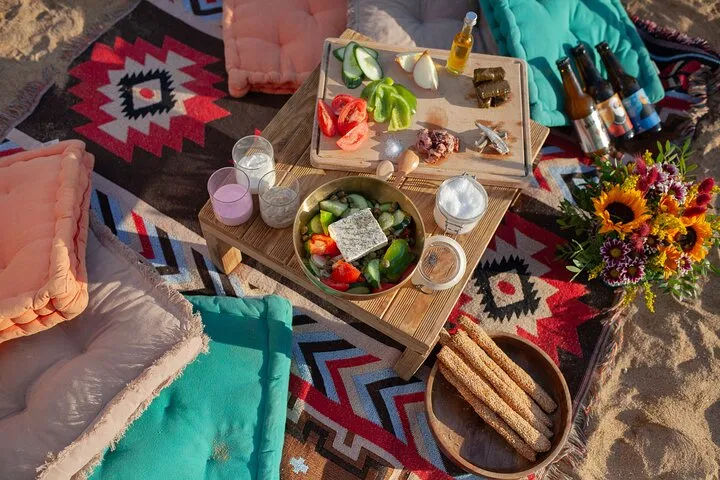
The most famous local products are the cold cuts and the cheeses:
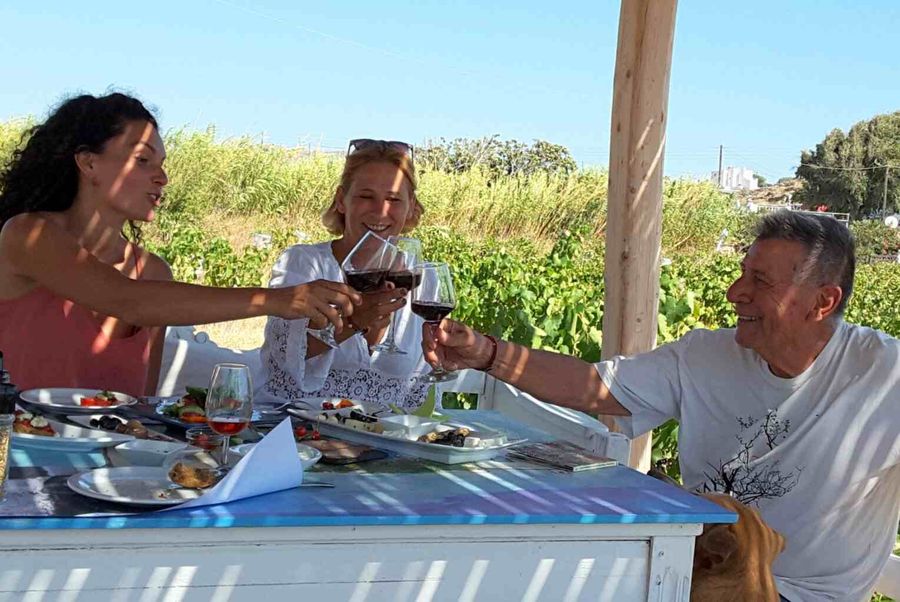
Sausages made with traditional pork are a cultural and gastronomic characteristic of Mykonos, with an important place in its history. In many farmhouses, gastronomy remains an annual family celebration. The goal may no longer be to provide meat as an accompaniment to wild herbs (horta) and vegetables in the year’s cooking creations, but it always serves as an event of collective memory that concerns flavours and an occasion for reunion and feasting.
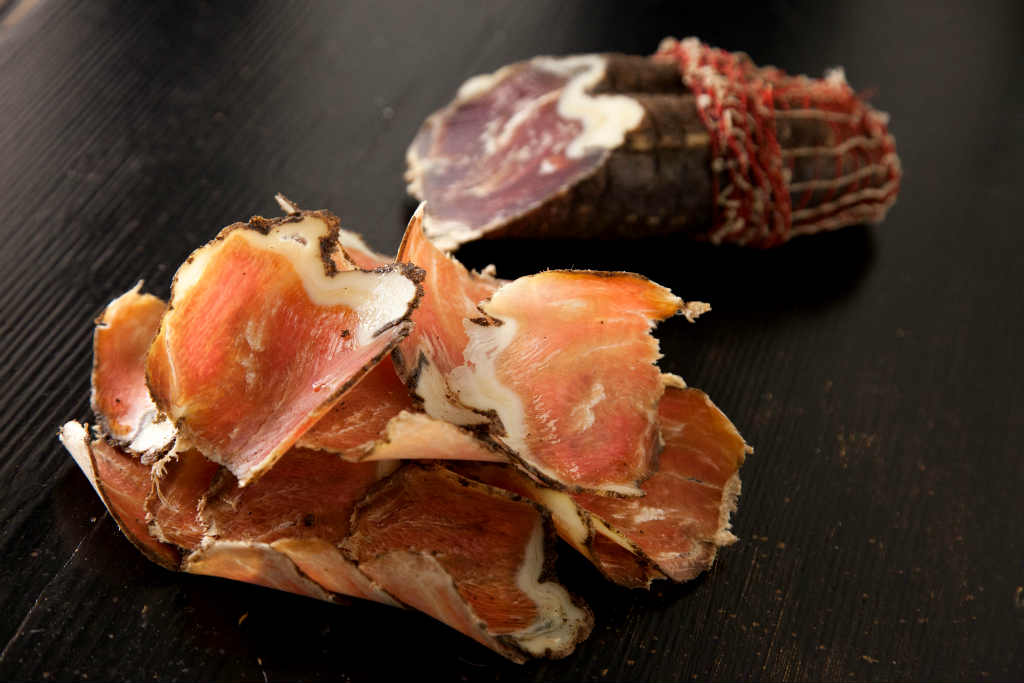
Louza, made from local pork, is the top Mykonian product and comes in many variations. It is made with pieces of the best fillet, steeped in brine for a day, then flavoured with cloves, oregano, and salt, and left in the sun to dry and mature. When made from brisket, it is called bubulo or small louza. The best way to eat louza is in very thin slices.
Sausages, one of the best Mykonian dishes, are made with fat-free pork and are flavoured with peppers and oregano.
As for the cheese products, there are many things you should try:
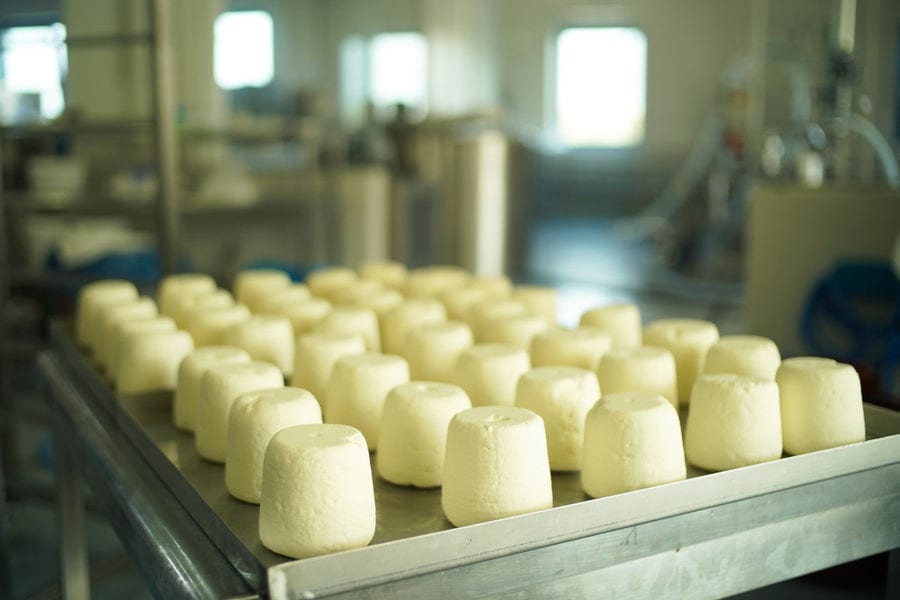
Kopanisti, the most famous cheese on the island, is made with goat’s and sheep’s milk that coagulates with natural curd and is left to mature for several months, with another cheese added during fermentation. Its texture is grainy, and its taste is special, piquant and spicy.
Tirovolia is a soft, white cheese that stars in most Mykonian pita, such as melopita (honey pie) and kremmidopita (onion pie). It is a fresh cheese made in the early stages of kopanisti processing, but it is not spicy.
Galachtia, a smooth blend of cheese and water that resembles airan (a drink made of yoghurt, water and salt), is consumed at breakfast.
Xinotiri, which is the classic xinomizithra of Mykonos. It has stayed longer in the sun, so it is relatively harder. It has a lovely aroma and is a superb accompaniment to pasta and red sauces.
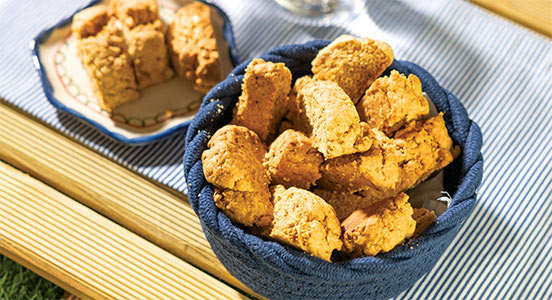
Another excellent “ambassador” of the authentic Mykonian taste is the paximadi, the dipirites, as they are known, which accompanied Greek and foreign sailors for many years and have stood the test of time without losing their taste.
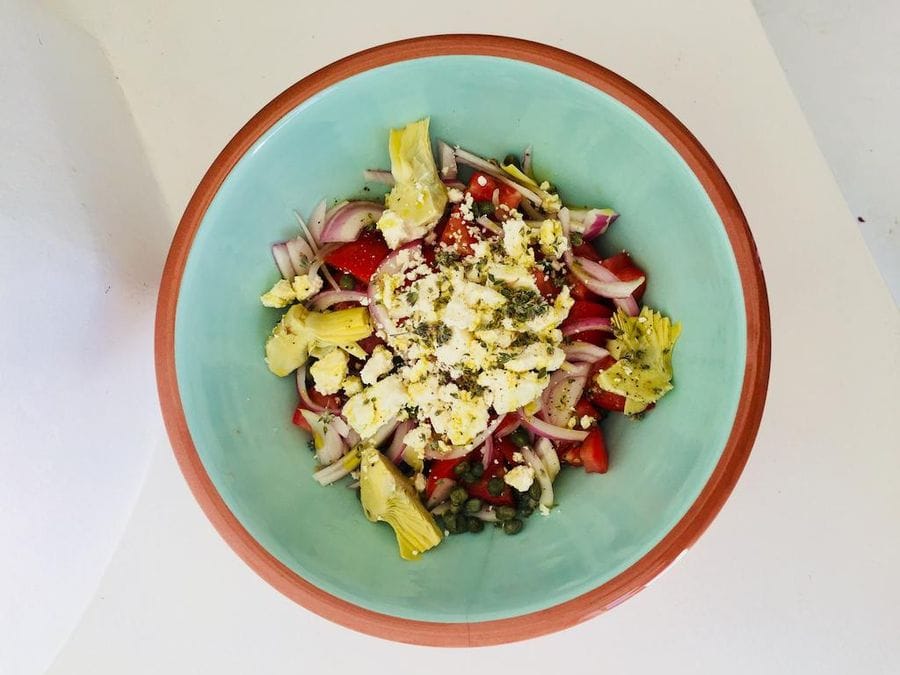
If the double-baked dipirites bread is combined with kopanisti, the famous Mykonian meze mostra is made. Something akin to the Cretan dakos, mostra is made with paximadi, nutty and moistened with just the right amount of water, squashed tomato, and kopanisti, while for the garnish, a little olive oil, oregano, and capers are enough!
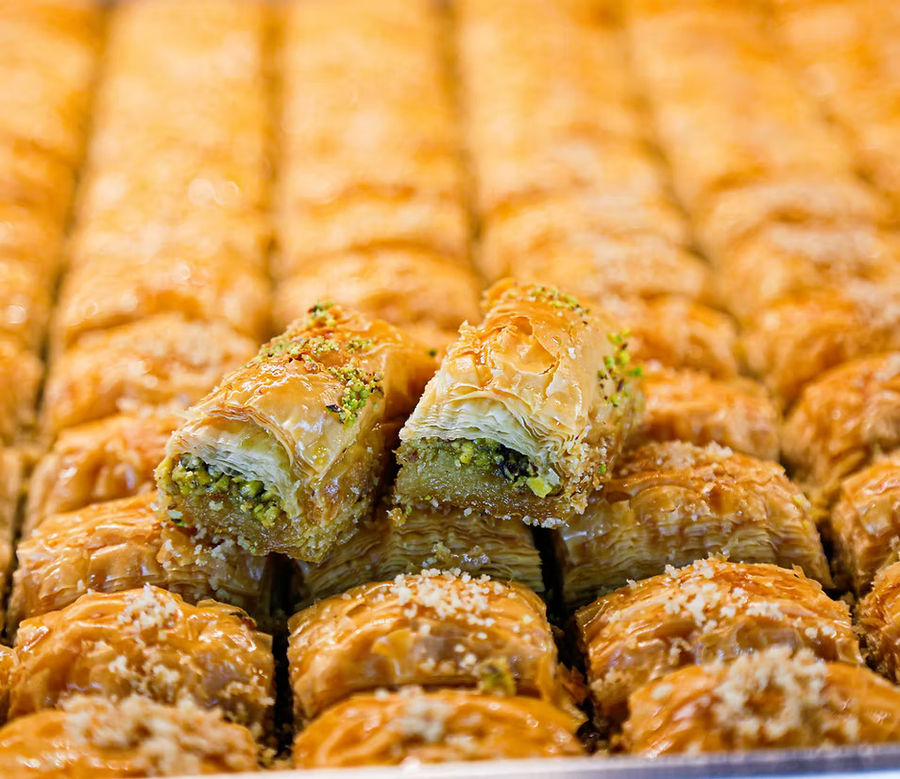
In the local ovens, in addition to dipirites, you will also find protofourni, a bread that looks like the well-known lagana, the kouvaroti, a heavy sourdough bread made with various flours, with barley the most prominent, the mostrakia, paximadi for the salad we mentioned above, and various kouloures with raisins, tahini, the amygdalota, the kalathakia and the tartlets stuffed with almond, a traditional Mykonian treat, and the kourabie with their strong bitter almond aroma.
In the dishes of the people of Mykonos, you will also find everything from game to seafood, such as patelides and houhoulianos, sea snails, but also all kinds of wild horta. Mykonians also enjoy various types of mushrooms, such as amanites, volites, moschamanites and lordomanites in the pan. Other typical dishes are lamb with provasia (soft horta that grows near the sea), aphorichia (lard with koukia, broad beans), karavoli and chouchoulii (a type of snail) with onions or pilaf, fennel meatballs, and others.
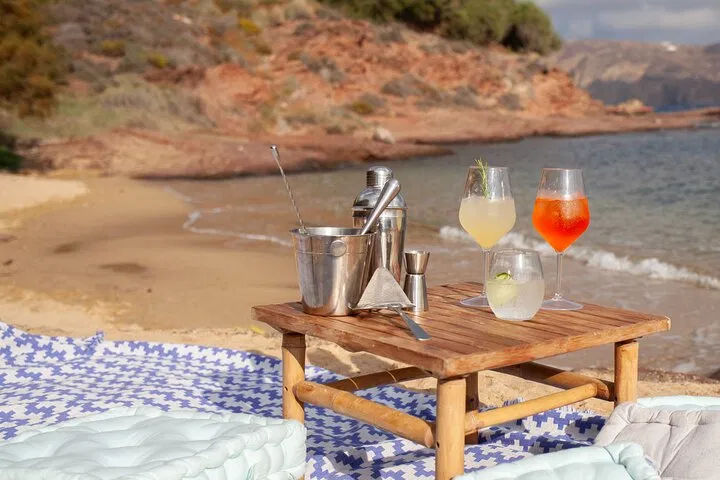
Do not forget to drink local infusions such as pennyroyal, mint, and sage (during a break from shots, cocktails, and other drinks!).