An Island Where Nature and Tradition Meet
Lesbos, the eighth-largest island in the Mediterranean Sea, lies in the northeastern Aegean just off the coast of Asia Minor. Known for its rich landscapes and deep-rooted traditions, the island offers far more than scenic beauty. Here, travel becomes an immersive experience shaped by local culture, community life, and gastronomy connected to the land and sea.
The island’s natural diversity is remarkable. Pine forests stretch across rolling hills, olive groves dominate the countryside, and wetlands attract a wide variety of bird species, making Lesbos an important destination for nature lovers and birdwatchers. One of its most extraordinary landmarks is the world-famous Petrified Forest, formed by volcanic eruptions around 20 million years ago. Walking among fossilised tree trunks provides visitors with a rare connection to the island’s geological past and highlights the powerful forces that shaped its landscape.
Mytilene: A Living Historical Capital
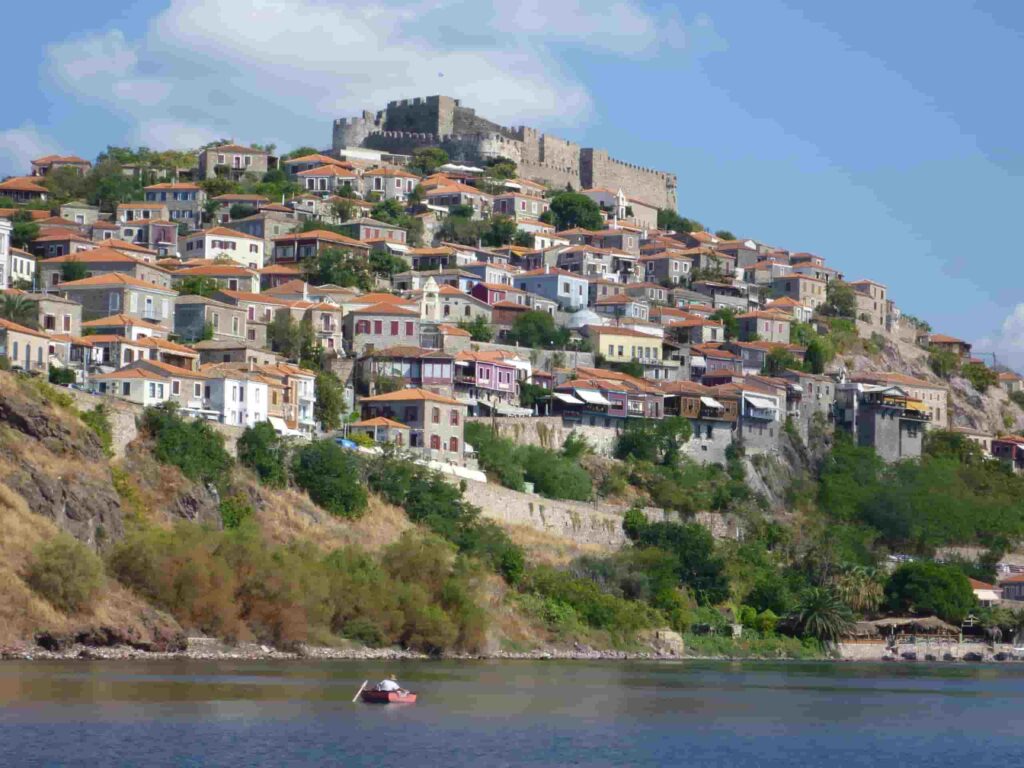
Mytilene, the island’s capital, blends history with everyday island life. Overlooking the city stands the imposing Mytilene Castle, one of the largest fortifications in the Mediterranean. Built during the Byzantine era on the site of an ancient acropolis, the fortress reflects centuries of strategic importance and cultural exchange.
The Archaeological Museum of Mytilene further reveals the island’s long history through impressive collections spanning antiquity to later periods. Exploring the town’s streets, visitors encounter neoclassical buildings, lively markets, and waterfront cafés where local life unfolds at a relaxed Aegean pace.
Yet Mytilene is not only about monuments; it is also the gateway to experiential travel across the island, encouraging visitors to explore villages, meet producers, and discover authentic traditions.
Meeting Local Producers and Discovering Living Traditions
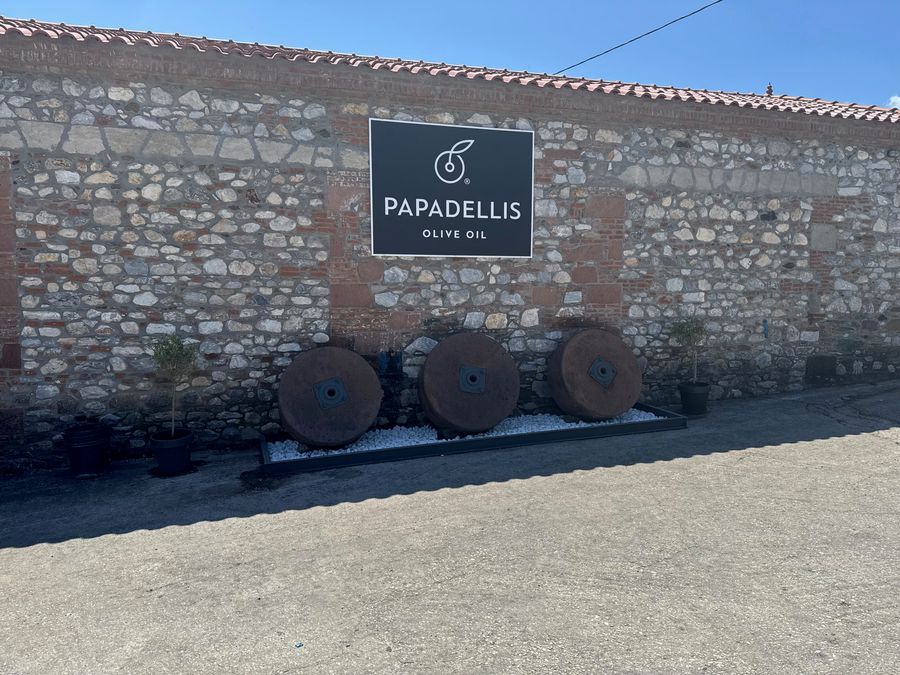
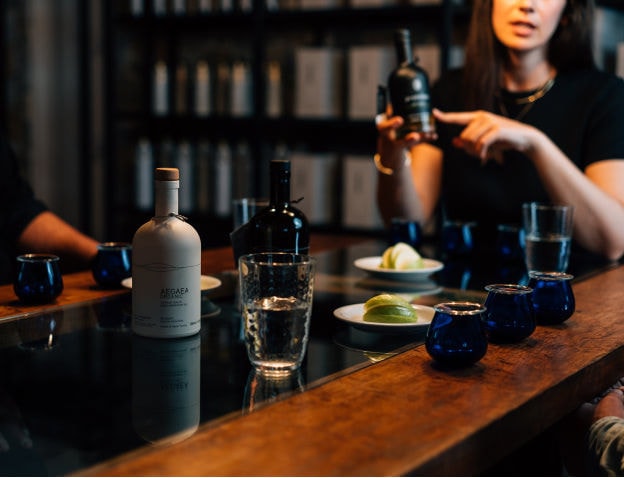
Experiential travel often begins in its olive groves. Olive cultivation has shaped the island for centuries, and visiting family-run olive oil mills offers insight into traditional harvesting and pressing techniques passed down through generations. Tastings reveal the complexity and quality of locally produced olive oil, a cornerstone of Lesvian cuisine.
Equally important are the island’s small dairies, where visitors can learn about Protected Designation of Origin cheeses such as ladotiri Mytilinis, Mytilene feta, and Eressos kaseri. Producers often welcome guests into their workshops, explaining ageing methods and offering tastings that connect flavour with place.
Across the island, women’s cooperatives preserve culinary heritage through handmade products. Travellers can participate in workshops preparing spoon sweets, marmalades, herbal liqueurs, and traditional pastries made from locally grown fruits, nuts, and aromatic herbs. These encounters provide meaningful cultural exchanges while supporting local communities.
From Sea to Table: The Local Gastronomy
Local cuisine reflects its geography — fertile land combined with abundant seas. The Gulf of Kalloni is famous for its sardines and anchovies, caught using traditional methods that continue to sustain local fishing communities. Visiting fishing villages or small processing workshops allows travellers to experience the journey from sea to table firsthand.
Traditional dishes highlight seasonal ingredients and regional techniques. Among the specialities visitors should try are souyiana (onions stuffed with meat and rice), lamb cooked with liver, raisins, and pine nuts, and chachles — boat-shaped trahana served with olive oil, tomato, and feta. Giouzlemedes, savoury or sweet cheese pies, and sfougato showcase the island’s creativity with simple ingredients.
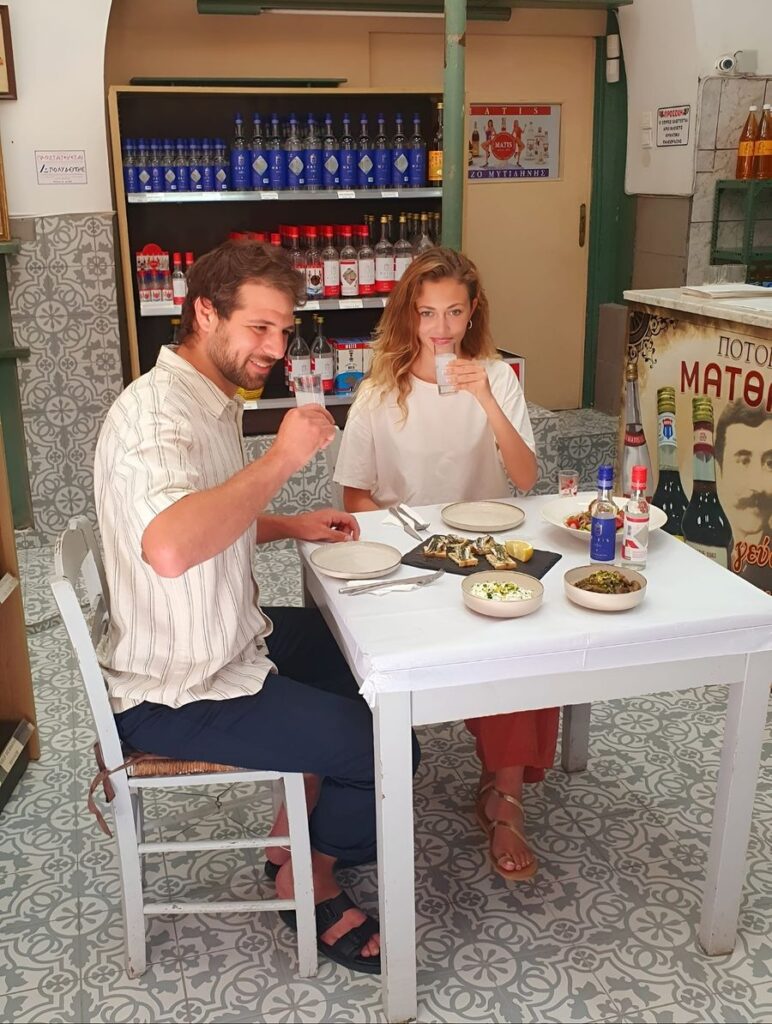
Seafood dishes are equally distinctive, including roasted sardines with pickles and capers, octopus-stuffed vegetables, and lahanodolmades filled with cod, carrot, and celery. Meals are typically shared slowly, accompanied by local wine or ouzo, reflecting the island’s strong culture of hospitality.
Sweet Traditions and Artisan Flavours
Dessert-making remains an essential part of the local cultural identity. Village bakeries and cooperatives produce a wide variety of traditional sweets, many of which are based on almonds, honey, and aromatic syrups. Visitors can taste baklava scented with anthonero, gemata (a local version of amygdalota), syrupy plantzeta made with delicate filo pastry, and seasonal kolokythopita.
These sweets are often handmade in small family workshops, where travellers can observe preparation techniques and learn how recipes have been preserved for generations. Such experiences transform gastronomy into storytelling, connecting visitors with local memory and craftsmanship.
Ouzo, Wine and Authentic Island Experiences
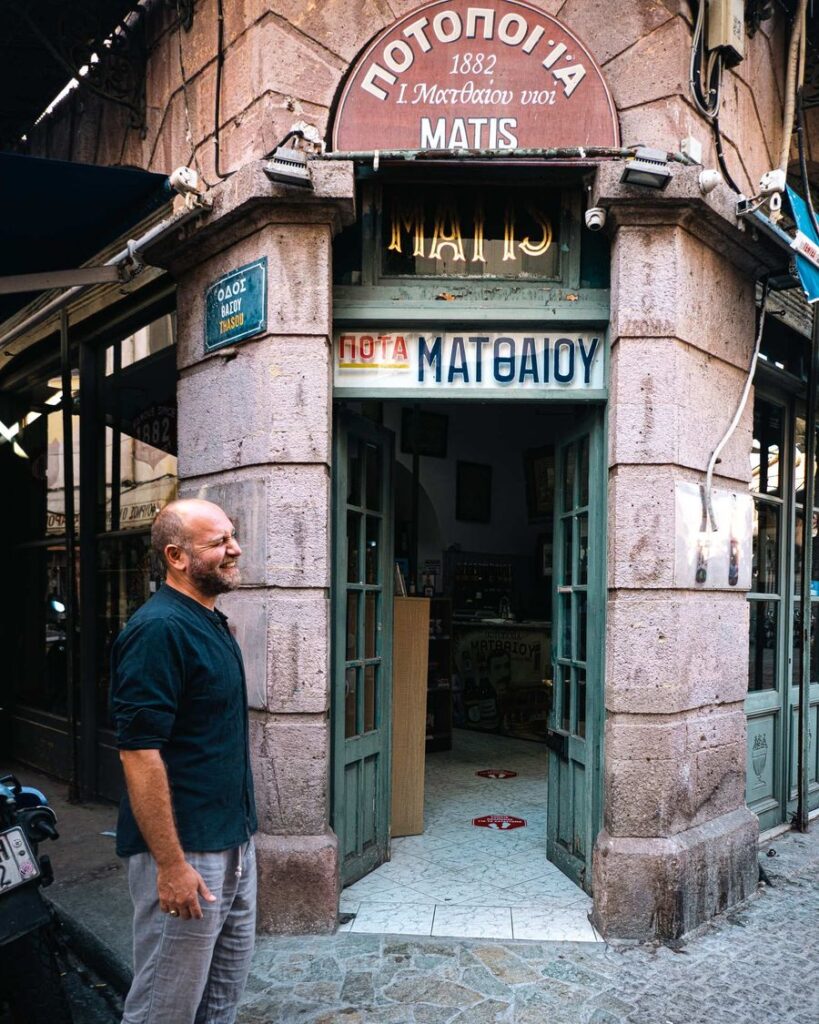
The Island is internationally renowned as the homeland of ouzo. Visiting traditional distilleries offers insight into the distillation process and the careful blending of anise with local botanicals. Tastings introduce travellers to different aromatic profiles while revealing the cultural importance of ouzo in social life.
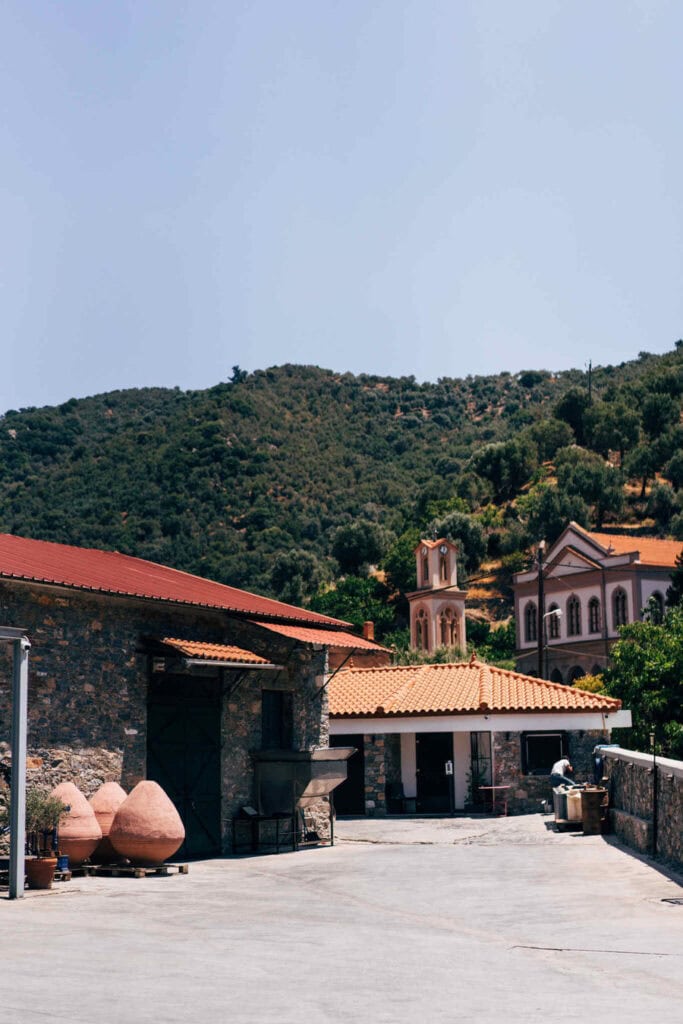
Wine production is also gaining renewed attention, with local grape varieties cultivated in volcanic soils producing distinctive wines that express the island’s terroir. Winery visits often include vineyard walks and food pairings, enriching the overall experiential journey.
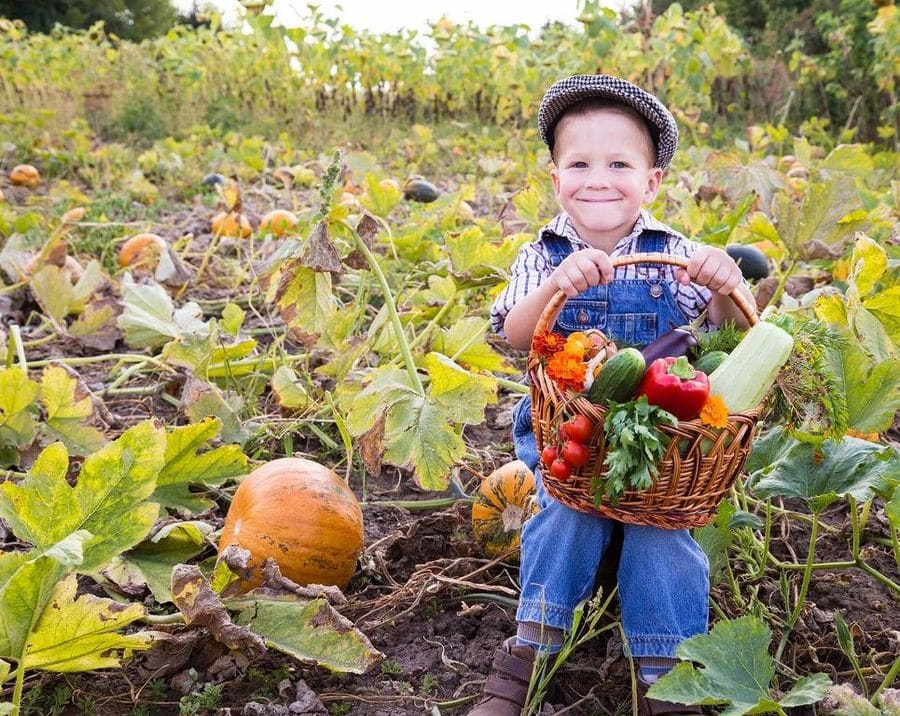
Throughout the year, festivals and village celebrations invite visitors to participate in local customs — from harvest events to music gatherings and food festivals. These occasions offer authentic opportunities to engage with residents and experience Lesbos beyond conventional sightseeing.
A Destination to Experience Slowly
The Island rewards travellers who seek authenticity and meaningful connection. Beyond its landscapes and monuments, the island invites visitors to engage with people, traditions, and flavours that define everyday life in the Aegean.
Through visits to producers, participation in local activities, and exploration of its rich gastronomy, Lesbos becomes more than a destination — it becomes an experience rooted in culture, community, and the timeless rhythm of island living.