A Microcosm of Nature, History, and Discovery
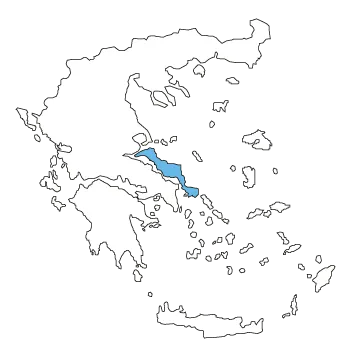
Euboea, the second-largest island in Greece, is often overshadowed by its more famous counterparts, yet it promises a wealth of experiences that are both rich and diverse. Visitors are drawn to its unique blend of scenic beauty and cultural heritage, making it a perfect destination for those who seek both relaxation and adventure. With lush landscapes, charming villages, and a plethora of historical sites, Euboea is a treasure trove waiting to be explored.
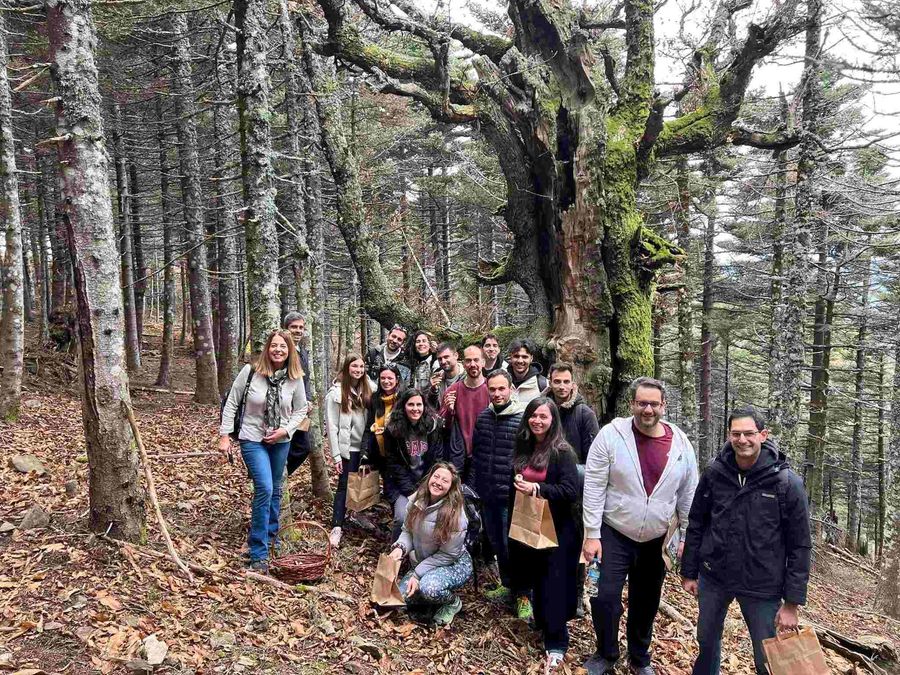
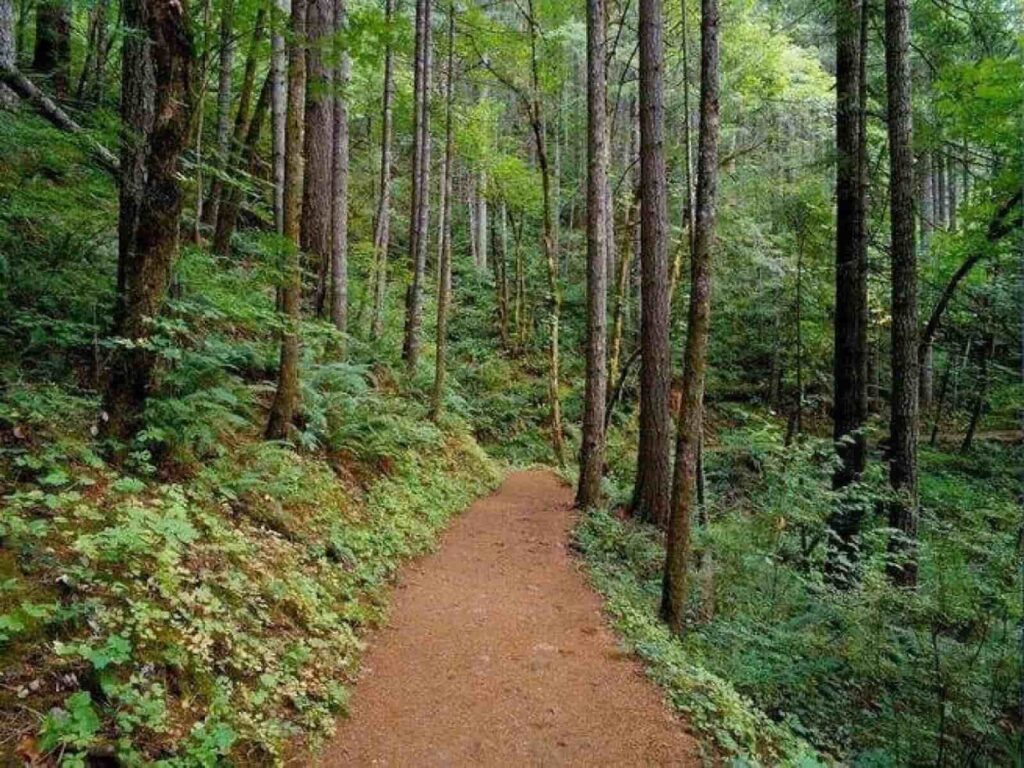
The island’s varied geography not only provides stunning visuals but also creates a microclimate that supports diverse flora and fauna. This unique ecological diversity is ideal for hiking, bird watching, and exploring nature trails. For example, nature enthusiasts can trek through the rich forests of Mount Dirfi, where the air is filled with the scent of pine and wildflowers.
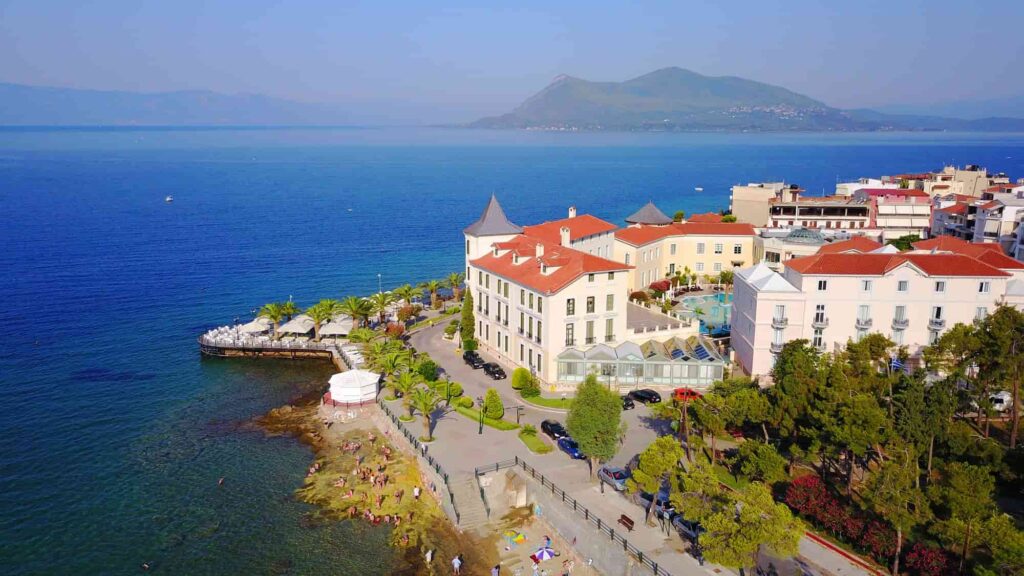
In addition to the Edipsos Thermal Springs, which attract wellness seekers from around the globe, the island is dotted with quaint tavernas that serve authentic Greek cuisine. Each meal is a celebration of local flavours, featuring fresh seafood, seasonal vegetables, and aromatic herbs that thrive in the island’s fertile soil. Visitors can savour traditional dishes such as grilled octopus, slow-cooked lamb, and the famous Euboean moussaka, prepared with the freshest ingredients sourced from local farms.
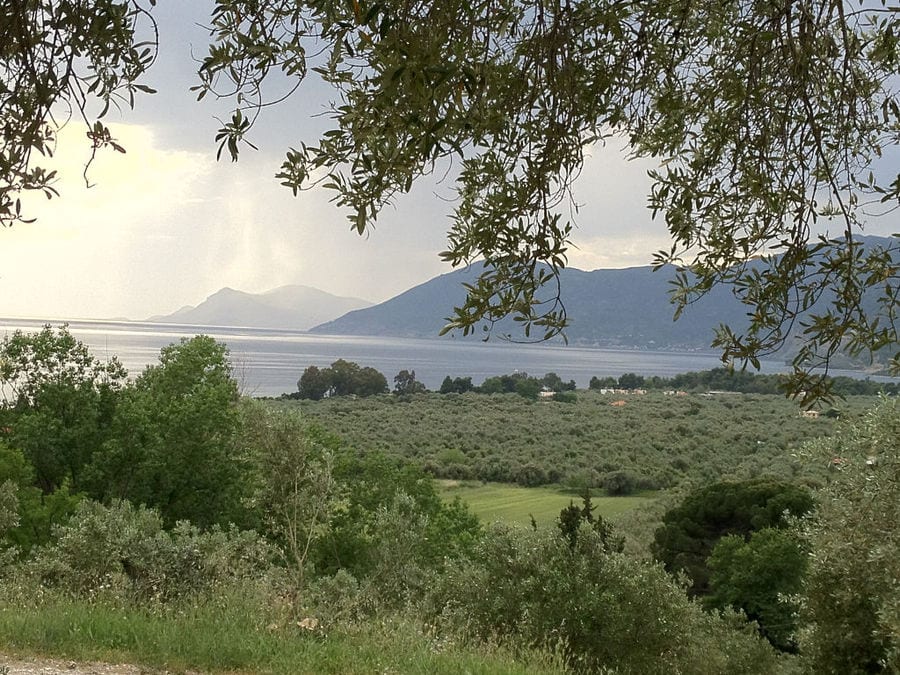
Euboea is a destination of striking contrasts and remarkable diversity, often described as a true microcosm of Greece. From dense fir forests and Mediterranean vegetation to dramatic mountains and endless coastlines, the island offers a rich natural landscape shaped by both land and sea. Imposing peaks such as Mount Dirfi (1,743 m) and Mount Ochi (1,398 m) dominate the landscape, while golden beaches, waterfalls, canyons, and fertile valleys create an exceptional setting.
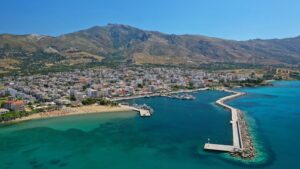
The island is also home to an array of picturesque natural parks and protected areas. For example, the coastline of the North Euboean Gulf features pristine beaches perfect for swimming, sunbathing, and water sports. Visitors can enjoy activities such as kayaking, sailing, and snorkelling in crystal-clear waters. The local marine life, including colourful fish and vibrant sea turtles, adds to the allure of Euboea’s beaches.
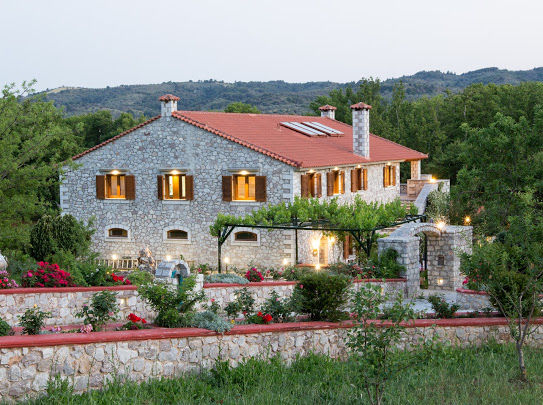
As you explore the traditional settlement of Kymi, you’ll discover its historical significance as a trade hub in ancient times. The settlement’s charming architecture, featuring stone houses with tiled roofs, offers a glimpse into its storied past. Visitors can stroll the narrow streets lined with local artisan shops, where handcrafted goods and souvenirs reflect the island’s cultural heritage.
In addition to Eretria’s archaeological treasures, the town hosts a vibrant cultural scene with various festivals celebrated throughout the year. Events such as the annual Wine Festival and local music festivals showcase Euboea’s rich artistic tradition and bring the community together in vibrant celebration. These events are a fantastic opportunity for visitors to experience the local culture and hospitality firsthand.
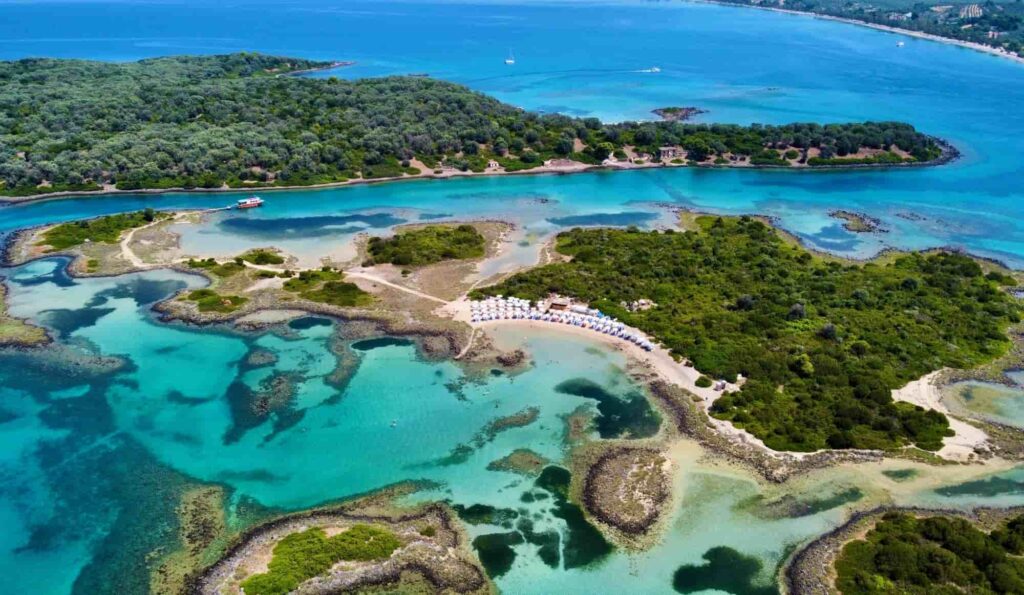
The Lichadonisia archipelago, with its unspoiled beaches and crystal-clear waters, is perfect for a day trip. Here, visitors can engage in a variety of water sports or simply enjoy a picnic on the beach while soaking up the sun. These islands are also known for their rich marine ecosystem, making them an ideal spot for diving enthusiasts eager to explore underwater caves and reefs.
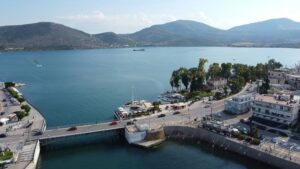
Among its many highlights are the renowned Edipsos Thermal Springs, known since antiquity for their therapeutic properties, as well as historic monasteries, industrial heritage sites, and the windswept cape of Cape Kafireas (Cavo D’Oro). The island’s vibrant capital, Chalkida, offers a welcoming and accessible atmosphere, ideal for leisurely seaside walks along the Euripus Strait.
Euboea’s archaeological significance extends beyond its ancient ruins. The island hosts numerous museums, such as the Archaeological Museum of Eretria and the Museum of Contemporary Art in Chalkida, which offer insights into both ancient and modern Greek civilisations. These institutions play a crucial role in preserving Euboea’s rich history and educating visitors about its cultural heritage.
The historical narrative of Euboea is further enriched by its role during significant events in Greek history, including the Greek War of Independence. The island was a site of resistance against Ottoman rule, and many local heroes emerged during this tumultuous time. Understanding this history deepens the appreciation for Euboea’s landmarks and the stories they hold.
Today, Euboea continues to embrace its cultural diversity, with a population that reflects a blend of traditions from various regions. Festivals celebrating different cultural heritages are common, allowing visitors to partake in the vibrant local life and taste an array of traditional dishes that represent the island’s culinary richness.
Moreover, the island’s landscapes offer opportunities for adventure sports. The rugged terrain of Euboea is ideal for mountain biking, hiking, and even rock climbing, attracting adventure seekers from around the world. Trail routes vary in difficulty, accommodating both beginners and experienced adventurers seeking a challenge amid stunning scenery.
Villages, Landmarks & Hidden Gems
The Drakospita structures, with their enigmatic history, invite speculation and intrigue. Local legends abound, adding to their mystique. Guided tours often include tales of ancient rituals and the theories surrounding these fascinating stone edifices, engaging visitors with both history and folklore.
Euboea is home to a wealth of picturesque towns and villages, each with its own distinct charm. The traditional settlement of Kymi enchants visitors with its architecture and Aegean views, while Karystos is known for the impressive Castello Rosso (Kokkinokastro).
As visitors venture through Euboea’s landscapes, they are often reminded of the island’s role as a bridge between past and present. Modern amenities coexist harmoniously with ancient ruins, creating a unique travel experience. This juxtaposition allows travellers not only to see the beauty of the landscape but also to feel the weight of history that permeates the island.
In northern Euboea, Limni stands out as one of the most picturesque villages, with narrow streets, traditional houses, and lush greenery, where the pine-covered slopes of Mount Kandili seem to meet the sea. Nearby, Rovies is famous for its plane trees and tranquil setting, while Eretria offers a rich archaeological heritage, including the Temple of Apollo Daphnephoros and its museum. Just offshore lies the submerged ancient city of Eretria, a fascinating reminder of the island’s long history, separated from the modern town by millennia.
In conclusion, Euboea stands as a testament to Greece’s rich cultural and natural heritage. With its breathtaking landscapes, rich history, and warm local culture, it is a destination that captivates travellers’ hearts. Whether you’re drawn to its historical sites, natural beauty, or culinary delights, Euboea offers a unique and memorable experience that beckons to be discovered over and over again.
Other noteworthy sites include the Lichadonisia, often referred to as the “Greek Seychelles,” the Venetian towers of Mytikas, and historic monasteries such as the Monastery of Saint John the Russian, the Monastery of Saint George Ilion, and the Galataki Monastery. These landmarks represent only a glimpse of the island’s rich cultural and natural heritage.
A History Spanning Millennia
Archaeological evidence confirms that Euboea has been inhabited since prehistoric times, with findings dating back to the Palaeolithic and significant Bronze Age remains. In antiquity, the island played an important role in trade and colonisation, contributing to the spread of Greek culture across the Mediterranean.
During the Byzantine period, Euboea formed part of an important administrative region and experienced economic and cultural development. Later, under Ottoman rule, it remained under Turkish control until 1830, when it was incorporated into the modern Greek state.
The island also played a significant role in more recent history. Following the Asia Minor Catastrophe of 1922, many refugees settled in areas such as Nea Artaki and Nea Lampsakos, contributing to the island’s cultural diversity. During World War II, Euboea endured German bombardments, while its inhabitants actively participated in the resistance.
The gastronomic identity of Euboea
The region’s gastronomic identity is shaped by its unique position as a long island closely tied to mainland Greece, blending island seafood traditions with strong rural and mountainous cuisine.
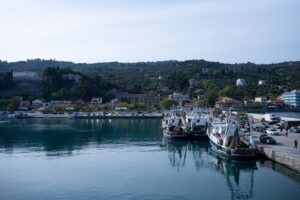
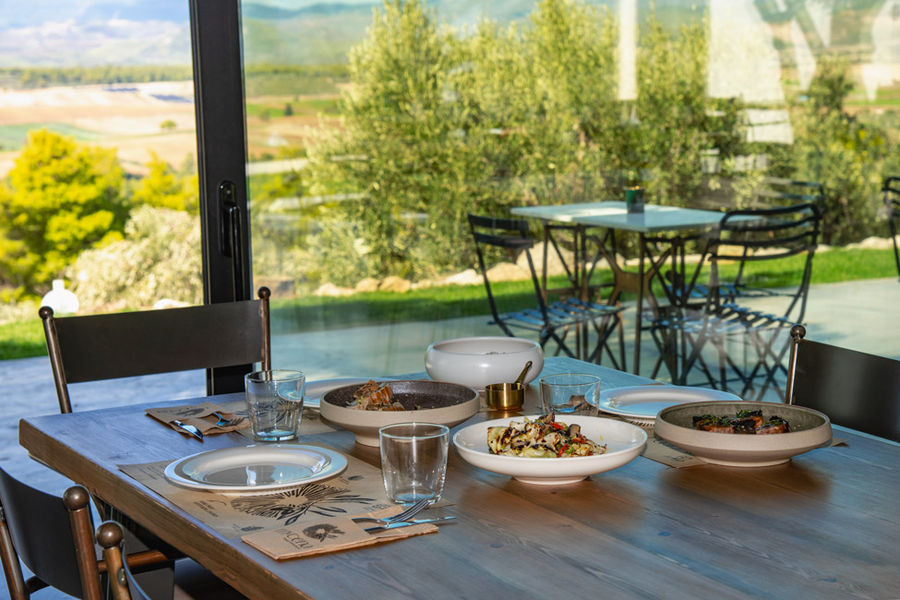
Along the coast, especially around Chalkida, Karystos, and Edipsos, the diet is defined by fresh fish and seafood. Grilled sardines, sea bream, octopus, and simple dishes dressed with olive oil and lemon reflect a minimalist approach that highlights freshness and quality of ingredients. Octopus stew and fried small fish are local staples.
In the mountainous north and central regions, the cuisine shifts toward heartier, mainland-style cooking. Goat and lamb are commonly slow-cooked in the oven or clay pots, often accompanied by wild greens, legumes, and traditional pies such as cheese or herb-filled pastries.
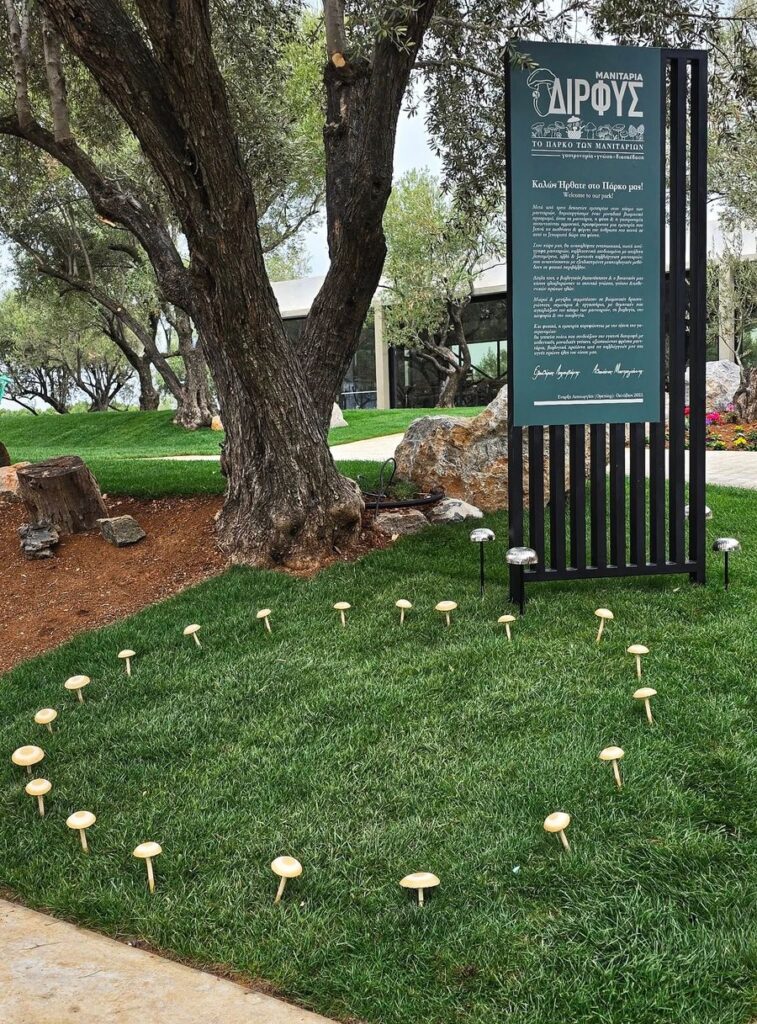
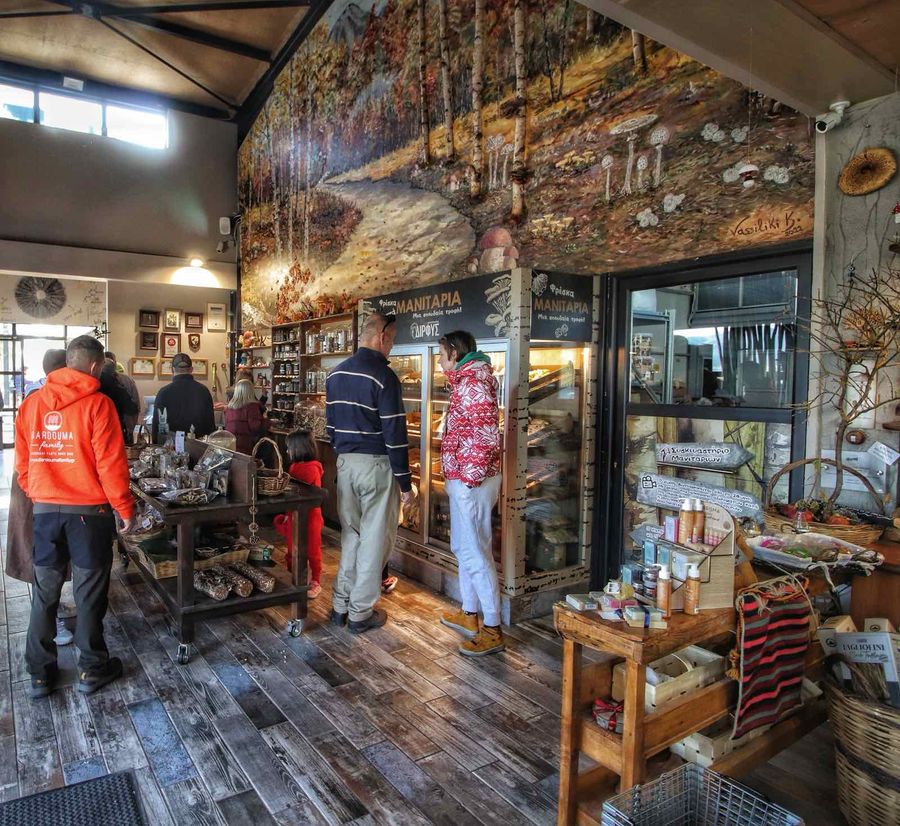
Euboea is also known for its strong agricultural production: high-quality olive oil, thyme honey, figs, mushrooms, dairy products, and local wines all play a central role in everyday cooking.
Overall, Euboean cuisine is best described as a culinary bridge between sea and land—simple, ingredient-driven, and deeply rooted in both island and continental Greek traditions.
Mysteries of Southern Euboea
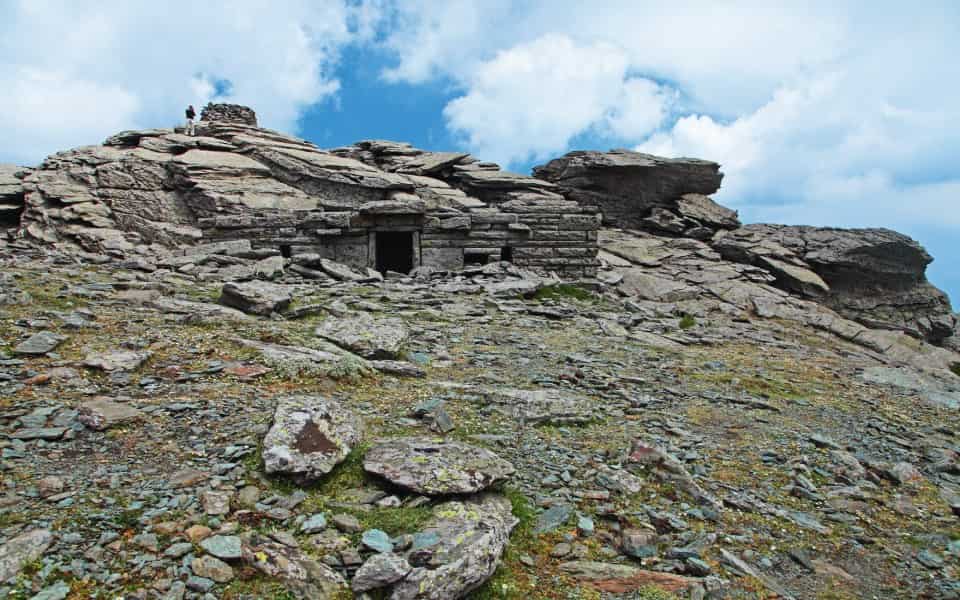
Southern Euboea holds one of Greece’s most intriguing archaeological enigmas: the so-called Drakospita, or “Dragon Houses.” Found mainly around Mount Ochi and the area of Styra, these massive stone structures are remarkable for their construction technique and scale. Despite extensive study, their exact purpose and origins remain unknown, adding an element of mystery to the island’s already rich heritage.
An Island of Endless Discovery
Euboea invites exploration and adventure at every turn. The island’s allure lies in its diversity—each corner offers new experiences, from uncovering historical secrets to enjoying the warmth of local hospitality. Whether it’s a leisurely stroll through its charming villages or an adrenaline-pumping adventure in nature, Euboea promises to leave a lasting impression on all who visit.
Whether exploring ancient ruins, relaxing by the sea, or uncovering its lesser-known secrets, Euboea stands as a vivid and inspiring reflection of Greece itself—diverse, timeless, and full of discovery.