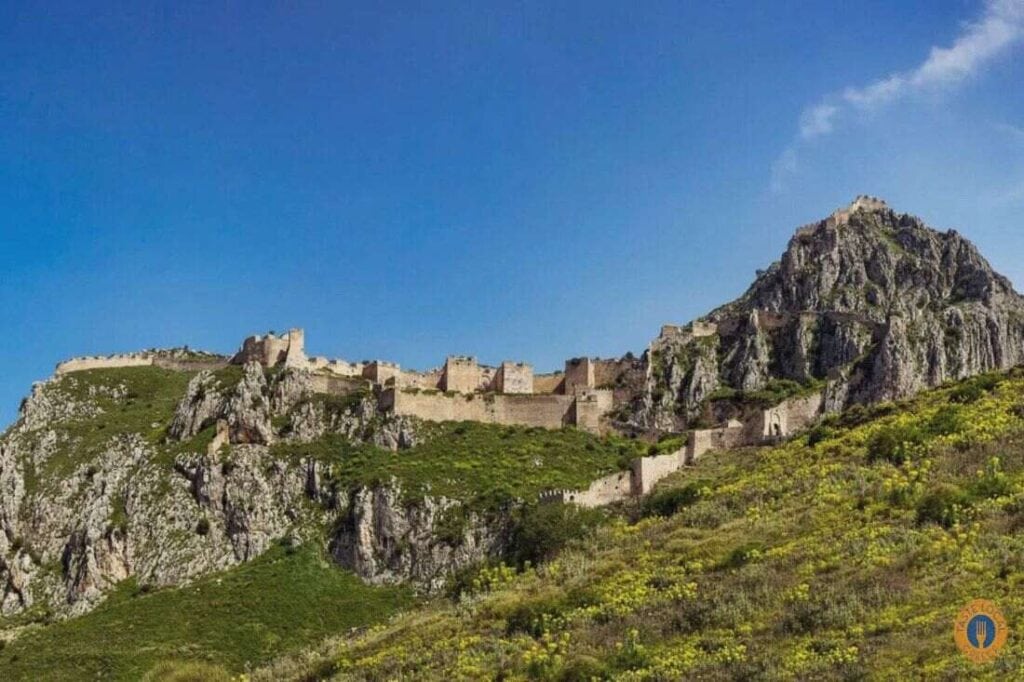

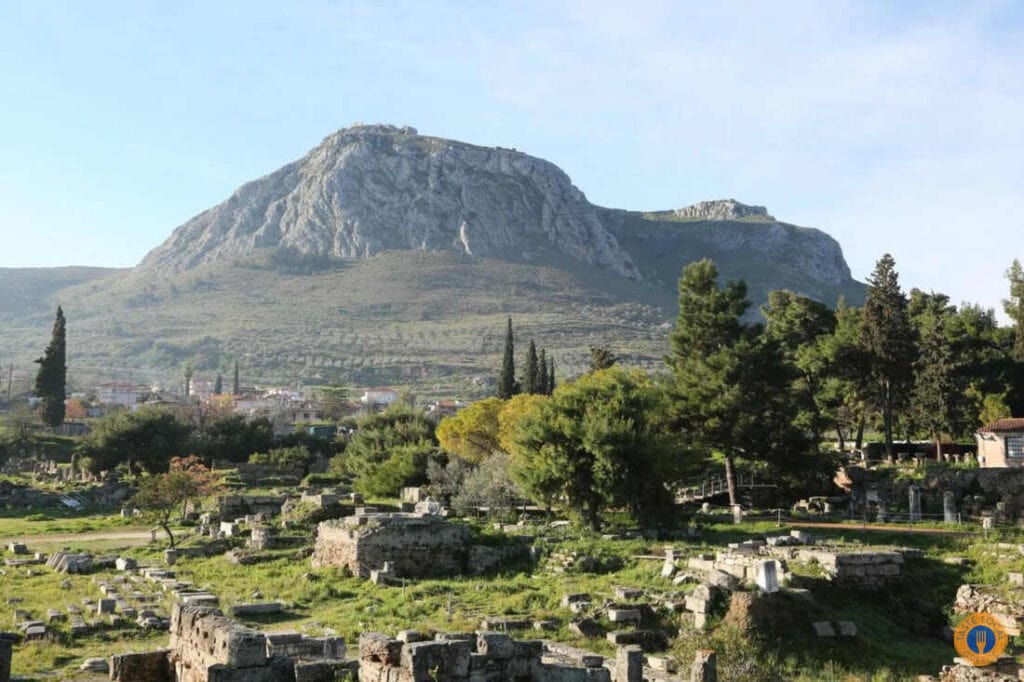
As a child, whenever I neared Corinth, my gaze inevitably fixed upon the Akrocorinthos from a distance. It loomed over the Peloponnese, its grandeur commanding attention above the sprawling plain. It seemed to declare its dominion, extending its authority over the Corinthian and Saronic Gulf, reaching even to the ancient harbour in Kehries.
On my return from nearby adventures, I often saw it illuminated against the twilight, perched on the cliff’s edge, a formidable spectacle. I would pause at the precipice, transfixed by its breathtaking presence.
I harboured a secret desire to conquer it, to play the part of a pirate or a barbarian laying claim to its heights. Yet, each time I passed, it remained just out of reach, too close for conquest but too distant for disregard.
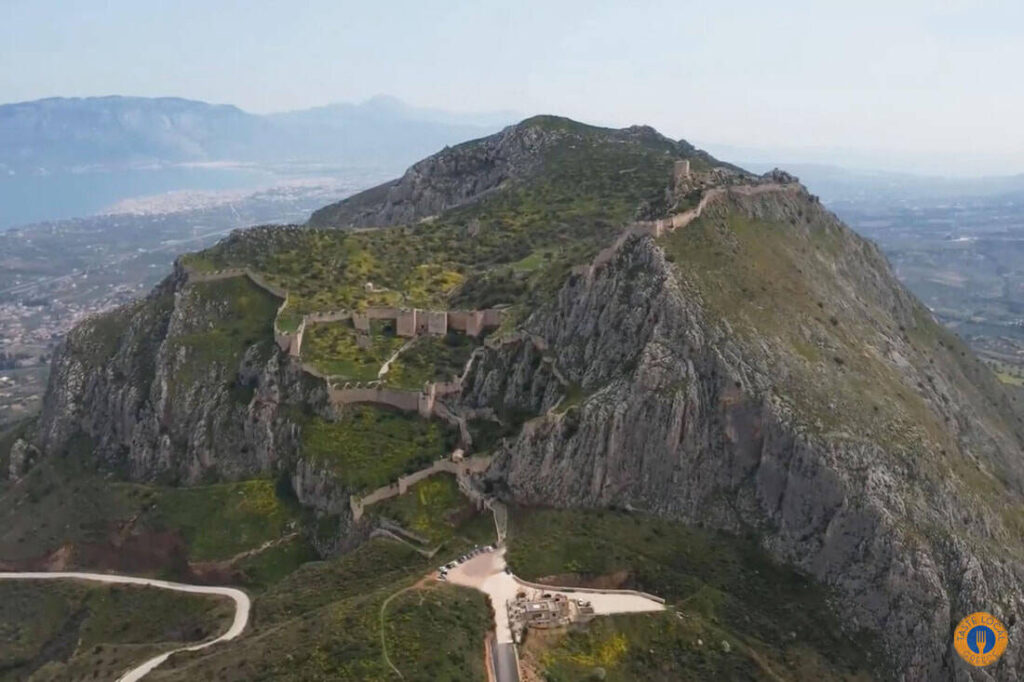
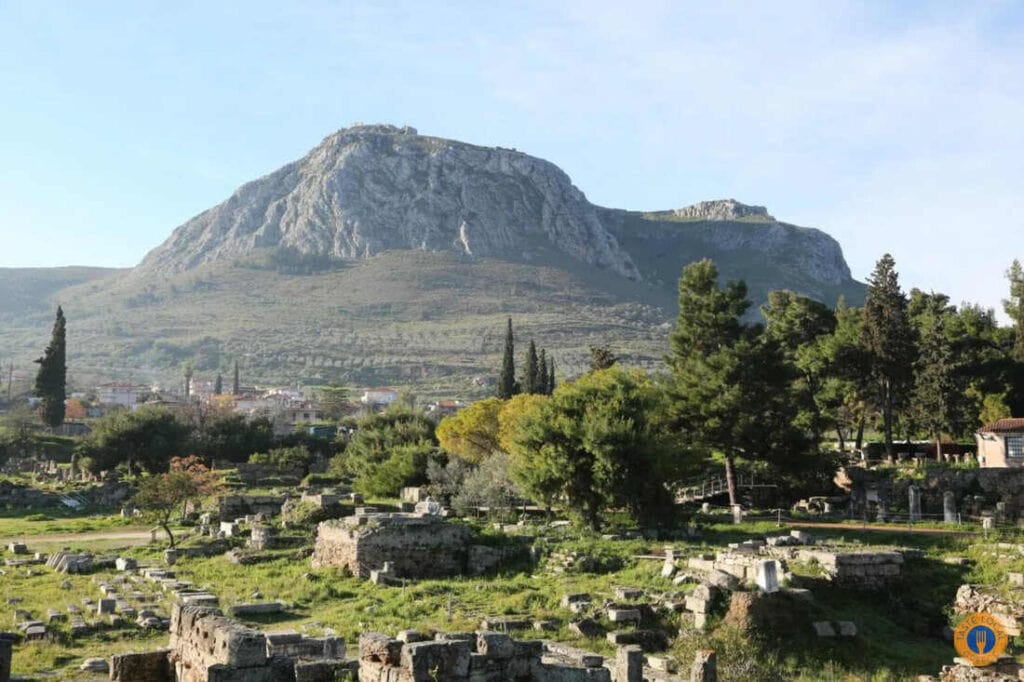
However, there comes a time when action must be taken, and I resolved to embark on a two-day excursion dedicated solely to Akrocorinthos. The moment had arrived to fulfil my childhood dream of conquest! While I journeyed this far, I determined to extend my exploration to Heraion, Melagavi Lighthouse, and Vouliagmeni Lagoon, allowing myself the opportunity to once again bask in the enchanting glow of the Corinthian Gulf sunset.
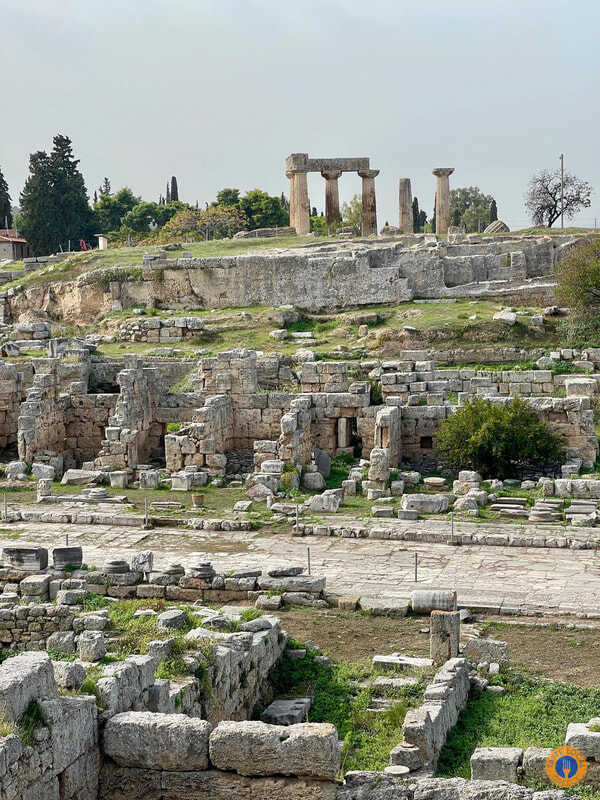
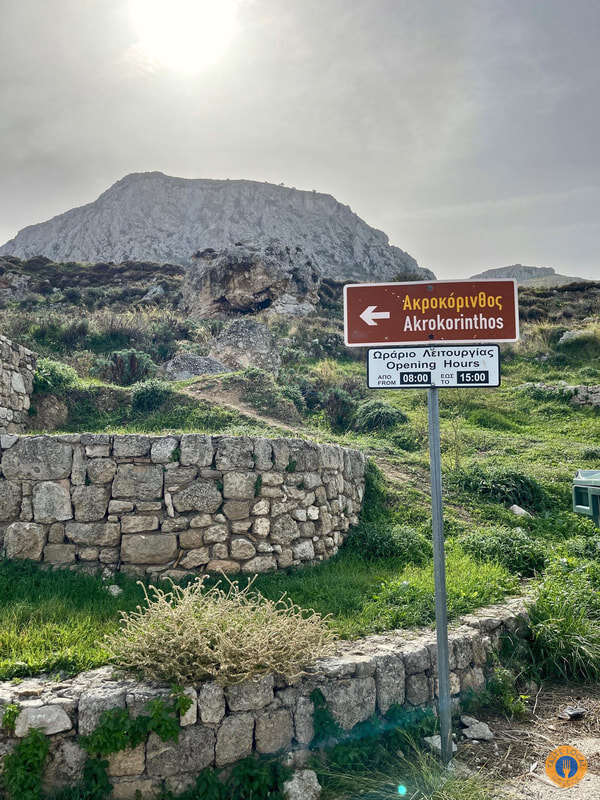
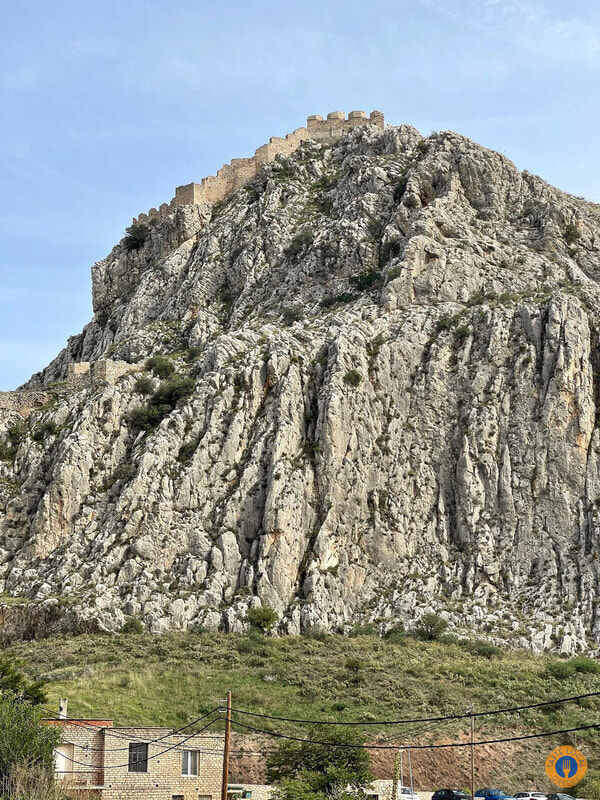
Not even an hour from Athens I arrived straight to Ancient Corinth.
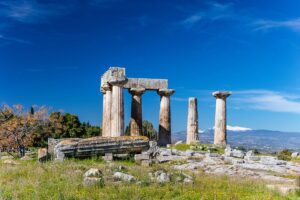
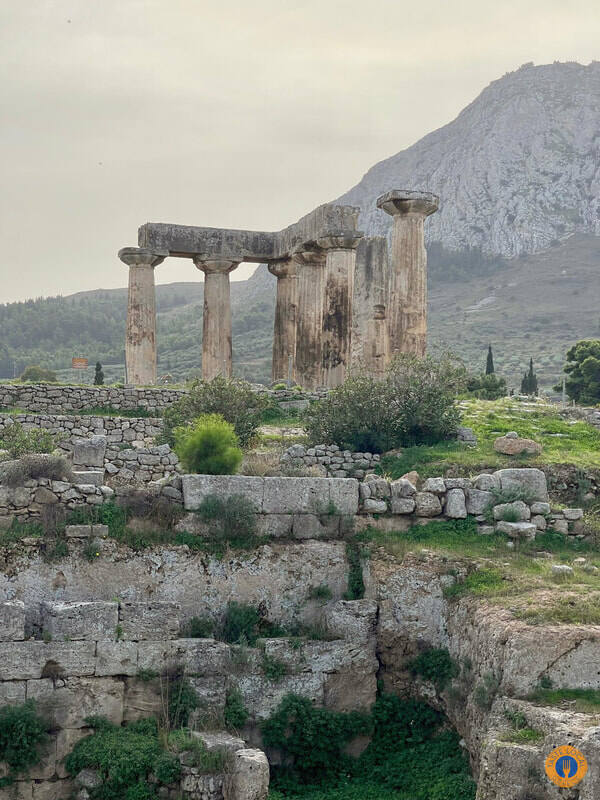
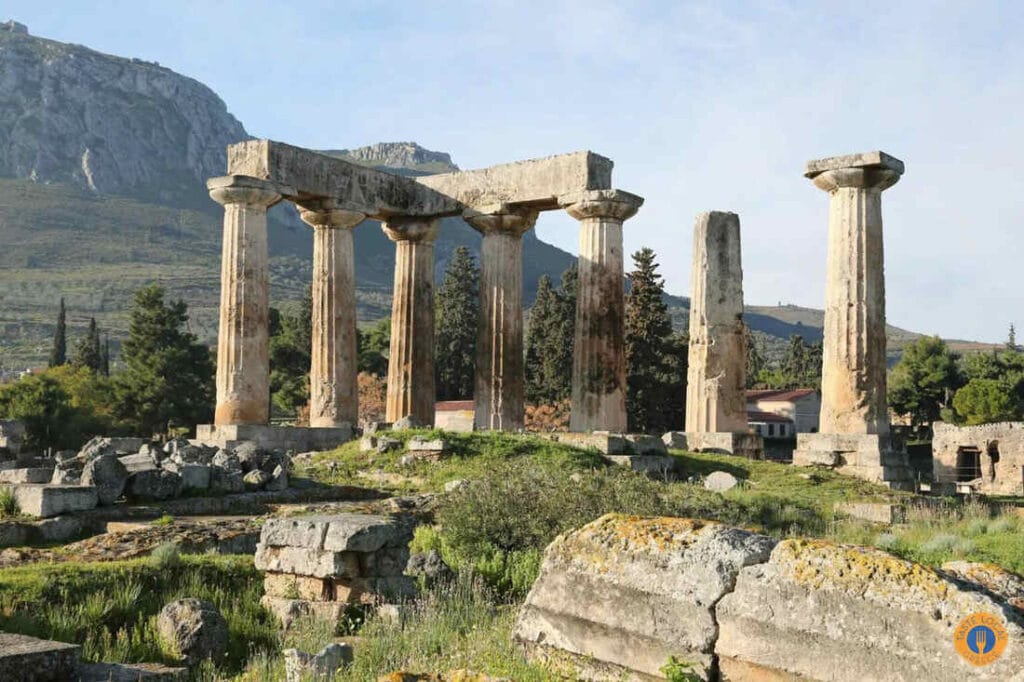
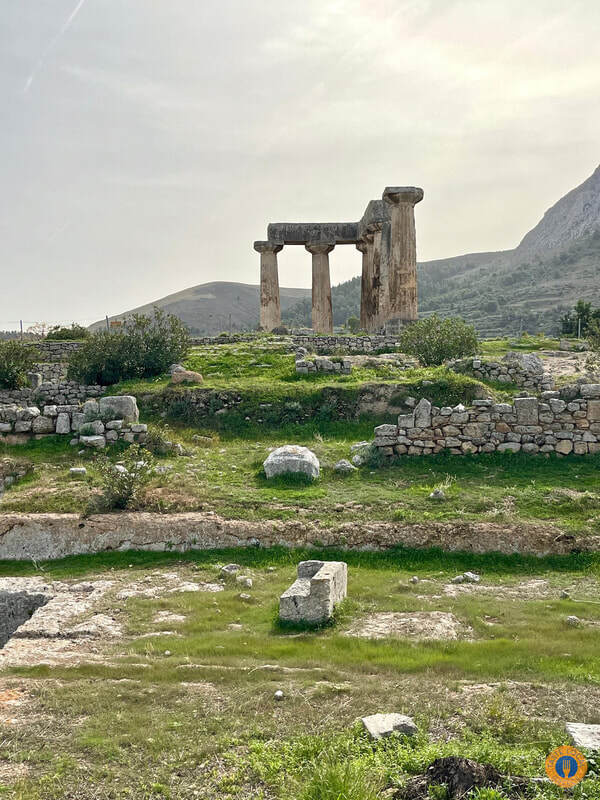
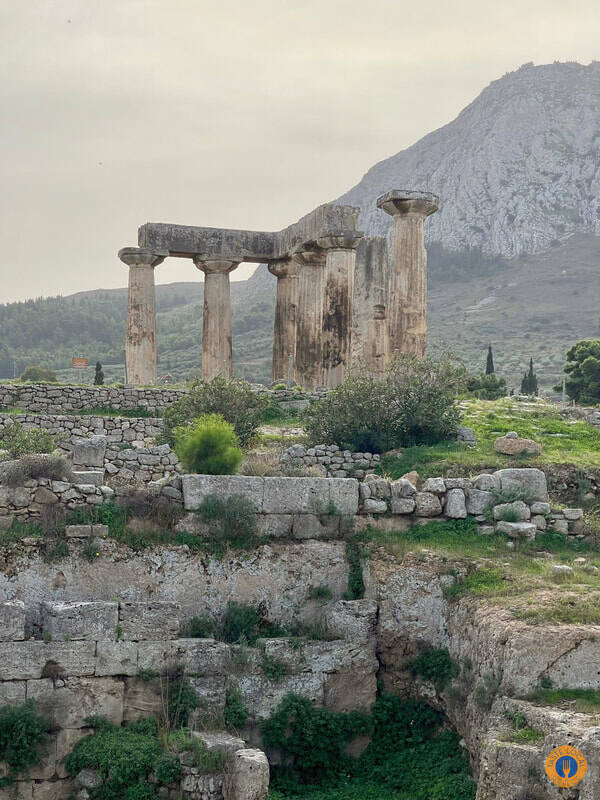
Still, the people had not woken up, and I was sipping a cup of coffee overlooking the temple of Apollo. On the other hand, Akrocorinthos seemed rather angry with me, since for so many years I admired it only from afar…
I sat in ecstasy, watching the huge rock that stood six hundred meters above my head with awe, and I wondered what these cliffs must have seen over so many centuries, since 700 BC. How many conquerors had besieged them, and how many barbarians had tested their defences?
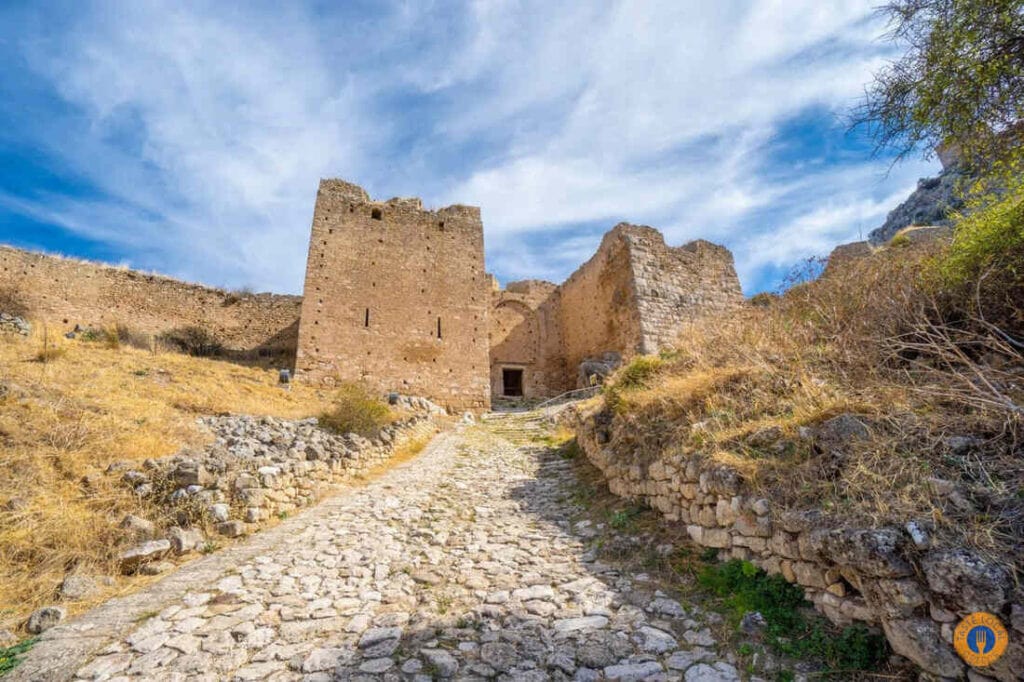
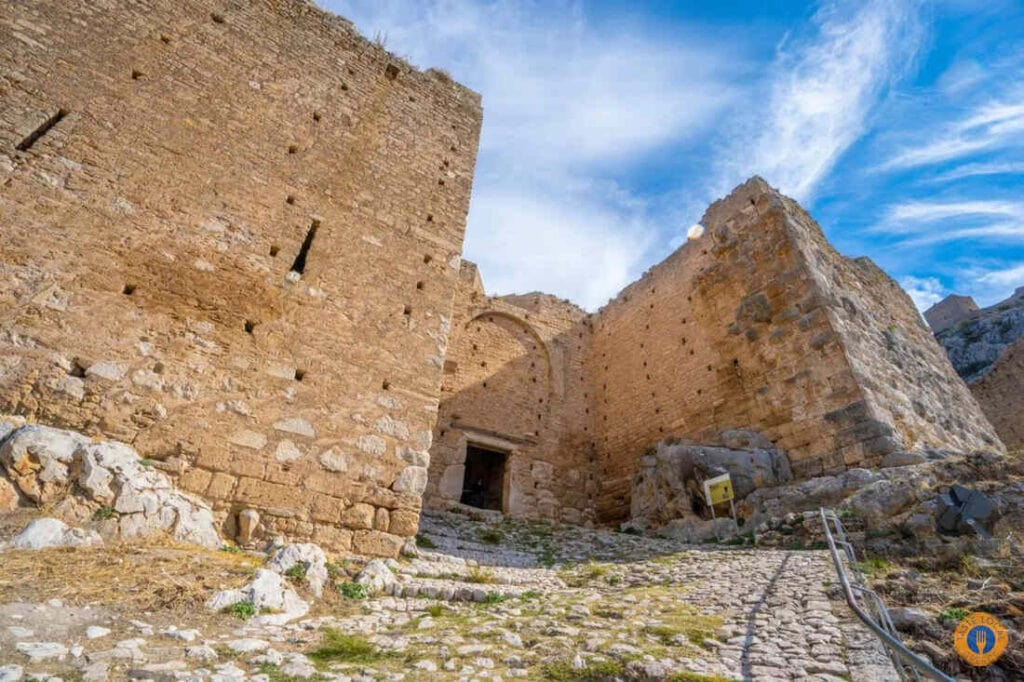
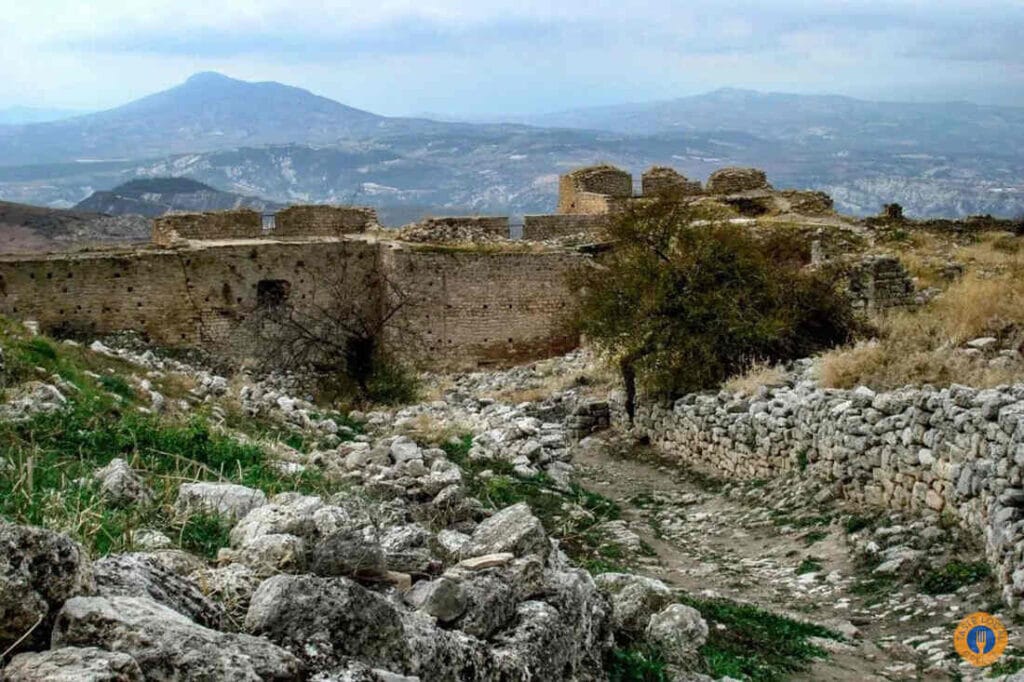
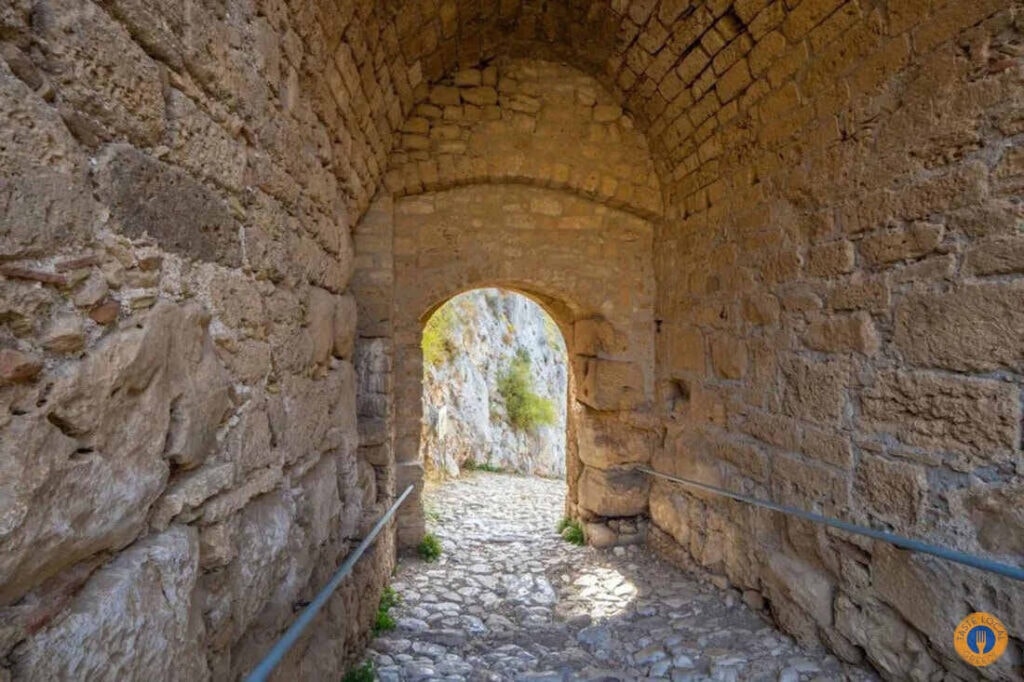
Walking the uphill path to the castle is an unparalleled experience! Ascending from the paved bridge to the central pillar, one of the castle’s three entrances, is a journey that leaves you increasingly breathless as you marvel at its size and grandeur.
From the top, the vista unfolds in all directions. To the far northwest lies the Corinthian Golf, with Cape Melagavi and its lighthouse standing sentinel, while Mount Parnassus looms majestically in the distance.
On the southwest side, adjacent to the towering Frankish watchtower, your gaze stretches as far as Kehries, the ancient harbour, and even Aegina beyond.
Perched atop the castle, you feel like an eagle soaring high, surveying the entire world with a glance…
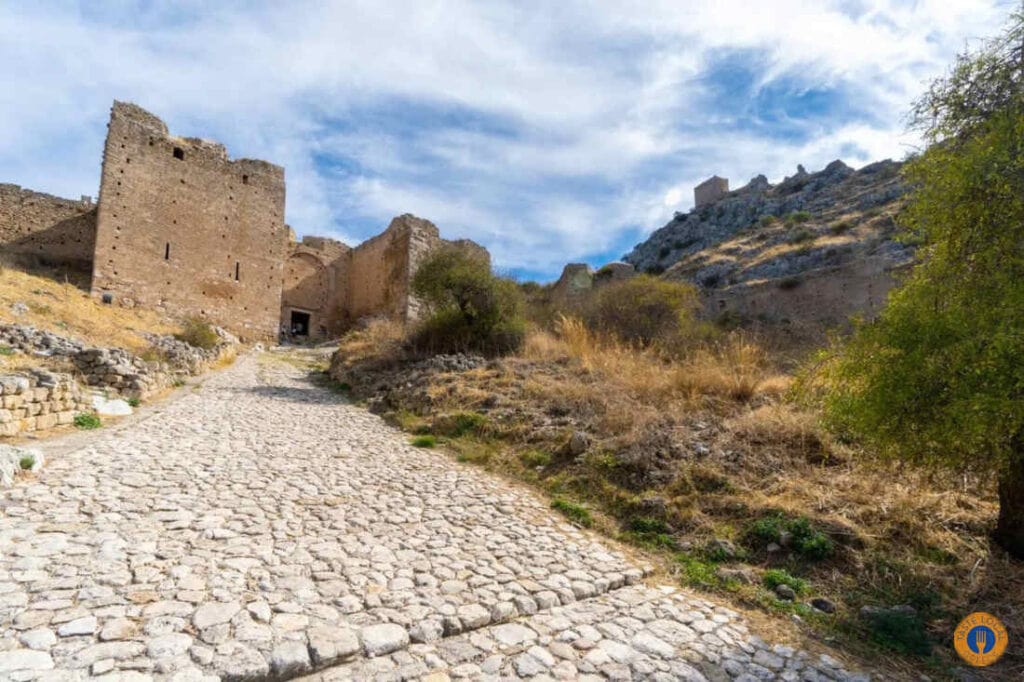
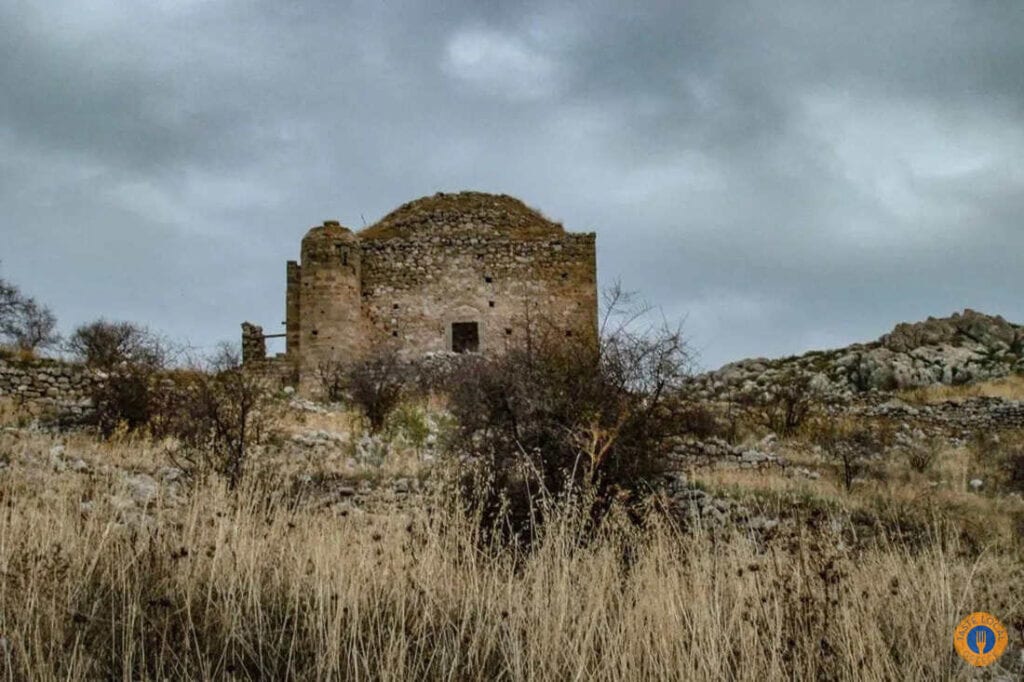
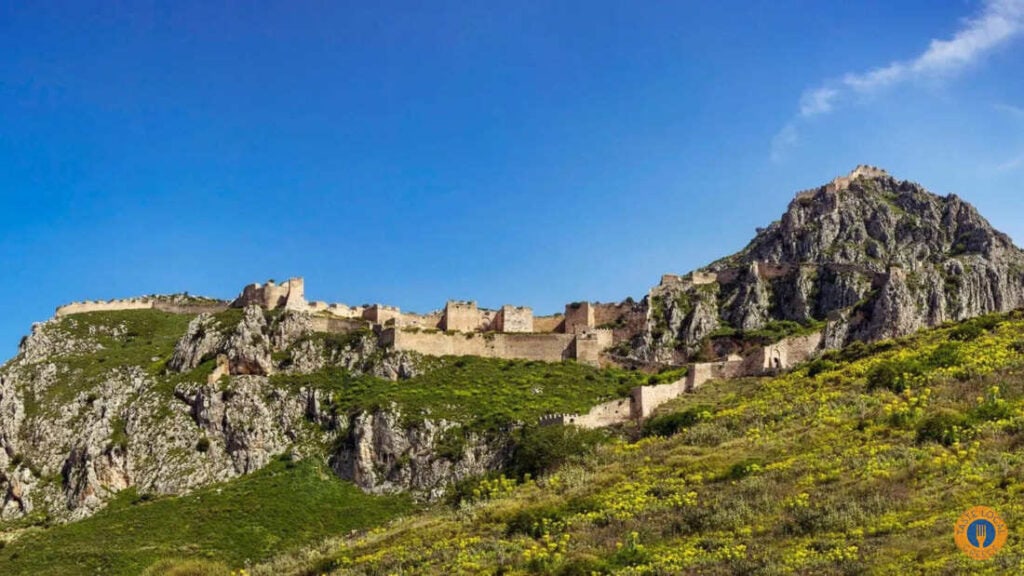
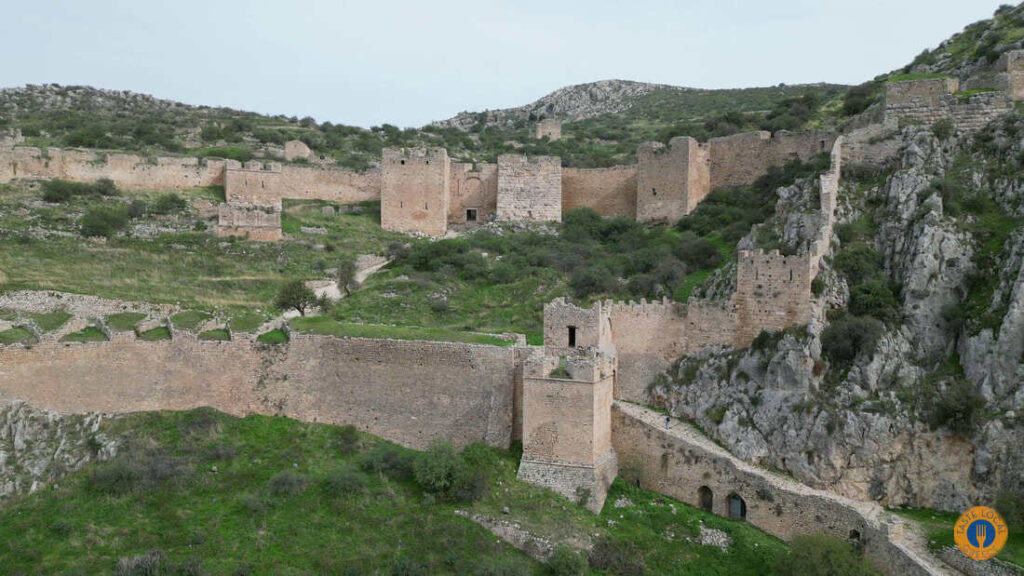
We meander through the fortress, taking in its diverse components. Among the outer stone fortifications, remnants of the walls from classical antiquity are still visible today. After these ancient structures, layers of history unfold: the Byzantine period saw reconstructions and new fortifications, followed by extensive additions during the Frankish and Venetian eras—finally, internal modifications predominated during the Ottoman period.
The Akrocorinthos fortress is a quintessential example of fortress architecture, showcasing construction techniques and ornamental motifs spanning its entire history. Its walls conform to the natural contours of the rock, organised into three defensive tiers and fortified with bastion towers, crenellations interspersed with merlons, and cannon ports.
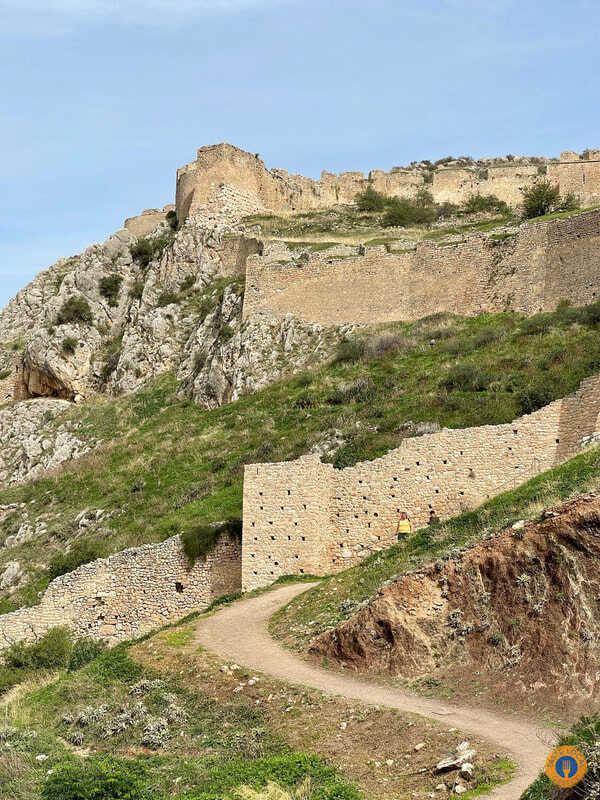
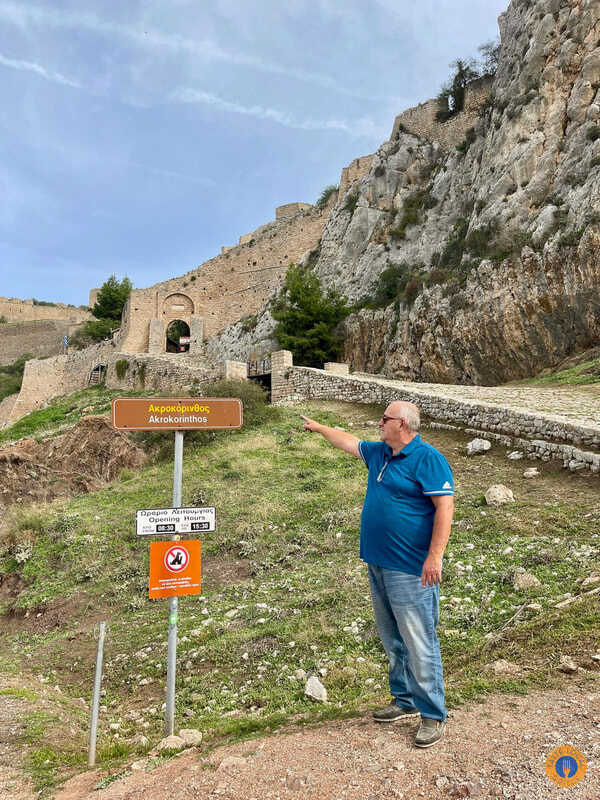
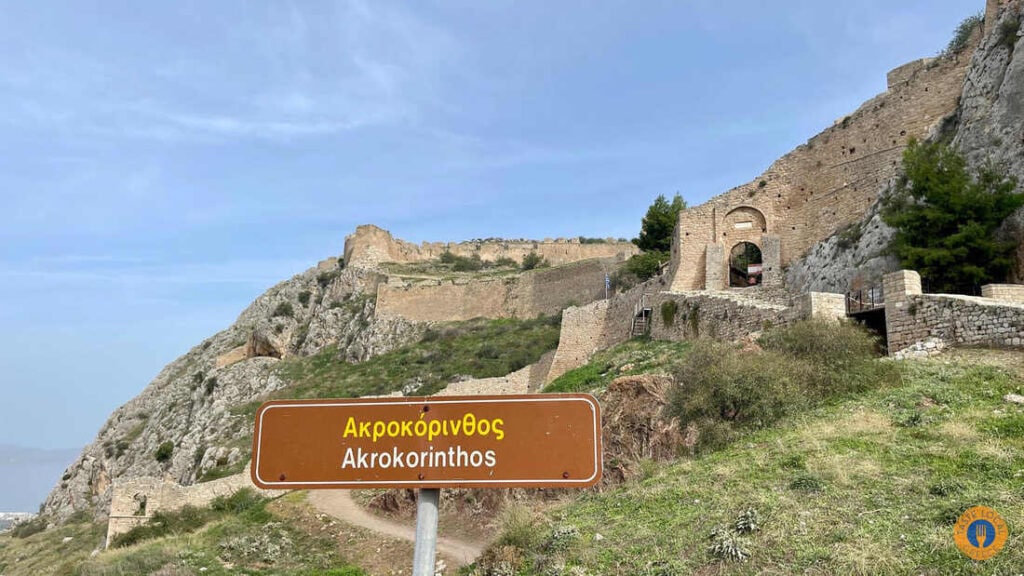
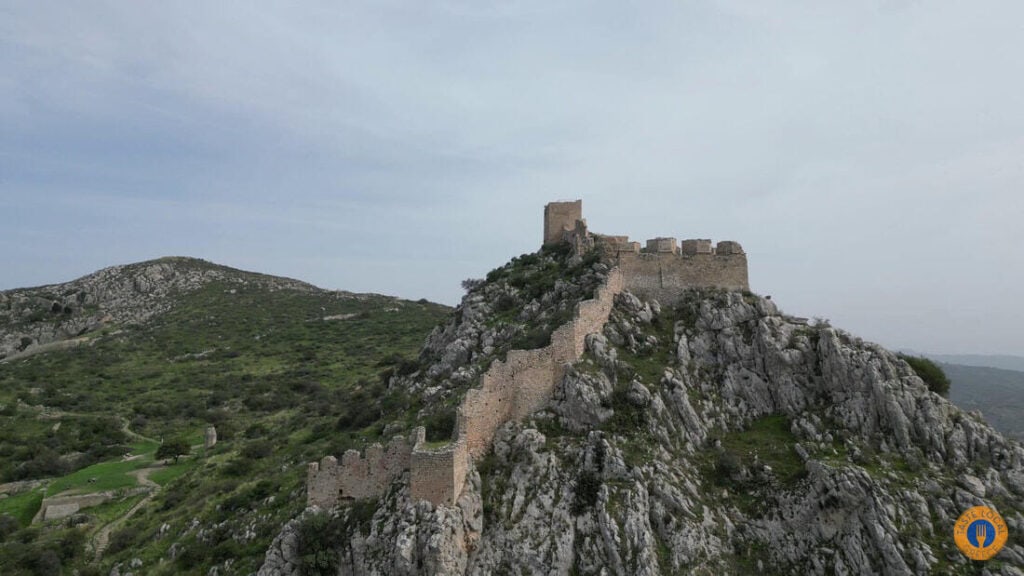
Within the walls of the castle of Akrocorinthos lies a trove of ancient relics and architectural wonders. Among them are the ruins of the temples of Agios (Saint) Dimitrios and Aphrodite, dating to the 5th-4th century BC, alongside later-period constructions. Notably, Acrocorinthos was once a pivotal site of worship for the goddess Aphrodite.
Venturing deeper, you’ll encounter remnants of a three-aisled Venetian Basilica, mosques adorned with minarets, and fountains that once quenched the thirst of weary travellers. The underground Byzantine cistern, characterised by its sturdy pillars and brick arches, bears witness to the castle’s strategic importance throughout history. Nearby, the Ano Peirini spring boasts two subterranean vaulted chambers, adding to the intrigue of this ancient stronghold.
On the southwest side of the castle, the imposing two-story Frankish watchtower commands attention with its stepped base and narrow window loopholes. The lower floor served as a cistern, a testament to the castle’s multifaceted functionality over the centuries.
Descending from the castle of Akrocorinthos, on the NW side, opposite the cafes and the square, you can see the ruins of the Agora (market) of the ancient city of Corinth with monumental buildings, sanctuaries, fountains, a conservatory, a theatre, shops and the paved street towards Lechaio, an important harbour of that period, that was protected by high walls called “Makra Teichi” (Long Walls). It is worth spending time in the imposing, archaic temple of Apollo, and I advise you to visit the Archaeological Museum of Corinth.
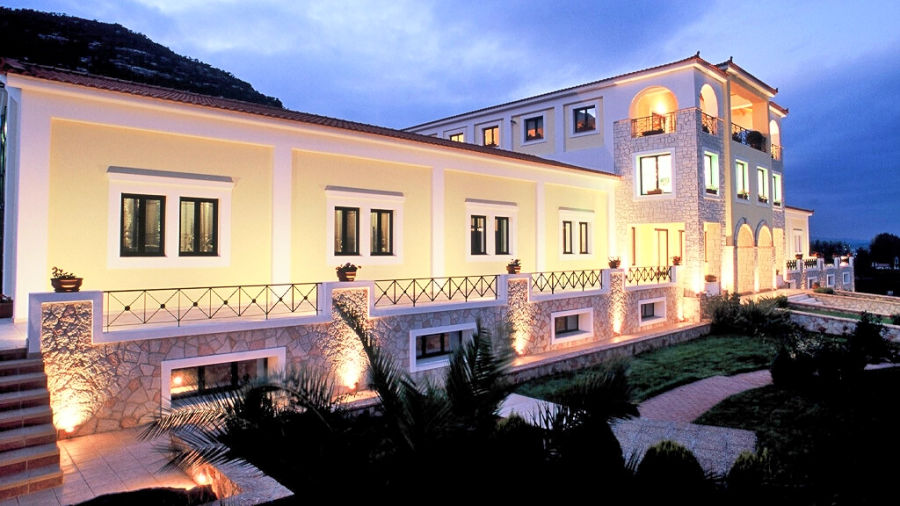
After departing from the museum, we set out on the road towards the ancient harbour of Kechries, a mere stone’s throw away from the Kalamaki Beach Hotel, where we had made a reservation to spend the night.
Upon arrival, we stretched out on the hotel’s inviting beach, taking in the picturesque vista of the Saronic Gulf. A refreshing swim in the sea rejuvenated us. As the sun dipped below the horizon, we decided to dine at the hotel’s restaurant in a beautiful garden where we began to outline our plans for the following day: an excursion to the nearby Heraion and the enchanting Melagavi lighthouse.
The hotel’s Greek & International cuisine is prepared with local ingredients by its chefs for a genuine dining experience in the Peloponnese. The hotel is certified for its Greek Breakfast, which offers regional breakfast delicacies.
Book your stay at Kalamaki Beach Hotel through the link provided below, and benefit from a 10% discount on one lunch during your stay for the hotel’s guests.
Rent a car from the link below and benefit from the best prices and services.
Get a private transfer with a professional driver and enjoy the comfort of the ride.