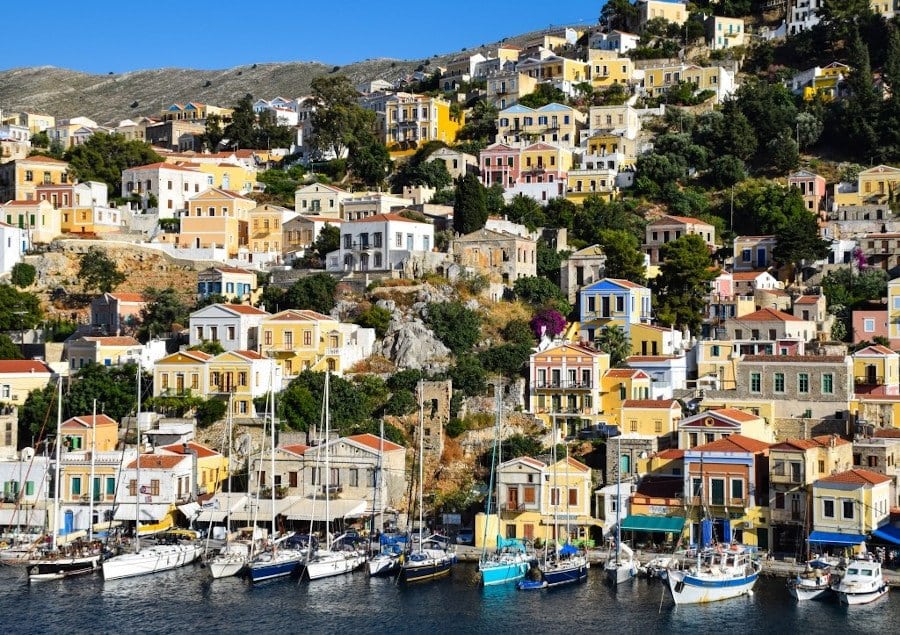
Arriving at Symi’s scenic port for the first time, you might think you’re looking at a painting of a Venetian village. Gaze at the well-maintained traditional homes arrayed next to each other beneath the sheer slopes.
Symi has a romantic charm enhanced by the absence of multi-story hotel complexes found on other Dodecanese islands. The shoreline is pocked by several coves and small harbours; the main port is at Skala, with anchorage also at Pedio and Panormos, where the Monastery of the Archangel Michael is located.
Symians are known for their skills as sailors, fishermen, and sponge divers, all of which brought wealth and fame to the island. Fishing and the sponge trade still flourish on the island.
Gastronomy
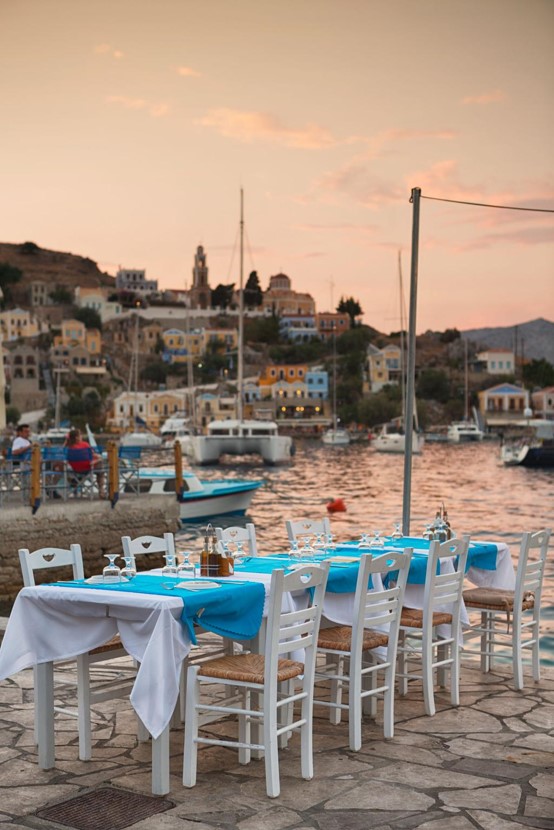
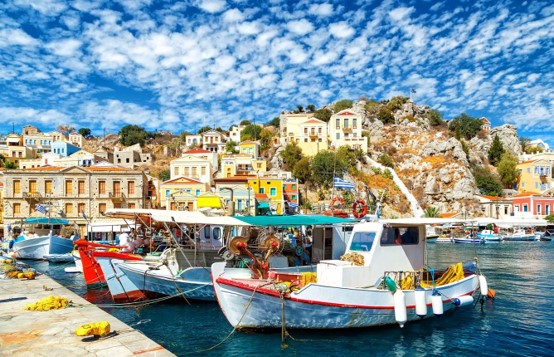
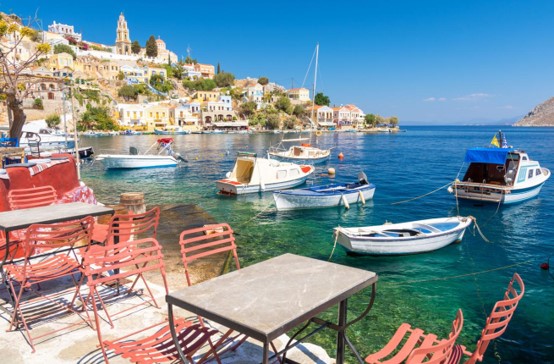
Symi is a picturesque island in the Dodecanese that combines striking neoclassical architecture with a deeply maritime culinary tradition. Despite its small size, Symi offers a surprisingly diverse gastronomy shaped by the sea, local customs, and historical influences from the wider eastern Mediterranean.
A cuisine shaped by the sea
Symi’s cuisine is fundamentally maritime. Fishing has long been central to island life, and most traditional dishes are based on fresh seafood prepared in simple, respectful ways—grilled, fried, or served as meze with olive oil and lemon.
The island’s signature delicacy: Symi shrimp
The most famous local speciality is the Symi shrimp.
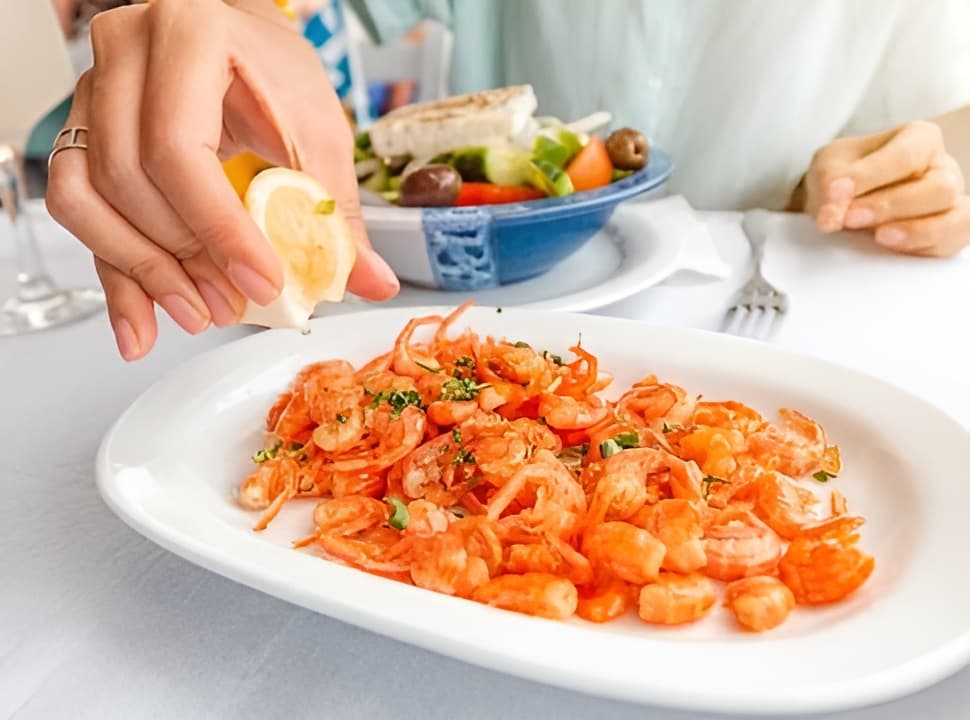
These tiny shrimp are often called “popcorn shrimp” for their size and irresistible crunch. They are:
- Lightly floured and fried in olive oil
- Eaten whole, including shell and head
- Served with fresh lemon juice
- Crisp, salty, and highly addictive
They are widely considered the culinary symbol of Symi.
Seafood traditions and marine flavors
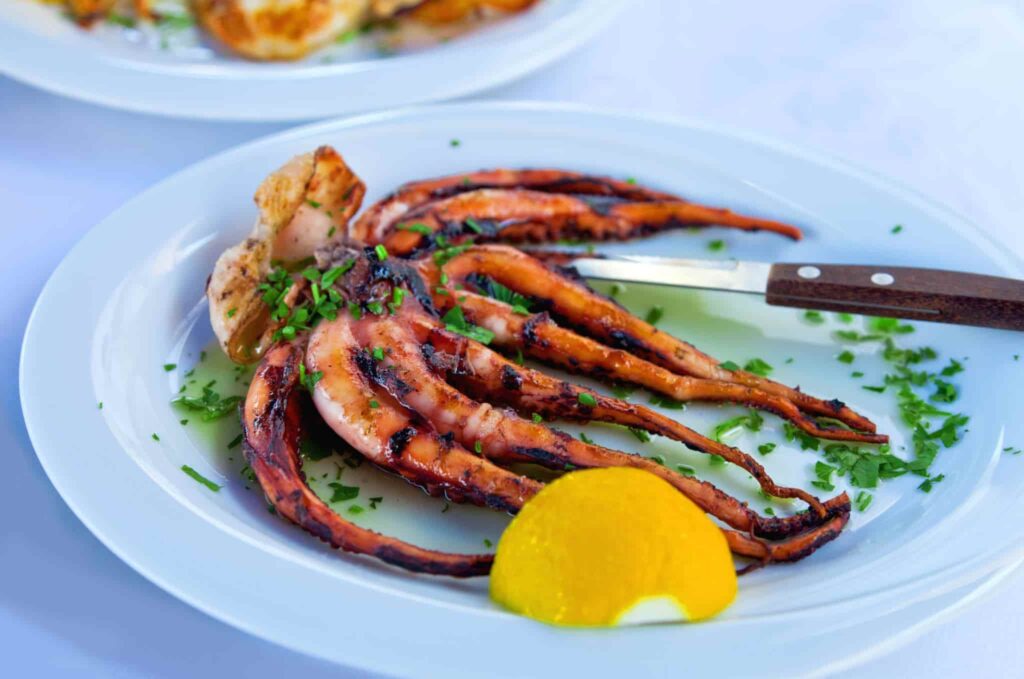
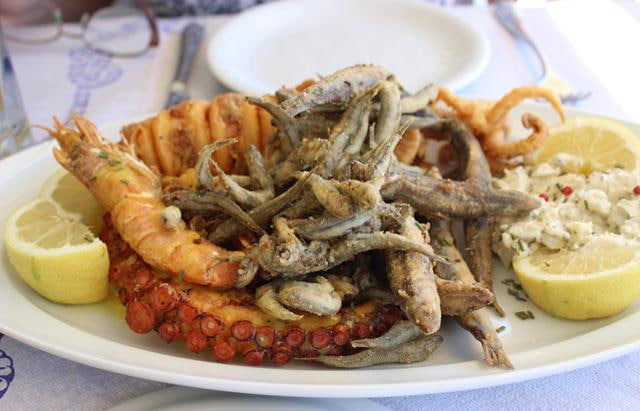
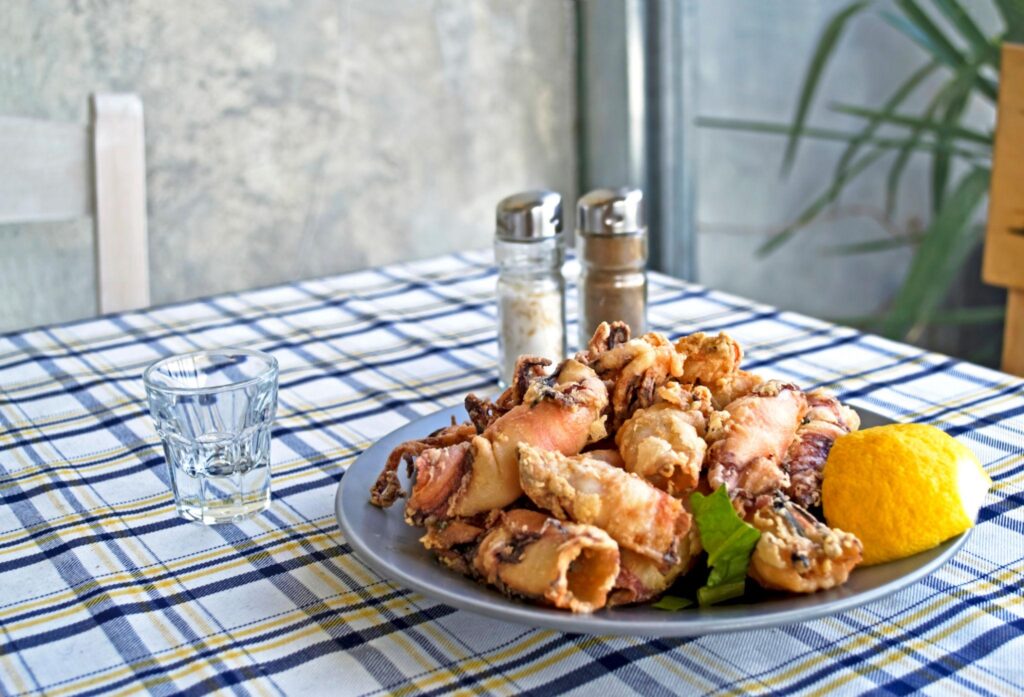
Aficionados of marine cuisine will find a wide range of traditional dishes, including:
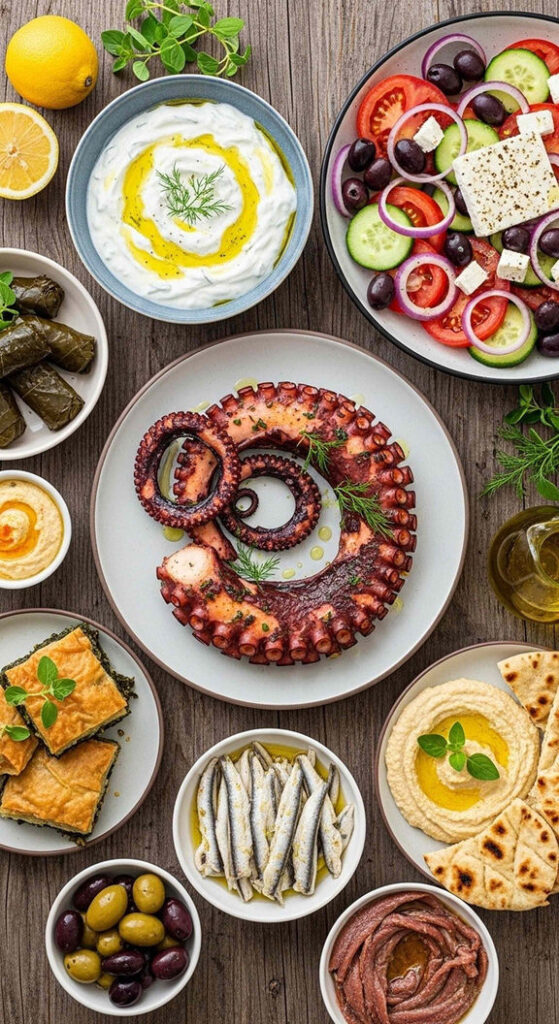
- Octopus grilled or boiled
- Octopus ragout served with rice
- Squid grilled or fried
- Cuttlefish fried in its own ink
These dishes highlight the island’s reliance on fresh seafood and traditional preparation methods that preserve natural flavors.
Unique local specialities
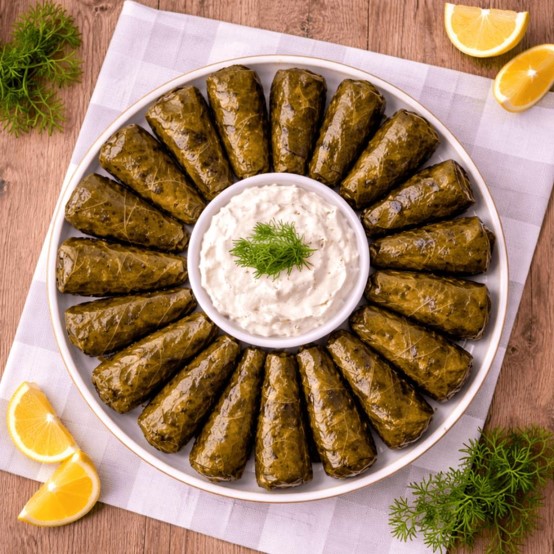
Symi’s cuisine also includes several distinctive dishes that reflect its cultural depth:
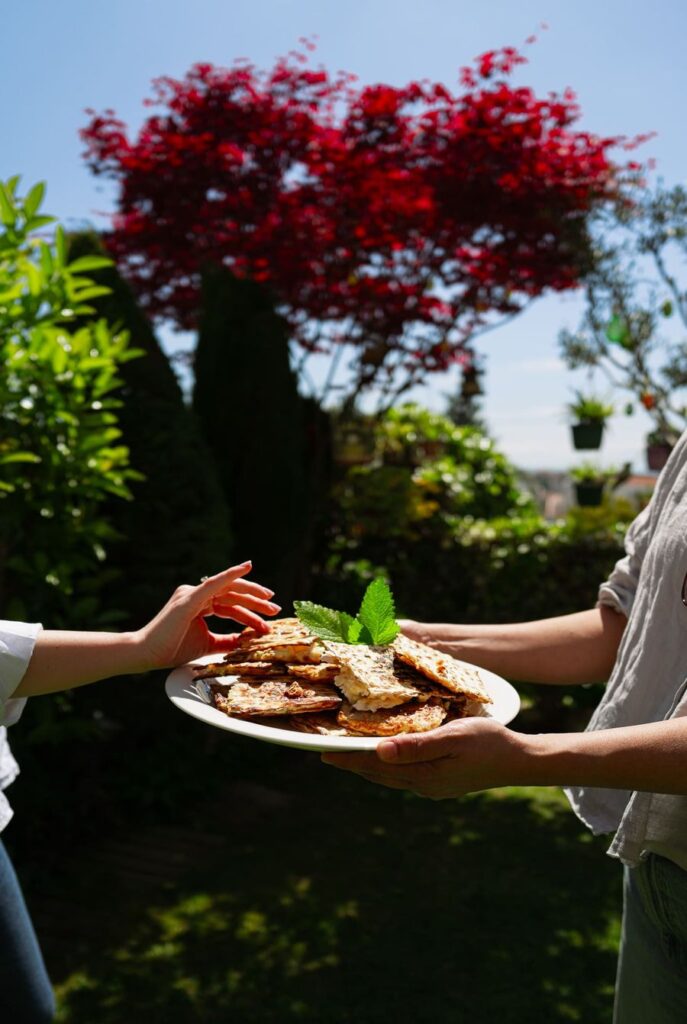
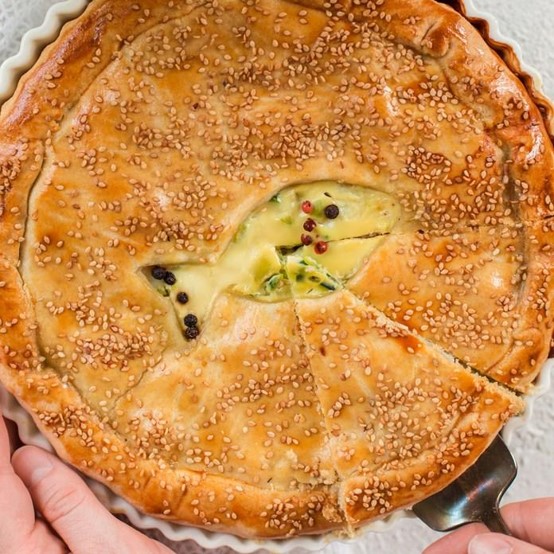
- Gaellopittes – small savoury pies filled with sand smelt, eggs, cheese, onion, and tomato; a rare and flavorful island meze
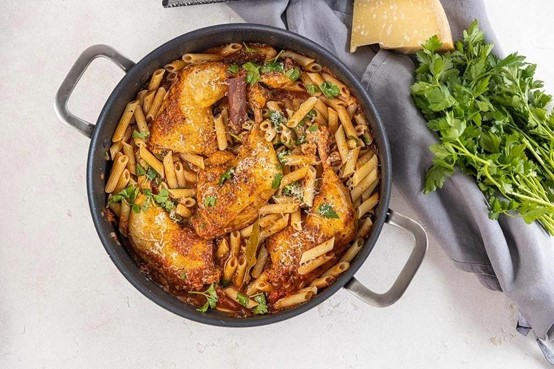
- Coq pastitsada – chicken cooked with spices and served with thick pasta, rich and aromatic in taste
- Tempeloyiaprakia – vine leaf rolls filled with rice and fragrant herbs, part of the island’s traditional home cooking
These dishes show a blend of Greek island tradition with broader Mediterranean influences.
Sweet traditions of Symi
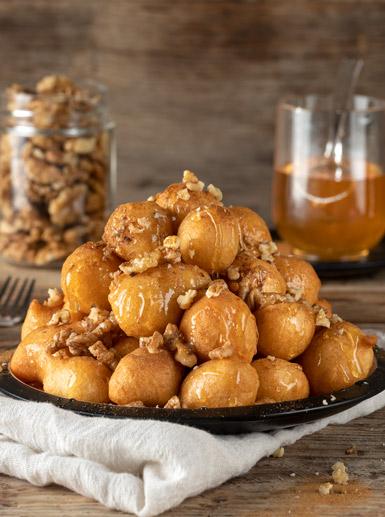
Symi also has a strong tradition of sweets, often linked to festivals and family gatherings. The most popular include:
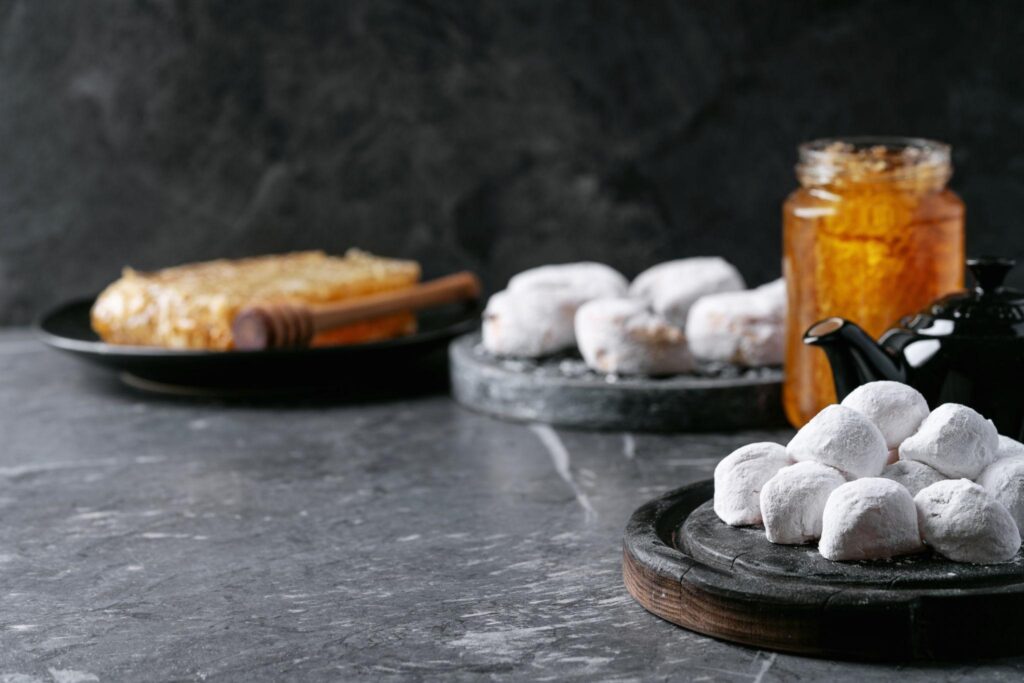
- Loukoumades (locally known as akoumia), drizzled with rich local honey
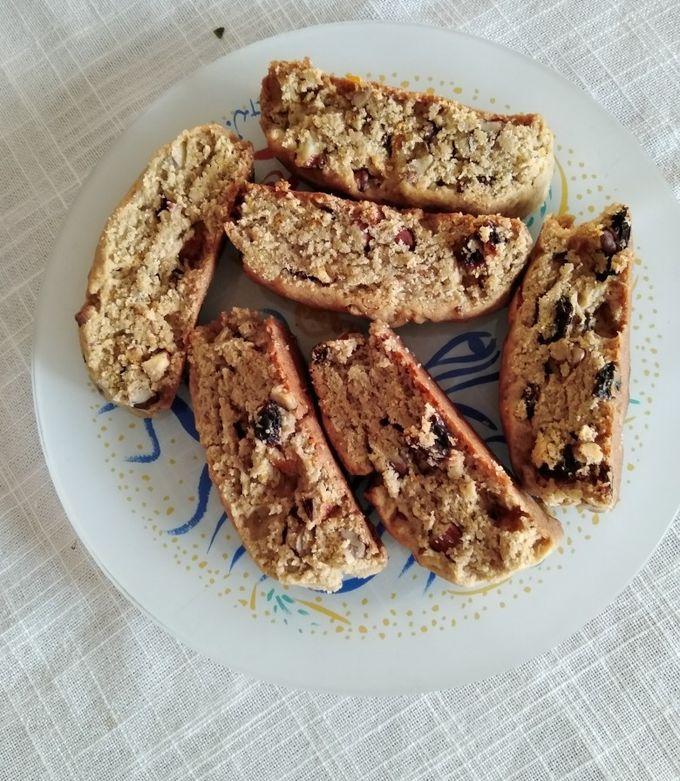
- Paximadi, the traditional hard rusk used across the islands
- Sugar and butter cookies, often homemade and served during celebrations
These desserts reflect the simplicity and warmth of island hospitality.
Culinary identity
Symi’s gastronomy is defined by three key elements:
- Sea-based ingredients – seafood at the heart of daily life
- Traditional recipes – preserved through generations
- Cultural blending – Greek island cooking enriched by Asia Minor influences
Conclusion
Symi’s cuisine may be modest in scale, but it is rich in character. From crispy Symi shrimp to slow-cooked seafood dishes and honey-drenched sweets, the island offers a culinary experience deeply rooted in tradition and the sea. It is a cuisine that reflects both its geography and its history—simple, authentic, and unforgettable.