Chania Food Tours: Venetian Charm & Authentic Cretan Flavours
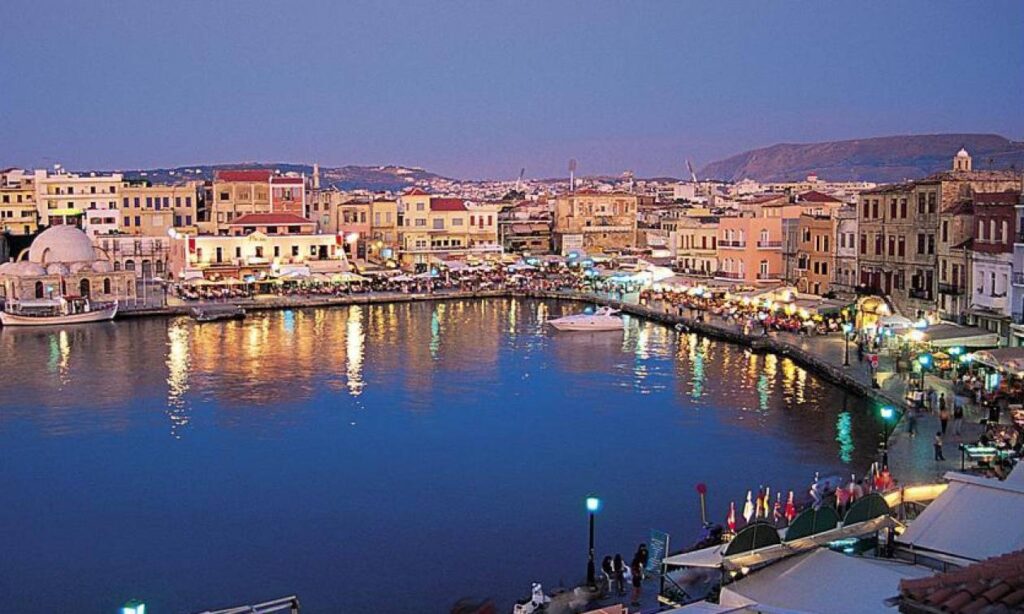
It is one of Greece’s most captivating destinations, where Venetian elegance, Cretan hospitality, and exceptional gastronomy come together beside the sea. Built on the site of ancient Kydonia and shaped by Byzantine, Venetian, Ottoman, and modern Greek influences, Chania is a city where every alleyway, harbour, and market reflects centuries of history and cultural exchange.
Located on the northwestern coast of Crete, in the Region of Chania, it combines stunning architecture, dramatic natural landscapes, and one of the Mediterranean’s richest culinary traditions. On Gastronomy Tours, visitors experience authentic Cretan life through local flavours, traditional recipes, bustling markets, and unforgettable hospitality. From mountain villages and olive groves to seaside tavernas and artisan bakeries, it offers a culinary journey deeply connected to the land and sea.
A Glimpse into the History
The city has been inhabited since Minoan times and was built on the site of the ancient city of Kydonia, one of the most important centres of ancient Crete. Throughout its long history, the city came under Byzantine, Venetian, Ottoman, and Egyptian rule, each leaving a distinct mark on its architecture and identity.
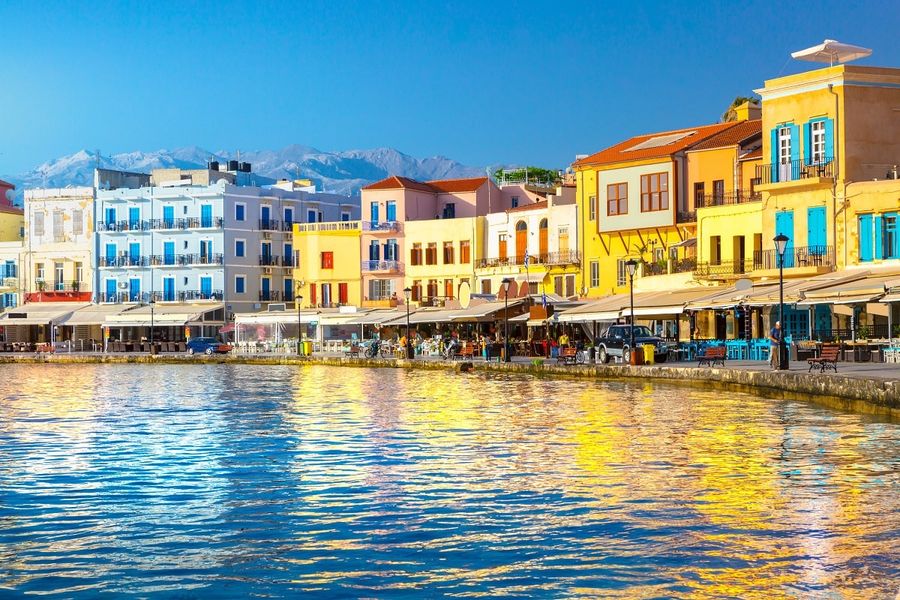
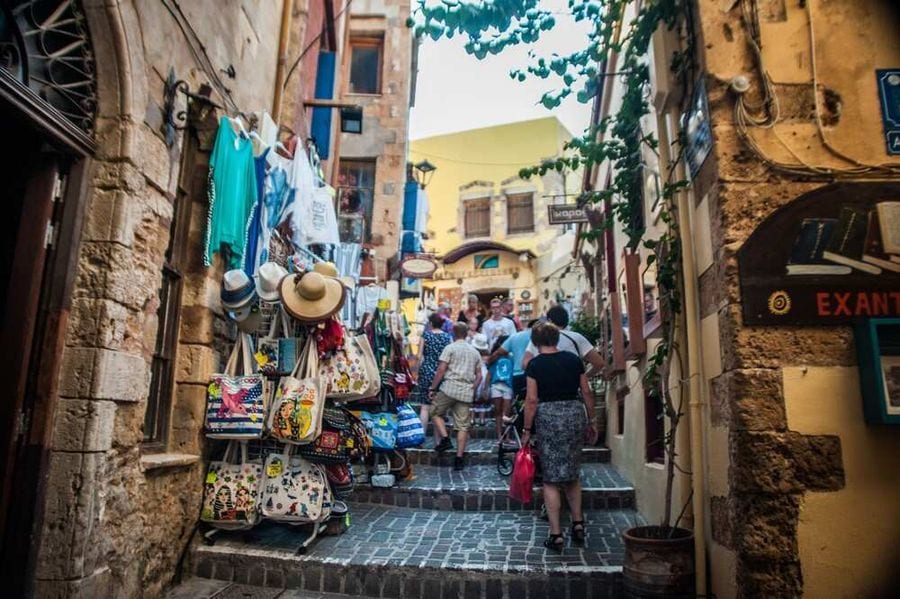
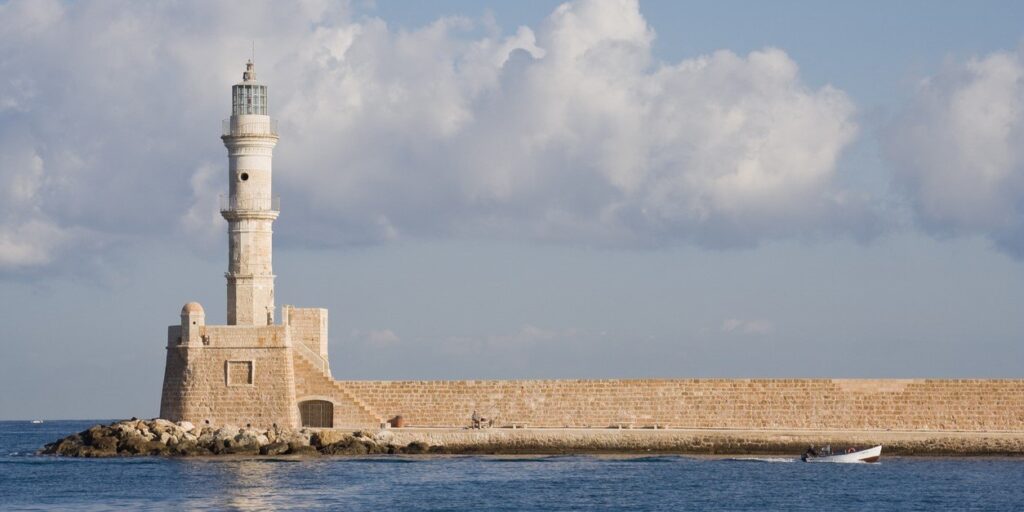
The famous Venetian harbour, historic lighthouse, old arsenals, mosques, churches, and neoclassical mansions create a unique atmosphere where East and West blend harmoniously. Today, it preserves its authentic character while remaining one of Crete’s most vibrant cultural and gastronomic centres.
What Makes Chania Food Tours a Unique Culinary Destination
The Heart of the Cretan Diet
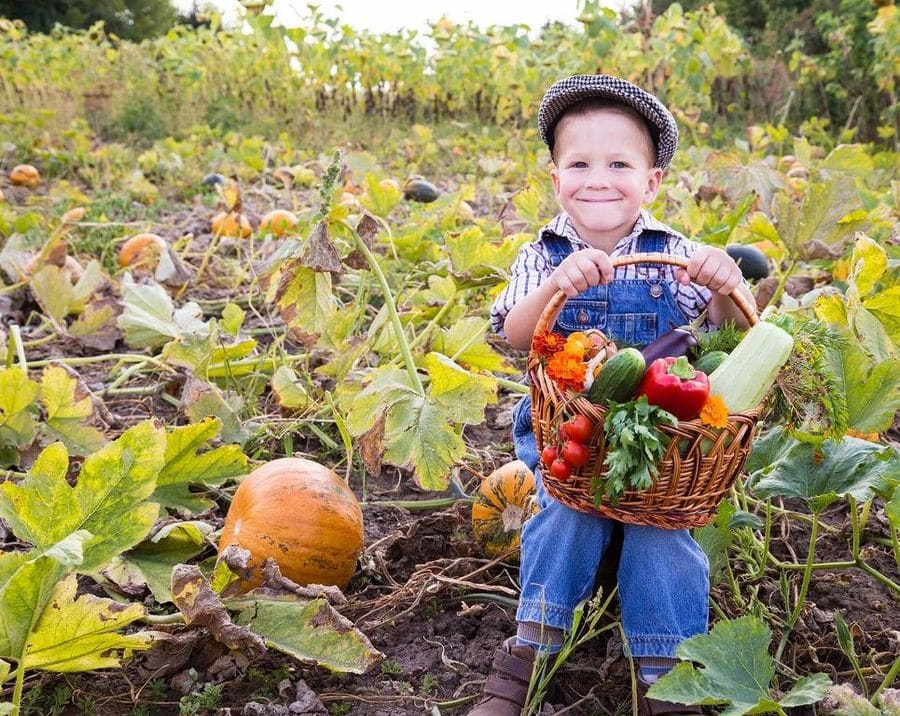
Chania is deeply connected to the world-famous Cretan diet, recognised internationally for its simplicity, freshness, and nutritional value. Local cuisine is based on extra virgin olive oil, seasonal vegetables, legumes, wild herbs, seafood, cheeses, and free-range meat. Meals celebrate natural ingredients and centuries-old traditions.
A City Between Mountains and Sea
Its geography shapes its gastronomy in remarkable ways. Fertile plains surrounding the city produce olive oil, citrus fruits, avocados, wine, and vegetables, while nearby mountains provide aromatic herbs, honey, cheeses, and livestock. The sea also provides abundant fresh fish and seafood, which are central to local culinary culture.
Tradition and Contemporary Creativity
The region successfully combines authenticity with innovation. Traditional recipes remain central to everyday life, while modern chefs reinterpret Cretan cuisine with creativity and respect for local ingredients. This balance has transformed Chania into one of Greece’s leading gastronomic destinations.
The Historic Municipal Market
One of the city’s most important gastronomic landmarks of Chania Food Tours is the historic Municipal Market (Agora), opened in 1913. Located at the edge of the old town, the covered market remains a lively centre of local commerce and culinary tradition.
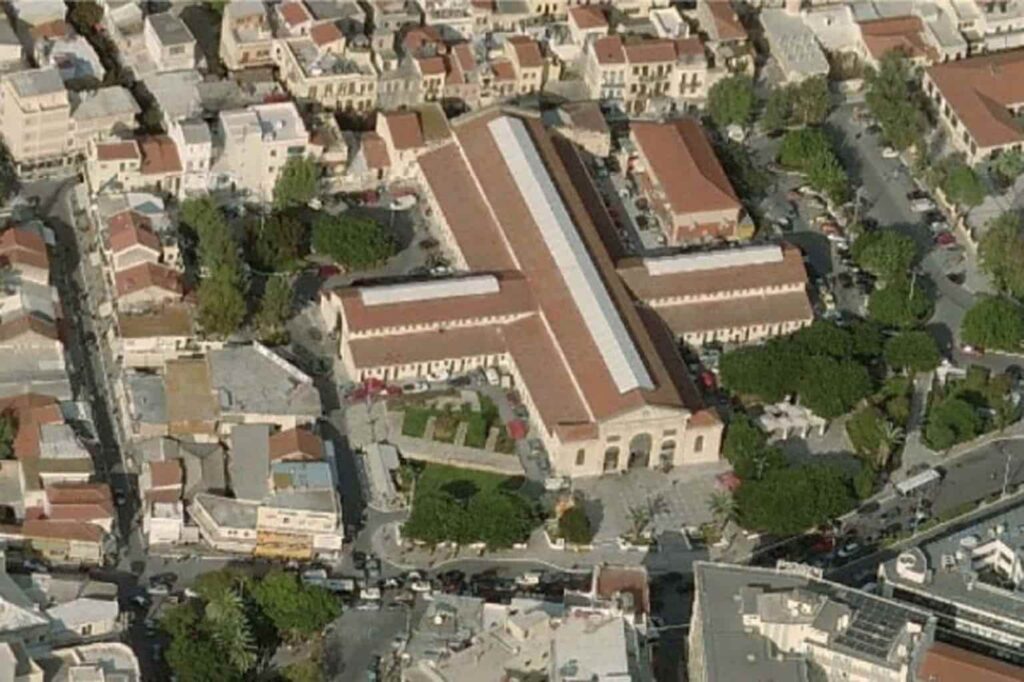
Farmers, fishermen, cheesemakers, bakers, spice merchants, and olive oil producers fill the market with authentic Cretan products. Visitors discover thyme honey, mountain herbs, olives, rusks, local wines, graviera cheese, mizithra, fresh seafood, cured meats, and handmade pastries.
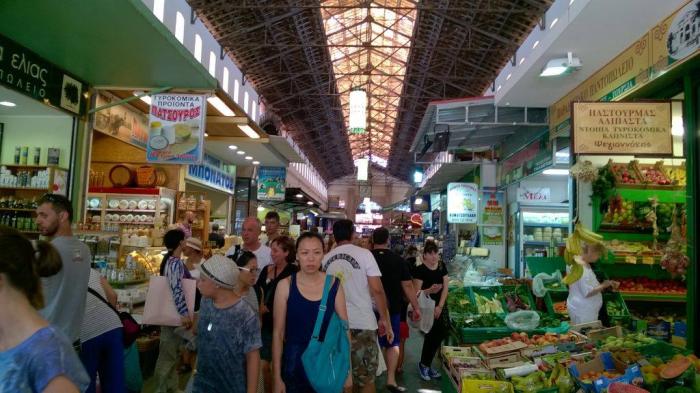
The market offers an authentic introduction to the flavours and aromas of western Crete and remains an essential stop during a gastronomy tour.
Chania Food Tours: Local Highlights & Gastronomic Treasures
Dakos & Tsikoudia
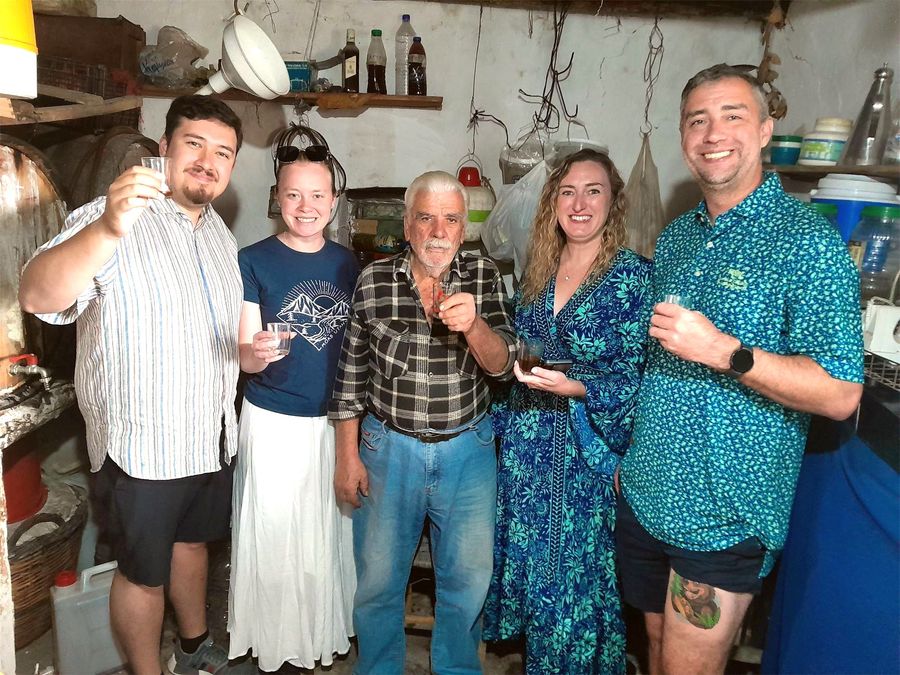
Dakos, one of Crete’s most iconic dishes, combines barley rusks, ripe tomatoes, mizithra cheese, oregano, and exceptional olive oil. It is often enjoyed with tsikoudia (raki), the traditional spirit offered as a symbol of hospitality.
Kalitsounia & Sfakianopita
Traditional pastries play a central role in local cuisine. Kalitsounia are small pies filled with cheese or greens, while sfakianopita is a thin cheese pie served warm with thyme honey. These dishes reflect the island’s deep baking traditions.
Seafood & Harbour Dining
The Venetian harbour and coastal districts are lined with tavernas serving grilled fish, octopus, squid, prawns, and seafood meze. Simplicity, freshness, and high-quality ingredients define the region’s maritime gastronomy.
Tsigariasto & Mountain Cuisine
Western Crete is famous for tsigariasto or tsigarides, a slow-cooked lamb or goat dish prepared with olive oil and herbs. Other local specialities include gamopilafo, antikristo lamb, sausages, and rustic stews inspired by mountain traditions.
Olive Oil, Herbs & Traditional Sweets
Wild greens, aromatic herbs, mushrooms, and exceptional olive oil form the foundation of local cooking. Traditional sweets such as xerotigana, spoon sweets, almond pastries, and honey-based desserts complete the culinary experience.
Chania Food Tours Beyond the Plate
Beyond gastronomy, the region captivates visitors with its extraordinary beauty and cultural richness. The Venetian harbour, Egyptian lighthouse, Ottoman mosques, colourful alleyways, artisan workshops, and historic neighbourhoods create one of the Mediterranean’s most atmospheric cities.
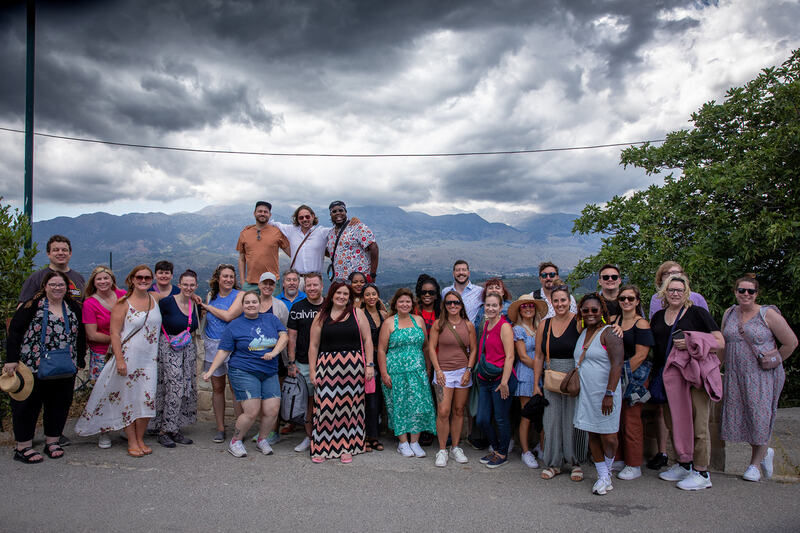
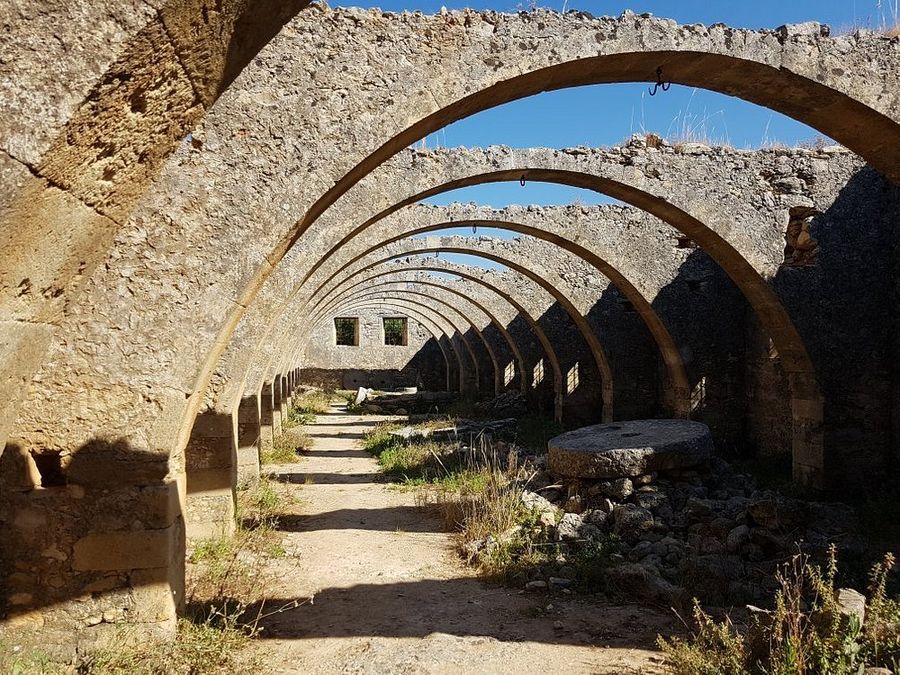
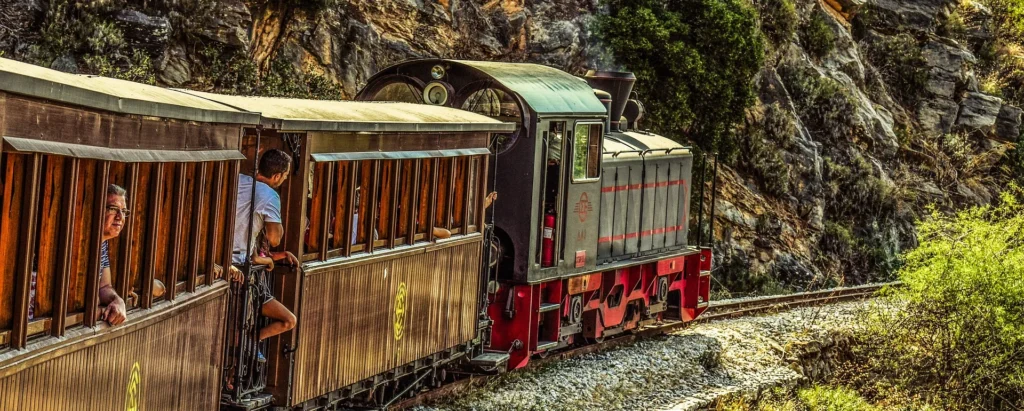
Chania also serves as a gateway to some of Crete’s most spectacular landscapes, including the famous Samaria Gorge, the turquoise lagoon of Balos, and the exotic beaches of Elafonissi. Discover traditional villages, wineries, monasteries, and hiking trails with Chania Food Tours that reveal the authentic rhythms of western Crete beyond the city itself.
Explore Chania Food Tours by Gastronomy Tours
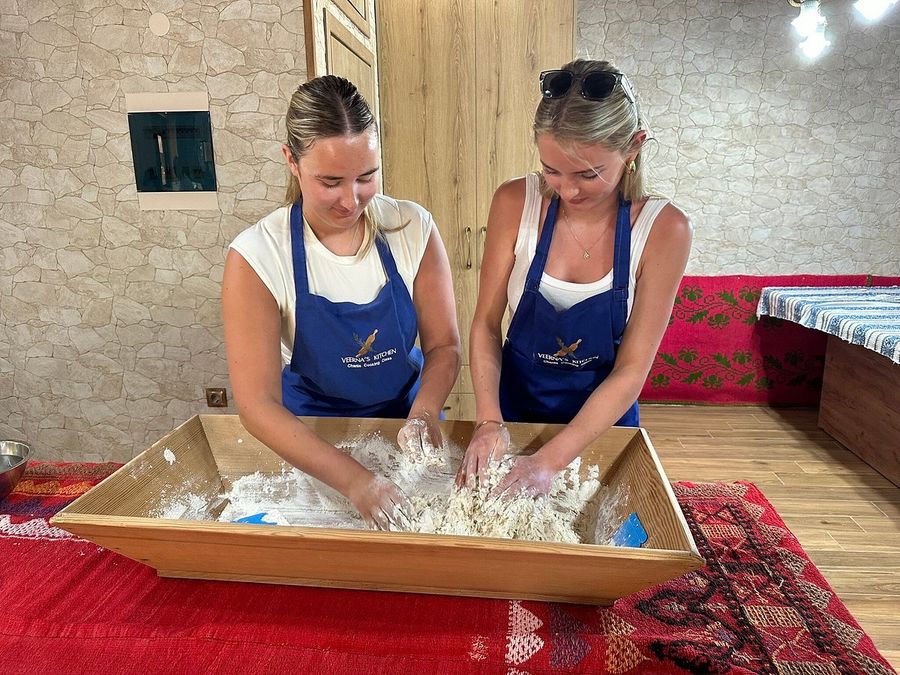
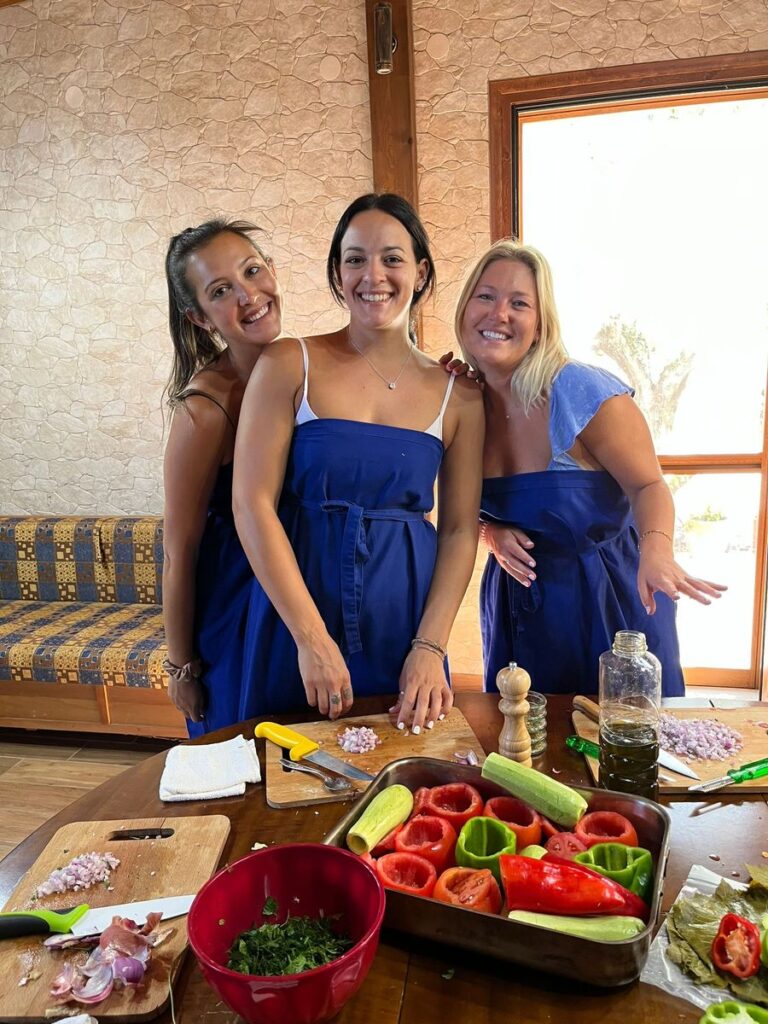
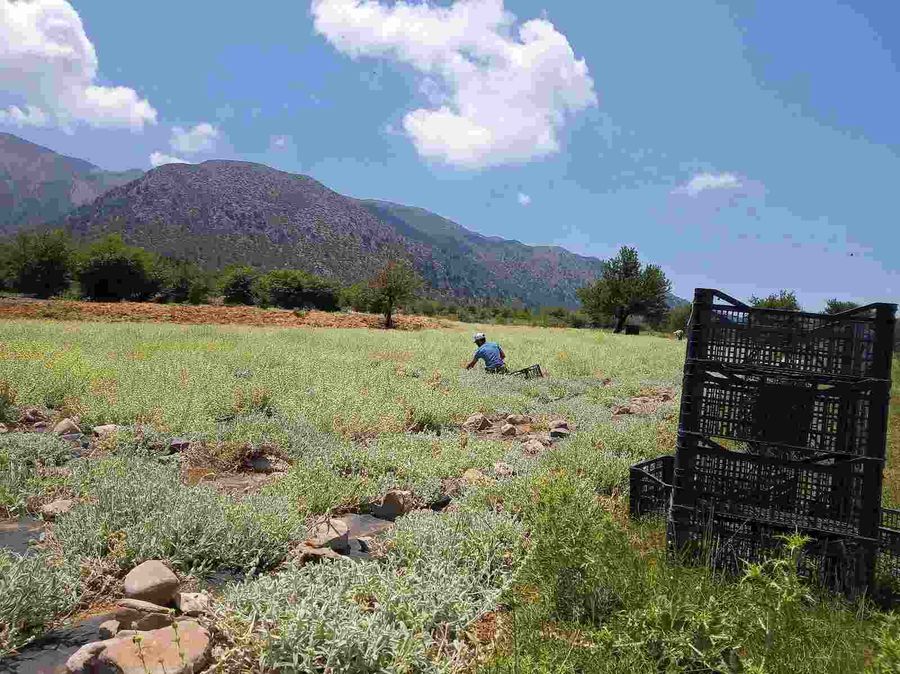
Our Chania Food Tours immerse visitors in the authentic spirit of western Crete. Forage wild herbs, visit local olive oil producers and wineries, discover traditional markets, and learn to prepare authentic Cretan dishes alongside local families.
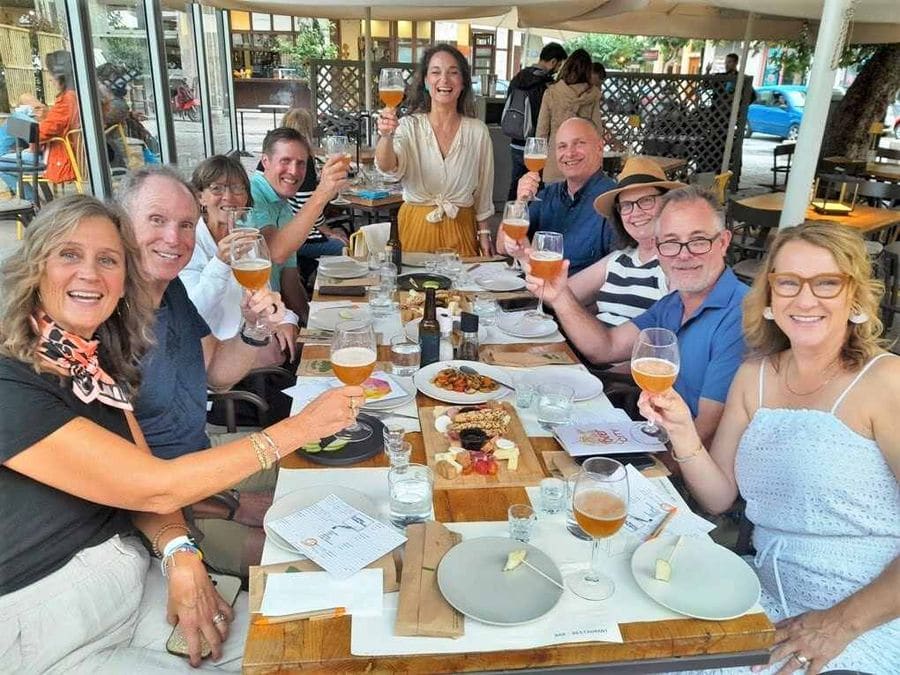
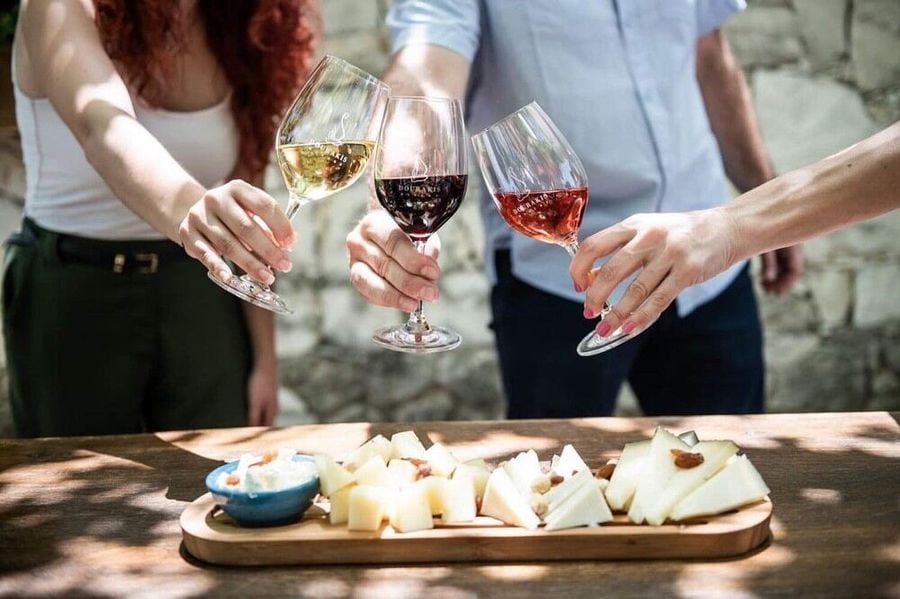
Taste artisanal cheeses, fresh seafood, local wines, and traditional delicacies while exploring hidden culinary corners, historic streets, and vibrant neighbourhoods.
With its rich history, breathtaking landscapes, exceptional gastronomy, and legendary hospitality, Chania Food Tours offer an unforgettable journey where every flavour tells the story of Crete’s enduring soul.