A Land of Myths, Vines, and Timeless Beauty
Located in the northeastern Peloponnese, this region is steeped in history, mythology, and viticulture. Known as the “Land of Hercules” and home to some of Greece’s finest wines, it is a destination that combines rich cultural heritage with breathtaking landscapes.
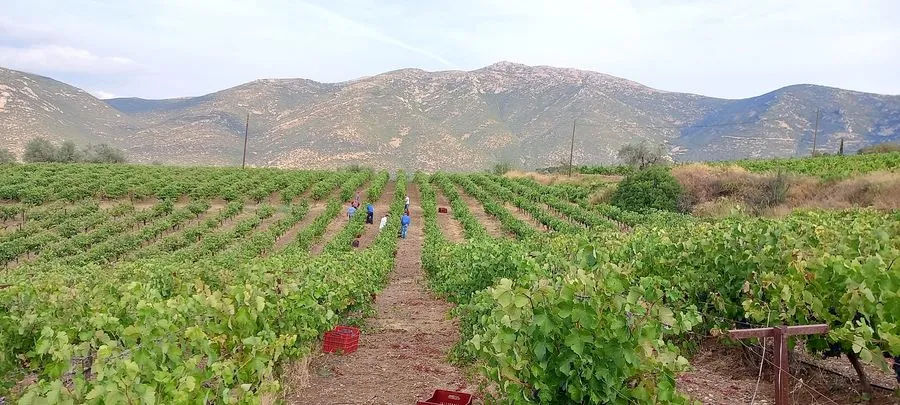
The region has been known for its wines from ancient times. The broader region is one of Greece’s largest vinicultural zones, producing the well-known Protected Designation of Origin PDO Nemea wines from the Agiorgitiko grape variety. In the same wine region, the famous black Corinthian raisins also grow, with 90% exported to Europe, Canada, and the USA.
This wine region, often called the “Bordeaux of Greece,” is one of the country’s most celebrated. Situated in the northeastern Peloponnese, it is renowned for producing exceptional wines, made from the indigenous Agiorgitiko grape. With its ideal terroir, winemaking tradition dating back to antiquity, and modern innovations, it has firmly established itself as a cornerstone of Greek viticulture.
The star of the vineyards is the Agiorgitiko grape, meaning “St. George’s grape.” This versatile red grape has been cultivated in the region for many years, with its name linked to St. George’s Church. The Church of Saint George is one of the most important religious landmarks, closely connected with the town’s history and identity. Located at the heart of the community, the Church of Saint George of Nemea has long served as a spiritual and social centre for local residents.
Until 1923, the town itself was officially named “Agios Georgios,” reflecting the strong devotion of the population to the saint. Although the ancient name Nemea was later restored, Saint George remains a central symbol of local tradition and faith.
Today, the church continues to play an important role in community life, especially during the annual spring feast of Saint George, when religious celebrations and local gatherings bring together residents and visitors, preserving a living link among history, culture, and religious heritage.
- Characteristics of Agiorgitiko
This Grape variety is known for its deep ruby colour, rich red-fruit aromas (such as cherry, raspberry, and plum), and balanced tannins. It can produce a wide range of wines, from light rosés to robust reds suitable for ageing. - Flavour Profile:
Wines made from Agiorgitiko are often medium- to full-bodied, with a velvety texture, moderate acidity, and flavours that include blackcurrant, spices, and hints of vanilla when aged in oak.
Nemea is a Protected Designation of Origin (PDO) region, one of Greece’s most prestigious wine zones. The PDO designation is exclusively for red wines made from 100% Agiorgitiko grapes.
- Terroir:
- The vineyards range from 200 to 850 meters above sea level, providing diverse microclimates.
- The region’s soil is predominantly clay and limestone, contributing to the complexity and minerality of the wines.
- The warm Mediterranean climate, tempered by cooling breezes from the Corinthian Gulf, ensures ideal ripening conditions for grapes.
- Zones:
Vineyards are categorised into three zones based on altitude, each imparting distinct characteristics to the wines:- Low-altitude vineyards (200–400m): Produce full-bodied, fruit-forward wines.
- Mid-altitude vineyards (400–650m): Yield well-balanced wines with enhanced acidity and aromatic complexity.
- High-altitude vineyards (650–850m): Known for elegant wines with bright acidity and refined structure.
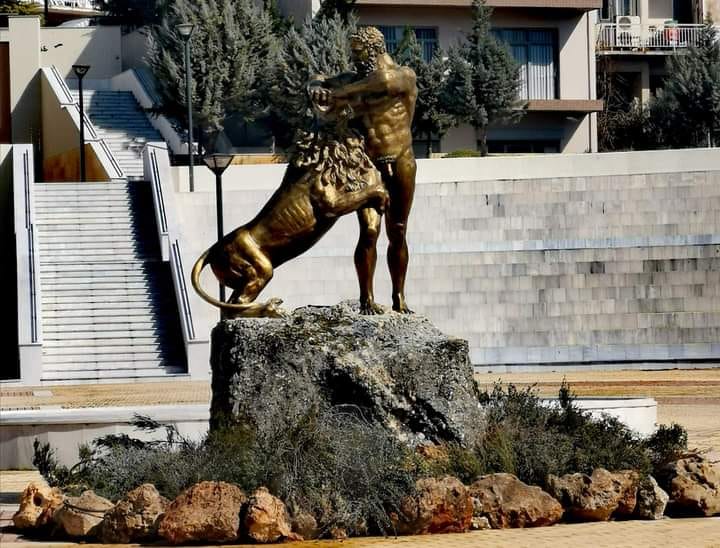
According to mythology, Hercules accomplished the first of his ten Labours by killing the Nemean Lion.
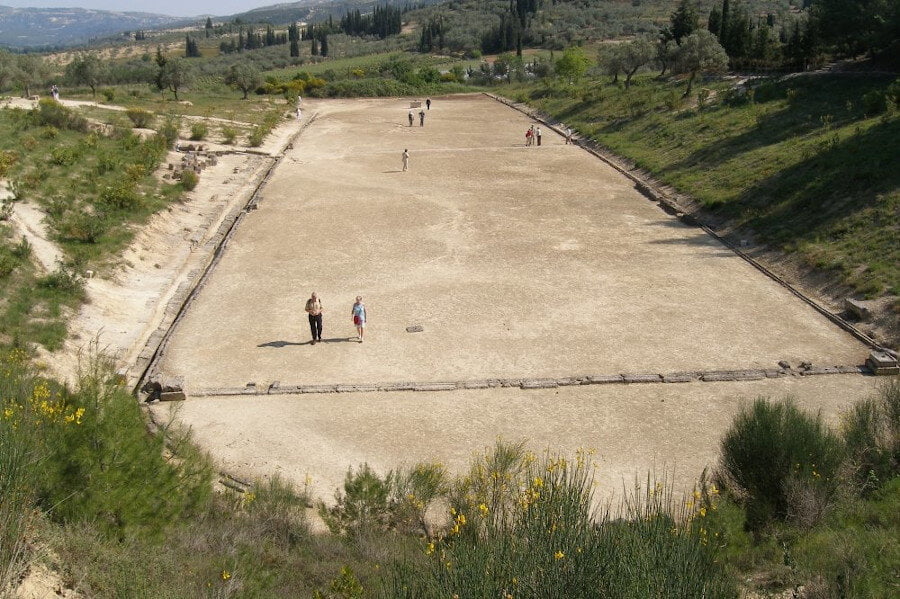
In 576 BCE, the renowned sanctuary of Zeus stood near today’s site of ancient Nemea. The temple’s surroundings included guesthouses, a bath, and a stadium where games were held biannually starting in 573 BCE. During athletic competitions, a holy truce was declared to prohibit military conflict among the Greek cities, including Olympia.
In Byzantine times, the region was frequently attacked by Slavs and Bulgarians, hindering their further advance. The Romans initially conquered Nemea and, afterwards, by the Turks. It was liberated in 1822 when the last Turkish troops withdrew.
Landmarks
Archaeological Sites:
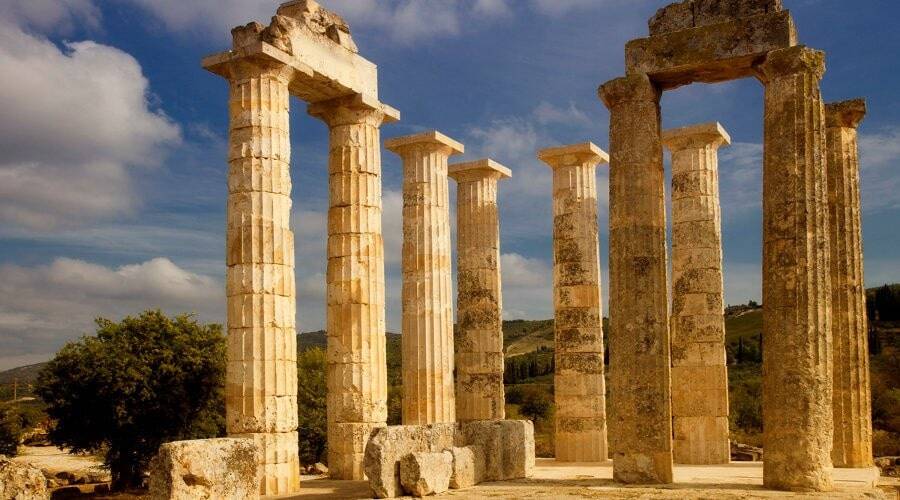
- Temple of Zeus: An impressive Doric temple that was the focal point of worship in ancient times.
- Stadium: One of the best-preserved ancient stadiums, complete with a vaulted tunnel used by athletes.
- Archaeological Museum: Displays artefacts from the region, including items related to the Nemean Games.
- The Vineyards:
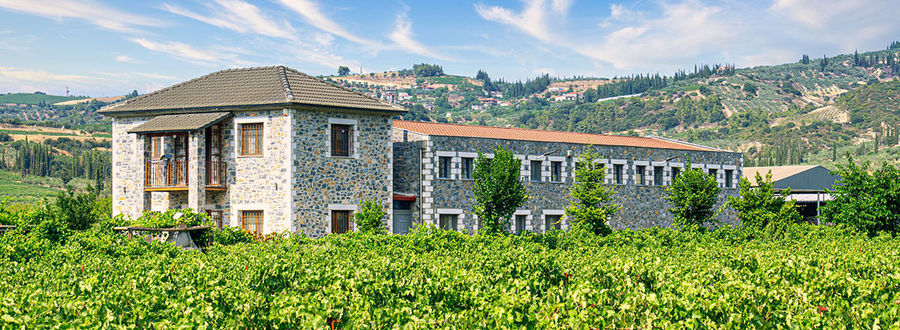
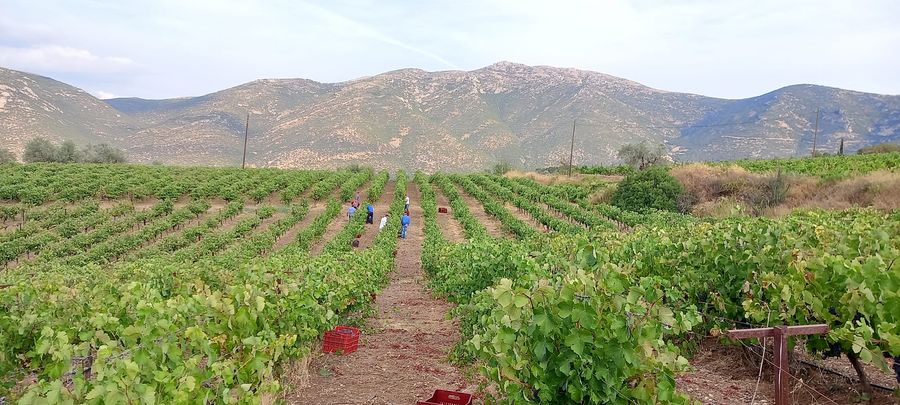
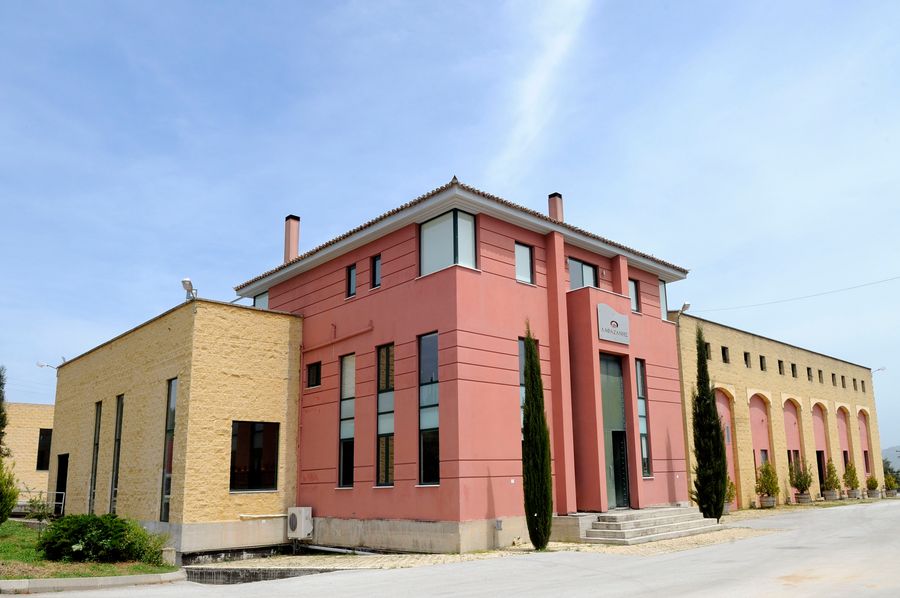
- Stretching across rolling hills, the vineyards are the heart of the region’s winemaking tradition. Wine tours and tastings are popular activities here.
- The Nemean Lion’s Cave:
- A legendary site believed to be the lair of the Lion. Surrounded by rugged landscapes, it is ideal for hiking enthusiasts.
- St. George’s Monastery:
- A serene Byzantine-era monastery nestled in the hills, offering panoramic views of the surrounding countryside.
Local Products
Wine:
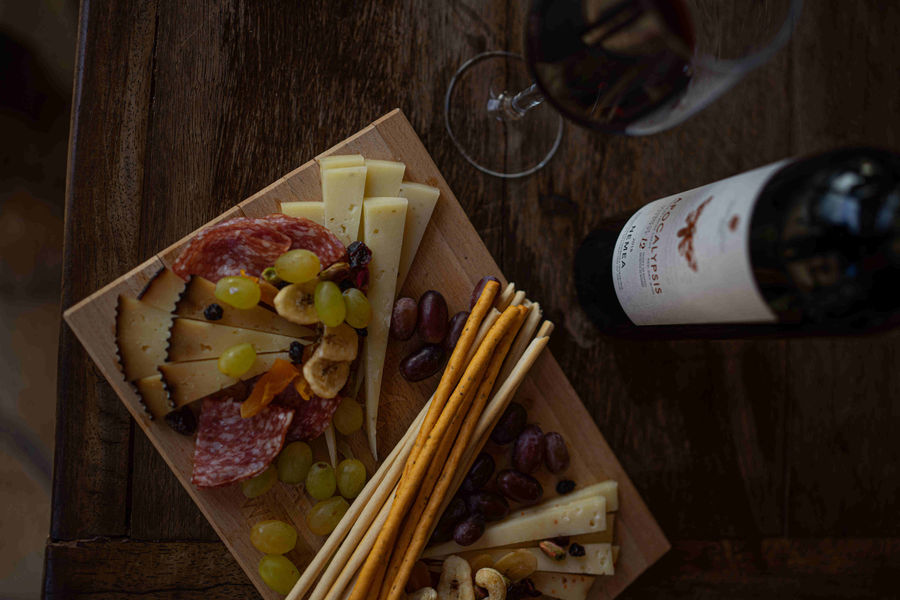
- The Agiorgitiko grape produces renowned PDO wines, often called the “Blood of Hercules.” This red wine is celebrated for its rich, velvety flavour.
- White wines and rosés are also produced, but not as PDO.
- Olive Oil:
- Extra virgin olive oil is known for its aromatic and fruity character.
- Honey:
- Thyme and wildflower honey are prized local products.
- Petimezi:
- Traditional grape molasses is used as a natural sweetener in cooking and baking.
- Herbs and Spices:
- Oregano, thyme, and rosemary from the hillsides are commonly used in local cuisine.
Local Dishes
The local cuisine is a reflection of its agricultural abundance and traditional recipes:
- Roasted Lamb with Oregano:
- It is a classic dish seasoned with local herbs and often served with potatoes roasted in olive oil.
- Stuffed Vine Leaves (Dolmades):
- Vine leaves from the region’s vineyards are stuffed with rice, herbs, and sometimes minced meat.
- Kokkinisto:
- A slow-cooked beef or lamb stew in a rich tomato-and-red-wine sauce, often served with pasta or mashed potatoes.
- Trachanas Soup:
- It’s a warming, hearty dish with fermented cracked wheat and milk.
- Traditional Pies (Pites):
- Savoury pies with spinach, cheese, or wild greens are wrapped in homemade filo dough.
- Moustopita:
- A sweet pie made with petimezi (grape molasses), flour, and spices.
For dessert, visitors can enjoy loukoumades (fried dough balls with honey and cinnamon) or walnut cake paired with a glass of sweet Nemean wine.
This is a destination where ancient myths and modern traditions converge. From the legacy of Hercules to the vineyards that produce some of Greece’s finest wines, it offers a rich tapestry of experiences. Visitors can explore ancient ruins, savour local flavours, and immerse themselves in the timeless charm of this historic region. Whether you’re a history enthusiast, a wine connoisseur, or simply seeking the beauty of rural Greece, Α treasure waiting to be discovered.