
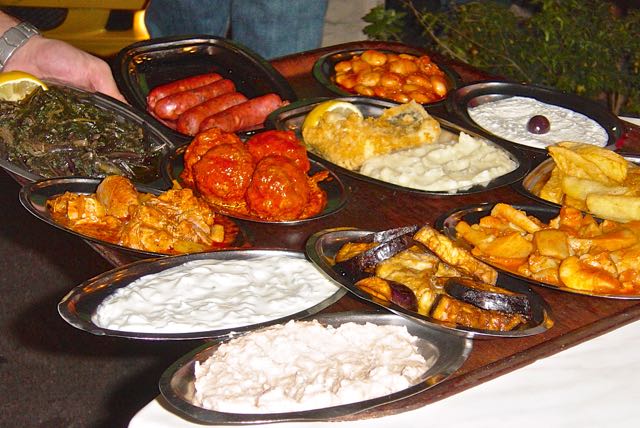
Traditional Greek food tours offer one of the most immersive ways to discover Greece’s culinary soul—and nowhere is this more evident than in Greek meze. These small, shareable dishes are not just appetisers; they reflect Greek culture, hospitality, and the art of slowing down to enjoy food and company.
Every Greek table tells a story shaped by mountains, sea, and sun. Meze draws on local produce, seasonal ingredients, and recipes passed down through generations. From island tavernas to mountain villages, these dishes connect people to place, tradition, and community.
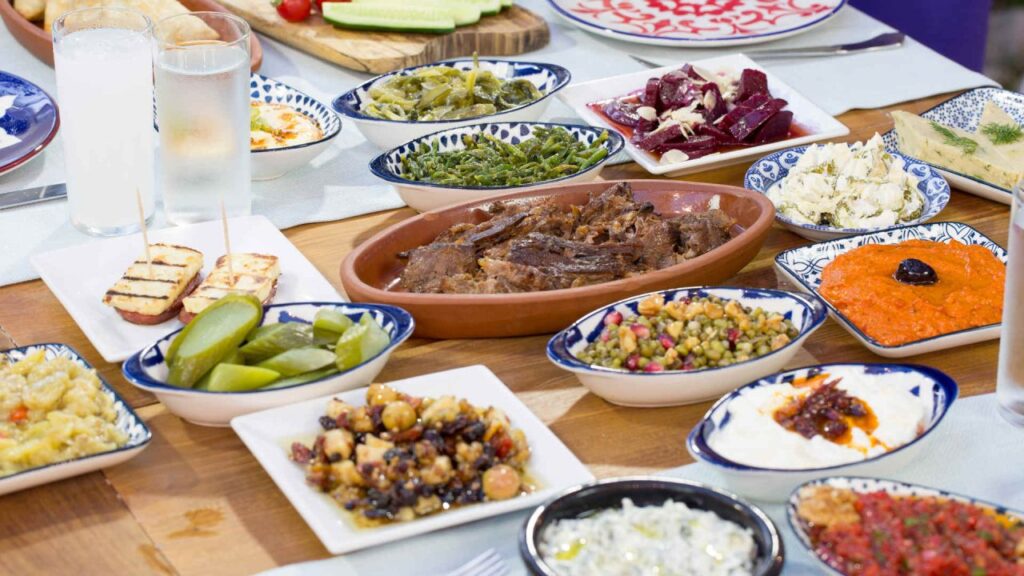
For travellers seeking authentic gastronomic experiences Greece, joining Traditional Greek food tours in Athens or other regions offers a front-row seat to this rich gastronomic heritage. Each bite reveals regional flavours, family recipes, and centuries of culinary history.
What Is Greek Meze?
The word meze refers to small plates served before or alongside a meal, often shared among friends and family. Similar to Spanish tapas or Middle Eastern mezze, Greek meze emphasises communal dining and leisurely enjoyment.
Meze is not about eating quickly—it is about lingering. Plates arrive gradually, conversations deepen, and the table evolves over hours. Drinks flow, laughter fills the air, and food becomes the centrepiece of social connection.
On Traditional Greek food tours, meze tastings often form the backbone of the gastronomic experiences in Greece, allowing travellers to explore multiple flavours in one sitting.
The Social Soul of Greek Dining
In Greece, meals are communal rituals. The concept of parea—the joy of good company—defines the dining experience. A table filled with mezedes invites sharing, storytelling, and connection.
Friends gather, plates are passed around, and glasses are raised with the familiar toast, “Yamas!” There is no rush, no strict structure—only generosity and abundance.
This philosophy makes Greek meze culture one of the most authentic expressions of Mediterranean hospitality.
Essential Meze Dishes Across Greece
1. Olives and Olive Oil
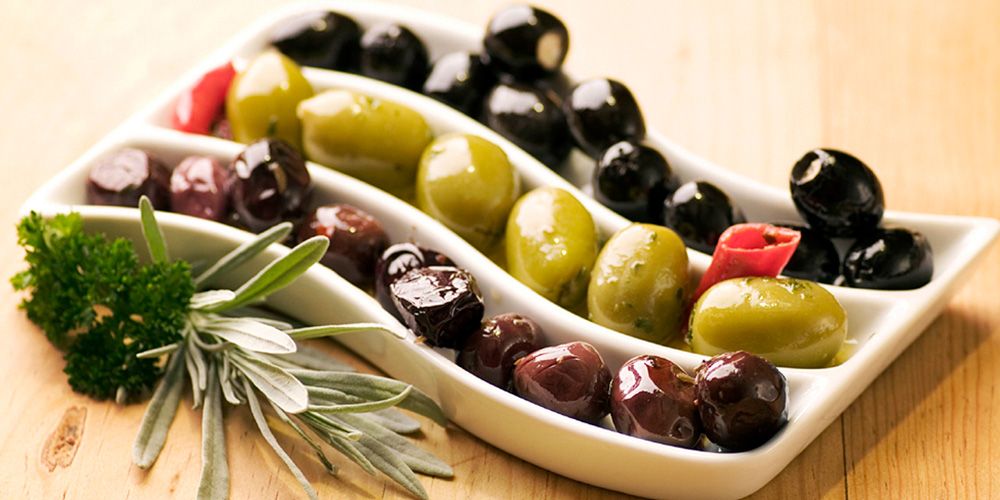
Every meze table begins with olives. Greece produces hundreds of varieties, including wrinkled black Throubes, green Amfissa olives, and world-famous Kalamata olives. They are often drizzled with extra-virgin olive oil and sprinkled with oregano.
Bread or barley rusks (paximadia) accompany olives, making them ideal for dipping and sharing.
2. Greek Dips and Spreads
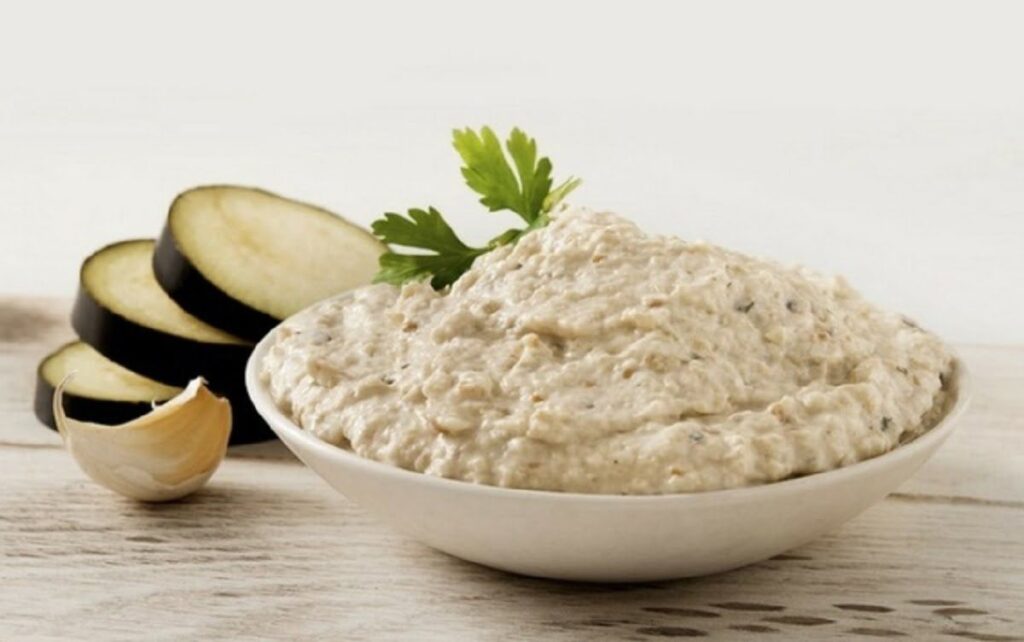
No meze spread is complete without a selection of dips, each highlighting Greece’s love for fresh, simple ingredients:
- Tzatziki – creamy Greek yoghurt with cucumber, garlic, and dill
- Melitzanosalata – smoky roasted eggplant with olive oil and lemon
- Tirokafteri – spicy feta dip with chilli
- Taramosalata – fish roe blended with bread and olive oil
- Fava Santorini – yellow split pea purée topped with capers and onions
These dips are often served with warm pita bread or fresh vegetables and are staples on Traditional Greek food tours in Athens.
3. Greek Cheeses
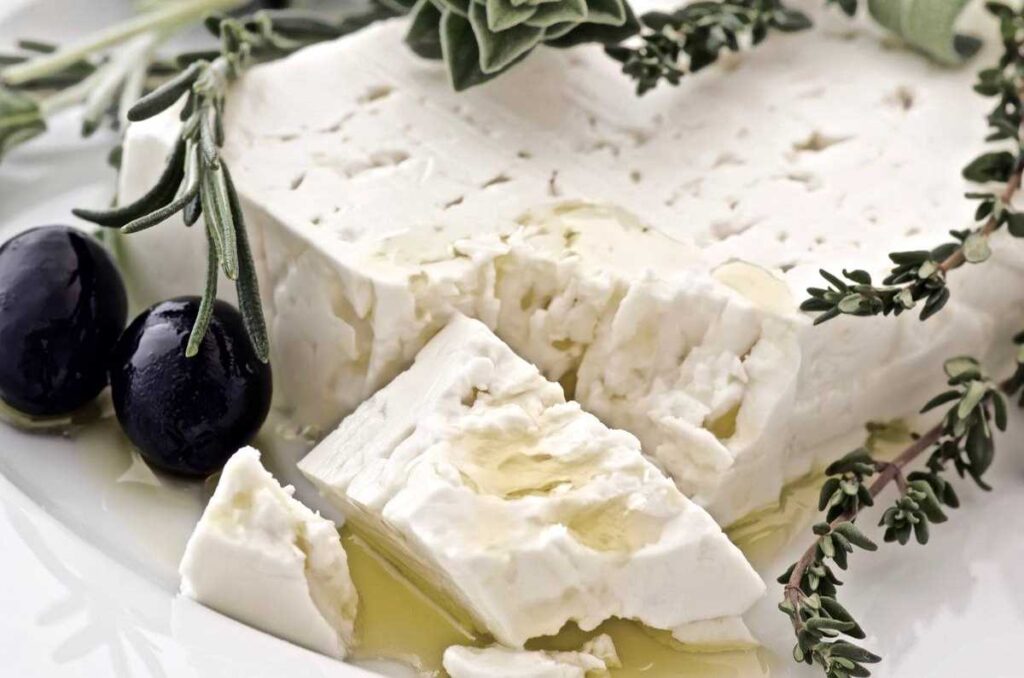
Cheese is a cornerstone of Greek cuisine, with each region offering unique varieties:
- Graviera – sweet and nutty, from Crete or Naxos
- Kefalotyri – firm and salty, perfect for frying
- Feta – iconic white cheese made from sheep or goat milk
- Mizithra – soft, tangy cheese used fresh or aged
Cheese is typically paired with tomatoes, olive oil, herbs, and cured meats, creating a simple yet flavourful meze plate.
4. The Sea on a Plate
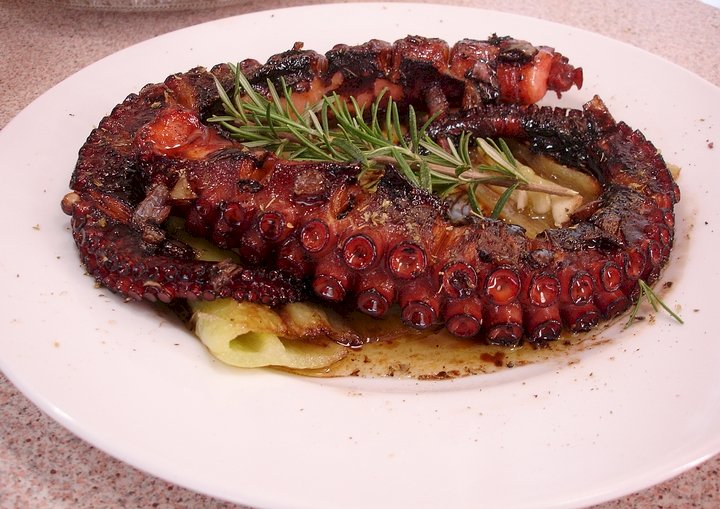
Surrounded by the Aegean and Ionian seas, Greece offers abundant seafood meze:
- Grilled octopus with lemon and oregano
- Fried calamari
- Marinated anchovies or sardines
- Gavros tiganitos (crispy fried small fish)
Coastal tavernas specialise in seafood meze, often paired with ouzo or tsipouro. These dishes are highlights on Traditional Greek food tours, especially in island destinations.
5. Meaty Bites
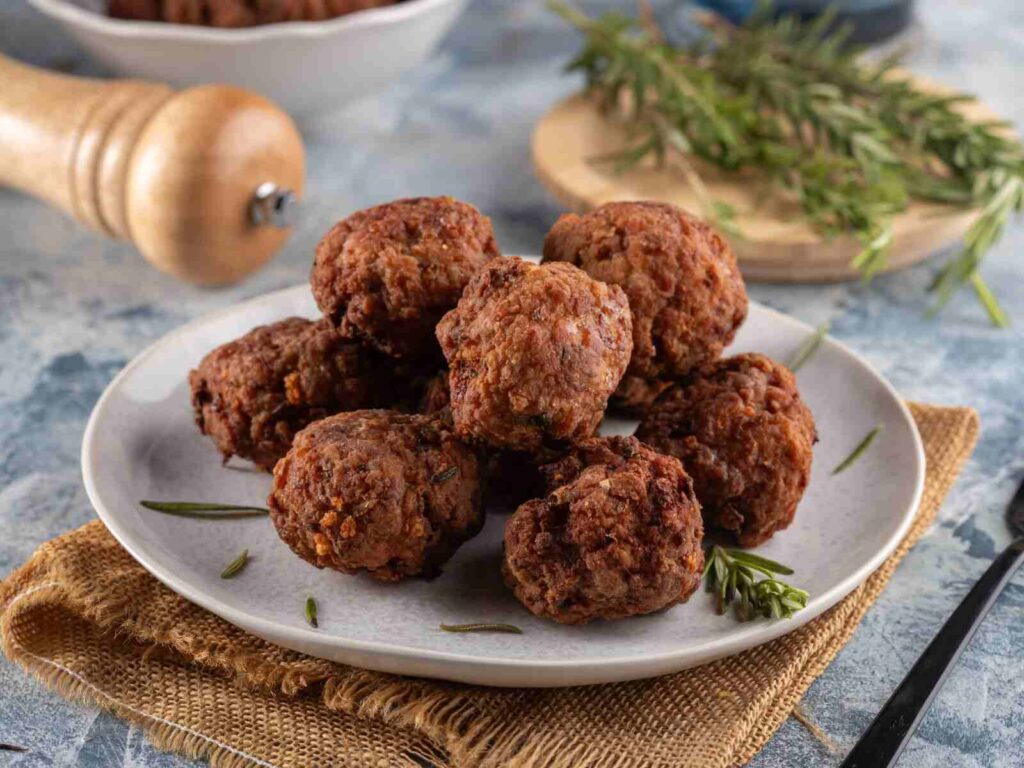
Meat-based meze dishes are small but packed with flavour:
- Keftedakia – Greek meatballs with herbs and mint
- Soutzoukakia – spiced meatballs in tomato and cinnamon sauce
- Loukaniko – citrus- and herb-flavoured Greek sausage
- Paidakia – grilled lamb chops served with lemon
These dishes balance rich flavours with fresh salads and tangy dips.
6. Vegetarian Meze
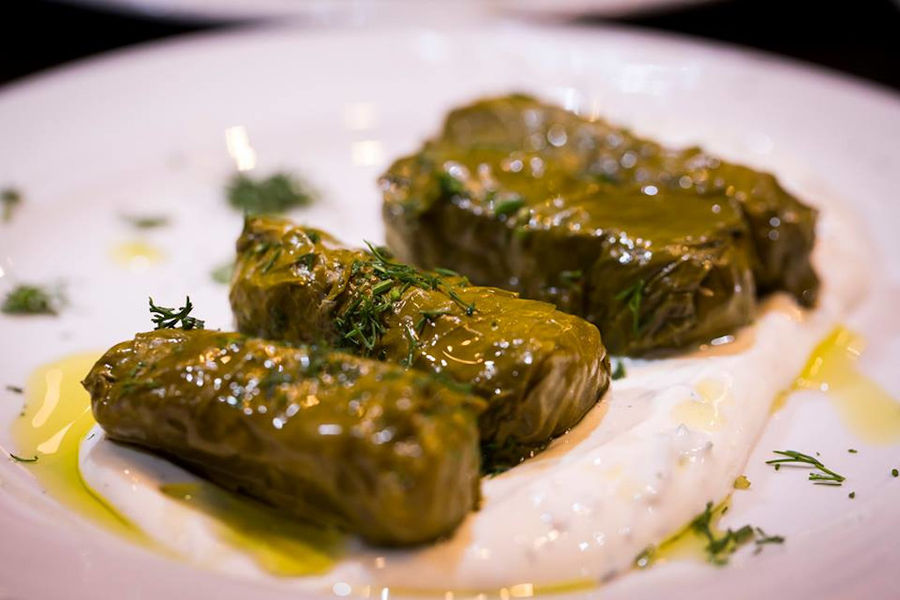
Greek meze is a paradise for vegetarians, showcasing legumes, vegetables, and herbs:
- Dolmadakia – vine leaves stuffed with rice and herbs
- Gigantes Plaki – baked giant beans in tomato sauce
- Kolokithokeftedes – zucchini fritters with mint and feta
- Spanakopita – spinach and feta pie wrapped in filo pastry
- Florina peppers stuffed with cheese or breadcrumbs
These dishes reflect the Mediterranean balance between indulgence and nutrition, making them popular on Traditional Greek food tours.
7. Bread, Rusks, and Pita
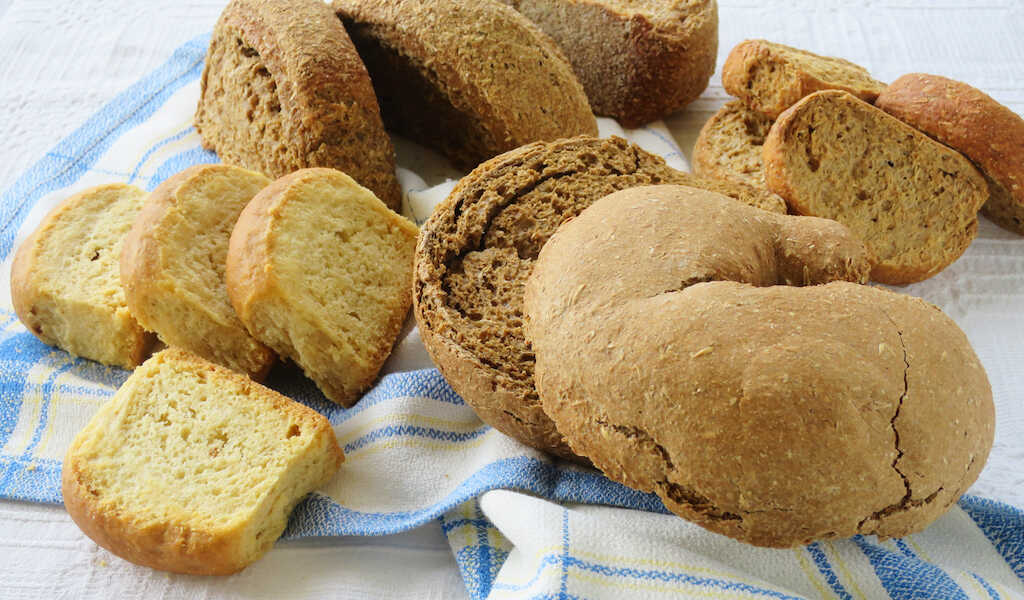
Bread is an essential part of meze culture. In Crete, dakos—barley rusks topped with tomatoes, feta, and olive oil—is a beloved small plate.
Warm pita and village bread keep everyone sharing, dipping, and reaching across the table, reinforcing the communal nature of Greek dining.
Meze and Traditional Greek Food Tours
Meze is often the centrepiece of Traditional Greek food tours, especially in Athens, where travellers explore local markets, tavernas, and mezedopolia. These tours provide insight into regional ingredients, cooking techniques, and cultural traditions for a complete gastronomic experiences Greece
Visitors learn how Greek families prepare meze at home and how chefs reinterpret classic recipes in modern settings. Many tours include tastings of olive oil, cheeses, wines, and desserts, offering a comprehensive introduction to Greek gastronomy.
For a deeper hands-on experience, travellers can also join traditional Greek cooking classes, where they learn to prepare meze dishes from scratch, from rolling dolmadakia to mastering tzatziki and spanakopita.
Drinks That Define the Meze Experience
Meze and drinks are inseparable in Greek culture. Each beverage complements specific flavours:
- Ouzo – anise-flavoured spirit, ideal with seafood and salty bites
- Tsipouro – grape pomace spirit, often served with meat and cheese
- Raki (tsikoudia) – strong Cretan brandy
- Local wines – crisp whites like Assyrtiko and light reds from Nemea
- Beer and retsina – refreshing with fried or spicy dishes
In many tavernas, drinks are not served without food, underscoring the importance of flavour pairing.
Regional Meze Traditions Across Greece
Greece’s diverse geography creates remarkable regional variations in meze:
Crete
Cretan meze celebrates simplicity—olives, rusks, graviera cheese, and wild greens drizzled with olive oil and lemon.
Macedonia
Hearty flavours dominate, including spicy sausages, grilled peppers, and bean dishes influenced by Balkan traditions.
Cyclades Islands
Seafood, capers, sun-dried tomatoes, and fresh herbs reflect island life.
Epirus
Mountain villages offer pies, mushrooms, and cured meats, showcasing rustic, earthy flavours.
Dodecanese
Turkish and Middle Eastern influences appear in yoghurt dips, spices, and dishes like soutzoukakia.
Each region tells a story through its meze, making Traditional Greek food tours a journey through geography and history.
The Art of Sharing Meze
There is no formal structure to meze dining. Plates arrive as they are ready, filling the table with colour and abundance. Everyone shares, often using bread to scoop dips or tasting directly from communal plates.
Unlike a formal multi-course meal, meze is spontaneous and social. It encourages conversation, laughter, and lingering, sometimes lasting for hours.
As a Greek saying goes:
“When you eat alone, you eat half. When you eat with friends, you eat double.”
From Ancient Symposia to Modern Taverns
Meze has ancient roots. In classical Greece, symposia featured small dishes paired with wine and philosophical discussion. The Byzantine era introduced exotic spices and sweets, while Ottoman influences shaped the concept of shared small plates across the Mediterranean.
Today, meze culture thrives in traditional tavernas and modern mezedopolia, where chefs reinvent classic recipes with contemporary flair. Whether in a bustling Athenian neighbourhood or a quiet island village, the meze table remains a symbol of Greek hospitality.
Why Meze Is the Heart of Traditional Greek Food Tours
Meze is more than a collection of dishes—it is a philosophy of eating and living. It reflects Greece’s values of generosity, community, and appreciation for simple pleasures.
For travellers, Traditional Greek food tours centred on meze offer an unforgettable way to experience Greece’s culinary heritage. From market visits and taverna tastings to hands-on traditional Greek cooking classes, these experiences connect visitors with local culture through flavour.
A Toast to Meze—and to Life
Greek meze invites you to slow down, share, and savour. It is a celebration of land and sea, family and friends, tradition and innovation.
So next time you visit Greece, skip the single main course. Order a few small plates, pour a glass of ouzo, and join the rhythm of conversation and laughter.
Because in Greece, the best meals are not about how much you eat—they are about who you share them with.
Yamas! To small plates, big flavours, and the endless joy of Greek meze.