Exploring the Beauty, Faith and Traditions of Corfu
The people of Corfu are known for their deep religious devotion, and their most important celebrations honour Christ, the Virgin Mary, the Holy Spirit, and the island’s patron saint, Saint Spyridon.
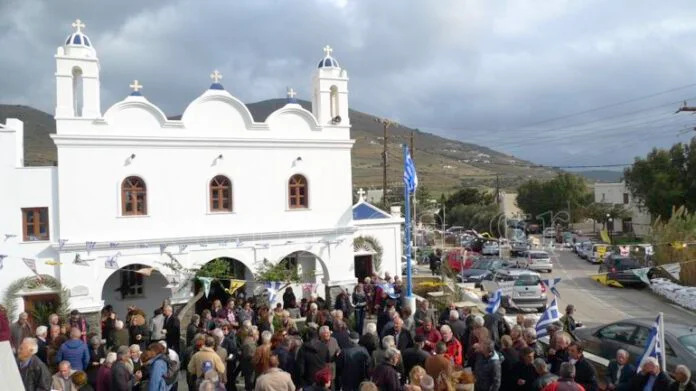
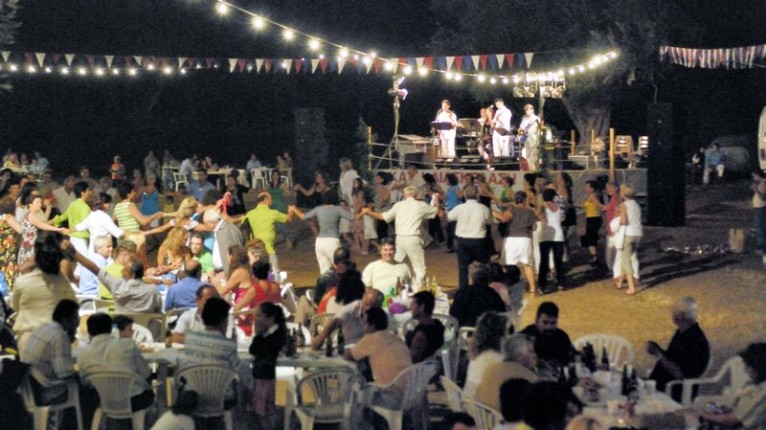
The festivities begin on August 6 with the Festival of the Transfiguration of the Saviour in Corfu. Traditional dancing to the sound of violins continues late into the night, while churches provide abundant bread for all. A particularly notable celebration in honour of the Virgin Mary is held at the Church of Platytera.
The people of Corfu are renowned for their deep religious faith, rich cultural heritage and devotion to the traditions of the Greek Orthodox Church. Throughout the year, religious celebrations bring together local communities, families and visitors, transforming the island’s villages and historic churches into lively centres of worship, music and fellowship.
Many of Corfu’s most important festivities honour Jesus Christ, the Virgin Mary, the Holy Spirit and the island’s beloved patron saint, Saint Spyridon. August is particularly significant, as it combines important religious feast days with traditional village festivals, known in Greek as panigyria.
These celebrations offer visitors a wonderful opportunity to discover a different side of Corfu: one that goes beyond its beautiful beaches, picturesque landscapes and Venetian architecture, revealing the island’s spiritual identity and enduring customs.
The celebrations begin on August 6 with the Feast of the Transfiguration of the Saviour, one of the important feast days of the Orthodox Christian calendar.
August 6 – The Festival of the Transfiguration in Corfu
The Festival of the Transfiguration in Corfu, celebrated every year on August 6, commemorates the biblical event in which Jesus Christ revealed His divine glory to three of His disciples – Peter, James and John – on Mount Tabor.
According to the Gospel accounts, Christ’s appearance was transformed, His face shone like the sun, and His garments became dazzling white. The prophets Moses and Elijah appeared beside Him, and the voice of God the Father was heard from a bright cloud, declaring Jesus His beloved Son.
For Orthodox Christians, the Transfiguration reveals Christ’s divine nature and promises spiritual transformation. It celebrates light, faith, and the hope of salvation.
On Corfu, the feast is celebrated in several villages and religious sites, including Pontikonisi, Perivoli, Strinyla, Paliochori, Spartilas and Agios Matthaios. Celebrations are also recorded in Kampiello, in Corfu Town, and other communities.
Pontikonisi – A Particularly Special Celebration
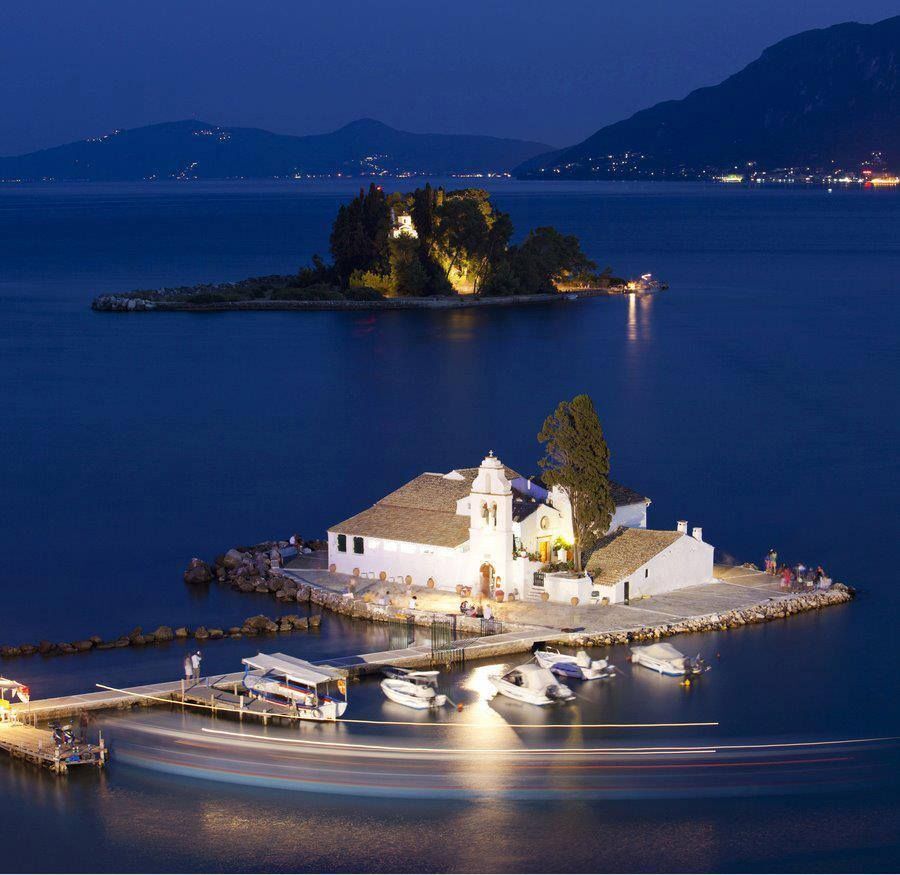
Perhaps the most distinctive celebration of the Festival of the Transfiguration in Corfu takes place at Pontikonisi (Mouse Island), one of Corfu’s most recognisable landmarks.
On this small, green island, surrounded by the turquoise waters of the Ionian Sea, stands the historic Byzantine chapel dedicated to the Transfiguration of the Saviour. The chapel is closely linked to the island’s religious heritage and draws worshippers and visitors for its annual feast day.
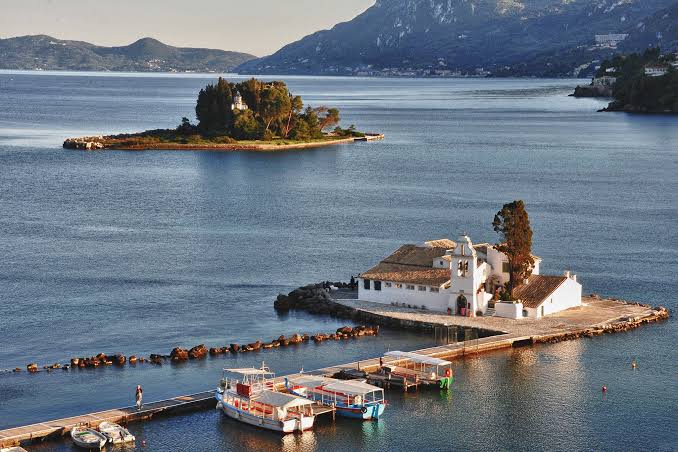
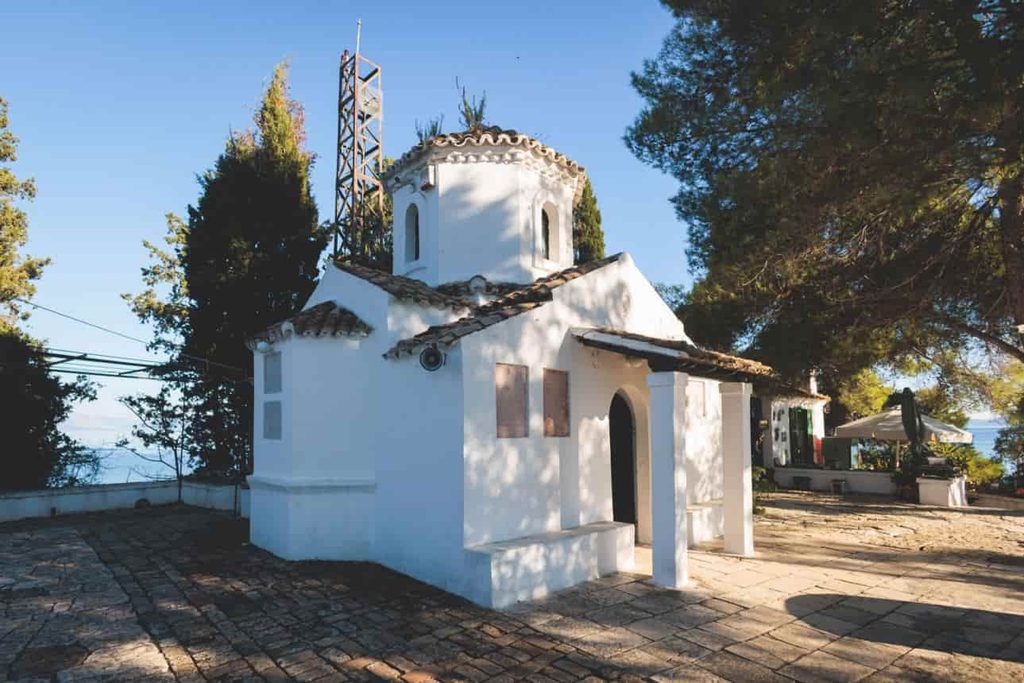
The celebration is particularly special because Pontikonisi is normally not freely accessible in the same way as the mainland. On the feast day, visitors can traditionally reach the island by small boats departing from the Kanoni area, offering a rare opportunity to visit the chapel and take part in the religious festivities.
The ancient chapel, the surrounding sea, and the summer landscape create an unforgettable atmosphere where faith and natural beauty come together.
The Villages and Their Traditional Festivals
The Feast of the Transfiguration is not confined to Pontikonisi. It is also celebrated across the island, with each community preserving its own customs and traditions.
Among the villages and locations associated with the Festival of the Transfiguration in Corfu on August 6th are:
- Perivoli: A village in southern Corfu where religious observances are followed by traditional festivities and gatherings.
- Strinyla: A mountain village whose celebrations offer visitors the opportunity to experience the island’s rural character.
- Paliochori: A traditional settlement in the Lefkimmi area, where the feast forms part of the local religious calendar.
- Agios Matthaios: One of the island’s well-known villages, where religious devotion and traditional community celebrations remain an important part of local life.
- Spartilas: A traditional village on the slopes of Mount Pantokrator, included in local festival calendars.
- Kampiello: In the historic centre of Corfu Town, where the feast is also commemorated.
An additional religious tradition takes place at the Monastery of Pantokrator, on the summit of Corfu’s highest mountain. From August 1 to August 6, pilgrims undertake a six-day pilgrimage to the monastery, culminating in the celebration of the Transfiguration. This is an especially meaningful experience for those wishing to discover the island’s religious traditions beyond its coastal resorts.
A note about dates: Some local festival calendars list celebrations in Agioi Deka on August 5, the eve of the Transfiguration, while others list the village on August 6. Visitors should check the local church programme for the precise service and festival dates.
The Spirit of the Corfiot Panigiri
What makes these celebrations so memorable is the way religious devotion blends with traditional island hospitality.
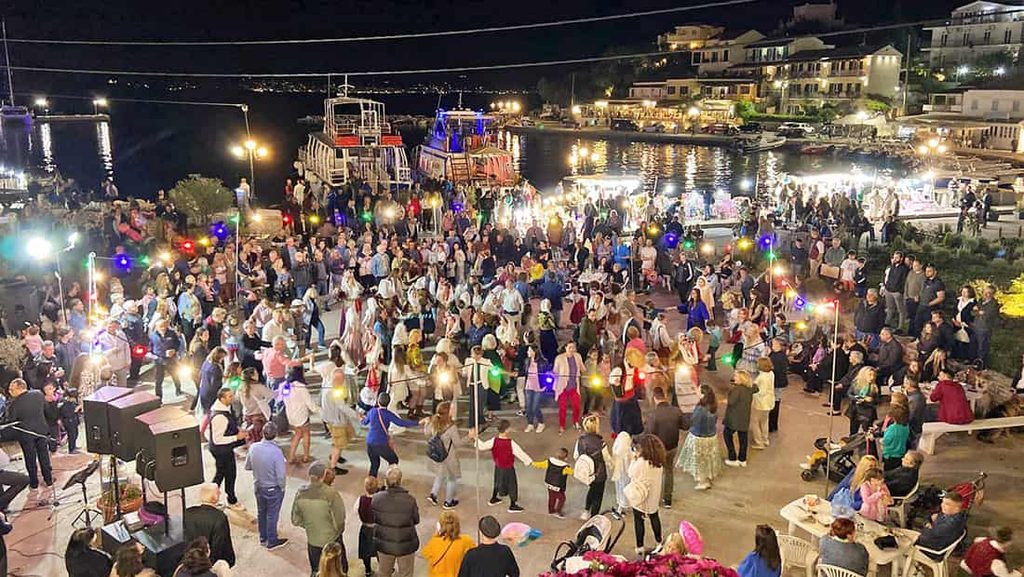
A panigiri is much more than a village party. It is an occasion for families and friends to reunite, for former residents to return to their ancestral villages and for younger generations to maintain a connection with their cultural heritage.
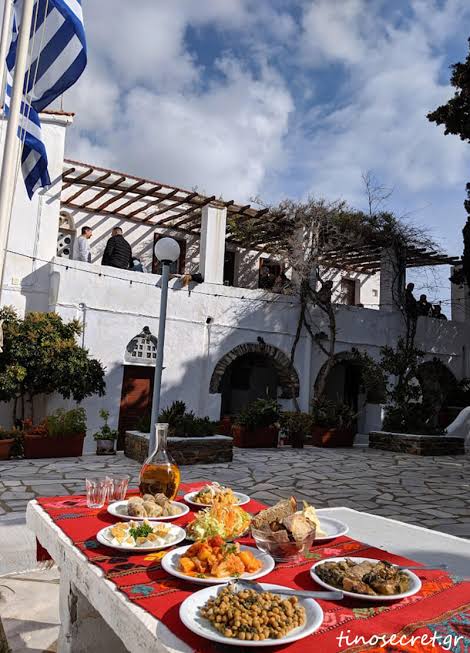
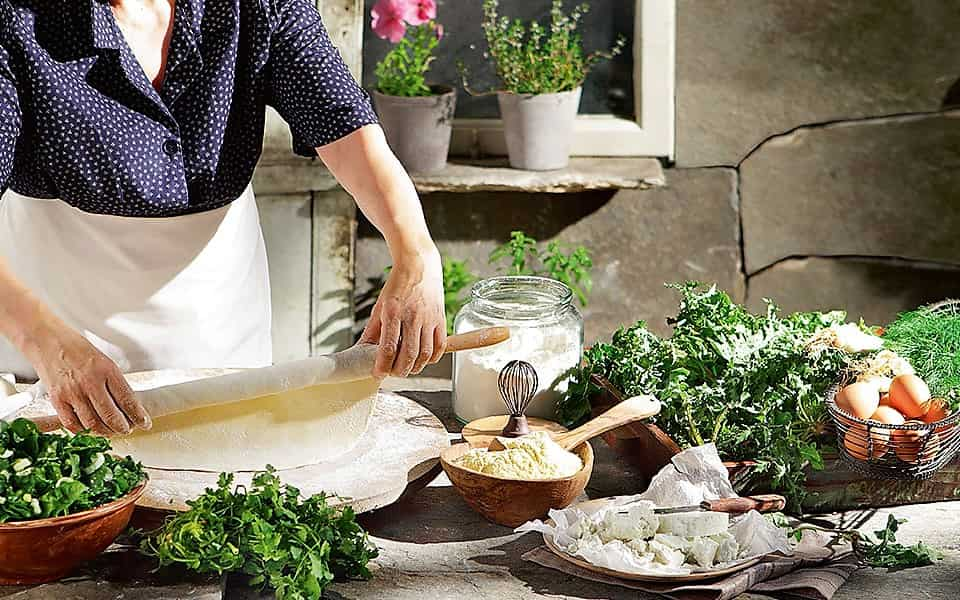
The festivities generally begin with religious services, followed by gatherings featuring traditional food, local wine and music. Violin melodies, traditional dances and joyful singing create an atmosphere that often lasts until the early hours of the morning.
Visitors are warmly welcomed and can experience the authentic character of Corfiot life, sharing food, music and dancing with the local community.
The August celebrations are therefore among the best opportunities to discover the island’s traditions and experience the genuine warmth of its people.