Discover Marathon Through Food Tours and the Local Culture of Attica
Marathon lies on the northeastern coast of Attica, facing the Aegean Sea and surrounded by fertile plains, mountains, wetlands, and vineyards. Today, Marathon food tours offer visitors the opportunity to explore not only one of Greece’s most important historical destinations but also a region deeply connected to agriculture, local production, and traditional Attican cuisine.
Combining ancient heritage, natural beauty, and authentic gastronomy, Marathon provides a unique experience where history and food culture meet.
The Historic Legacy of Marathon
Marathon is internationally renowned as the site of the Battle of Marathon, one of the most significant events of ancient Greek history. In 490 BCE, Athenian and Plataean forces defeated the invading Persian army, securing a victory that helped preserve Greek cultural development and the foundations of Western civilisation.
The town also gave its name to the modern marathon race. According to tradition, the messenger Pheidippides ran approximately 42 kilometres from Marathon to Athens to announce the Greek victory. Today, the annual Athens Classic Marathon follows this historic route, finishing at the iconic Panathenaic Stadium.
Archaeological Sites and Cultural Heritage
Visitors exploring Marathon food tours can easily combine culinary experiences with cultural discoveries. Important landmarks include the Tomb of the Marathon Warriors (Tumulus of Marathon), the burial mound of the 192 Athenians who fell in battle, and the Archaeological Museum of Marathon, which displays artefacts, weapons, pottery, and findings from the region’s long history.
These sites provide valuable insight into one of antiquity’s defining moments while highlighting the area’s continuous human presence from prehistoric times onwards.
Nature, Agriculture and Local Production
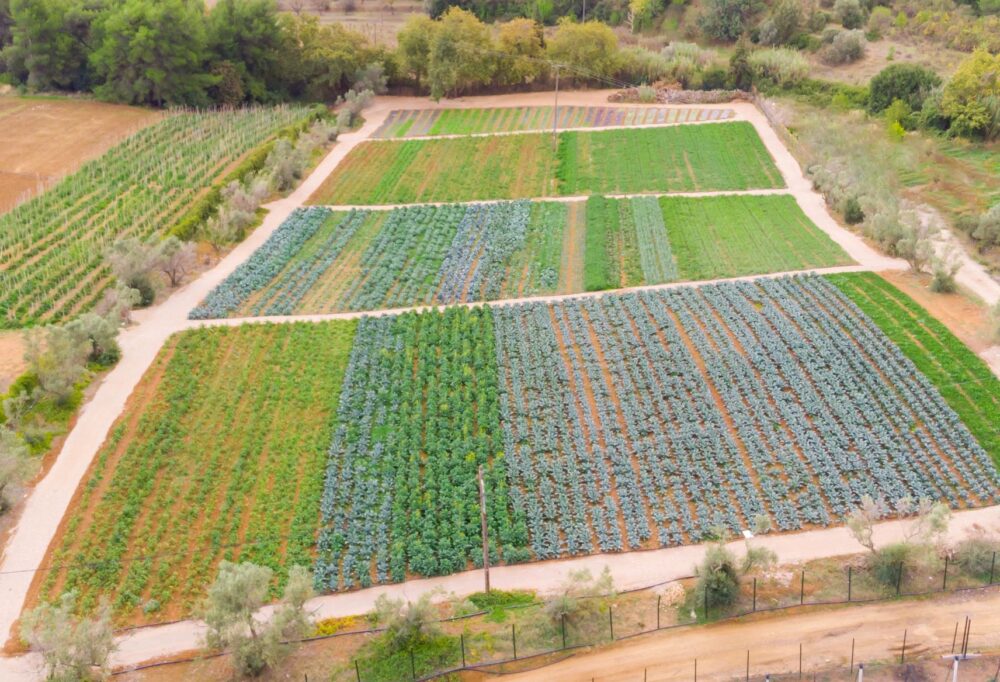
The fertile Marathon plain has supported agriculture for centuries. Olive groves, vineyards, vegetable farms, and grain cultivation continue to shape the landscape, making the area an ideal destination for food-focused travel experiences.
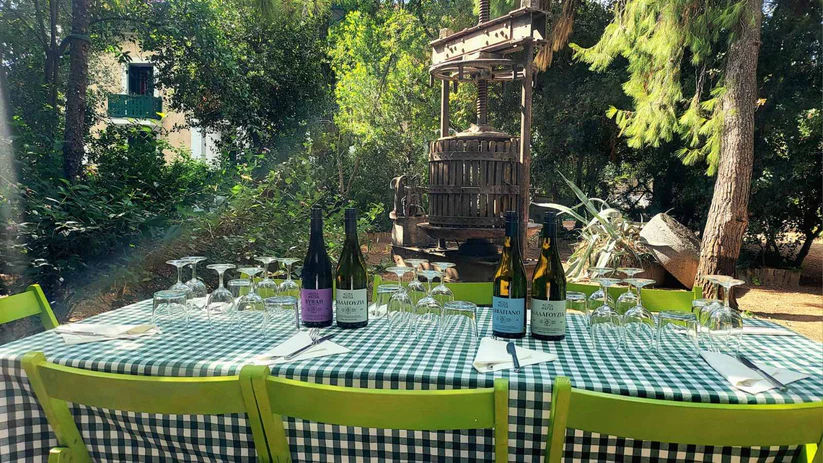
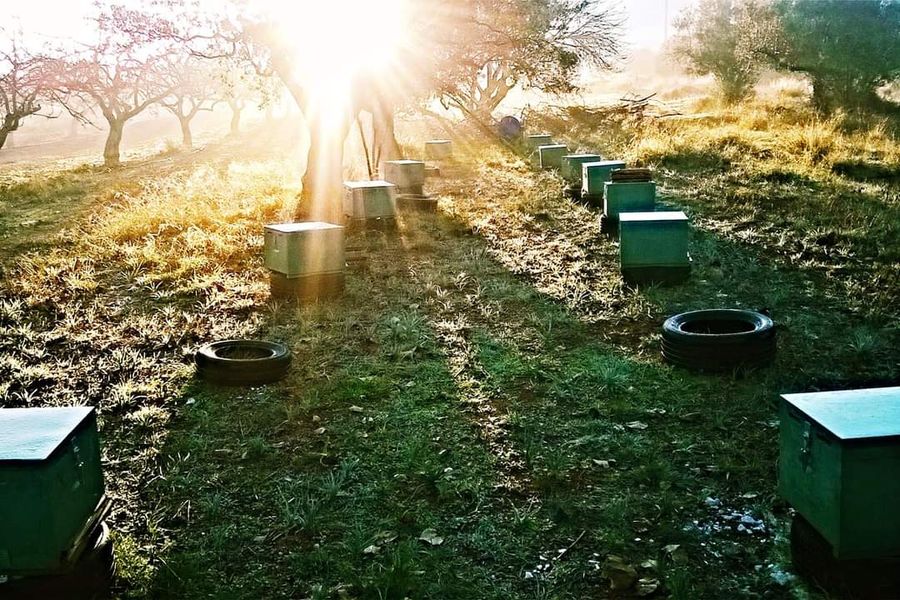
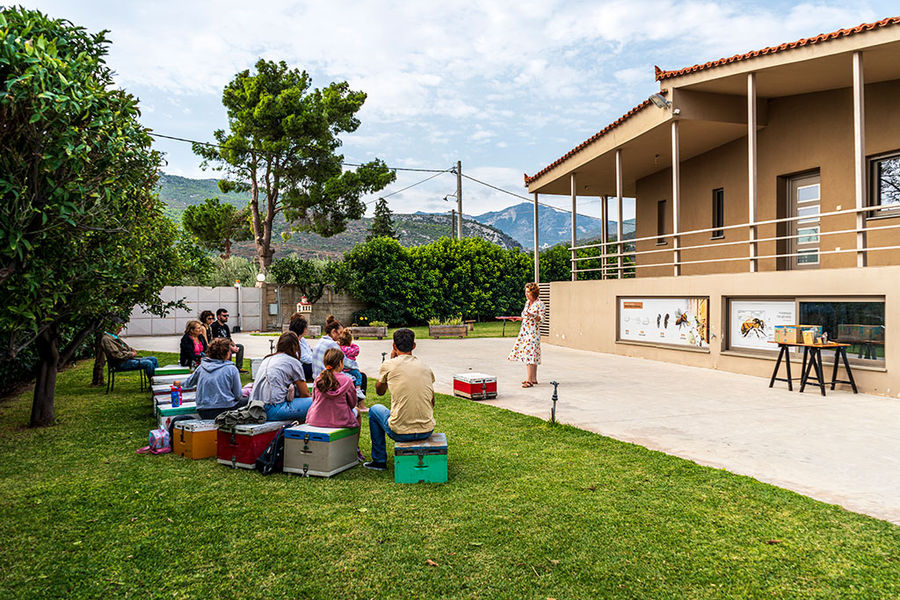
Many Marathon food tours introduce visitors to local producers, traditional farming methods, seasonal vegetables, olives, honey, and other agricultural products that form the foundation of Attican cuisine. The region is particularly known for its vegetables and potatoes, which are widely distributed throughout Greece.
Nearby, the Schinias National Park combines wetlands, pine forests, and coastal ecosystems that support rich biodiversity, while Schinias Beach attracts visitors seeking swimming, water sports, and seaside relaxation.
Lake Marathon and Modern Landmarks
Another highlight is Marathon Lake, an artificial reservoir constructed in the 1920s to supply Athens with water. Its distinctive dam, clad in Pentelic marble, remains one of the region’s most unusual engineering landmarks and offers impressive views of the surrounding countryside.
Why Choose Marathon Food Tours?
Marathon food tours combine authentic local gastronomy with some of Greece’s most important historical and natural attractions. From tasting local produce and traditional dishes to exploring archaeological sites, wetlands, vineyards, and coastal landscapes, visitors experience a destination where food, history, and nature are closely connected.
With its rich agricultural heritage, world-famous history, and beautiful natural surroundings, Marathon remains one of Attica’s most rewarding destinations for travellers seeking authentic Greek food tours and cultural experiences.