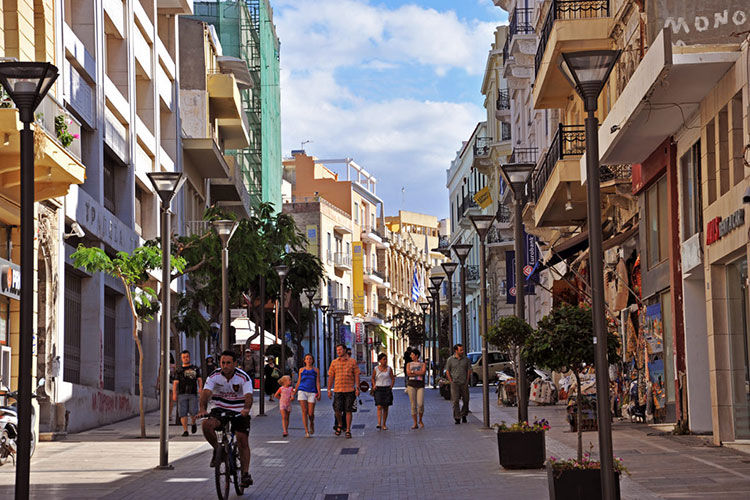
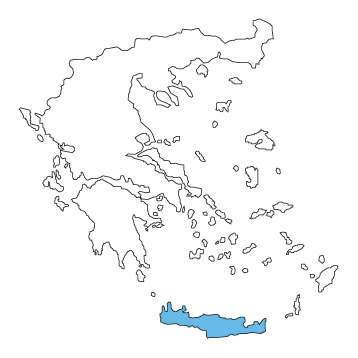
The Island of Ancient Civilisation, Landscapes & Gastronomy
Crete is the largest island in Greece and one of the most distinctive destinations in the Mediterranean. Located at the crossroads of Europe, Asia, and Africa, Crete combines extraordinary natural beauty, millennia of history, vibrant traditions, and one of the world’s most celebrated food cultures.
Stretching from the White Mountains in the west to the palm forests of the east, the island offers a remarkable diversity of landscapes, including dramatic gorges, fertile plains, rugged mountains, traditional villages, and hundreds of kilometres of coastline. Its unique position has shaped a cultural identity that remains distinct from the rest of Greece.
The Four Regional Units of Crete
Crete is divided into four regional units, each with its own distinctive landscapes, cultural traditions, and gastronomic character.
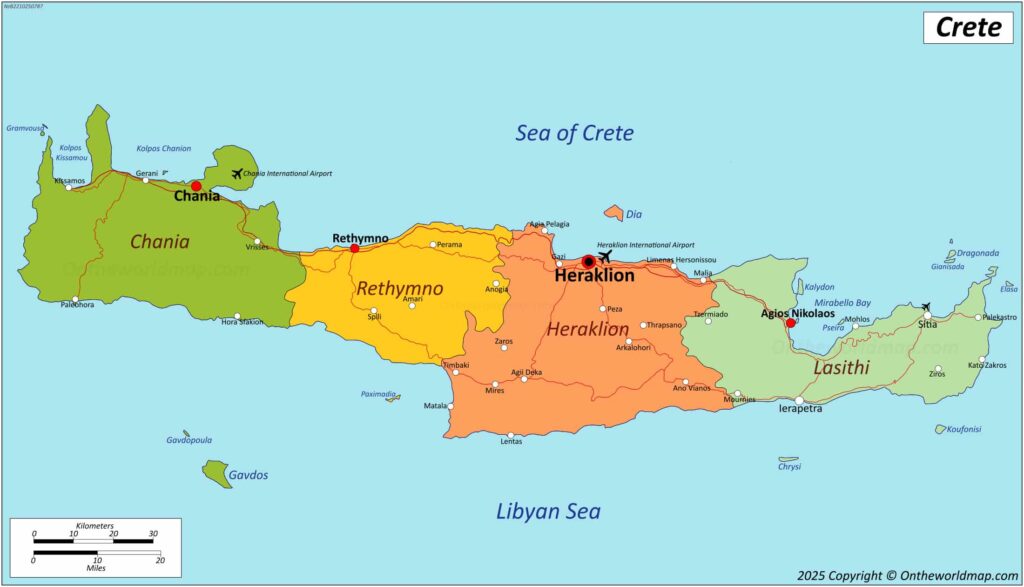
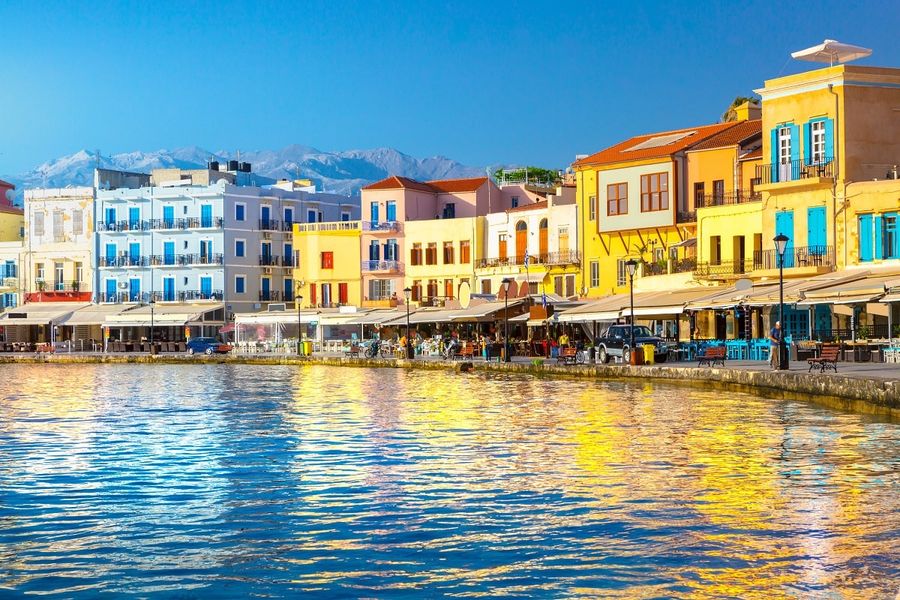
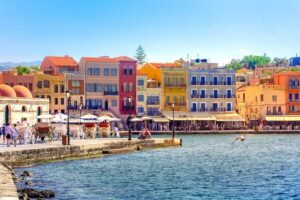
The Region of Chania, on the western side of the Island, is known for its Venetian harbour of Chania, Kissamos, dramatic mountain scenery, traditional villages, and some of the island’s most famous beaches, including Balos and Elafonissi.
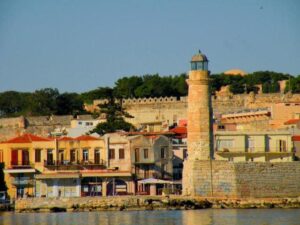
The Region of Rethymnon, located between the Region of Chania and Heraklion, combines a well-preserved Renaissance old town of Rethymnon with rugged mountains, fertile valleys, and a strong tradition of agriculture and cheese production.
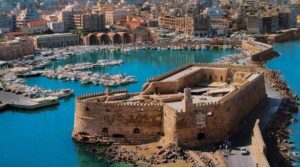
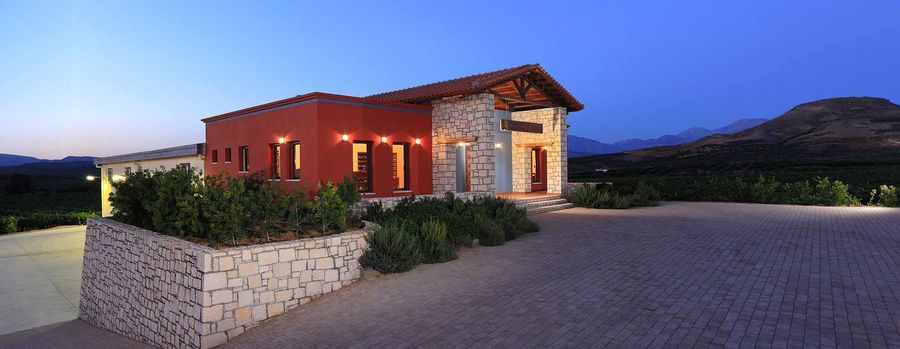
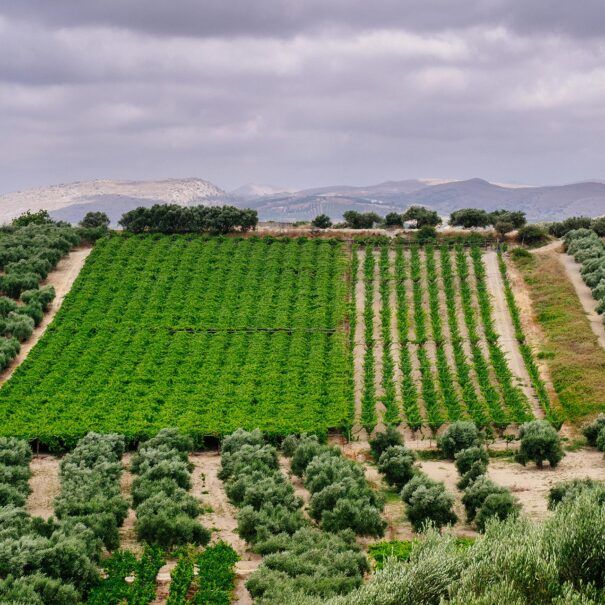
The Region of Heraklion, the largest regional unit and home to the island’s capital Heraklion, as well as Archanes, Peza, and Dafnes, the wine regions of the region of Heraklion with extensive vineyards, is the historical and economic centre of Crete, renowned for the Palace of Knossos, olive groves, and a vibrant urban culture.
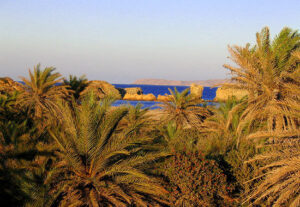
To the east lies Lasithi, a region of striking contrasts featuring the cosmopolitan resort town of Agios Nikolaos, the fertile Lasithi Plateau, cities like Ierapetra and Sitia, traditional villages, palm-fringed beaches, and the island’s most easterly landscapes.
Together, these four regions showcase the remarkable diversity that makes Crete one of the Mediterranean’s most captivating destinations.
The Cradle of Europe’s First Advanced Civilisation
Crete is widely recognised as the birthplace of the Minoan Civilisation, Europe’s earliest advanced civilisation, which flourished between approximately 3000 and 1450 BCE. The Minoans developed sophisticated cities, maritime trade networks, art, architecture, and writing systems centuries before Classical Greece emerged.
The main centres of the Minoan civilisation were Knossos, Phaistos, Malia, Zakros, and Gournia, where palace complexes have been found. In 1450 and again in 1400 BCE, a series of catastrophes, possibly due to volcanic explosions on Santorini, caused their decline.
After the Roman conquest of Greece, it became a Byzantine province and, for an entire century (824-961 CE), was occupied by the Arabs and served as a base of operations for pirates centred on Handaka, today’s Heraklion. Subsequently, Crete returned to Byzantium until the arrival of the Venetians, who remained on the island for roughly five centuries, leaving a deep impression on its culture. Aside from Heraklion and Chania regions, Rethymnon and Lasithi flourished during this era.
Turkish rule began in 1669 and ended in 1898, with the island officially becoming part of Greece in 1913. Another critical moment in the island’s history was the Battle of Crete in 1941, when the Axis powers invaded the island during World War II with an airborne attack. The battle was also important to the Cretans because of the unexpectedly bold resistance the Cretans mounted against the numerically superior German forces. The graves of 4.465 German soldiers from the Battle of Crete are found in the German war cemetery in Maleme.
Landscapes of Extraordinary Diversity
Few regions in Europe offer such varied scenery within a single island. The island is dominated by mountain ranges, including the White Mountains (Lefka Ori), Mount Ida (Psiloritis), and the Dikti Mountains.
Crete is home to the famous Samaria Gorge, one of Europe’s longest gorges, as well as stunning beaches such as Elafonissi Beach, Balos Lagoon, and Vai Palm Forest.
The island’s varied geography creates numerous microclimates, supporting rich biodiversity and a remarkable variety of agricultural products.
The Gastronomic Identity
Cretan cuisine is considered one of the healthiest and most influential food traditions in the world. It forms the foundation of what became internationally known as the Mediterranean Diet.
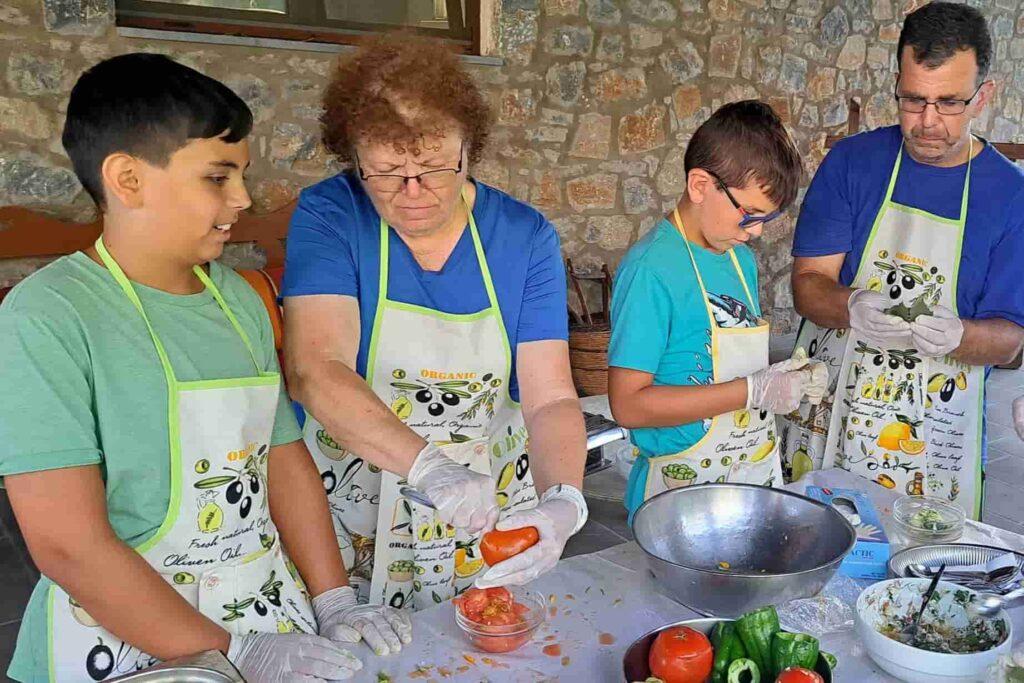
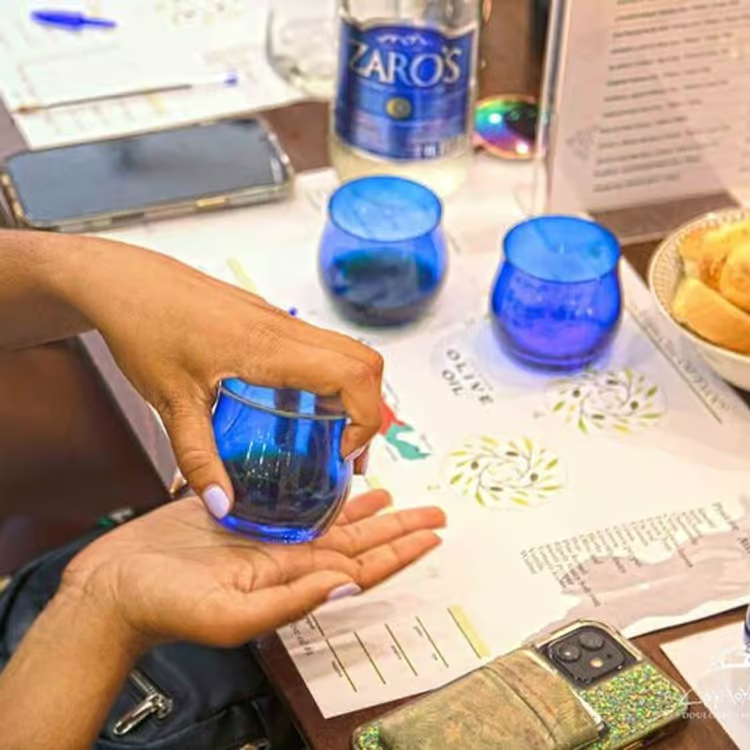
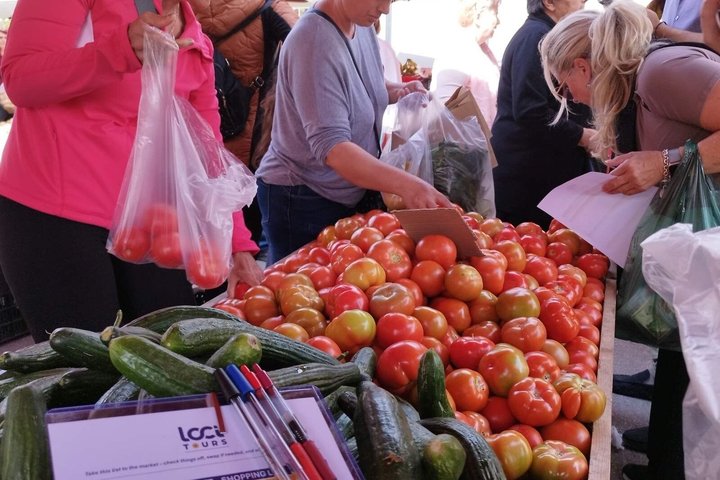
The cuisine is based on simplicity, seasonality, and exceptional local ingredients. Extra-virgin olive oil plays a central role, accompanied by vegetables, legumes, wild greens, herbs, fruits, cereals, cheese, honey, and moderate amounts of meat and fish.
For centuries, the island’s mountainous terrain and agricultural traditions encouraged self-sufficiency, creating a cuisine deeply connected to local production and the natural environment.
Local Products and Traditional Flavours
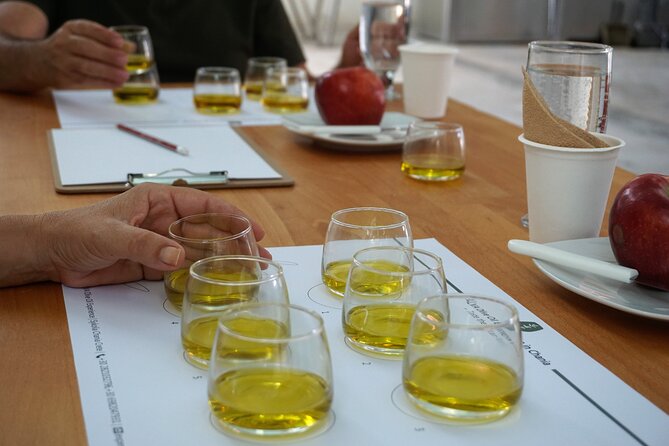
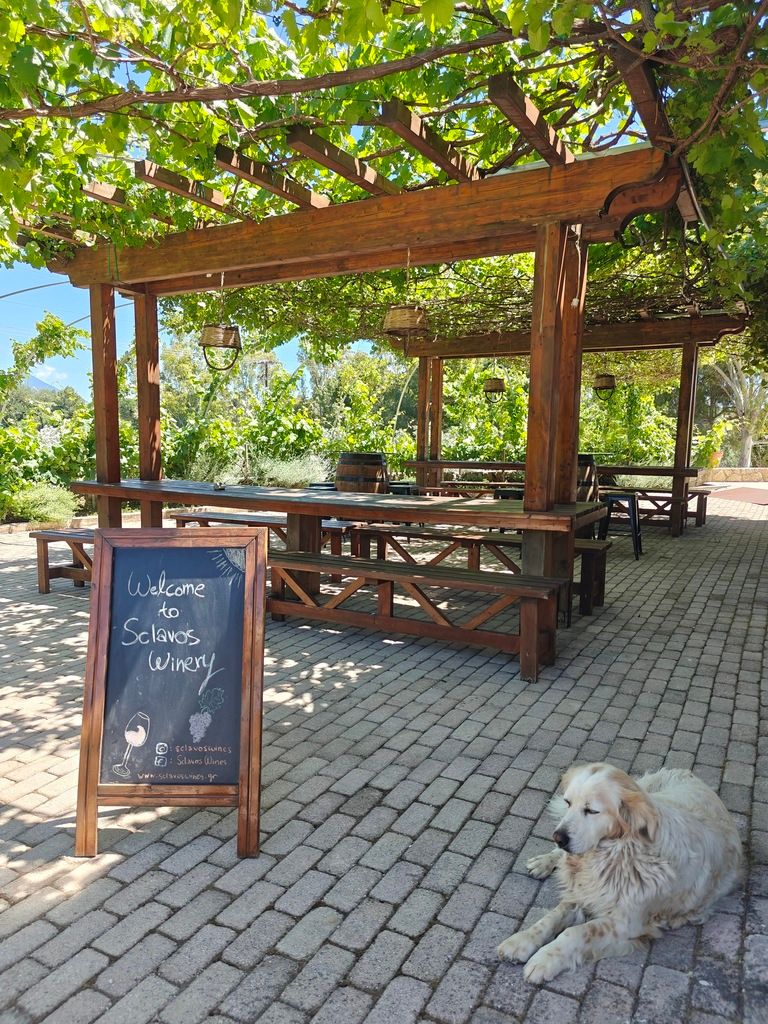
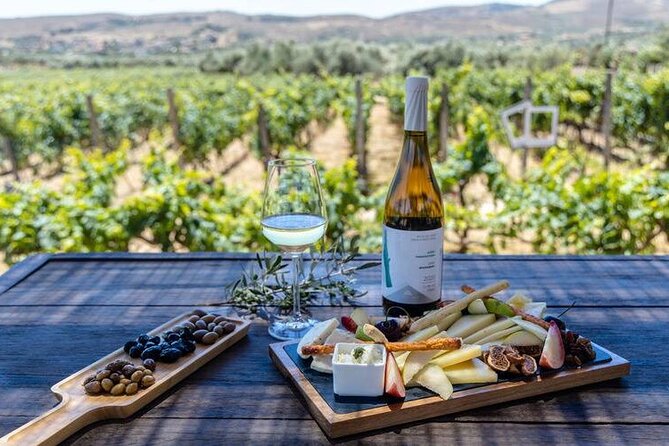
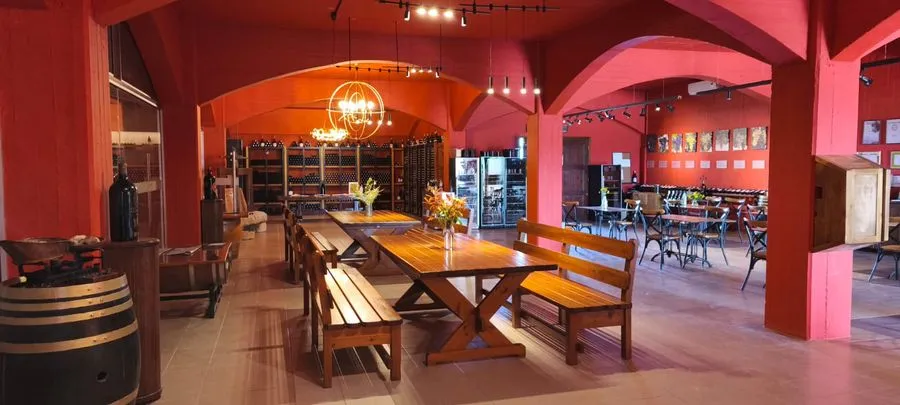
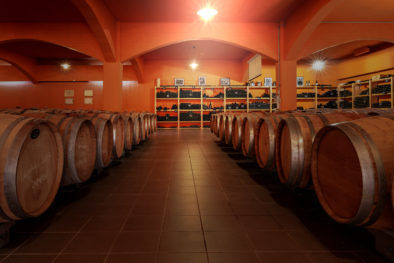
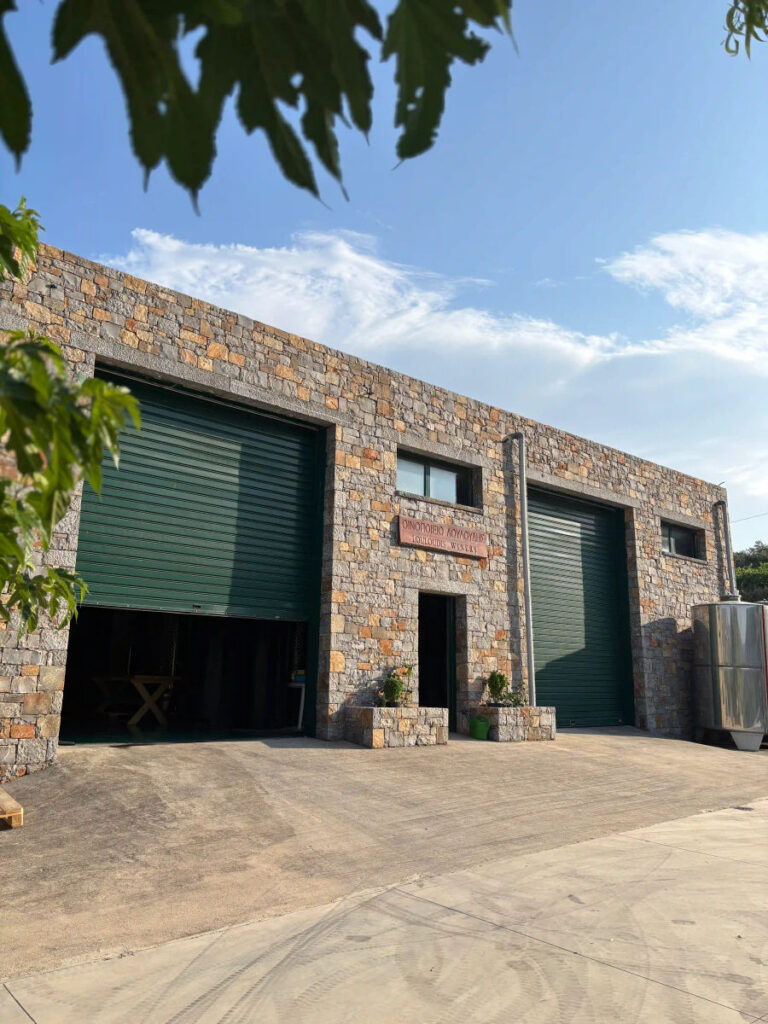
Crete is renowned for its olive oil, often regarded among the finest in Greece. Vineyards produce both indigenous and international grape varieties, while local wineries continue a winemaking tradition that dates back thousands of years.
Among the island’s most famous products are:
- Graviera Crete cheese
- Xinomizithra cheese
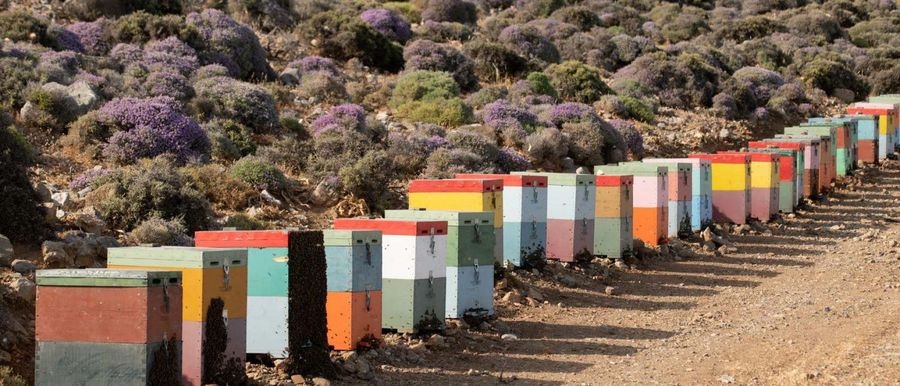
- Thyme honey
- Carob products
- Olive oil
- Wild mountain herbs
- Traditional rusks (dakos)
- Local wines and tsikoudia (raki)
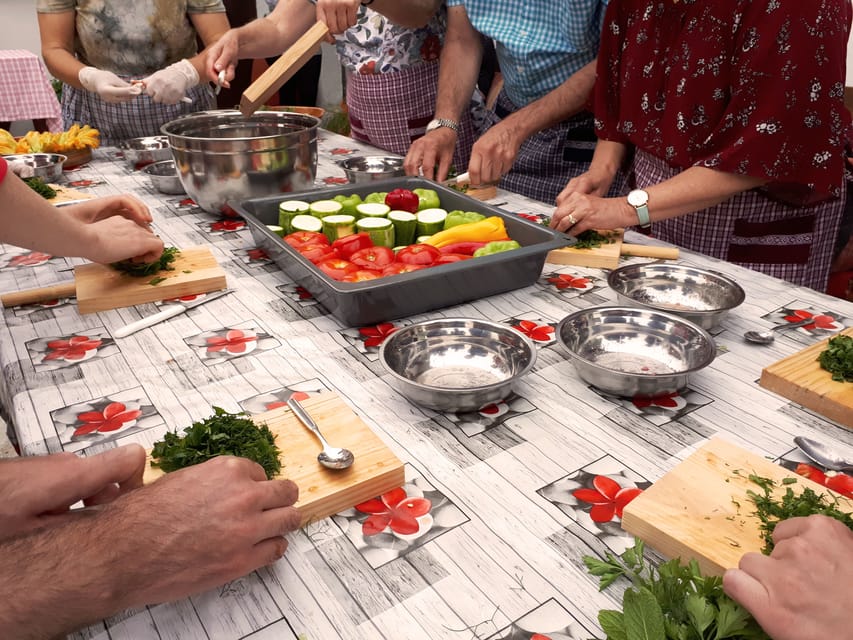
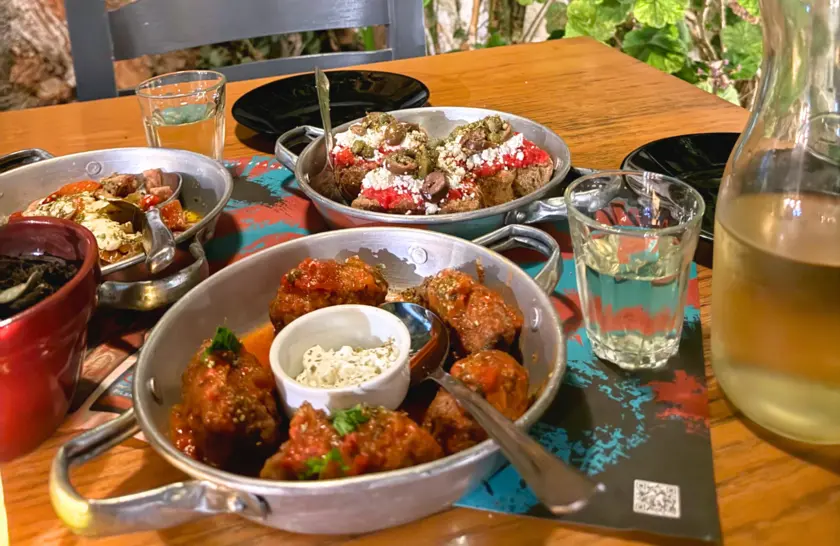
Traditional dishes include dakos, lamb cooked with mountain herbs, gamopilafo (wedding rice), snails (chochlioi), stuffed vegetables, and a wide variety of pies featuring local cheeses and wild greens.
Cities and Cultural Centres
The island’s major cities each possess their own distinct character:
- Heraklion city– the island’s capital and gateway to the Minoan world.
- Chania city– famous for its Venetian harbour and multicultural history.
- Rethymno city– known for its preserved old town and Renaissance heritage.
- Agios Nikolaos – a picturesque coastal destination overlooking Mirabello Bay.
Traditions and Cretan Identity
The Island maintains one of the strongest regional identities in Greece. Traditional music featuring the lyra, local dances, festivals, and customs remains deeply embedded in everyday life.
Hospitality, known as filoxenia, is a defining element of Cretan culture. Visitors often encounter local traditions through village celebrations, food festivals, and family-run tavernas that preserve recipes passed down through generations.
A Destination for Every Season
Crete is a year-round destination. Spring fills the countryside with wildflowers, summer offers world-famous beaches, autumn celebrates harvests and wine production, and winter reveals a quieter side of the island marked by mountain villages and traditional life.
A Timeless Mediterranean Destination
Combining Europe’s earliest civilisation, spectacular landscapes, living traditions, and one of the world’s most admired cuisines, the Island offers an experience unlike any other destination in Greece.
From ancient palaces and mountain villages to olive groves, vineyards, and crystal-clear seas, Crete remains a timeless Mediterranean destination where history, culture, and gastronomy come together in extraordinary harmony.