The Olive Grove of Amphissa: One of the Oldest Continuously Cultivated Olive Groves in the World
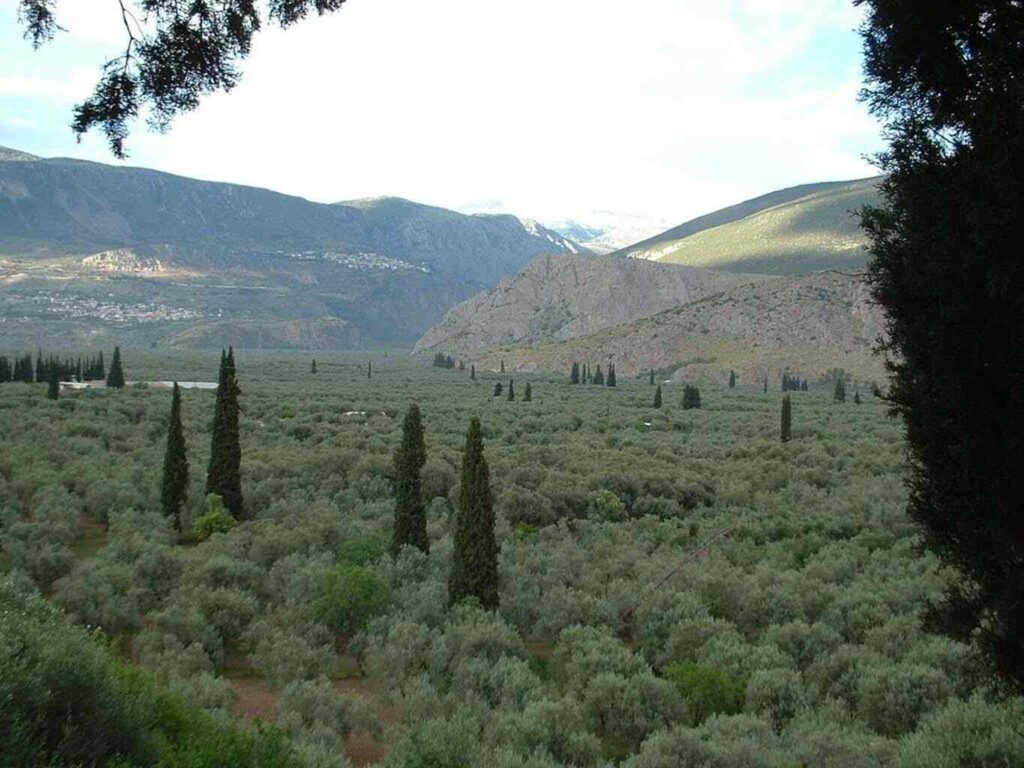
The olive grove of Amphissa is one of the world’s oldest and most impressive, making it a must-visit destination for anyone interested in Greek nature, history, and gastronomy. Located in central Greece, in the region of Phocis, this vast grove spans more than 12,000 hectares and includes approximately 1.2 million olive trees. Many of these trees are hundreds of years old, while some are believed to be over a millennium old. Situated between the slopes of Mount Parnassus and the scenic Corinthian Gulf, the olive grove of Amphissa offers a unique combination of natural beauty and cultural heritage.
Ancient Olive Grove of Amphissa: A Living Monument
The olive grove of Amphissa is not just an agricultural landscape; it is a living monument that reflects thousands of years of Greek history. Olive cultivation in this region dates back to the Mycenaean era, around 1300 BCE, making it one of the longest continuously cultivated areas in Europe. Over centuries, the grove has survived wars, invasions, and natural disasters, demonstrating remarkable resilience. The olive tree itself holds deep symbolic meaning in Greek culture, representing peace, wisdom, and prosperity. This connection between nature and mythology enhances the grove’s importance as both a historical and cultural landmark.
Amphissa Olives: Quality, Taste, and Global Recognition
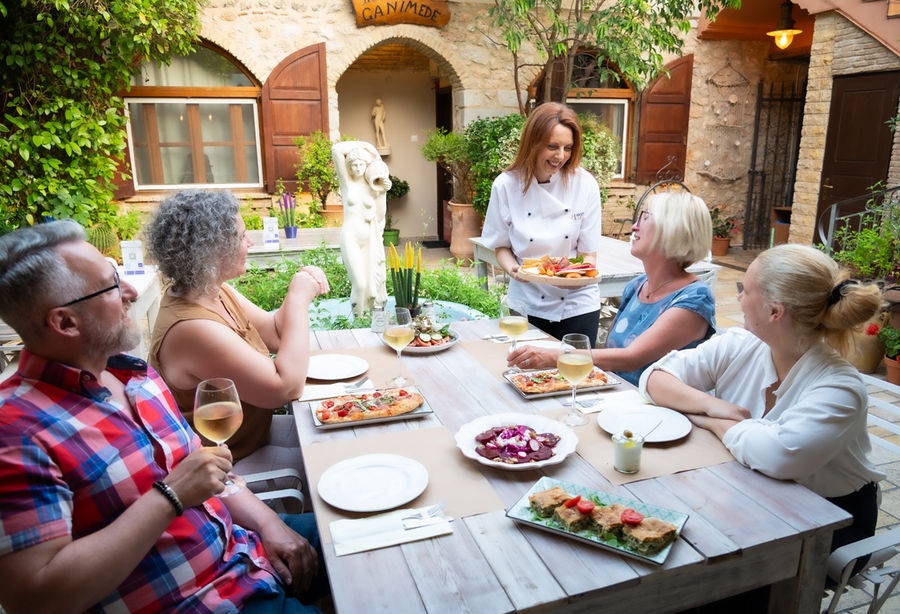
The grove of Amfissa is best known for producing Amfissis olives, a premium variety famous for its large size, firm texture, and rich flavour. These olives are typically dark in colour and are often preserved in brine, making them a staple in traditional Greek cuisine. From Greek salads to meze platters, Amphissa olives are widely used for their balanced taste and versatility. In addition to table olives, the region also produces high-quality olive oil. While not as internationally famous as oils from other Greek regions, Amphissa olive oil is valued for its mild, fruity flavour and excellent nutritional benefits, making it a popular choice among health-conscious consumers.
The Olive Grove of Amphissa, A Top Destination for Eco-Tourism in Greece
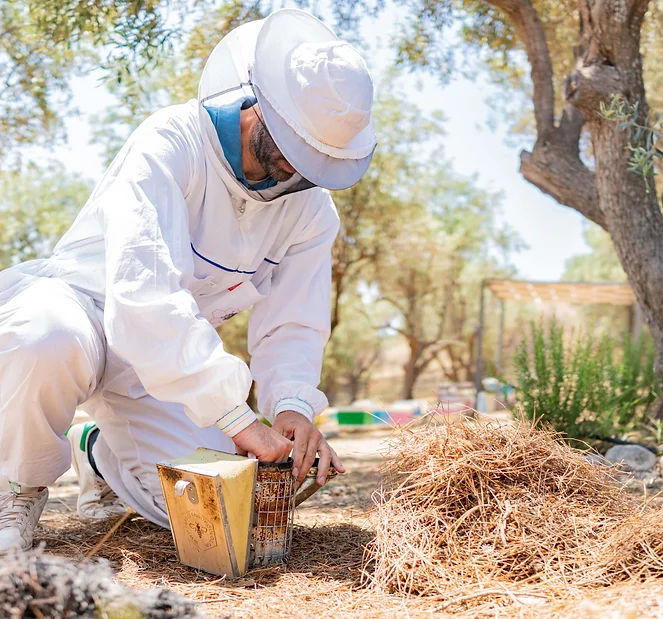
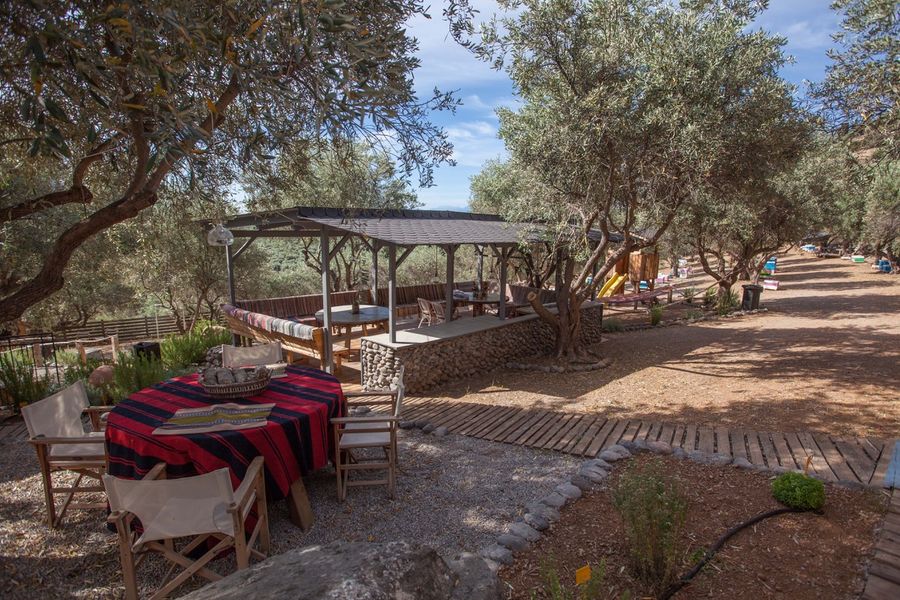
The olive grove of Amphissa is increasingly attracting eco-tourists, photographers, and history enthusiasts. Walking through the grove offers a peaceful, immersive experience where visitors can admire the ancient, twisted trunks and enjoy the serene landscape. The area provides a perfect opportunity to explore authentic rural Greece while learning about traditional olive cultivation techniques. Seasonal visits during the olive harvest allow travellers to witness and even participate in the production process, creating a memorable and educational experience.
Cultural Heritage and Environmental Importance of The Olive Grove of Amphissa
Today, the olive grove of Amphissa is a protected area recognised for its environmental and cultural significance. It supports local biodiversity and sustains traditional farming practices passed down for generations. For local communities, the grove remains an essential source of income and identity. Its preservation is vital not only for Greece but also for global agricultural heritage.
Why Visit the Olive Grove of Amphissa
Visiting the olive grove of Amphissa offers more than just beautiful scenery. It is a journey through history, culture, and tradition. Whether you are interested in ancient landscapes, authentic Greek food, or sustainable tourism, this remarkable grove provides a unique and enriching experience. As one of the most important olive-growing regions in Greece, it stands as a symbol of continuity, connecting the past with the present and inspiring future generations to value and protect this extraordinary natural treasure.