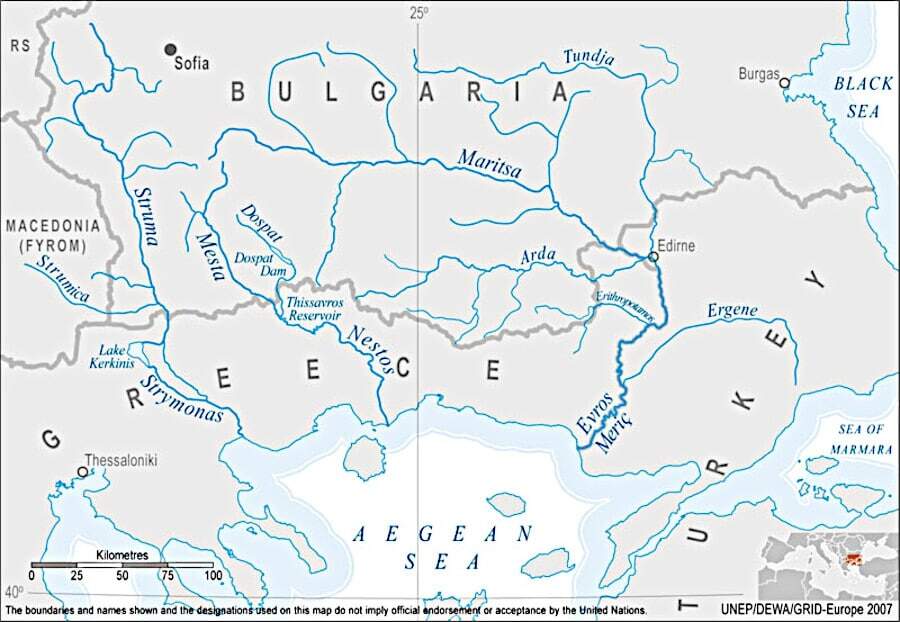
The Nestos River, known as the Mesta in Bulgaria, is one of the most important transboundary rivers in southeastern Europe. Rising in the Rila Mountains of Bulgaria, it travels southward through rugged mountain terrain and deep valleys before crossing into Greece and ultimately reaching the Aegean Sea. Over its roughly 230-kilometre journey, the river shapes landscapes, supports ecosystems, and sustains human communities across two countries.
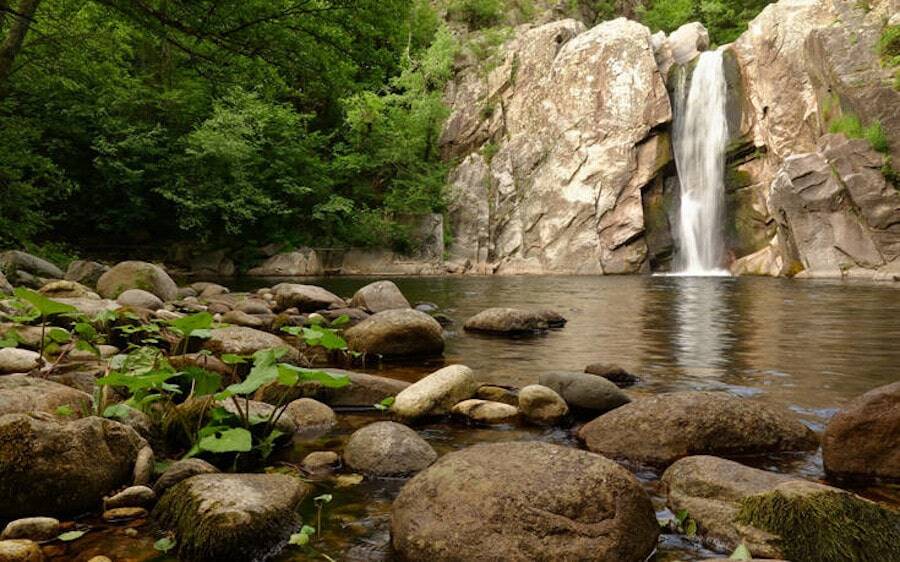
In its upper course in Bulgaria, the Nestos flows through steep, forested mountains, where its waters are fast-moving and relatively untouched. This section is characterised by narrow valleys and pristine natural surroundings, making it an important area for biodiversity and freshwater ecosystems. As the Nestos River descends toward the border region, the river carves dramatic gorges, particularly in the area shared between Bulgaria and northeastern Greece, where cliffs and dense vegetation create one of the most scenic river corridors in the Balkans.
Once inside Greece, the Nestos River continues through the regions of Drama and Xanthi, where its valley widens, and human activity becomes more visible. Here, the river plays a crucial role in agriculture, providing irrigation for crops such as cotton, tobacco, and cereals. Several hydroelectric dams regulate its flow, helping to generate energy and manage water resources, though they have also altered the river’s natural sediment transport and seasonal dynamics.
One of the most ecologically significant parts of the river is its delta, where the Nestos meets the Thracian Sea. The Nestos Delta is a protected wetland of international importance, recognised under the Natura 2000 network. It consists of lagoons, reed beds, and floodplain forests that support a wide variety of wildlife. Migratory birds use the delta as a key resting point between Europe and Africa, while fish and amphibian species thrive in the brackish waters where river and sea meet.
Beyond its environmental value, the Nestos River also holds cultural and historical importance. For centuries, it has acted as a natural corridor connecting inland Balkan regions with the Aegean coast. Ancient Thracian and later Byzantine and Ottoman settlements developed along its banks, relying on its waters for survival and trade. Today, the river continues to link Greece and Bulgaria not only geographically but also through shared environmental management efforts.
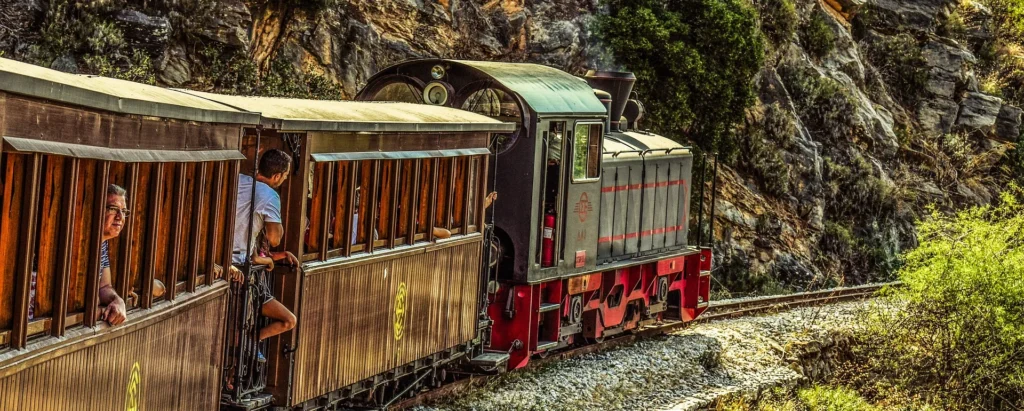
Modern visitors are drawn to the Nestos for its striking natural beauty and outdoor activities. The Nestos Gorge offers hiking routes through dramatic cliffs and forests, while sections of the river near Toxotes are popular for canoeing and kayaking. Birdwatching in the delta and exploring nearby traditional villages further highlight the region’s blend of natural and cultural heritage.
In essence, the Nestos River is far more than a waterway. It is a dynamic system that connects mountains, forests, farmlands, and wetlands—supporting life and shaping landscapes across borders.