A Journey Through Mycenaean Legacy, Navarino History & Messinian Flavours
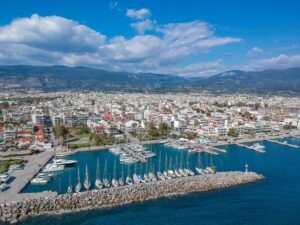
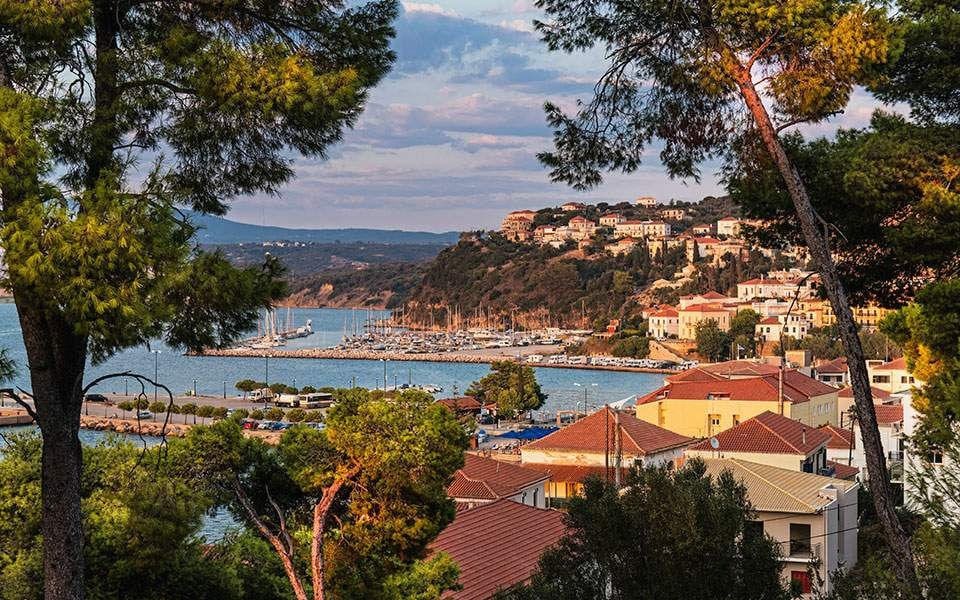
Pylos, located on the southwestern coast of the Peloponnese in Messinia, is a destination where ancient myth, naval history, and authentic Mediterranean gastronomy come together. Overlooking the Ionian Sea and the protected bay of Navarino, Pylos offers one of Greece’s most historically rich and naturally beautiful landscapes.
A Pylos Food Tour invites travellers to explore not only its legendary past—from Mycenaean kings to naval battles—but also its deeply rooted culinary traditions shaped by olive groves, coastal waters, and fertile valleys.
A Land of Kings, Myths & Naval History
Pylos was one of the most important kingdoms of Mycenaean Greece (1600–1100 BCE) and is closely associated with the Homeric hero King Nestor, renowned for his wisdom and diplomacy. According to Homer, Nestor’s kingdom played a key role in the Trojan War, and his legacy of prudent leadership became symbolic throughout Greek antiquity.
Centuries later, the region became known as Navarino, especially during the Venetian occupation in the late 17th century. Although Venetian control was brief, it left its mark on local fortifications and place names before the Ottomans regained control.
The most decisive moment in modern history came in 1827, during the Battle of Navarino, when British, French, and Russian fleets defeated the Ottoman-Egyptian navy. This naval victory marked a turning point in the Greek War of Independence and paved the way for the creation of the modern Greek state.
Today, Pylos remains a place where history is not confined to museums—it is part of the landscape itself, visible in castles, harbours, and ancient ruins.
A Coastal Landscape of Natural Beauty
Pylos is set in one of the most picturesque coastal environments in Greece. The region features sheltered bays, golden beaches, olive-covered hills, and wetlands of international ecological importance.
The nearby Voidokilia Beach, with its perfect semicircular shape, is among the most iconic natural landmarks in the Mediterranean. The surrounding Gialova Lagoon hosts rare bird species and forms part of a protected ecosystem, making Pylos ideal for eco-travel and nature exploration.
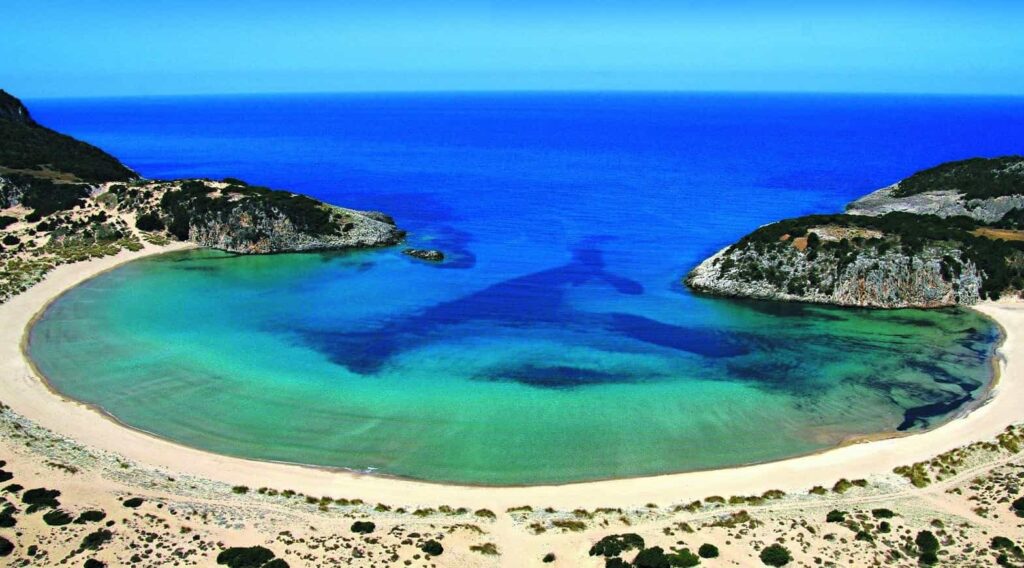
This balance between sea, land, and biodiversity also shapes the region’s culinary identity.
Messinian Gastronomy: Olive Oil at Its Core
The gastronomy of Pylos is deeply rooted in the broader culinary tradition of Messinia, one of Greece’s most productive agricultural regions. At its heart is world-renowned extra virgin olive oil, produced from centuries-old olive groves that define the landscape.
A Pylos Food Tour highlights a cuisine based on simplicity, seasonality, and exceptional ingredients.
Key foundations include:
- Extra virgin olive oil
- Wild greens and herbs
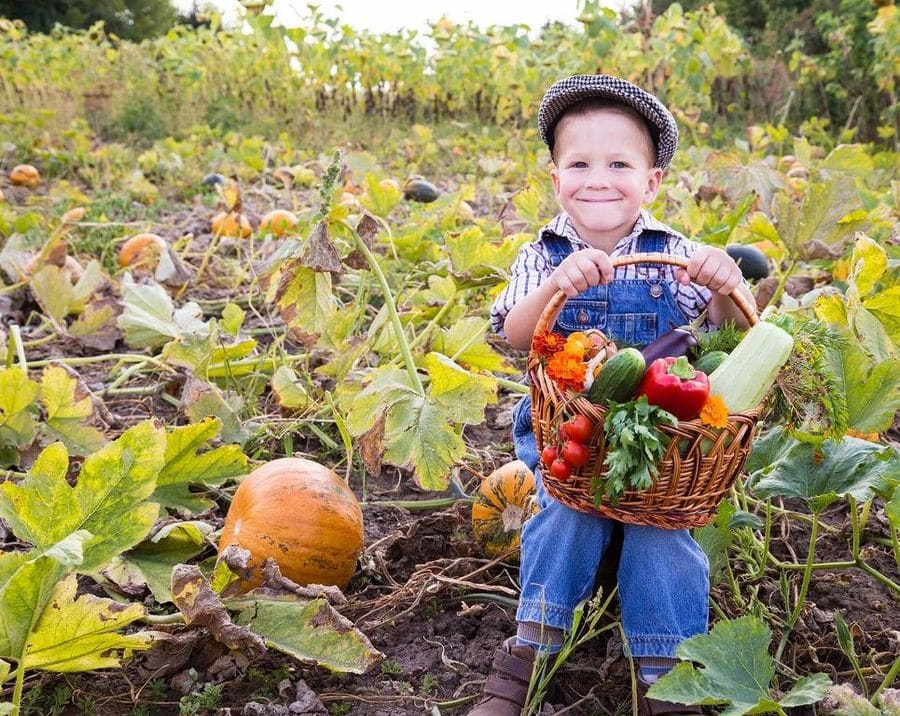
- Fresh vegetables and legumes
- Local wines and citrus fruits
- Fresh fish and seafood from the Ionian Sea
Traditional Dishes of Pylos and Messinia
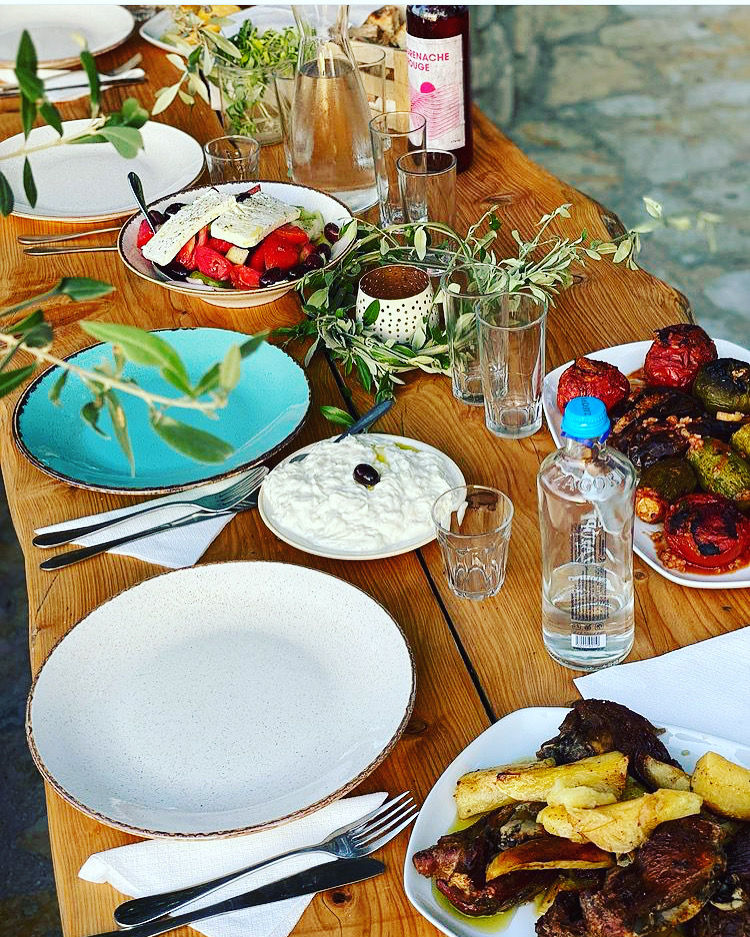
Local cuisine reflects both coastal abundance and agricultural richness. Visitors can experience a wide variety of traditional dishes, often prepared in family-run tavernas or rural kitchens.
Coastal & Seafood Specialities
- Grilled fish with lemon and olive oil
- Octopus cooked in vinegar or charcoal-grilled
- Fresh sardines and anchovies from the Ionian Sea
- Seafood meze served with local wine or ouzo
Rural & Land-Based Cuisine
- Slow-cooked goat or lamb with herbs
- Seasonal vegetable stews (ladera)
- Chickpeas and lentils cooked with olive oil and citrus
- Handmade pies filled with greens, cheese, or herbs
These dishes reflect a cuisine that is both humble and deeply flavorful, shaped by generations of local knowledge.
Olive Oil Culture & Local Producers
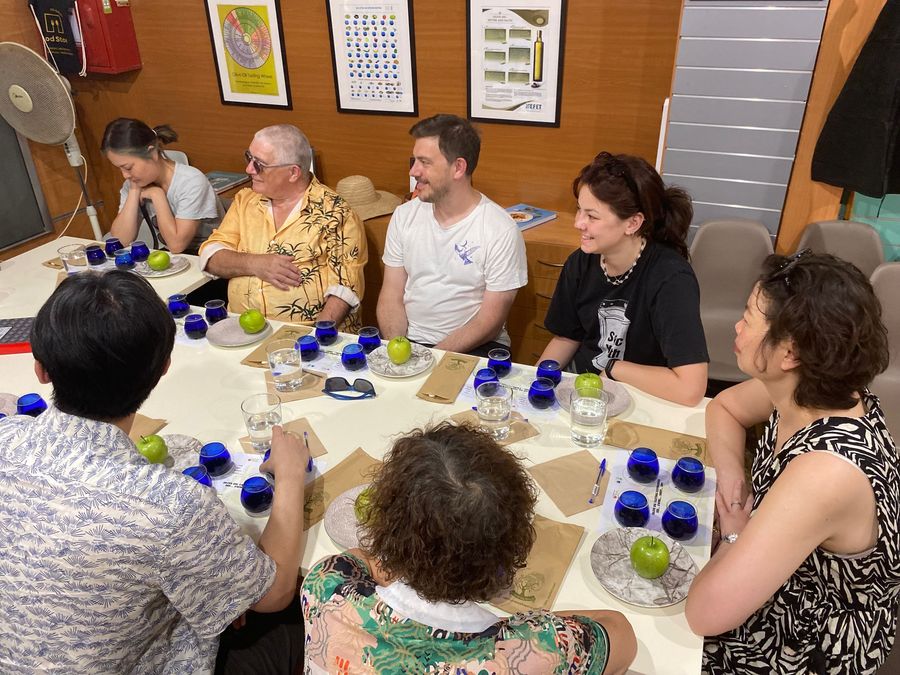
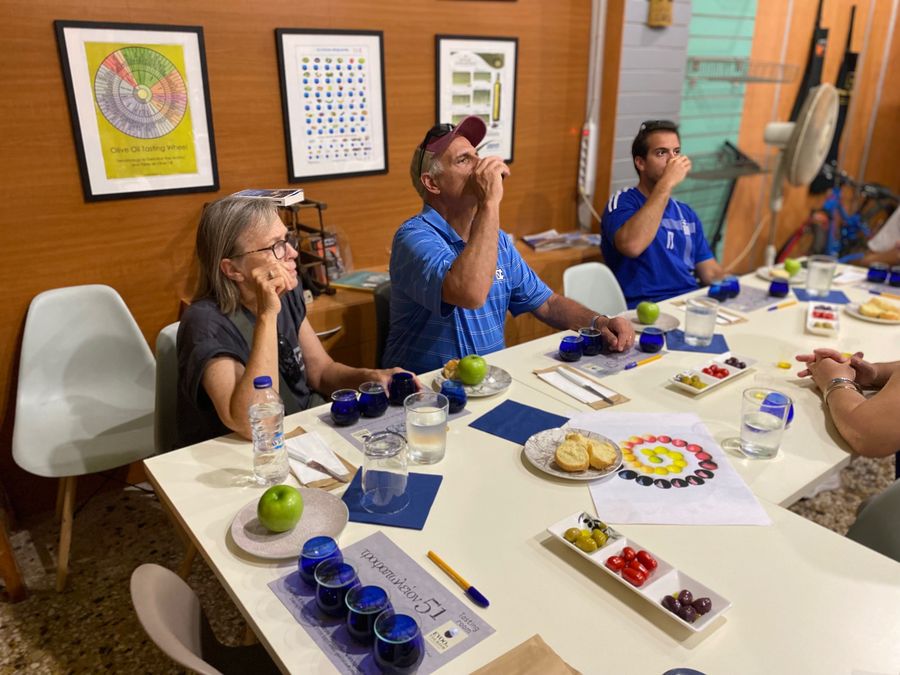
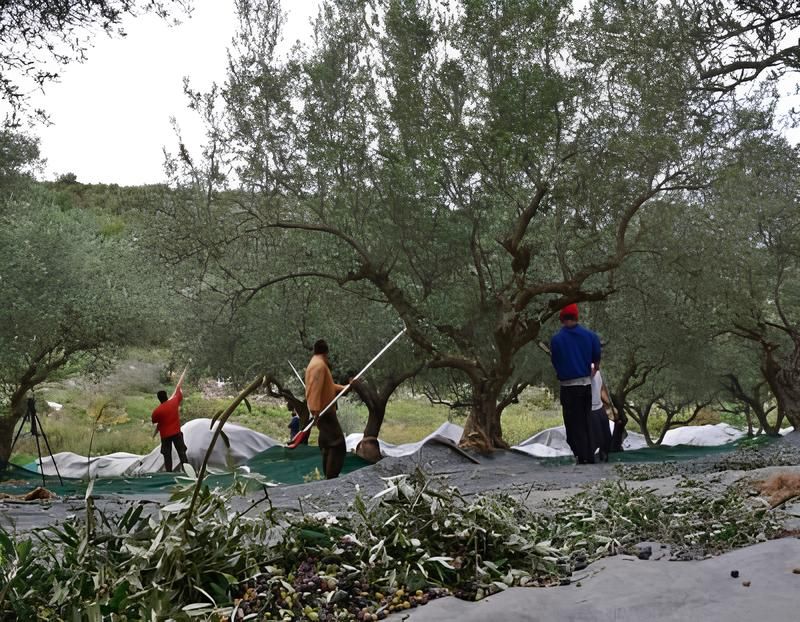
Messinia is one of the most important olive oil-producing regions in Greece, and visiting local producers is a central part of the Pylos experience. Traditional and modern olive mills offer tastings that reveal the complexity of local varieties and production methods.
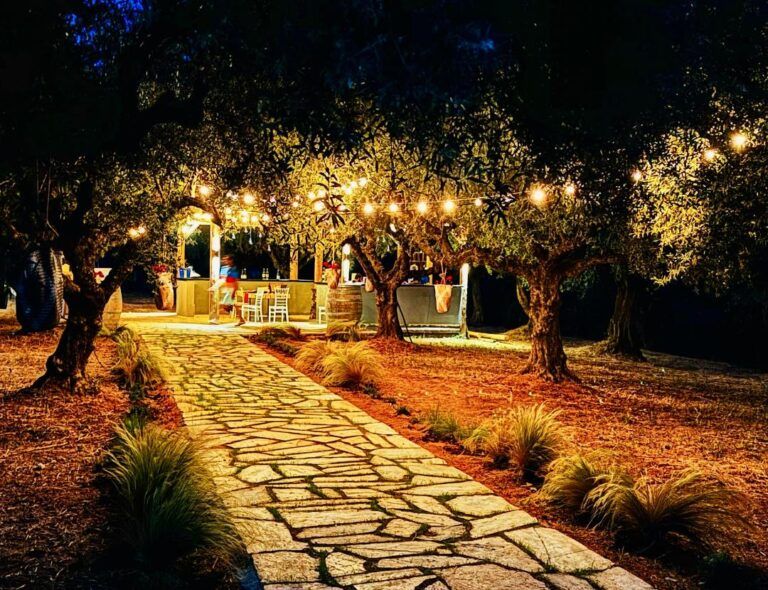
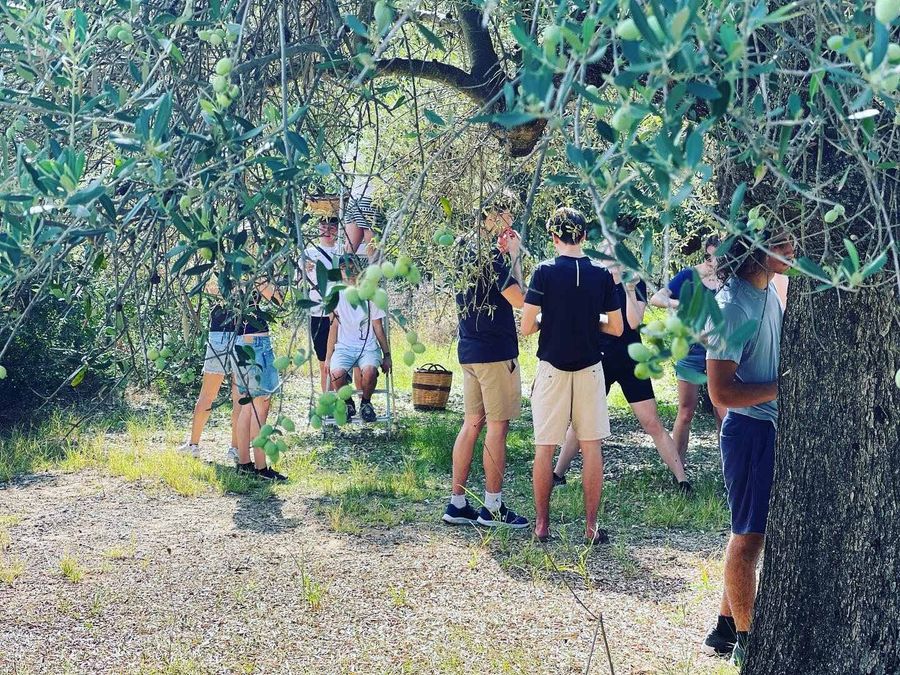
Visitors can walk through olive groves, meet producers, and learn how harvesting techniques and climate influence the final product. Olive oil is not just an ingredient here—it is a cultural identity.
Wines, Citrus & Artisan Products
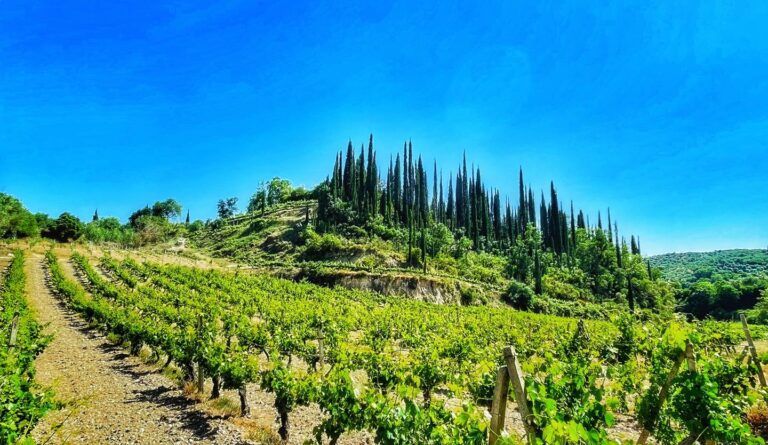
The region also produces high-quality wines, often from indigenous grape varieties cultivated on sunlit slopes. These wines pair naturally with local cuisine and seafood dishes.
Citrus fruits, honey, herbs, and handmade products such as preserves and spoon sweets are commonly found in local markets and small workshops. These artisan goods reflect the strong connection between agriculture and daily life in Messinia.
A Destination Beyond the Plate
Pylos is more than a culinary destination—it is a place where history, nature, and culture converge. Visitors can explore ancient castles, walk through Mycenaean archaeological sites, or visit the nearby Palace of Nestor.
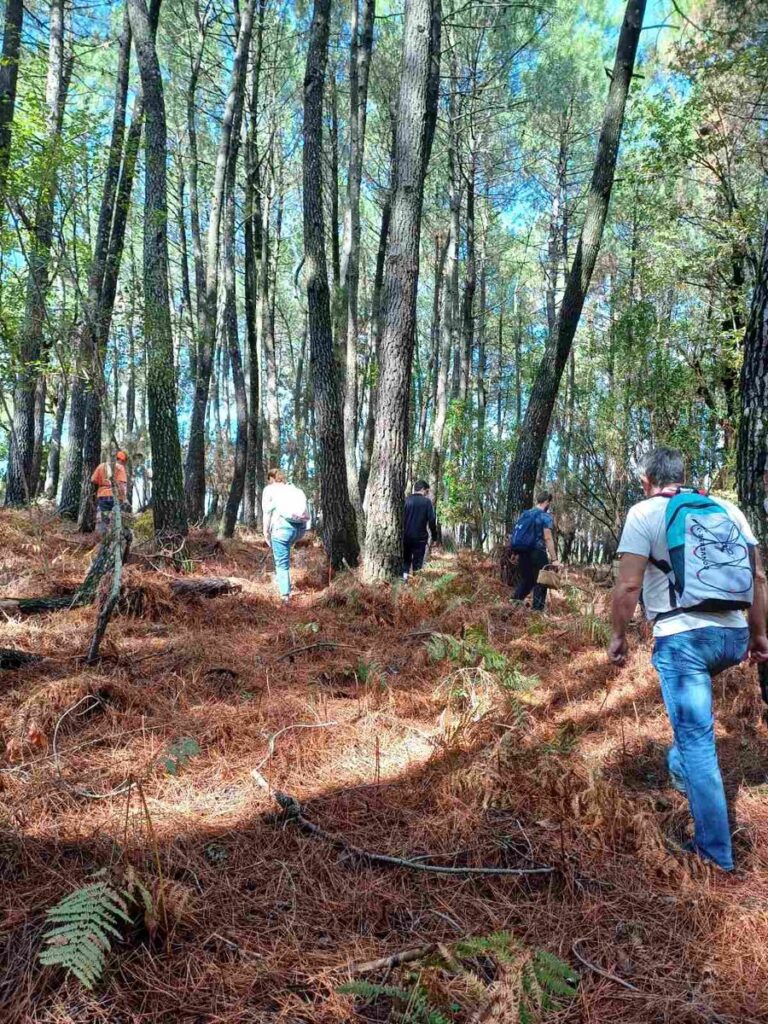
Nature lovers can enjoy birdwatching in the Gialova Lagoon, hiking coastal trails, or swimming in some of Greece’s most beautiful beaches.
Every experience in Pylos is connected to the land and sea, creating a sense of continuity between past and present.
Explore Our Pylos Food Tours
Our Pylos Food Tours offer a journey into the heart of Messinian culture. Taste traditional recipes, visit olive oil producers, explore local vineyards, and discover how ancient history still shapes everyday life.
From Mycenaean kings to Venetian harbours and modern tavernas, Pylos invites you to experience Greece through its landscapes, flavours, and timeless stories.