Discover the Ancient Minoan Palace of Southern Crete
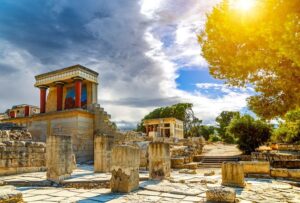
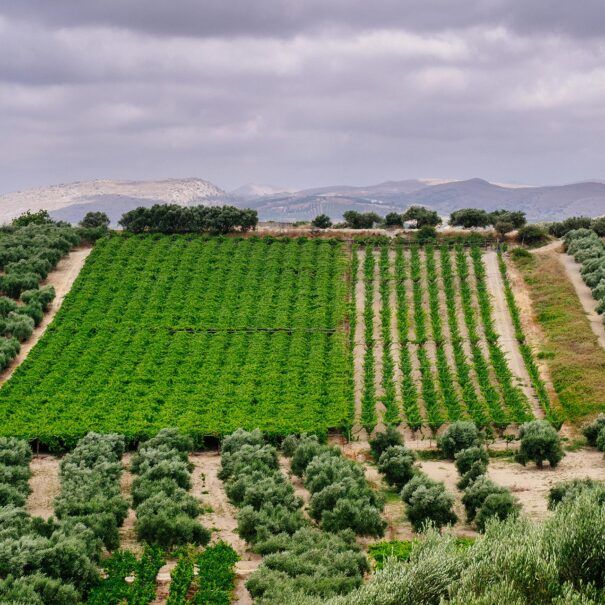
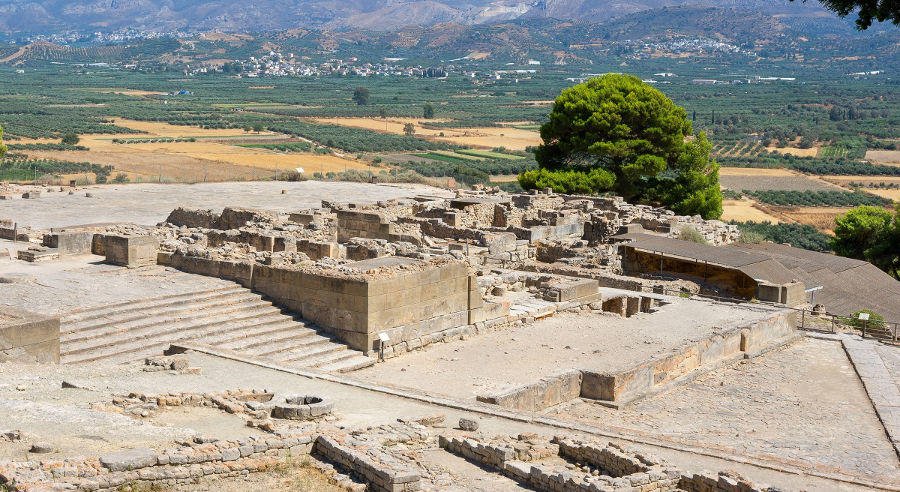
The Archaeological Site of Phaistos is one of the most important historical landmarks in Crete and a key destination for anyone interested in Minoan civilisation. Located in the fertile Messara Plain in southern Crete, Phaistos (also spelt Phaestos or Festos) was among the most powerful and prosperous cities of the Minoan world, rivalling even Knossos in influence and wealth.
History of Phaistos
The hill of Phaistos has been inhabited since the Final Neolithic Period (4500–3200 BC), when one of the region’s earliest settlements was established. During the Prepalatial Period, the settlement expanded and developed into an important community, laying the foundations for one of Crete’s greatest palatial centres.
Around 1900 BC, the First Palace of Phaistos was constructed on the northeastern side of the hill. Its strategic location allowed it to oversee the fertile Messara Plain, making it an important political, economic, and agricultural hub of Minoan Crete.
The palace became the heart of a thriving city that continued to flourish throughout the Minoan era and into the Hellenistic Period (323–67 BC). The surrounding urban settlement covered a vast area around the palace complex, highlighting the city’s significance in the ancient world.
The Rise and Fall of the Minoan Palace
Phaistos reached its peak during the Bronze Age as one of the most influential centres of Minoan civilisation. However, a major earthquake in the 15th century BC caused significant destruction to the palace.
Despite this catastrophe, the site remained continuously inhabited during the Mycenaean and Geometric periods until the 8th century BC. The enduring occupation of Phaistos demonstrates its lasting importance in the history of Crete.
Archaeological Discoveries at Phaistos
The exact location of the Palace of Phaistos was identified during the mid-19th century, leading to extensive archaeological excavations that revealed one of the finest examples of Minoan architecture.
Among the most remarkable discoveries are inscriptions written in Linear A, the undeciphered script of the Minoans. Although many Linear A texts have been found at Phaistos, the language remains a mystery, leaving many questions about the site’s history unanswered.
Much of what is known about Phaistos comes from archaeological evidence, ancient Greek writers, and comparisons with discoveries at Knossos.
Phaistos in Greek Mythology
According to Greek mythology, Phaistos was the seat of King Rhadamanthys, the wise brother of King Minos. The city is also believed to be the birthplace of Epimenides, the legendary philosopher, prophet, and one of the Seven Wise Men of ancient Greece.
These mythological connections add another fascinating layer to the rich cultural heritage of Phaistos.
Gastronomy Near Phaistos: Taste Authentic Cretan Cuisine
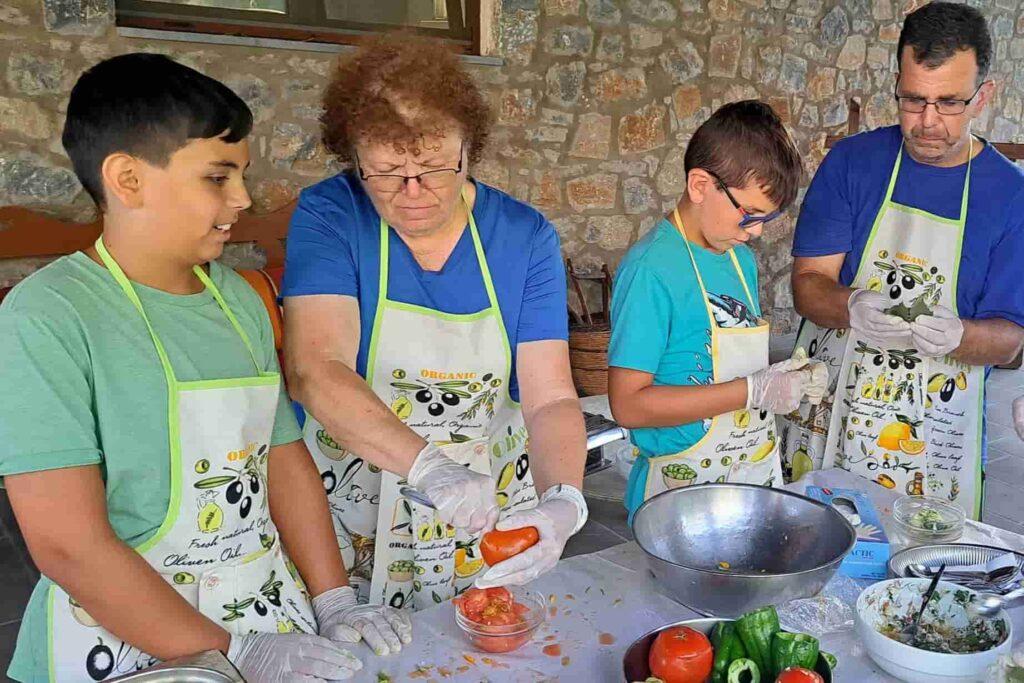
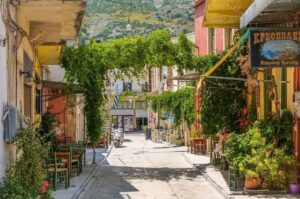
A visit to Phaistos is not complete without experiencing the rich flavours of traditional Cretan gastronomy. The surrounding villages and taverns offer some of the finest examples of authentic Cretan cuisine, prepared with fresh local ingredients and centuries-old recipes.
Dakos: One of Crete’s most famous traditional dishes, Dakos consists of barley rusks topped with ripe tomatoes, creamy mizithra or feta cheese, olives, and extra-virgin olive oil. This refreshing appetiser perfectly showcases the simplicity and quality of Cretan ingredients.
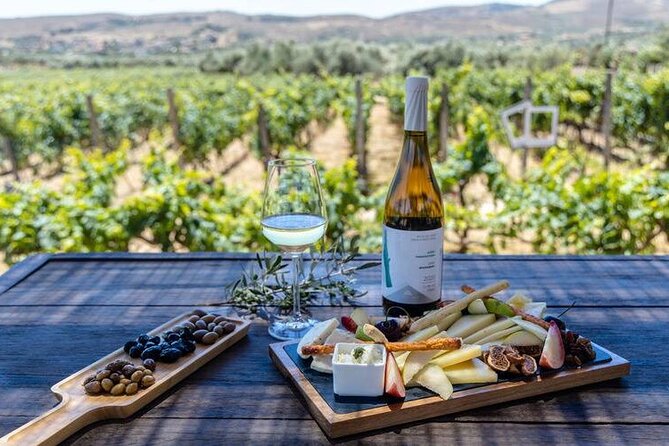
Kleftiko: a traditional slow-cooked lamb dish featuring potatoes, tomatoes, garlic, and aromatic herbs. The meat becomes exceptionally tender and is often paired with local Cretan wine.
Kalitsounia: These delicious cheese pastries are among Crete’s most beloved desserts. Filled with fresh mizithra cheese and lightly dusted with cinnamon, Kalitsounia are often drizzled with local honey for added sweetness.
Chochlioi (Cretan Snails): A unique speciality of Cretan cuisine, Chochlioi are snails typically pan-fried with rosemary, vinegar, olive oil, and flour. This traditional dish has been enjoyed on the island for generations.
Stamnagathi Salad: Made from wild greens native to Crete, Stamnagathi Salad is served with olive oil and fresh lemon juice. Its slightly bitter flavour provides a refreshing contrast to richer dishes.
Raki: No traditional Cretan meal is complete without a glass of Raki. This grape-based spirit is often offered as a gesture of hospitality and served as a digestif after meals.
Experience the Authentic Flavours of Crete
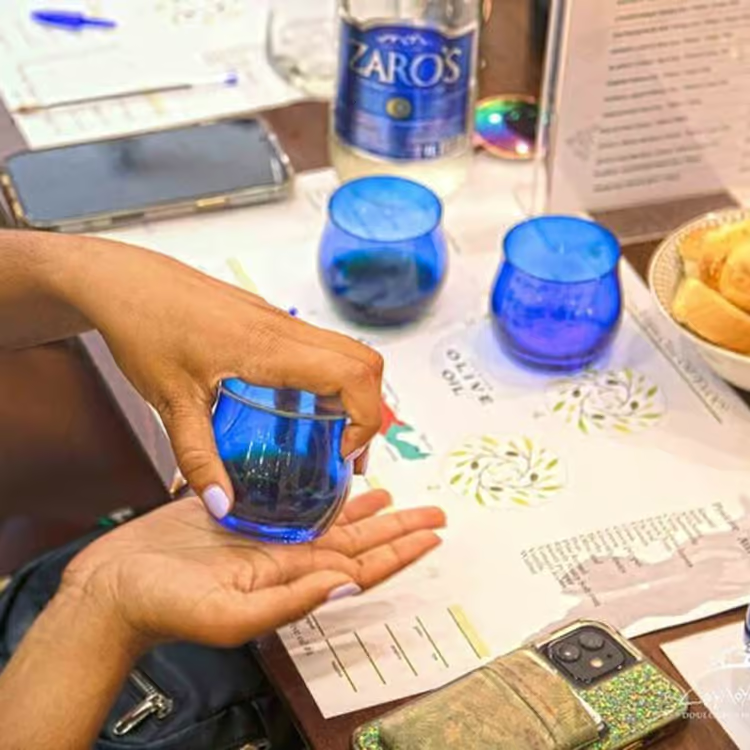
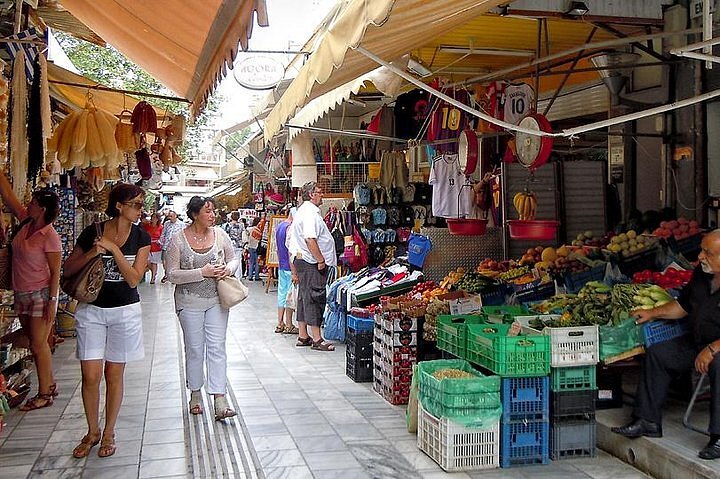
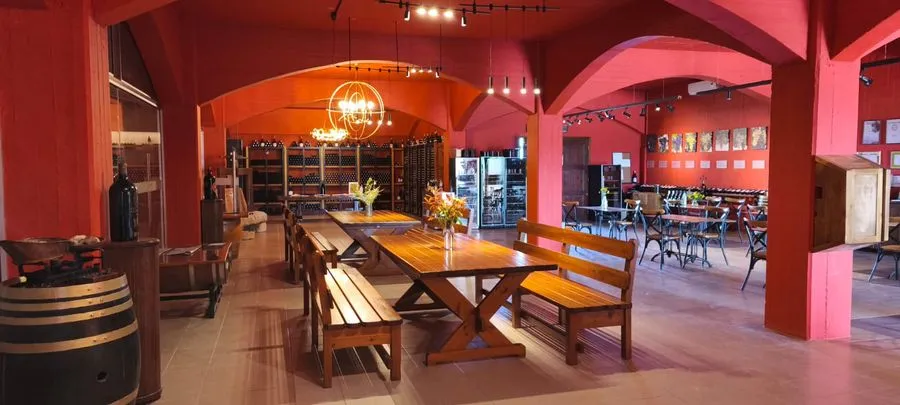
Visitors to Phaistos can combine archaeological exploration with unforgettable culinary experiences. Local producers, family-run taverns, and traditional villages around the Messara Plain offer an authentic taste of Crete’s gastronomic heritage.
From ancient Minoan history to world-renowned Cretan cuisine, Phaistos provides a unique journey through the culture, traditions, and flavours that have shaped southern Crete for thousands of years.