Naxos, Greece: The Complete Guide to the Largest Cycladic Island

Naxos is the largest of the Cyclades and the most fertile island of the Cyclades. It has a good water supply in a region where water is usually scarce. Mount Zeus (1,004 metres or 3,294 feet) is the highest peak in the Cyclades and tends to trap clouds, resulting in greater rainfall. This has made agriculture an important economic sector, with a range of vegetable and fruit crops, as well as cattle breeding, making Naxos the most self-sufficient island in the Cyclades.
History and Cultural Heritage of Naxos
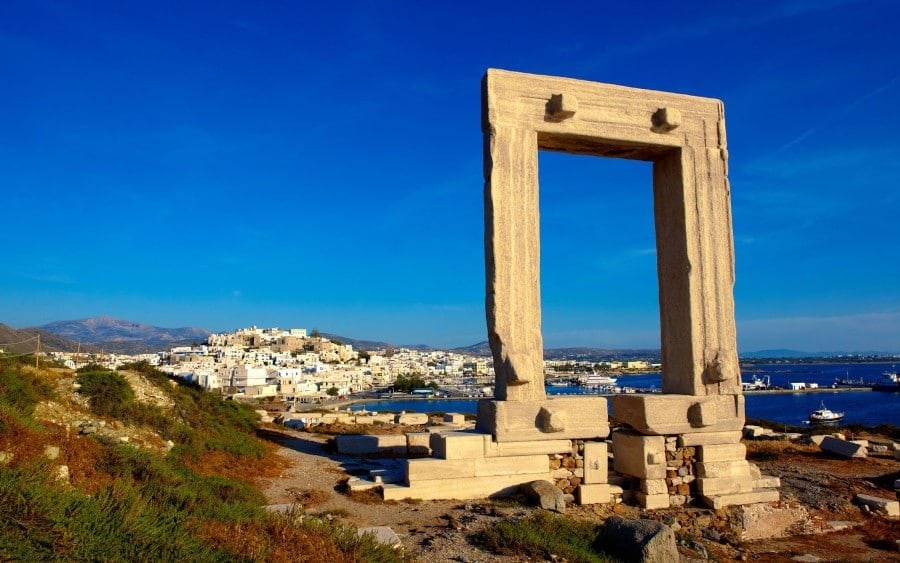
Naxos was a major centre of ancient Cycladic civilisation and flourished during the Archaic period. The island’s long history is reflected in archaeological monuments, ancient temples, and Venetian-era architecture found throughout the island.
According to Greek mythology, Naxos is the island where Dionysus discovered Ariadne, giving the island a symbolic connection to celebration, fertility, and wine culture that continues today.
Naxos is also historically important for its emery mines, once among the world’s best natural sources of abrasive material rich in corundum. These mines are now protected monuments recognised by the Greek Ministry of Culture and represent a significant part of Greece’s modern industrial heritage.
Natural Landscape and Agriculture
Unlike many Cycladic islands, which are known for their dry terrain, Naxos is exceptionally fertile thanks to abundant water resources. The island’s agricultural success is largely influenced by Mount Zeus, the highest mountain in the Cyclades at 1,004 meters.
Mount Zeus traps moisture-laden clouds, creating higher rainfall that sustains valleys, olive groves, vineyards, and grazing lands. As a result, agriculture remains a key economic activity, producing vegetables, fruits, olives, wine, and dairy products. This agricultural richness makes Naxos the most self-sufficient island in the Cyclades.
Naxos Gastronomy: Authentic Flavours of the Cyclades
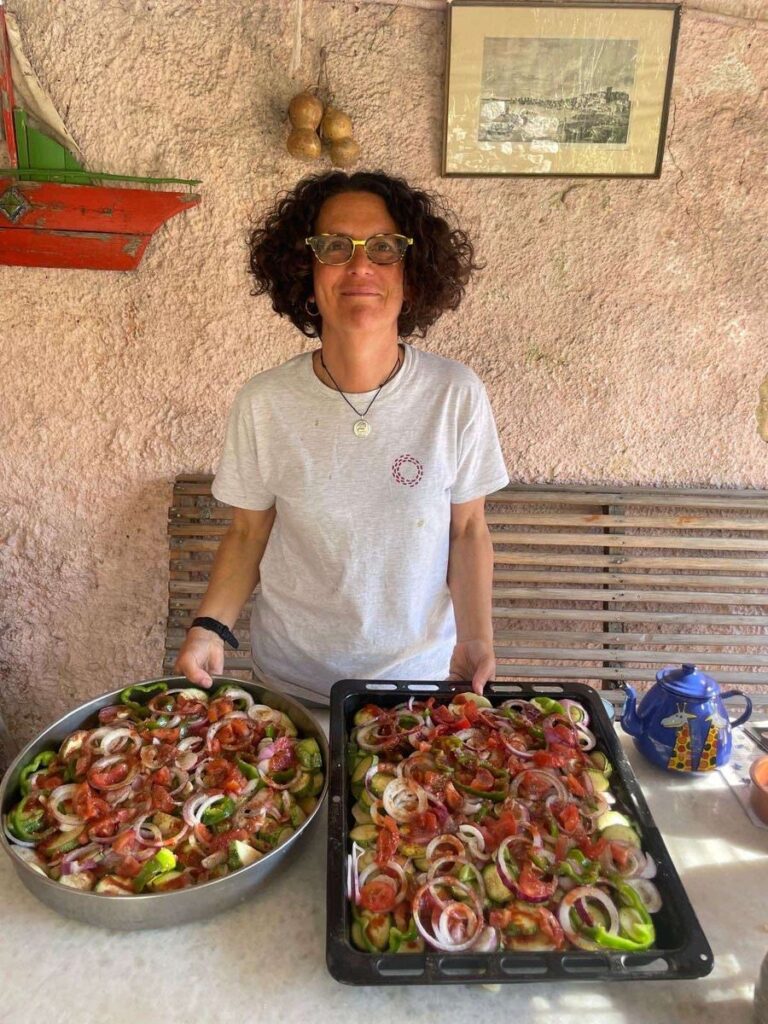
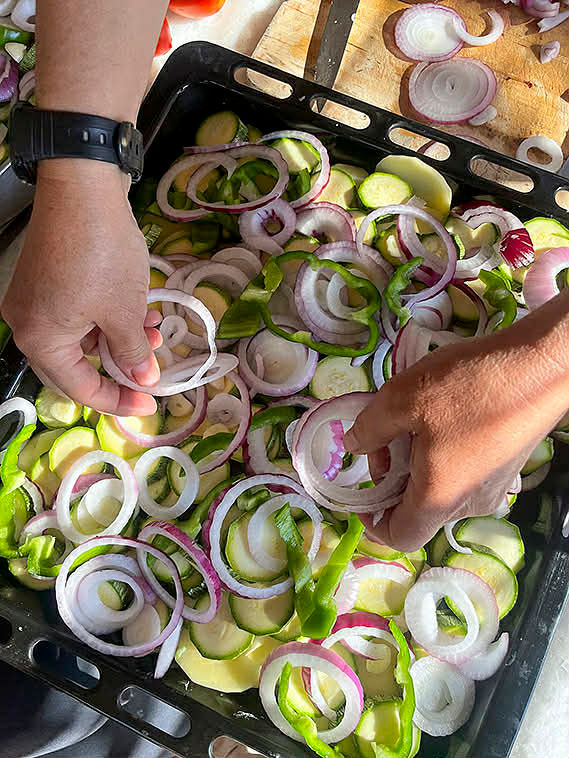
Food is one of the strongest reasons to visit Naxos, as local cuisine is deeply connected to the island’s farming and pastoral traditions.
Traditional Cheeses and Local Products
Naxos is famous throughout Greece for its exceptional dairy products, including:
The island is also renowned for its high-quality Naxian potatoes, grown in fertile plains.
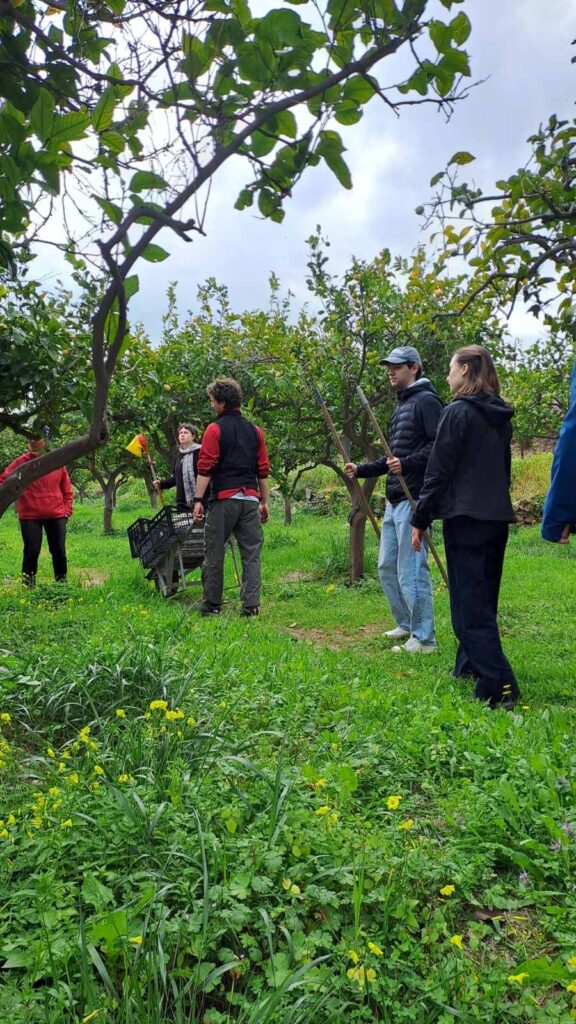
Local citrus fruits are used to produce aromatic traditional liqueurs enjoyed as digestifs.
Traditional Meat Dishes
Visitors can enjoy authentic island recipes such as:
- Pork rosto with garlic and wine
- Pork fricassee with wild greens (provatses)
- Kokoras krasatos (rooster in wine sauce)
- Kouneli lemonato (rabbit with lemon and herbs)
- Roasted or boiled goat with potatoes or pasta
- Kalogeros (beef with eggplant and cheese)
- Kokkinisto (veal in tomato sauce)
- Stuffed lamb with celery and fennel
- Gardoumia (traditional offal dish)
Seafood Specialties
Fresh seafood is equally important in Naxian cuisine:
- Gouna (grilled or sun-dried mackerel)
- Salatouri (skate fish)
- Marinated anchovies
- Astakomakaronada (lobster pasta)
- Charcoal-grilled octopus
Traditional Desserts
End your meal with melachrino, a traditional almond and chocolate dessert flavoured with spices and citrus aromas.
Why Visit Naxos?
Naxos offers a balanced Greek island experience combining:
- Long sandy beaches ideal for families and watersports
- Traditional mountain villages with authentic local life
- Venetian castles and historic old towns
- Scenic hiking routes and fertile valleys
- Farm-to-table gastronomy and local products
Unlike more crowded Cycladic destinations, Naxos preserves its authenticity while providing modern tourist facilities, making it ideal for travellers seeking culture, nature, and relaxation.