Genuine Simplicity, Love of Tradition
Central Greece gastronomy finds one of its most authentic expressions, where popular culture, local products, and time-honoured cooking methods come together to create a rich and enduring gastronomic identity. Deeply connected to the land and its people, the region’s food reflects centuries of agricultural, pastoral, and coastal traditions, highlighting the creative use of seasonal ingredients and simple, honest techniques.
Discovering Central Greece Gastronomy
The culinary heritage of Central Greece extends far beyond ingredients—it is rooted in stories, customs, and family traditions passed down through generations. Each household often preserves its own version of classic recipes, subtly adapted over time while remaining faithful to their origins.
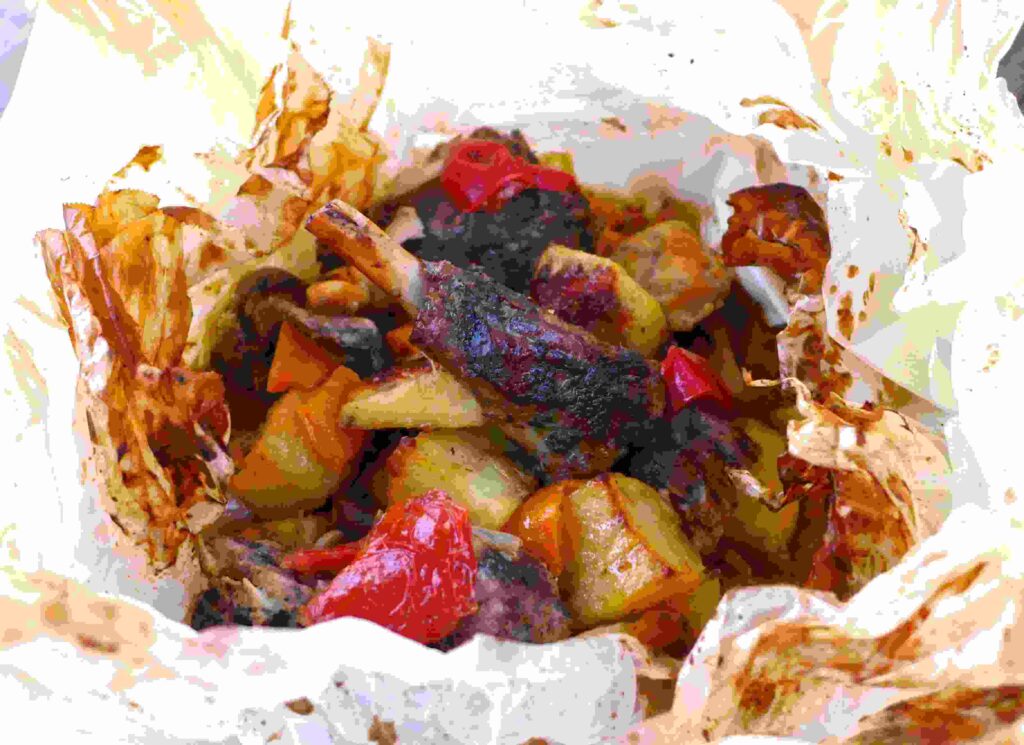
One emblematic dish is kleftiko, a slow-cooked lamb preparation baked with herbs and vegetables, traditionally sealed in parchment or clay. This method locks in flavour and tenderness while reflecting the communal spirit of Greek dining, where meals are shared among family and friends.
Freshwater fish also play an important role in local cuisine. Lakes and rivers across the region provide fish species that are typically grilled or fried, often prepared with simple recipes that let their natural flavours shine.
Wine, Olive Oil & Local Production
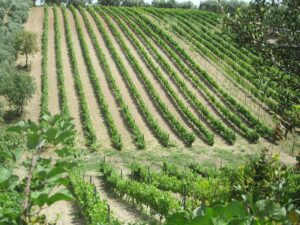
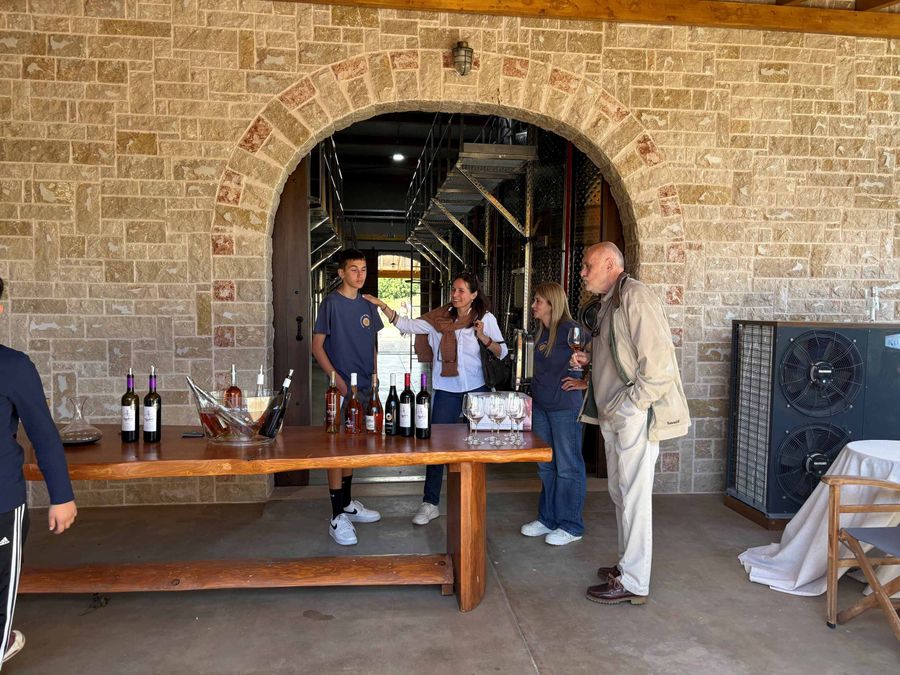
Wine culture is an essential part of Central Greece’s gastronomic identity. Vineyards across the region produce wines with distinct character, shaped by diverse microclimates and terroirs. Wine experiences offer visitors the opportunity to taste local varieties while learning about traditional and modern winemaking techniques.
Equally important is olive oil, a cornerstone of Greek gastronomy. Regions such as Phocis and Boeotia are known for producing high-quality extra virgin olive oil, valued for its low acidity, rich aroma, and balanced flavour. Used generously in vegetables, legumes, seafood, and pies, it enhances dishes while reflecting centuries-old cultivation practices.
From Sea to Lagoon: Unique Delicacies
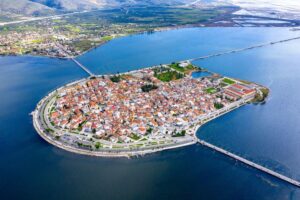
The region’s diverse natural environment—from coastal areas to lakes and lagoons—offers a wealth of seafood. One of the most prized products of Central Greece Gastronomy is bottarga from Messolonghi, made from cured grey mullet roe. This delicacy is internationally recognised for its refined taste and delicate texture, often served thinly sliced or used to elevate pasta and seafood dishes.

Bottarga is one of the most prized delicacies of Greek traditional cuisine, and Central Greece’s gastronomy—particularly the lagoon of Messolonghi—is internationally renowned for its exceptional quality. Made from the cured roe of grey mullet, Messolonghi bottarga is produced using traditional methods that preserve its rich, umami flavour and delicate texture. Often served thinly sliced with olive oil or used to elevate simple pasta and seafood dishes, bottarga embodies the region’s close relationship with the sea and stands as a symbol of its refined yet authentic gastronomic heritage.
A Cuisine Rooted in Nature
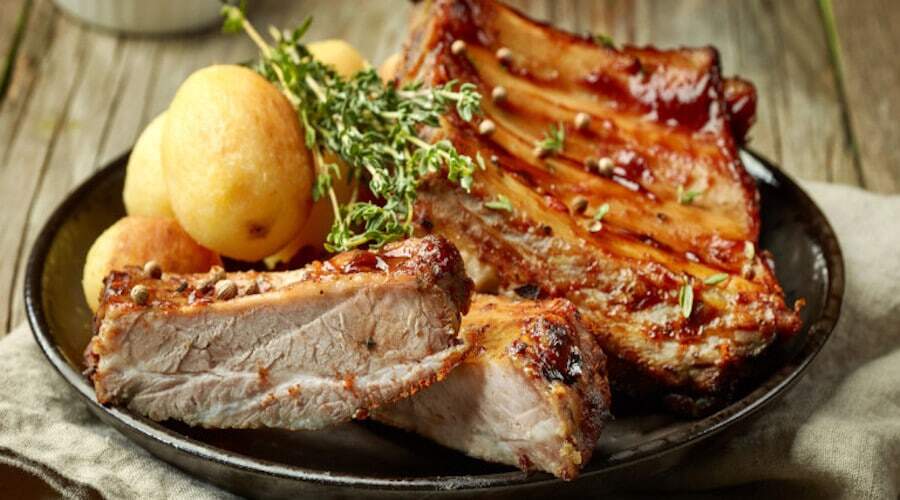
Central Greece gastronomy is widely known for its roasted meats, a defining feature, often accompanied by handmade pies filled with wild greens, herbs, cheeses, or vegetables. These pies are both everyday staples and festive dishes, reflecting a strong connection to the natural environment.
Dairy products also hold a central place, with cheeses and yoghurts produced from animals grazing freely in herb-rich mountainous areas. This gives them distinctive aromas and flavours that are characteristic of authentic Greek cuisine.
Fertile plains and mountainous landscapes further provide legumes, grains, olives, vegetables, and wild herbs, forming the foundation of many traditional recipes.
A Living Culinary Tradition
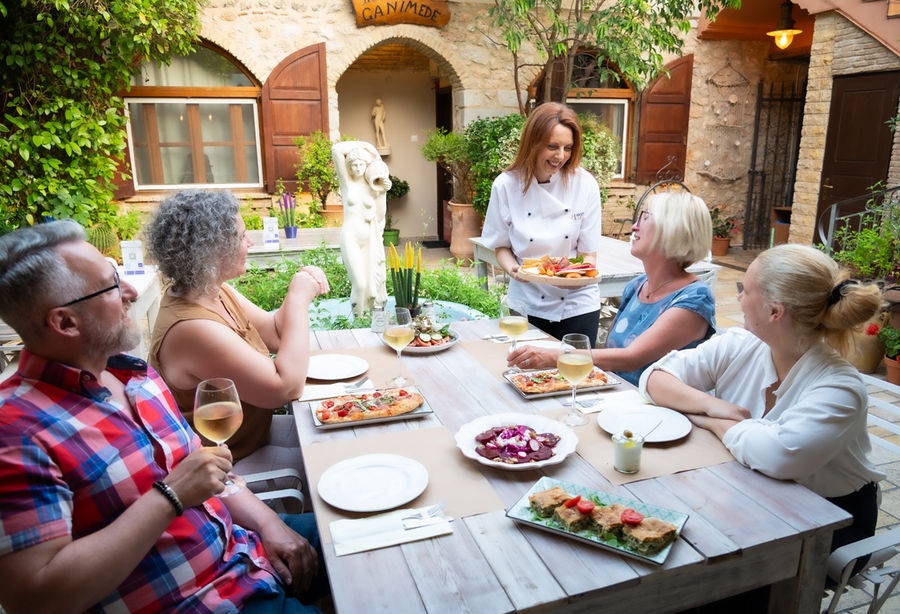
In Central Greece Gastronomy and Cuisine is not just about food—it is about connection. Meals are social rituals, bringing together family and friends to share stories and celebrate life’s moments. Food becomes a narrative tool, reflecting the history, values, and resilience of local communities.
From everyday dishes to festive meals and seasonal celebrations, the region’s gastronomy continues to evolve while staying true to its roots. Visitors are invited to explore local markets, meet producers, and experience the flavours that define this rich culinary landscape.
Exploring Local Markets of Central Greece Gastronomy
| Product | Benefits |
| Local Olives | High in healthy fats and antioxidants. |
| Fresh Fish | Rich in omega-3 fatty acids. |
| Herbs and Spices | Enhance flavor and offer health benefits. |
| Cheeses | Source of calcium and protein. |
The Authentic Taste of Central Greece Gastronomy
Exploring the traditional cuisine of Central Greece offers a genuine insight into Greek culture. It is a cuisine built on authenticity, simplicity, and generosity—where every dish carries the essence of the land and the spirit of its people.
Ultimately, the region stands out as a destination where gastronomy goes beyond taste, offering meaningful experiences that connect visitors to tradition, nature, and community.
Protected Designation of Origin (PDO) and Protected Geographical Indication (PGI) products
| Product | Designation of origin and Geographical indication | Prefecture |
| Fruits, dried nuts | Kiwi of Sperchios (PDO) | Phthiotis |
| Fruits, dried nuts | Pistachio of Fthiotida (PDO) | Phthiotis |
| Olives | Conservolia of Amfissa (PDO) | Fokida |
| Olives | Conservolia of Atalanti (PDO) | Phthiotis |
| Olives | Conservolia of Stylida (PDO) | Phthiotis |
| Olives | Conservolia of Rovies (PDO) | Evia |
| Cheese | Formaella of Arachova (PDO) | Boeotia |
| Cheese | Feta (PDO) | All regional units |
| Cheese | Katiki of Domokos (PDO) | Phthiotis |
| Cheese | Kefalograviera (PDO) | Evtytania, Aetoloakarnania |
| Fish, mollusks | Bottarga of Messolonghi (PDO) | Aetoloakarnania |
| Wine | Thiva (PGI) | Boeotia |
| Wine | Valley of Atalanti (PGI) | Phthiotis |
| Wine | Opoundia Lokris (PGI) | Phthiotis |
| Wine | Slopes of Knimida (PGI) | Phthiotis |
| Wine | Parnassos (PGI) | Fokida |
| Wine | Martino (PGI) | Phthiotis |