
Eretria: History, Culture, and Authentic Food Tours in Euboea
Located on the western coast of Euboea (also known as Evia) in Greece, the historic town of Eretria is a fascinating destination where ancient heritage meets authentic gastronomy. Today, visitors exploring the region through food tours can experience not only traditional Greek flavours but also the rich history that shaped one of the most important cities of ancient Greece.
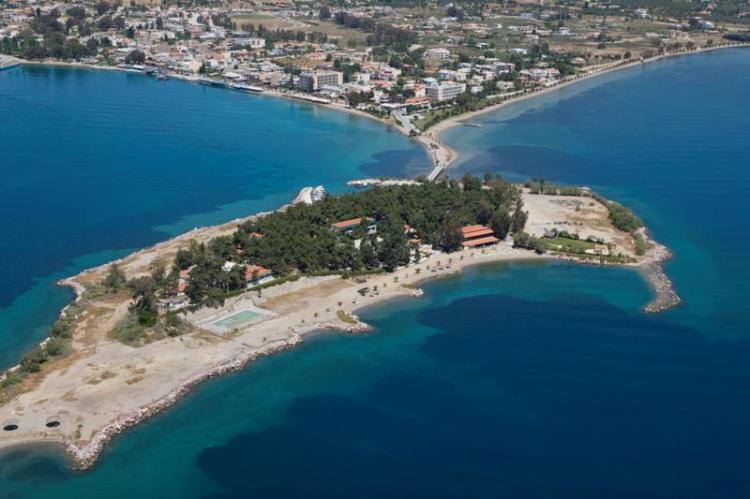
Eretria offers a unique combination of archaeological treasures, coastal beauty, and vibrant local cuisine. For travellers interested in culture and gastronomy, food tours in Eretria provide an immersive journey through centuries of Greek history and culinary tradition.
The Ancient History of Eretria
The story of Eretria begins during the Geometric and Archaic periods (around 900–500 BCE), when the city emerged as a powerful maritime centre. Its strategic position along major sea routes allowed Eretria to develop strong commercial networks and naval power.
One of the city’s greatest achievements was its role in Greek colonisation. Eretrian settlers helped establish the settlement of Pithekoussai in southern Italy, one of the earliest Greek colonies in the western Mediterranean. This expansion strengthened Eretria’s economic and cultural influence across the ancient world.
However, the city also faced intense rivalry with nearby Chalcis. The famous Lelantine War between the two cities was one of the earliest recorded conflicts between Greek city-states, demonstrating the importance of the fertile Lelantine plain and regional trade routes.
Cultural and Religious Significance
Beyond its military and economic power, it became an important centre of culture, religion, and artistic development.
A key landmark of the city was the impressive Temple of Apollo Daphnephoros. Dedicated to the god Apollo, the sanctuary served as a major spiritual centre and demonstrated the city’s architectural and artistic sophistication.
The temple complex contained sculptures, decorative elements, and religious offerings that reflected the creativity of Eretrian artisans. Religious festivals and ceremonies held here played a significant role in the city’s social and cultural life.
Persian Destruction and Classical Recovery
Eretria’s prosperity was severely challenged during the Greco-Persian Wars. In 490 BCE, the city was destroyed by Persian forces under Darius I as punishment for supporting the Ionian Revolt against Persian rule.
Despite this devastation, it managed to recover and later joined the powerful Delian League led by Athens. During the Hellenistic period, the city experienced renewed prosperity, constructing impressive public buildings, temples, and one of the most remarkable theatres of the ancient Greek world.
The Roman Period and Decline
During the Roman Empire, Eretria gradually lost its political power but remained an important regional centre. Over time, invasions, economic changes, and natural disasters contributed to the city’s decline.
Today, the archaeological site preserves many of the ancient structures that once defined the city. Visitors can explore the remarkably well-preserved Ancient Theatre of Eretria, parts of the city walls, impressive mosaics, and the remains of public buildings, which illustrate the sophistication of ancient urban life.
Modern Eretria and Its Gastronomic Identity
Modern Eretria is a charming seaside town that combines history with a lively local culture. The town’s waterfront tavernas, markets, and farms create the perfect setting for food tours that showcase the culinary heritage of Evia.
Food tours in Eretria typically include tastings of fresh seafood, traditional Greek dishes, and locally produced ingredients. Visitors can enjoy authentic meals while learning about the agricultural traditions that continue to shape the region.
Explore Our Eretria Food Tours
Discover Eretria through food and wine tours designed for travellers who want to meet local producers and learn about the region’s products and cuisine. Visit farms and small workshops, see how food is made, and gain a genuine insight into the region’s everyday food culture.
Local Traditional Products in the Eretria Region
The wider Evia region is known for its diverse agricultural production and artisanal food traditions. Many small producers continue to follow age-old methods that preserve the authentic character of local products.
Dairy Products
The region produces several exceptional traditional cheeses. Among the most notable are:
These cheeses are valued for their rich flavour, high quality, and connection to local pastoral traditions. Many food tours in Eretria include cheese tastings at small farms or local markets.
Beekeeping and Honey Production
Beekeeping has long been an essential activity in Evia. The island’s diverse flora—aromatic herbs, pine forests, and wildflowers—creates ideal conditions for producing exceptional honey.
Local beekeepers produce varieties such as:
- thyme honey
- pine honey
- wildflower honey
These products reflect the natural environment of Evia and are widely used in traditional desserts and pastries.
Winemaking in Evia
Wine production is another important part of the region’s agricultural identity. Small wineries cultivate local grape varieties and produce wines with distinctive character.
White Varieties
Savatiano: The most widespread variety, producing wines with a rich body.
Roditis: Very common, offering freshness and balanced character.
Assyrtiko: Provides strong acidity and mineral notes, mainly cultivated in southern Euboea.
Malagousia: An aromatic variety that is successfully cultivated in the region.
Asprouda: An indigenous variety from northern Euboea.
Athiri & Aidani: Also cultivated in the area.
Red Varieties
Mandilaria (Kountoura): The dominant red variety, especially in southern Euboea.
Vradiano: An indigenous and excellent red variety from northern Euboea.
Kartsiotis: A local red grape variety.
Liatiko: Cultivated mainly in organic vineyards.
International Varieties
In addition to local grapes, several international grape varieties are also cultivated in the vineyards of Euboea.
Wine tastings are a popular component of food tours, allowing visitors to pair local wines with regional dishes and cheeses.
Traditional Baked Goods
Artisanal bakeries and family producers continue to prepare traditional baked goods using local ingredients and time-honoured recipes.
Visitors on food tours can taste:
- rustic village breads
- handmade pastries
- traditional biscuits and sweets
These baked products represent an important part of the region’s culinary heritage and demonstrate the simplicity and authenticity of Greek rural cuisine.
Food Tours: A Unique Way to Experience Eretria
Exploring Eretria through food tours allows travellers to connect with both the ancient past and the living traditions of the region. A typical culinary tour may include:
- visits to archaeological landmarks
- tastings of local cheeses and honey
- wine sampling at small wineries
- meals at traditional seaside tavernas
- encounters with local producers and farmers
These experiences offer a deeper understanding of the culture, history, and gastronomy that define Eretria.
A Destination Where History and Gastronomy Meet
From its powerful role in ancient Greek history to its vibrant modern food culture, Eretria remains a fascinating destination. Its archaeological treasures, scenic coastline, and authentic local products make it an ideal place for travellers seeking meaningful cultural experiences.
Today, food tours in Eretria provide visitors with an unforgettable journey through the flavours, traditions, and stories of Evia—where every dish reflects the land’s rich history and enduring hospitality.