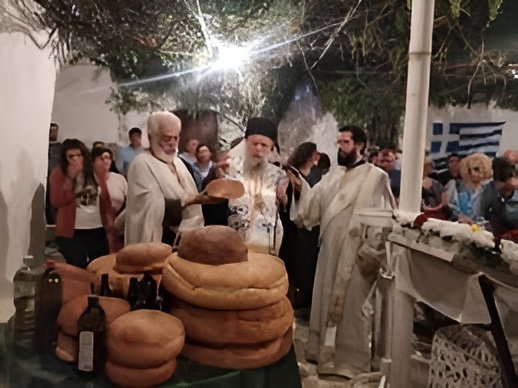
A Journey of Faith and Tradition
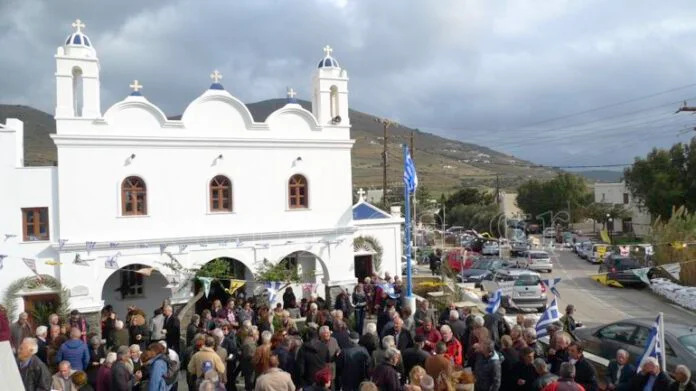
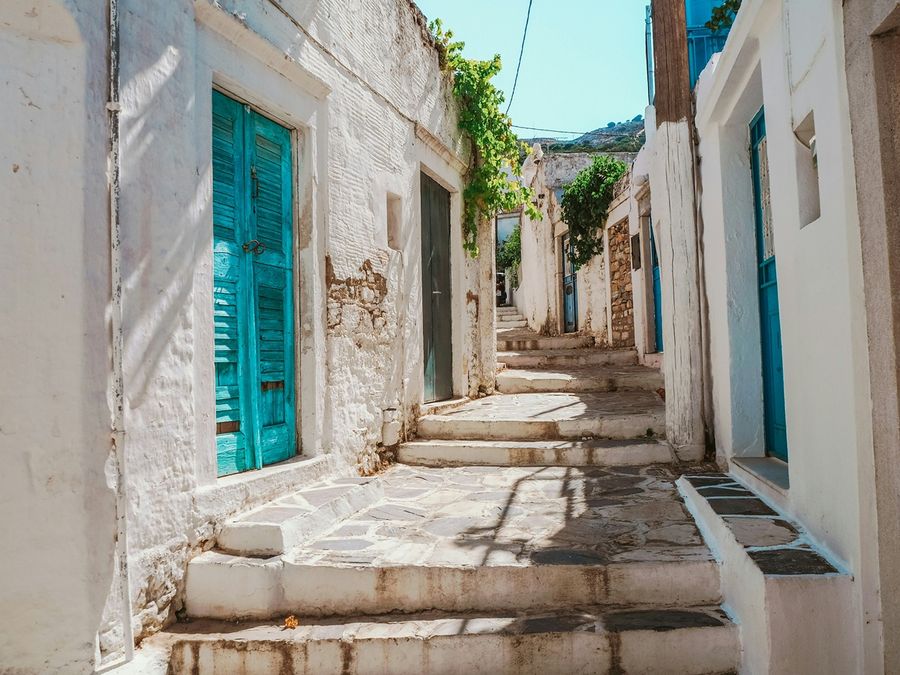
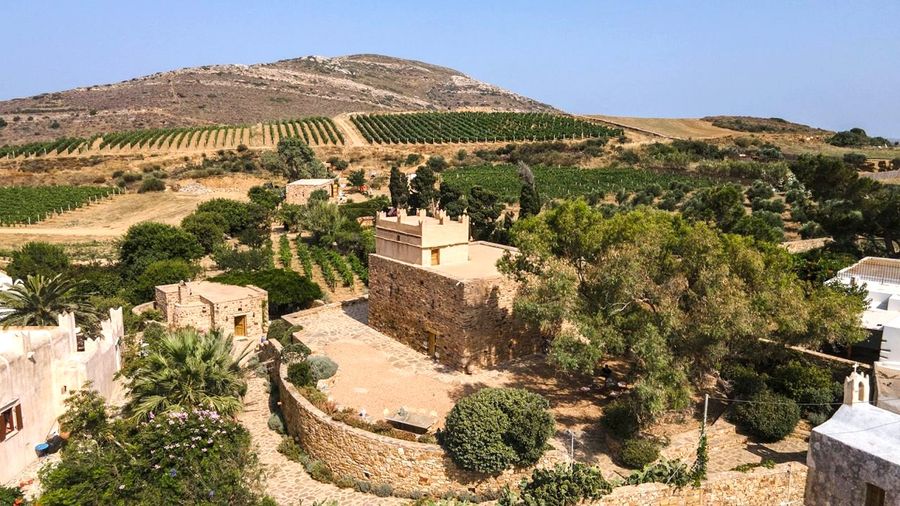
In the heart of Naxos, the picturesque village of Sangri (Sagri) celebrates one of its traditional religious festivals, the Festival of Agioi Anargyroi in Sagri (Saints Cosmas and Damian). This special occasion brings together religious devotion, traditional Naxian hospitality, homemade food, live music and dancing, creating an authentic celebration of Greek island culture.
A traditional panigiri is much more than a religious feast. It brings families, friends, and visitors together to honour their patron saints, share food, and celebrate customs passed down through generations.
In Sangri, the celebration reflects the warmth and communal spirit that make traditional festivals in Naxos so special.
The Religious Ceremony – Honouring Saints Cosmas and Damian
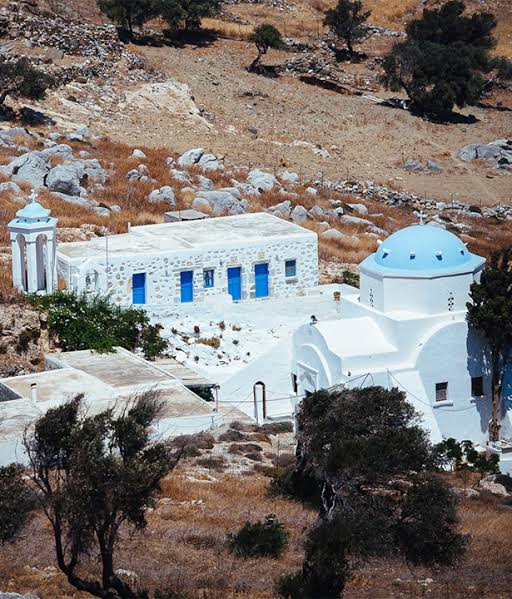
The festivities begin with the religious service dedicated to Agioi Anargyroi, Saints Cosmas and Damian, who are particularly revered in the Greek Orthodox tradition.
Known as the Holy Unmercenaries, the saints are remembered for their healing abilities and their dedication to helping others without accepting payment. Their example represents generosity, compassion and selflessness.
On the eve of the feast, the church bells call the faithful to the Festive Vespers. The service brings together local residents and visitors in an atmosphere of prayer and reverence.
The ceremony may include the traditional Blessing of the Loaves (Artoklasia), an Orthodox Christian blessing associated with gratitude, fellowship and the sharing of blessings.
As the evening unfolds, Byzantine hymns, the fragrance of incense, and the warm glow of candles create a deeply spiritual atmosphere.
For the people of Sangri, this religious gathering is an important expression of faith and a meaningful connection with their community’s traditions.
From Prayer to Celebration – The Traditional Village Panigiri
Once the religious service concludes, the atmosphere gradually changes. The church’s solemnity gives way to the joyful spirit of the traditional Greek panigiri.
The celebration centres on togetherness, with communal tables, traditional dishes, local drinks and plenty of opportunities for conversation and dancing.
A characteristic feature of Naxian village festivals is the generosity of the local people. People share food, welcome guests, and encourage everyone to join the festivities.
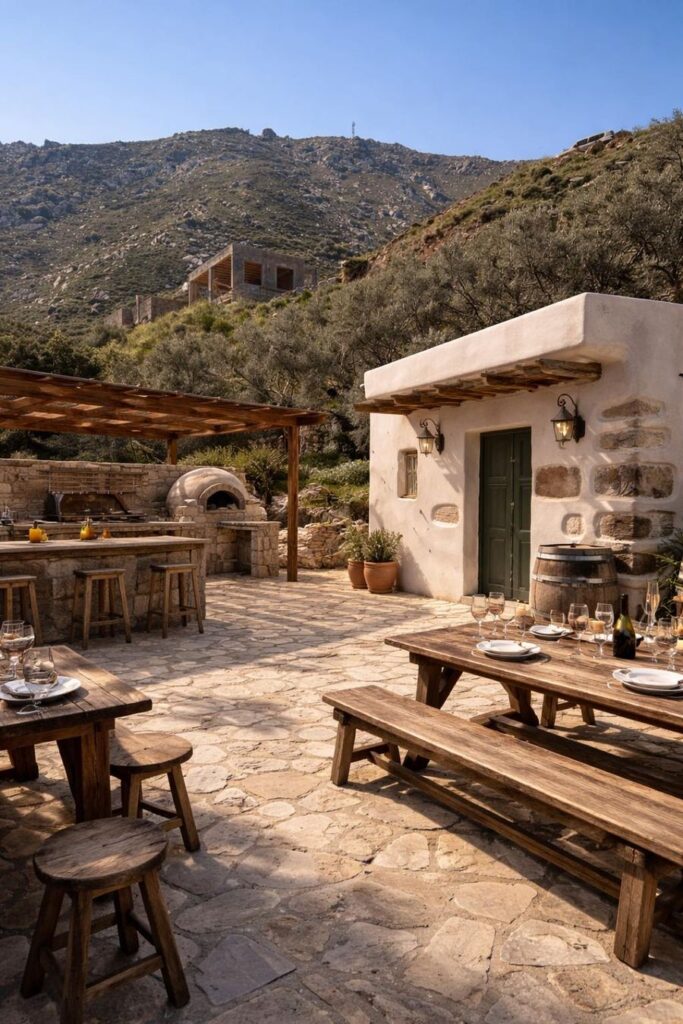
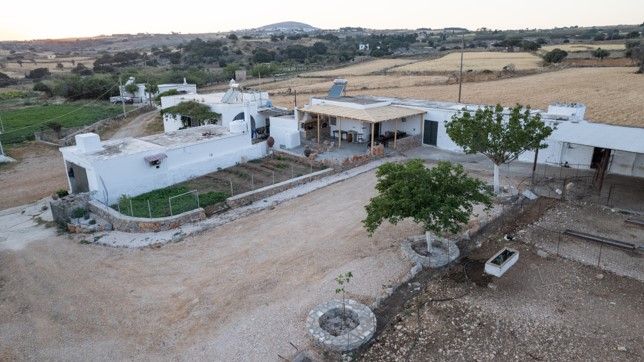
The celebration associated with the Festival of Saints Anargyroi in Sagri has also been linked with gatherings at the Bogiatzoglou Estate, an open-air setting where traditional food and music create a memorable atmosphere. Confirm the venue and arrangements with the local organisers each year.
Traditional Naxian Food – Flavours of a Village Celebration
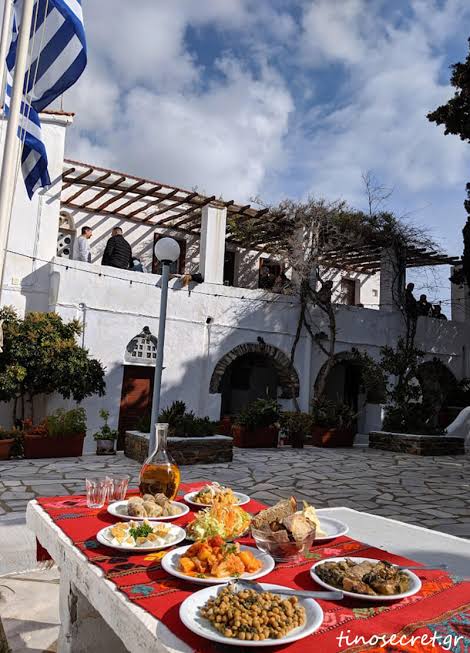
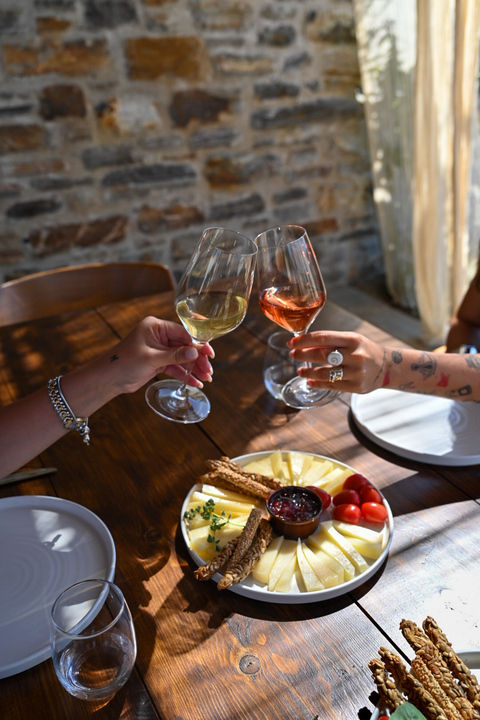
Food plays an essential role in every traditional panigiri in Naxos. The communal meal is not simply about eating; it is an opportunity to share the island’s culinary heritage and enjoy the generosity of local hospitality.
Depending on the festival’s arrangements, traditional dishes may include:
- Naxian chickpea stew: A comforting traditional dish prepared with chickpeas and local ingredients.
- Oven-baked goat: Slow-cooked meat reflecting the island’s pastoral traditions.
- Local Naxian cheeses: Including graviera, arseniko and other regional specialities.
- Traditional homemade dishes: Prepared using recipes passed down through local families.
- Local wine and raki: Drinks that accompany the communal feast and the evening celebrations.
The shared meal is one of the most memorable parts of the Festival of Saints Anargyroi in Sagri, bringing people together around long tables and creating the feeling of being welcomed into a large village family.
Traditional Music and Dancing – A Night of Naxian Celebration
As the evening progresses, traditional island music becomes the heart of the celebration.
The sounds of the violin and lute, together with other traditional instruments such as the tsambouna (Cycladic bagpipe), create the lively musical atmosphere associated with the Greek islands.
The musicians set the rhythm while locals and visitors join hands in traditional dances, including the syrtos and ballos.
The dancing often continues late into the night. Circles grow, people sing along, and the atmosphere becomes increasingly joyful.
For visitors, this is a wonderful opportunity to experience Naxian music and dancing as part of a genuine community celebration rather than simply watching a performance.
A Celebration of Community – The Spirit of Greek Hospitality
What makes the Festival of Saints Anargyroi in Sagri particularly meaningful is its strong sense of community.
Local residents, families, and community groups organise and support traditional Greek religious festivals. Preparations often begin well before the feast, with people contributing food, organising the gathering and helping create the welcoming atmosphere.
Older generations preserve the customs, songs and traditional recipes, while younger residents continue to participate and keep the celebration alive.
Visitors are welcomed into this atmosphere of sharing and togetherness, discovering the genuine hospitality Naxos is famous for.
This is the essence of a traditional panigiri: faith, friendship, music, food and the joy of celebrating together.
Indicative Festival Programme
June 30 – Eve of the Festival of Saints Anargyroi in Sagri
- 19:00 – Festive Vespers: Religious service at the Church of Agioi Anargyroi, attended by local residents and visitors.
- 20:00 – Artoklasia: Traditional blessing of the five loaves, symbolising fellowship and shared blessings.
- 21:00 – Beginning of the Festivities: Locals and guests gather for an evening of traditional Naxian hospitality.
- 21:30 – Traditional Dinner: Enjoy local dishes, Naxian specialities and regional wine.
- 22:00 – Live Traditional Music: Violin, lute, and traditional island melodies set the evening’s rhythm.
- 22:30 onwards – Dancing and Celebration: Traditional syrtos and ballos dances, with festivities continuing late into the night.
July 1 – Feast Day
- Morning – Divine Liturgy: Religious celebration honouring Saints Cosmas and Damian, subject to the local church programme.
- Following the Service – Community Gathering: An opportunity for residents and visitors to exchange wishes and celebrate together.
Please note: This is an indicative programme, not an officially confirmed schedule. Times, venues, musical performances and catering arrangements may vary each year.
Why Experience the Festival of Saints Anargyroi in Sagri?
If you are visiting Naxos during the summer, attending a traditional village festival is a wonderful way to discover the island’s cultural identity.
The Festival of Saints Anargyroi in Sagri offers an opportunity to:
- Experience an authentic Greek Orthodox religious celebration.
- Discover traditional Naxian customs and hospitality.
- Taste local dishes and regional products.
- Listen to live traditional Cycladic music.
- Join the locals in traditional Greek dancing.
- Experience the communal atmosphere of a village panigiri.
More than an ordinary summer event, the celebration offers a glimpse into the traditions that continue to shape everyday life in Naxos villages.
If you are on the island around the feast day, Sangri is a wonderful place to experience the warmth, generosity and festive spirit of traditional Naxian life.
The Festival of Saints Anargyroi in Sagri is a celebration where faith meets music, food and friendship – a beautiful expression of the authentic spirit of Naxos.
The Festivals of Naxos: A Rich Calendar of Religious Celebrations
The Festival of Saints Anargyroi in Sagri is not an isolated event. It belongs to a much wider tradition of religious celebrations held throughout the year in villages across Naxos.
The island’s annual calendar includes numerous feasts dedicated to saints and important religious occasions. These celebrations offer an opportunity to discover each village’s distinctive customs and traditions.
Some notable dates include:
| Date | Festival | Location |
|---|---|---|
| June 30 | Agii Apostoli | Melanes |
| July 7 | Agia Kyriaki | Potamia |
| July 7 | Agios Prokopios | Agios Prokopios |
| July 14 | Agios Nikodimos | Chora and Glinado |
| July 17 | Agia Marina | Aggidia and Koronos |
| July 25 | Agia Anna | Agia Anna |
| July 26 | Agia Paraskevi | Kinidaros |
| July 27 | Agios Panteleimon | Agersani |
| August 6 | Sotiros (Transfiguration) | Glinado, Damarionas and Kourounochori |
| August 15 | Dormition of the Virgin Mary | Throughout Naxos, especially Filoti |
| August 23 | Enniamera Panagia | Tripodes |
| August 29 | Agios Ioannis | Apeiranthos, Apollonas and Agersani |
These celebrations demonstrate how religious observances remain deeply embedded in the island’s cultural identity. Each village contributes its own character, traditions and hospitality to the wider festival calendar.