A Celebration of Faith, Music and Tradition
The Festival of Saint Kyriaki in Potamia (Agia Kyriaki), celebrated every year on July 7, is one of the island’s traditional religious celebrations. It brings together Orthodox Christian devotion, local music, dancing, food and the unmistakable hospitality of the Naxian people.
Part of the wider calendar of the Festivals of Naxos, this celebration offers visitors a chance to discover a side of the island beyond its beaches, archaeological sites, and popular tourist destinations. It is a living expression of local identity, where religious observance and communal entertainment come together.
The Municipality of Naxos and Small Cyclades and the Aegean Islands tourism portal officially list the feast among Naxos’s annual religious celebrations. Both identify Agia Kyriaki in Potamia on July 7.
Festival of Saint Kyriaki in Potamia: Faith and Celebration
The celebration honours Saint Kyriaki, known in Greek Orthodox tradition as Agia Kyriaki. Her feast day falls on July 7, when churches and chapels dedicated to her celebrate her memory.
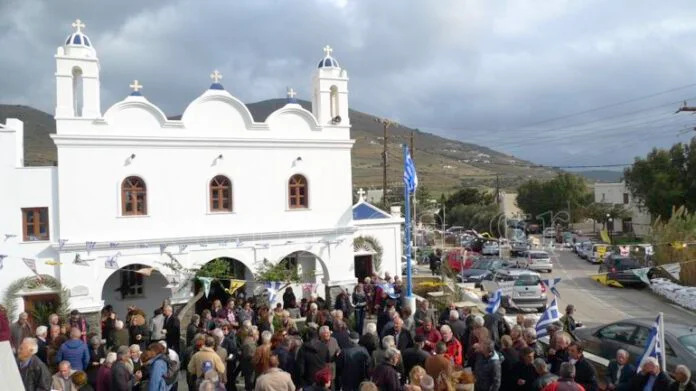
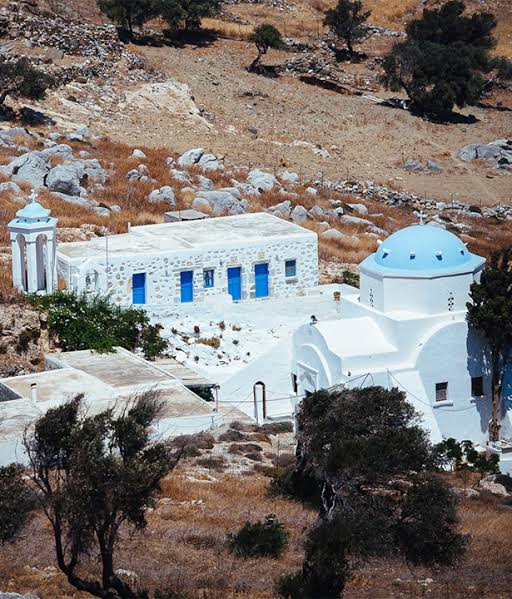
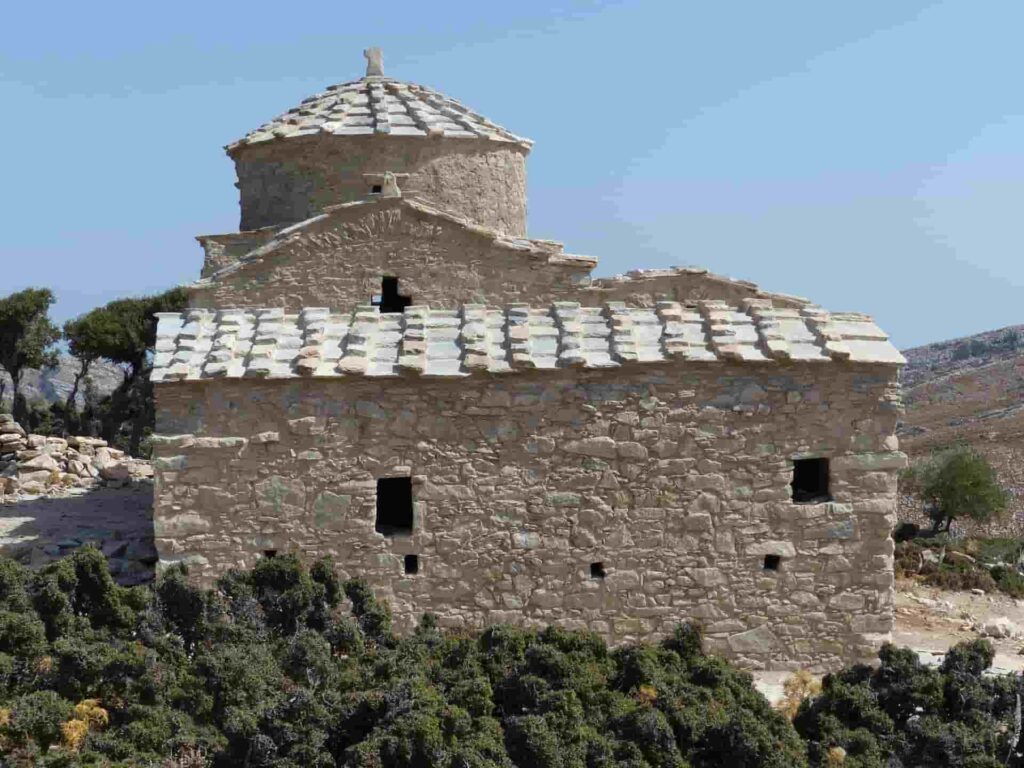
The religious service is the spiritual heart of the occasion. The day traditionally begins with worship and prayer at the chapel of Saint Kyriaki, bringing together Potamia residents, people from the village who return for the occasion, and visitors interested in experiencing local religious customs.
The celebration then takes on a more festive character. Following the religious observance, people gather to enjoy traditional music, dancing, food and drink. The atmosphere grows livelier as the evening progresses, with the village community and visitors sharing in the festivities.
This combination of religious devotion and social celebration is characteristic of the Greek panigiri (πανηγύρι), the traditional feast held in honour of a patron saint or religious occasion.
Potamia: An Authentic Naxian Village
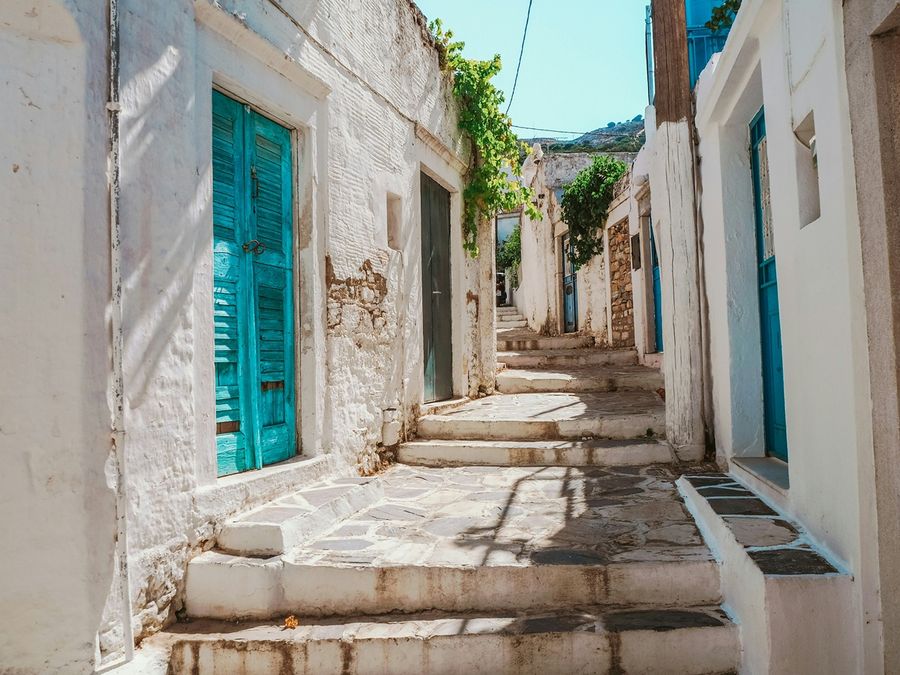
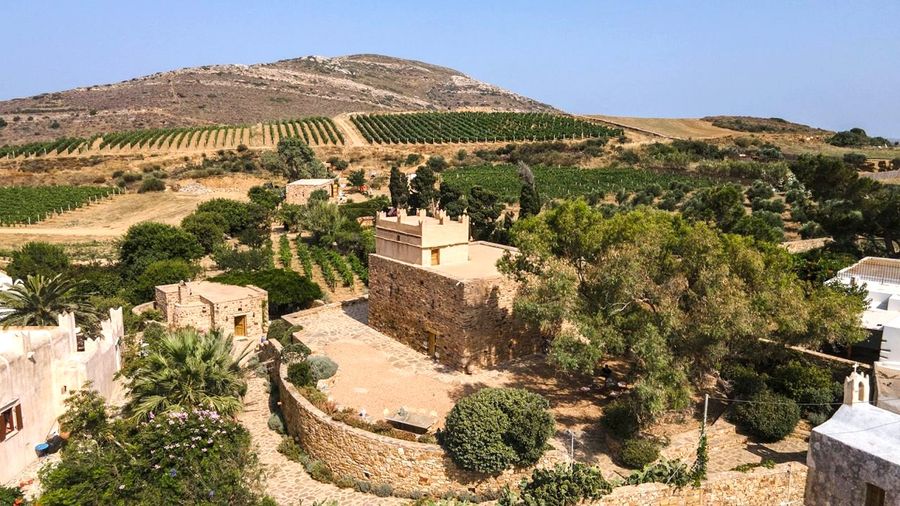
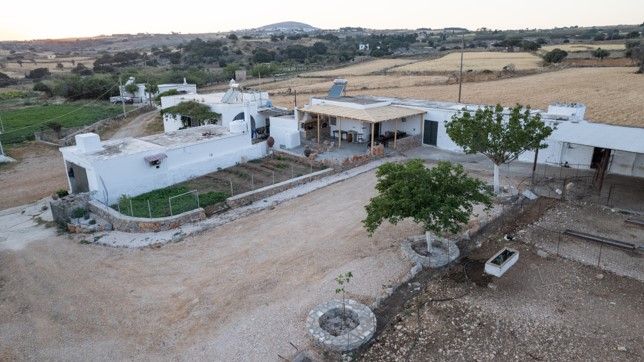
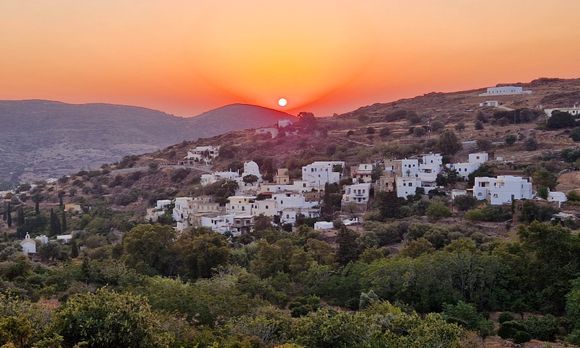
Potamia is an inland village on Naxos, offering a different atmosphere from the island’s busy coastal resorts. Its name, derived from the Greek word potami (river), reflects the area’s association with watercourses and its greener landscape.
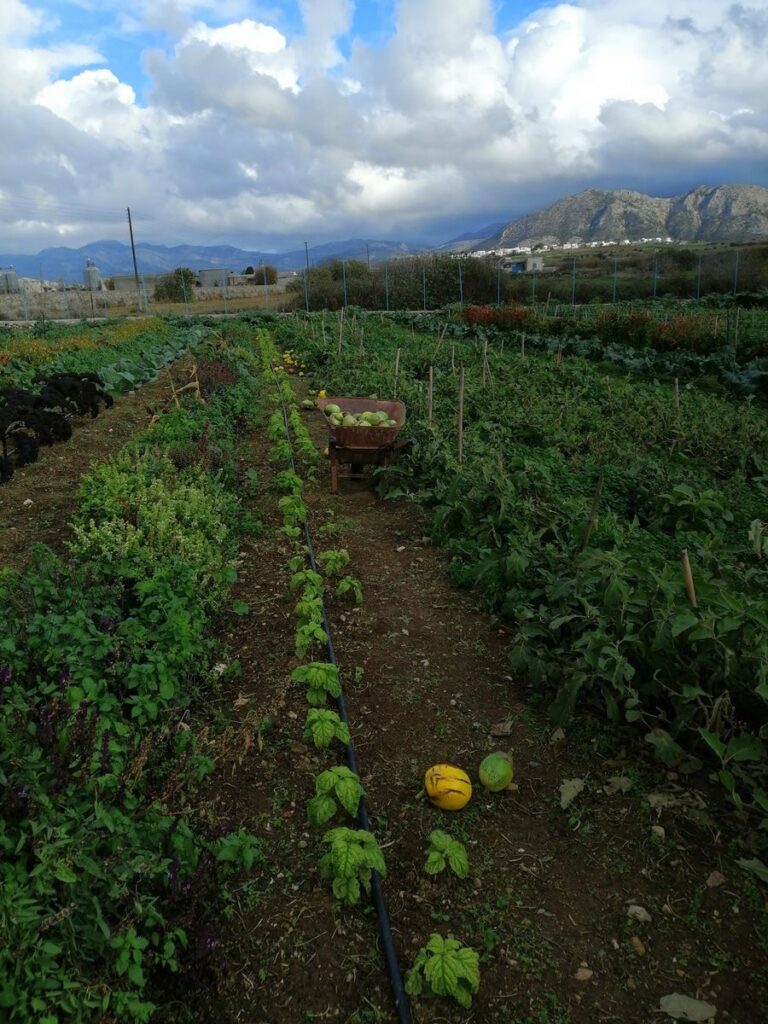
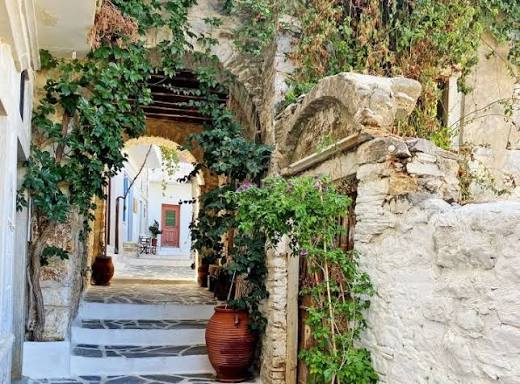
The village is part of the island’s agricultural and rural heritage. Its traditional surroundings, village lanes and natural scenery provide an atmospheric setting for religious celebrations and community gatherings.
Unlike large commercial festivals, a village panigiri is rooted in local participation. It is an occasion for people to reconnect with their home village, welcome relatives and friends, and preserve customs passed down through generations.
The Festival of Saint Kyriaki in Potamia is especially interesting for visitors who want to discover Naxos’s cultural life beyond its best-known attractions.
A Night of Traditional Naxian Music and Dancing
Music is one of the most important elements of Naxian celebrations. Traditional melodies accompany the festivities, encouraging people of all ages to join the dancing.
According to the Aegean Islands tourism portal, two traditional instruments are particularly associated with Naxian festivals:
- Tsambouna (τσαμπούνα): A traditional Greek island bagpipe that produces a distinctive, powerful sound closely associated with the musical heritage of the Cyclades.
- Toumbaki or Ntoumpaki (τουμπάκι): A small traditional percussion instrument that provides rhythmic accompaniment.
These instruments are especially associated with the musical traditions of Naxos’s mountainous villages. The island also has a strong tradition of violin and laouto music, which became increasingly popular towards the end of the nineteenth century.
The music creates an atmosphere that lets traditional island dances continue late into the night. At the Saint Kyriaki celebration, as at other Naxian panigiria, dancing is not simply a performance for spectators. It is an invitation to participate, share the moment and become part of the community.
Kotsakia: The Poetry of Naxian Tradition
One particularly interesting element of Naxian musical culture is the tradition of kotsakia.
These are short, often improvised rhyming verses that express feelings, humour, affection, admiration or playful teasing. People can compose them spontaneously and sing them at social gatherings and celebrations.
The Aegean Islands tourism portal highlights kotsakia as an important part of Naxian folk culture, explaining that these short folk poems can express both happiness and sadness.
Their significance goes beyond entertainment: they demonstrate the islanders’ creativity, sense of humour and ability to communicate through music and poetry.
Kotsakia are also associated with particular Naxian dance traditions and Carnival celebrations. The traditional dance of the same name, documented in the Greek Traditional Dance Archive, comes from Koronida and is accompanied by improvised rhyming couplets and the sound of the tsambouna.
Traditional Food, Hospitality and the Communal Table are essential parts of the Naxian panigiri tradition.
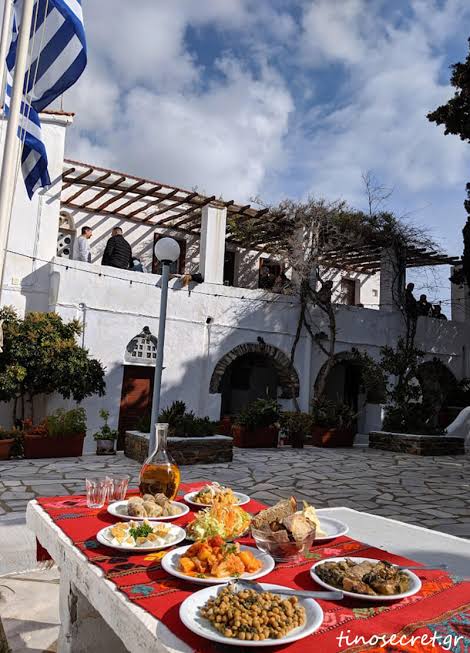
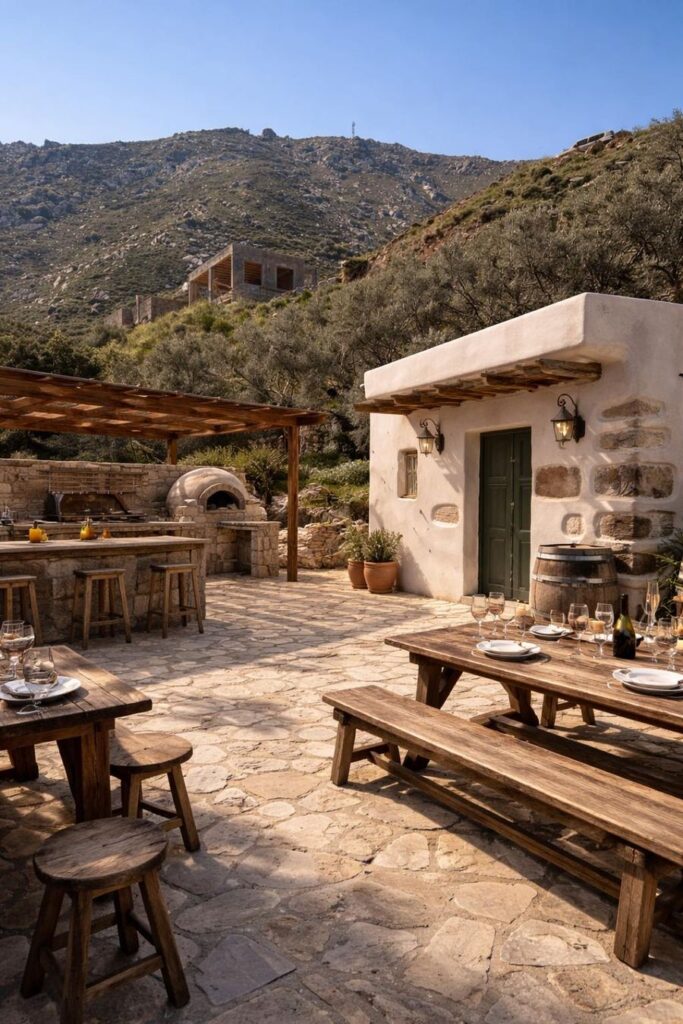
Like other village celebrations on the island, the Festival of Saint Kyriaki in Potamia provides an opportunity to experience the importance of sharing food and drink. The communal character of these occasions reflects the close relationship between religious celebrations, agricultural life and local customs.
Naxos has a particularly rich gastronomic identity, supported by its agricultural production and livestock farming. Some of the island’s best-known products and specialities include:
- Naxos Graviera: The island’s famous hard cheese, traditionally made from cow’s milk.
- Naxos potatoes: Renowned for their quality and distinctive flavour.
- Local meat dishes: Reflecting the island’s long-standing pastoral traditions.
- Traditional cheeses: Including xinotyro and arseniko.
- Local sweets: Often prepared with honey, nuts and other local ingredients.
These specialities are part of the wider gastronomic heritage that visitors can explore while attending the island’s traditional celebrations.
The communal table is particularly meaningful: people share food, exchange stories, welcome guests and celebrate together. This spirit of generosity defines village life in Naxos.
The Festivals of Naxos: A Rich Calendar of Religious Celebrations
The Festival of Saint Kyriaki in Potamia is not an isolated event. It belongs to a much wider tradition of religious celebrations held throughout the year in villages across Naxos.
The island’s annual calendar includes numerous feasts dedicated to saints and important religious occasions. These celebrations offer an opportunity to discover each village’s distinctive customs and traditions.
Some notable dates include:
| Date | Festival | Location |
|---|---|---|
| June 30 | Agii Apostoli | Melanes |
| July 7 | Agia Kyriaki | Potamia |
| July 7 | Agios Prokopios | Agios Prokopios |
| July 14 | Agios Nikodimos | Chora and Glinado |
| July 17 | Agia Marina | Aggidia and Koronos |
| July 25 | Agia Anna | Agia Anna |
| July 26 | Agia Paraskevi | Kinidaros |
| July 27 | Agios Panteleimon | Agersani |
| August 6 | Sotiros (Transfiguration) | Glinado, Damarionas and Kourounochori |
| August 15 | Dormition of the Virgin Mary | Throughout Naxos, especially Filoti |
| August 23 | Enniamera Panagia | Tripodes |
| August 29 | Agios Ioannis | Apeiranthos, Apollonas and Agersani |
These celebrations demonstrate how religious observances remain deeply embedded in the island’s cultural identity. Each village contributes its own character, traditions and hospitality to the wider festival calendar.
The Experience: From Morning Worship to Dancing Until Dawn
Attending the Feast of Saint Kyriaki is more than simply watching a traditional festival. It is an opportunity to experience the social and cultural rhythms of Naxian life.
The celebration unfolds in different stages:
- Morning – Religious observance: The community gathers for the Divine Liturgy and honours Saint Kyriaki.
- Afternoon – Community gathering: Residents and visitors come together, preparing for the evening celebration.
- Evening – Music and dancing: Traditional musicians provide the soundtrack for the festivities, and dancing becomes the centre of attention.
- Late night – The village celebration continues: Music, conversation, food and dancing create the atmosphere of a traditional island feast.
Why You Should Attend the Festival of Saint Kyriaki in Potamia
This celebration deserves a place on the itinerary of anyone visiting Naxos in July.
- Authentic cultural experience: Discover a traditional Greek panigiri in its village setting rather than a commercial entertainment event.
- Religious heritage: Experience the connection between Orthodox Christian faith and local community life.
- Traditional music: Listen to the distinctive sounds of Cycladic instruments and island melodies.
- Local gastronomy: Discover Naxos’s culinary traditions and agricultural products.
- Community spirit: Experience the warmth and hospitality of the local population.
- Cultural discovery: Learn about traditional songs, dances, poetry and customs that continue to shape Naxian identity.
Most importantly, the celebration lets visitors join the festivities. You do not need to know the traditional dances or understand every song to enjoy the experience. The welcoming atmosphere invites you to participate.
When to arrive
If you want to experience the religious aspect, plan to arrive in the morning for the church service. If your main interest is the traditional feast, the evening is the best time to visit.
Visitors should check the programme for their year of visit, as timing and arrangements may vary.
What to wear and bring
- Wear comfortable shoes suitable for village streets and dancing.
- Choose light summer clothing.
- Bring some cash for food and drinks, where applicable.
- Respect the religious character of the chapel and its services.
- Ask permission before photographing people, particularly during religious ceremonies.
Discover the Authentic Spirit of Naxos
The Feast of Saint Kyriaki in Potamia represents more than a summer entertainment event. It celebrates the island’s religious heritage, musical traditions, gastronomy, and strong community bonds.
Together with Naxos’s other traditional festivals, it shows how local customs continue to connect generations and preserve the island’s distinctive cultural identity.
For visitors, it offers a rare opportunity to experience the genuine atmosphere of a Cycladic village: the sound of traditional music, the movement of people dancing, the generosity of shared food and the joy of celebrating together.
Whether you are interested in Greek Orthodox traditions, folk music, local gastronomy or authentic cultural experiences, the Feast of Saint Kyriaki is an excellent opportunity to discover another side of Naxos.
On July 7, Potamia becomes a meeting place for faith, music, tradition and hospitality – an unforgettable expression of the authentic Naxian summer.