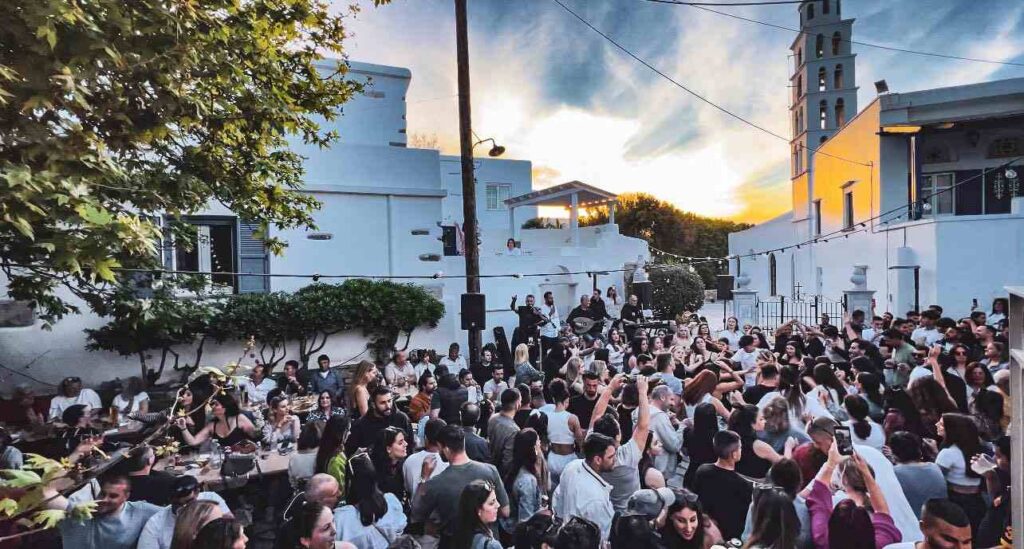
The celebration of the Saints Peter and Paul, the patron saints of Spata, is a revered three-day event that stands out as a genuine and time-honoured festival in the region of Attica. This celebration reflects the profound religious devotion and reverence of the inhabitants, rather than merely serving as a social or entertainment gathering.
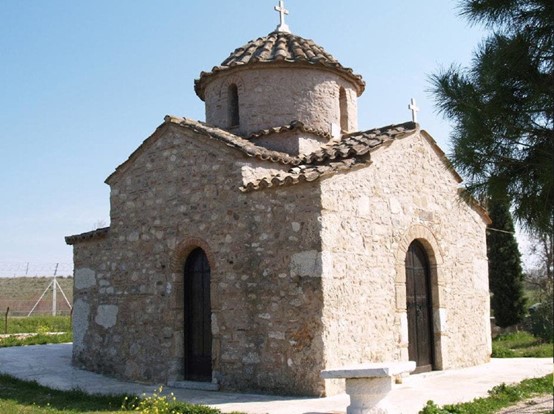
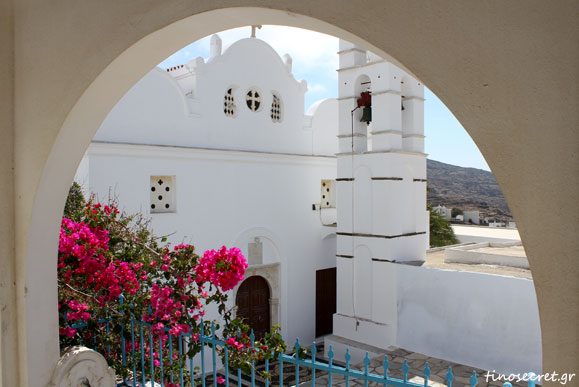
The Church of the Apostles Peter and Paul, constructed between the 11th and 14th centuries, features a post-Byzantine cruciform design with a dome and three niches, open to residents for worship. Noteworthy features include an arch at the northern entrance constructed from ancient marble, a common practice among Christian churches that repurpose structural elements from ancient Greek temples.
Particularly striking is a well-preserved fresco depicting Saint Charalambos in full-body, believed to be the work of the School of the esteemed 18th-century religious painter, Georgios Markos. Beyond its historical, architectural, and archaeological significance, the church holds a special place in Spata’s religious customs and folklore, serving as the spiritual heart of the city and a significant place of worship in the Mesoghia plain of the wider region of Attica.
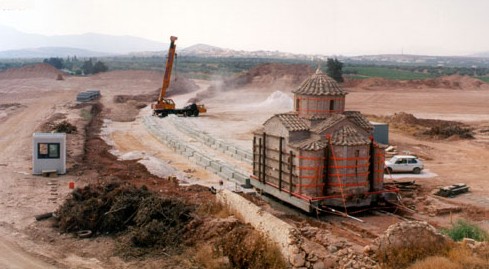
The church’s relocation, 339 meters west of its original position within the boundaries of the new Athens airport, Eleftherios Venizelos, was accomplished through a meticulous process using jacks and special rails. The annual festival of the church, celebrated on the 29th of June, the feast day of the Apostles Peter and Paul, features vespers, the holy liturgy, religious-folklore activities, and the traditional ritual of “corbani,” which involves animal sacrifice and communal religious meals.
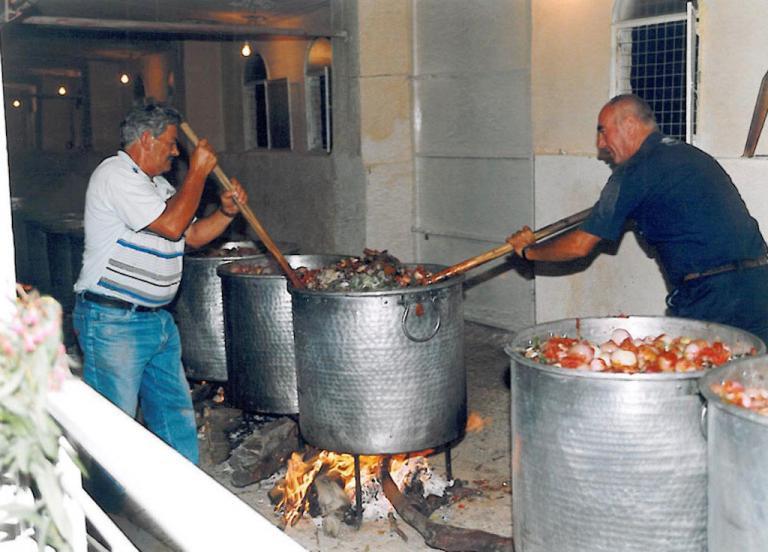
The townspeople of Spata organise this annual celebration in tribute to their patron saints, beginning with the preparation of stifado on the eve of the festival.
This hearty dish, requiring 7 tons of beef fillet, 8 tons of onions, 1500 kilos of fresh tomatoes, 300 kilos of tomato paste, 600 kilos of olive oil, 500 kilograms of spices, and 2500 cloves of garlic, symbolises a sacred culinary tradition that holds deep religious significance for the residents. The meticulous preparation process involving the entire community culminates in a joyous feast and festivities, marking a culmination of faith, tradition, and communal spirit within Spata.