A Journey Through Terroir, Ancient Varieties and the Legacy of Malvasia
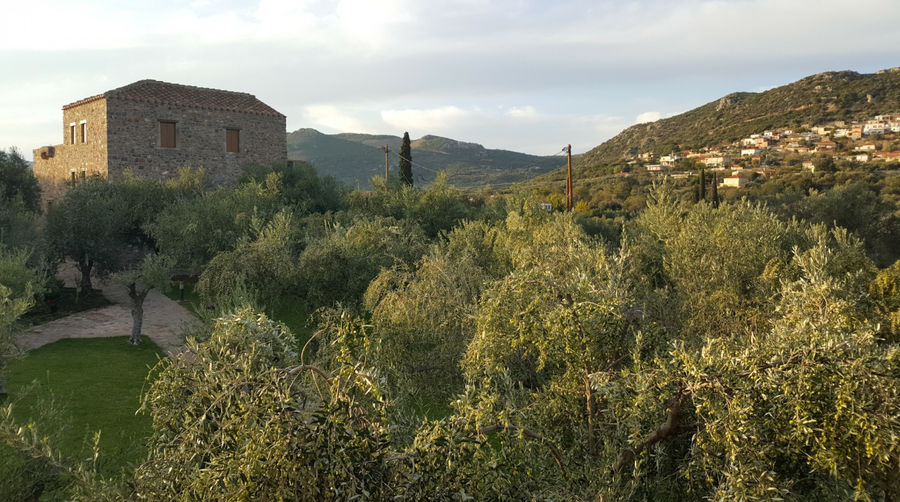
Laconia is one of Greece’s most fascinating yet least explored wine tourism destinations. The key to understanding its wine landscape lies in the connection between its unique geography and the revival of rare, ancient grape varieties.
Terroir and Climate Zones of Laconia Wines
Laconia is essentially divided into two major wine-growing zones, each with its own distinctive character:
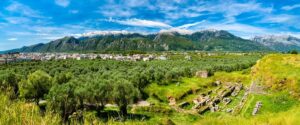
The Evrotas Valley and the Foothills of Mount Taygetus
This area has a continental climate with significant temperature swings between day and night. The soils are mainly clay-loam. These conditions favour wines with vibrant acidity and an intense aromatic profile.
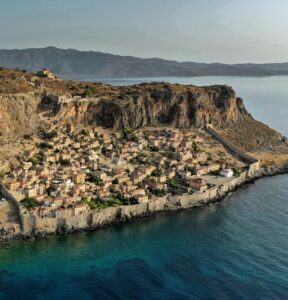
The Monemvasia Peninsula (Epidaurus Limera)
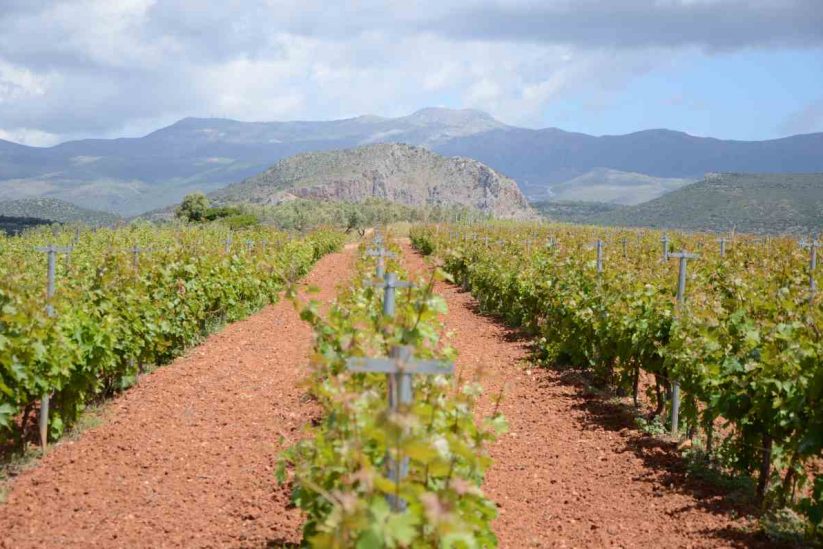
A coastal zone where vineyards are cooled by the Aegean meltemi winds. The climate is Mediterranean and dry, while the poor, schist-based soils force vine roots to grow deep, giving the wines distinctive minerality and concentration.
Indigenous Grape Varieties of Laconia wines
Wine tourism in the region is built on authenticity. Local producers have invested in preserving grape varieties that cannot be found anywhere else in the world:
Kydonitsa (White)
The undisputed star of Laconia. It produces wines with a unique aroma reminiscent of ripe quince, medium body and refreshing acidity.
Monemvasia (White)
A historic variety that plays a key role in many of the region’s white wines, offering elegant aromas of citrus fruits and white flowers.
Mavroudi (Red)
A variety producing deep-coloured, robust red wines with aromas of black fruit and spices, perfectly suited for barrel ageing.
Petroulianos & Thrapsa
Rare and lesser-known local varieties, mainly used in blends, adding complexity and character.
The Historic Legacy: Monemvasia–Malvasia
Laconia Wine Tourism is rooted in a remarkable historical heritage, embodied in Malvasia, the most famous wine of the Middle Ages and the Renaissance.
This sweet wine, produced from sun-dried grapes, was exported from the port of Monemvasia throughout Europe. After centuries of absence, its production was revived in the region and is now protected under the PDO Monemvasia-Malvasia designation, making it the ultimate gastronomic highlight for visitors.
The Visitor Experience –
A Laconia wine tourism journey goes far beyond a simple tasting experience. Most vineyards apply organic and sustainable cultivation methods. Visitors can enjoy:
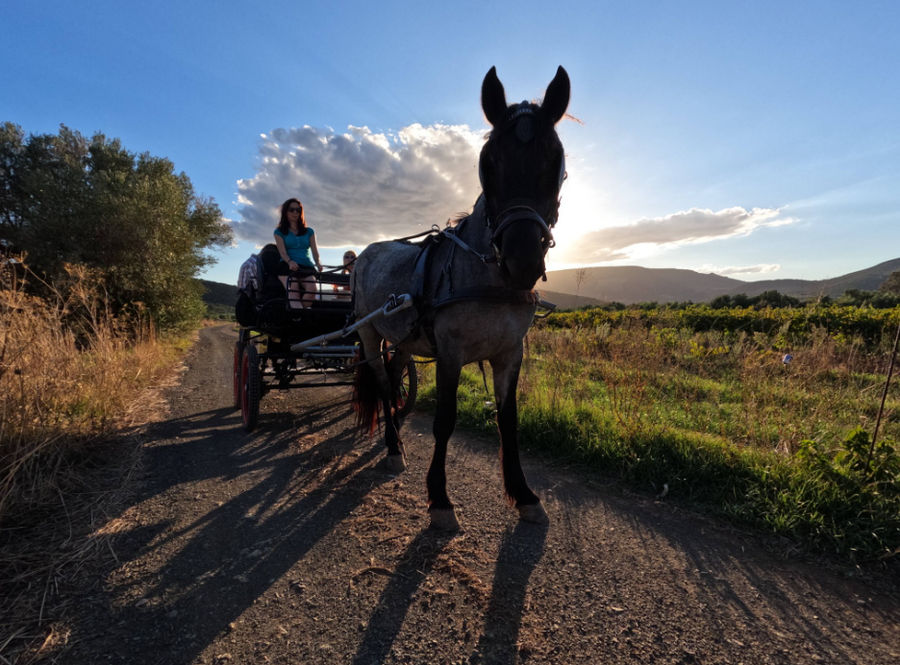
- Tours through picturesque vineyards overlooking Mount Taygetus or the Myrtoan Sea.
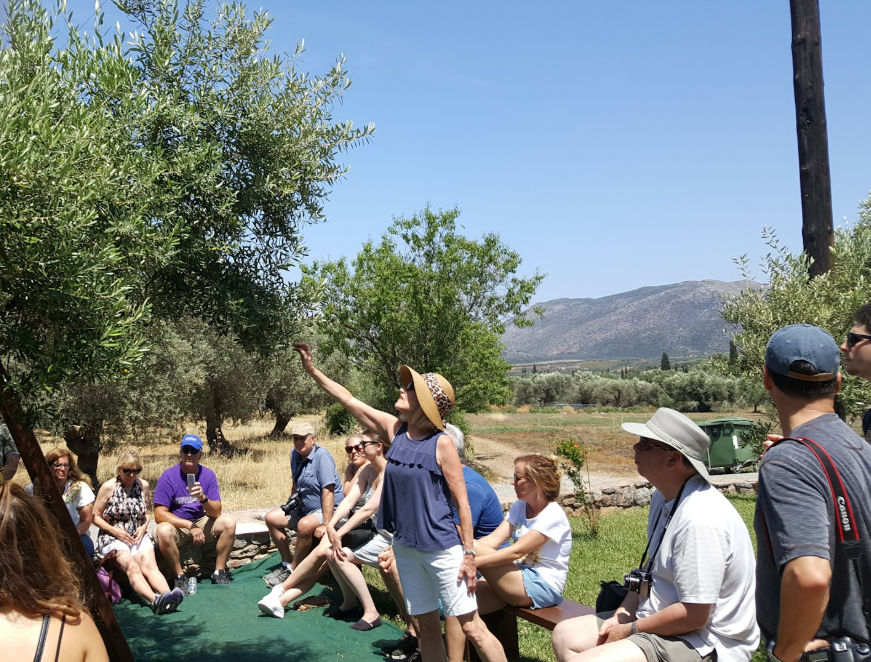
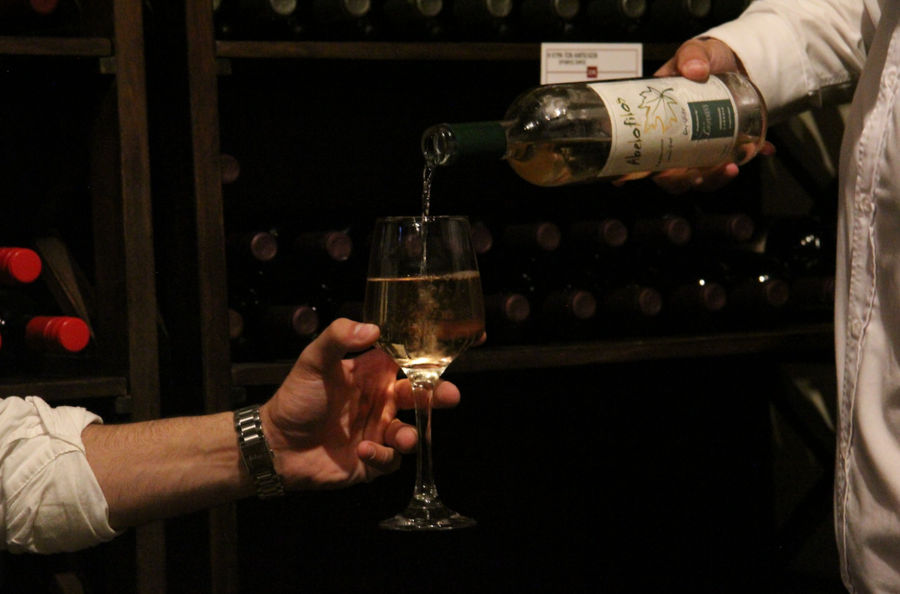
- Wine tastings in ageing cellars, where winemakers themselves explain the production process.
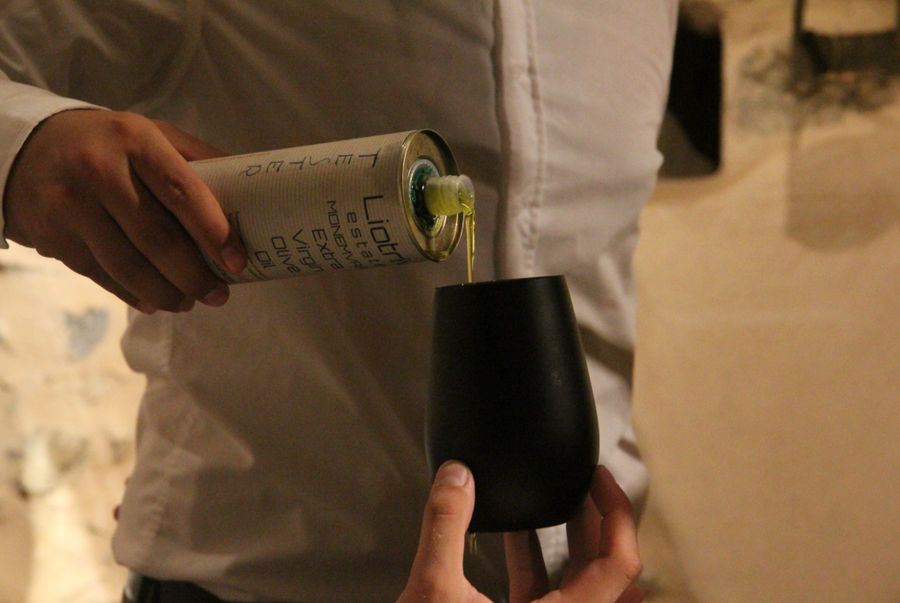
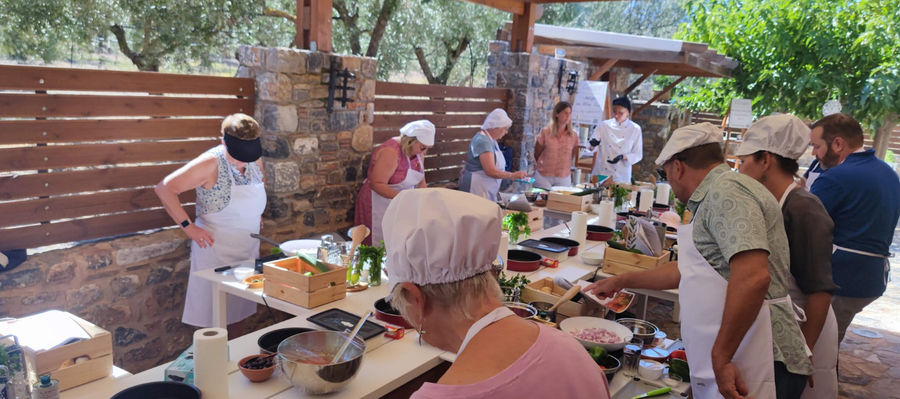
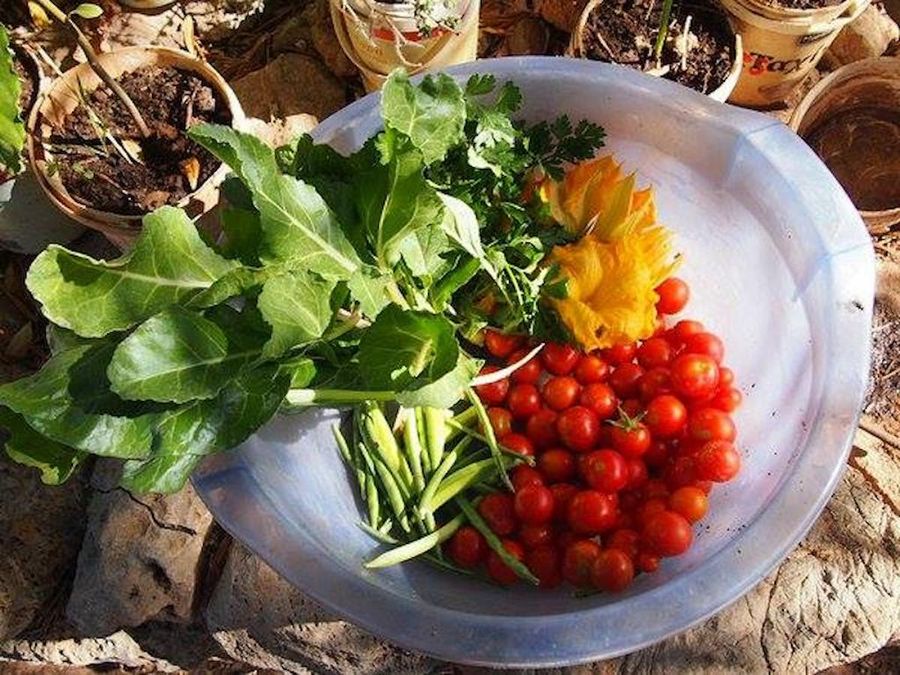
- Food pairing experiences featuring local products such as syglino (traditional smoked pork), Kalamata olives, local cheeses and handmade pasta (gogges).
Laconia Wine Tourism offers a unique experience that combines the region’s rugged natural landscape with the revival of one of the world’s most fascinating wine stories. The heart of this experience lies in the connection between the local terroir and the legendary heritage of PDO Monemvasia-Malvasia.
Wine Zones and Soil Characteristics of Laconia Wines
The wine journey through Laconia unfolds across two broad geographical and climatic areas:
The Evrotas Valley and Taygetus Foothills
A zone characterised by clay-loam soils and a continental climate. Large day-night temperature swings give the wines vibrant acidity and rich aromas.
The Monemvasia Peninsula (Epidaurus Limera)
A dry coastal region with schist soils. The Aegean meltemi winds cool the vines, resulting in wines with concentrated flavours and pronounced minerality.
The Crown Jewel of the Region: PDO Monemvasia–Malvasia / Laconia Wines
The ultimate highlight for every visitor is tasting PDO Monemvasia–Malvasia, the sweet wine officially established in 2010 to revive what was once considered the most expensive wine of the Middle Ages.
Production
The grapes (at least 51% Monemvasia, combined with Assyrtiko, Kydonitsa, and other local white varieties) are harvested at full ripeness and then sun-dried for 10–12 days.
Ageing
The wine must mature in oak barrels for at least two years. If longer ageing is chosen, it must follow strictly defined periods of four years or multiples thereof (8, 12 years, etc.).
Wine Profile
It displays a deep amber colour and a complex bouquet of dried fruits, honey, raisins and caramel, balanced by refreshing acidity that perfectly complements its sweetness.
The Complete Experience / Laconia Wines
A visit to Laconia’s vineyards includes guided cellar tours, conversations with the growers themselves and carefully designed food pairings. The wines are ideally matched with the region’s gastronomy, including traditional singlino, handmade pasta (gogges or Goglies) and local cheeses.
A journey through Laconia’s wine world is an exploration of authentic terroir, forgotten grape varieties, and a historic wine legacy that modern travellers continue to rediscover.