
A Crossroads of Flavour – History & Food Tours
Corinthia, located in the northeastern Peloponnese, is a region where history, geography, and gastronomy meet in a uniquely dynamic way. Known as the gateway between mainland Greece and the Peloponnese, it has played a central role in trade, culture, and agriculture for thousands of years. Today, it stands out as a compelling destination for food tours in Greece and culinary tourism in the Peloponnese, offering visitors a rich blend of heritage, landscapes, and authentic Greek cuisine.
A Region Defined by History and Strategic Importance
Human activity in Corinthia dates back to prehistoric times, but the region rose to prominence in antiquity with the powerful city of Ancient Corinth. One of the most influential city-states of ancient Greece, Corinth controlled key trade routes between the Aegean and Ionian Seas, making it a major commercial and cultural hub.
The engineering marvel of the Corinth Canal, completed in the 19th century, reflects the region’s enduring strategic importance. This narrow passage connects the Gulf of Corinth with the Saronic Gulf, dramatically shortening maritime routes and symbolising Corinthia’s role as a bridge between worlds.
Nearby, the imposing fortress of Acrocorinth rises above the ancient city, offering panoramic views and a glimpse into the region’s medieval and ancient past. These landmarks make Corinthia a key destination for cultural and historical exploration in Greece.
A Fertile Land of Agricultural Abundance
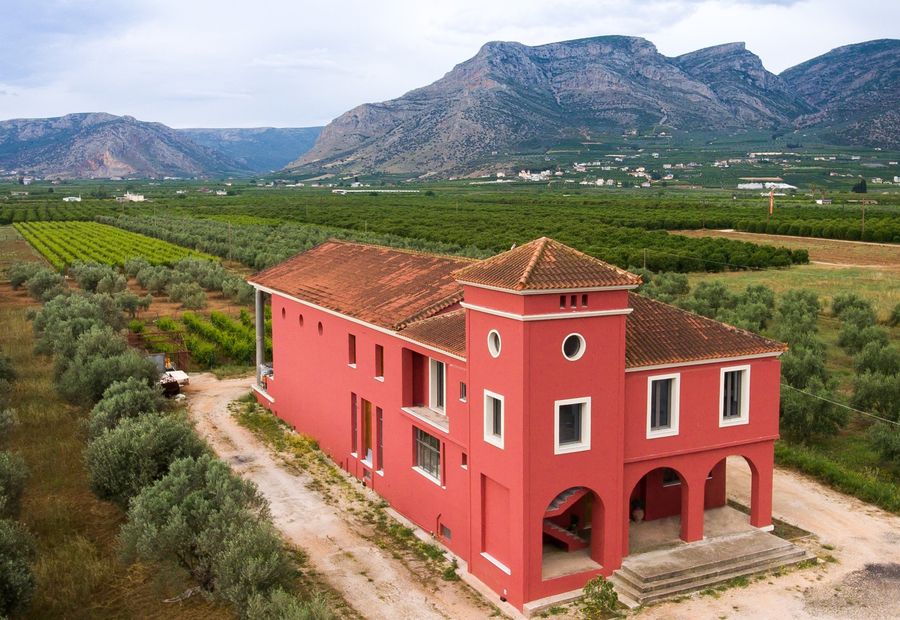
Corinthia’s diverse landscape—ranging from coastal plains to mountainous terrain—creates ideal conditions for agriculture. The region benefits from a mild Mediterranean climate, rich soil, and abundant sunshine, all of which contribute to the production of high-quality local products central to traditional Greek cuisine.
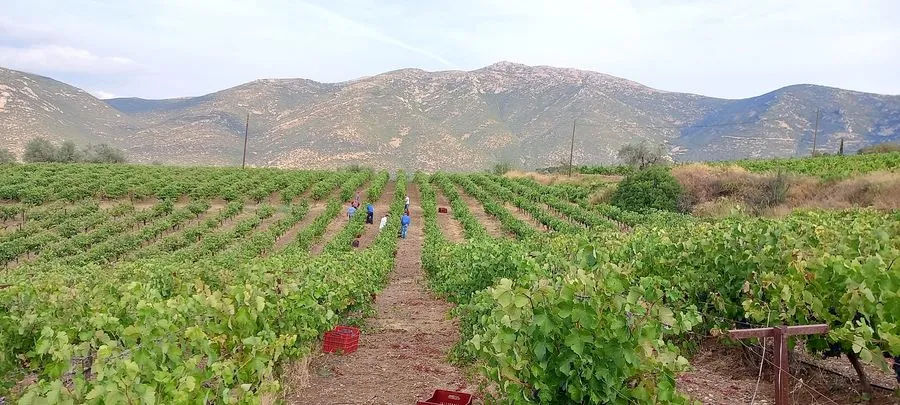
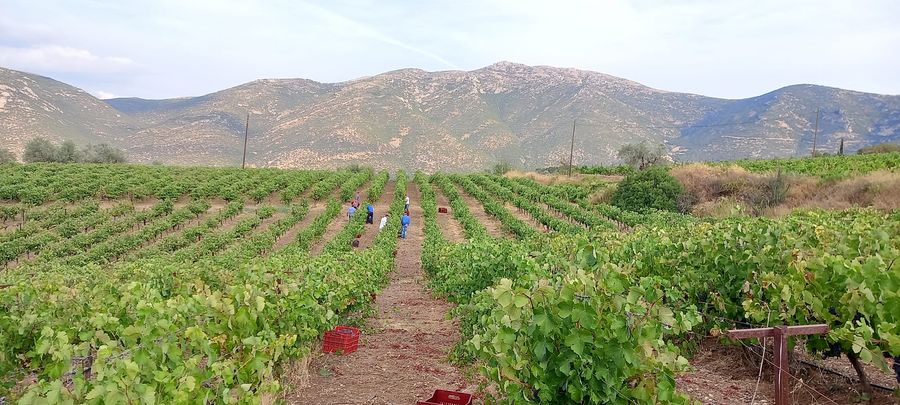
The area is particularly known for its vineyards, olive groves, fruits, and nuts. The plains and hillsides produce grapes used for both table consumption and winemaking, while olive oil remains a cornerstone of local gastronomy, deeply connected to the Mediterranean diet.
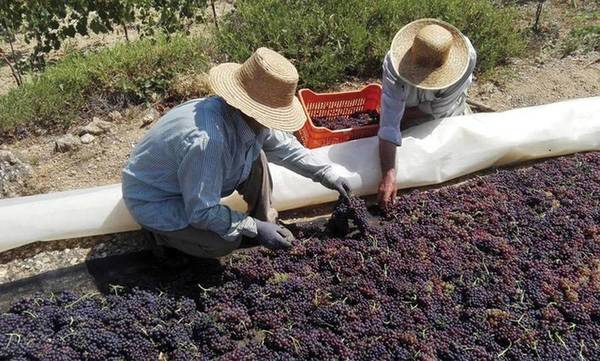
One of Corinthia’s most famous products is the small, sweet dried grape known as the Corinthian raisin, historically a major export that contributed significantly to the Greek economy. Citrus fruits, figs, and almonds also play an important role in both everyday cooking and traditional desserts.
Traditional Flavours and Culinary Identity
The cuisine of Corinthia reflects simplicity, seasonality, and a strong connection to the land. Visitors exploring the region through food tours can experience authentic dishes rooted in local traditions and agricultural life.
Some of the most representative traditional flavours of the region include:
- Slow-cooked lamb or goat dishes, often prepared with herbs and olive oil
- Legume-based meals, such as lentils and chickpeas, reflect rural culinary traditions
- Fresh vegetables and wild greens, used in salads and pies
- Traditional pies (pites), filled with cheese, greens, or seasonal ingredients
- Handmade pasta and rustic grain-based dishes
- Fresh fish and seafood along the coastal areas
- Local cheeses and dairy products from small-scale producers
- Sweets made with raisins, honey, and nuts, highlighting regional agricultural products
These dishes emphasise natural flavours, minimal processing, and a deep respect for local ingredients.
Wine and Gastronomy
Corinthia is closely linked to one of Greece’s most important wine regions, Nemea. Known for its renowned Agiorgitiko grape variety, Nemea produces rich, aromatic red wines celebrated both in Greece and internationally.
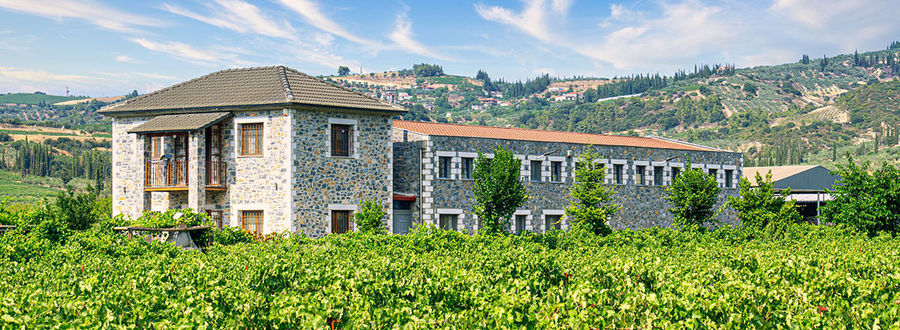
Wine tourism is a key part of the Corinthian experience. Visitors can explore vineyards, participate in tastings, and learn about traditional and modern winemaking techniques. Pairing local wines with regional dishes enhances the overall gastronomic journey, offering a deeper understanding of the Peloponnesian culinary identity.
A Destination for Food and Cultural Experiences
Today, Corinthia is an emerging destination for food tours, wine experiences, and cultural travel in Greece. Its accessibility, diverse landscapes, and strong agricultural traditions make it ideal for travellers seeking authentic and immersive experiences.
Visitors can enjoy vineyard tours, olive oil tastings, farm visits, and cooking experiences, all while exploring historical landmarks and scenic villages. From the ancient ruins of Corinth to the vineyards of Nemea, the region offers a complete journey through history and flavour.
Corinthia is more than a passage between regions—it is a destination in its own right, where history, gastronomy, and tradition come together to create a rich and memorable experience in the heart of the Peloponnese.